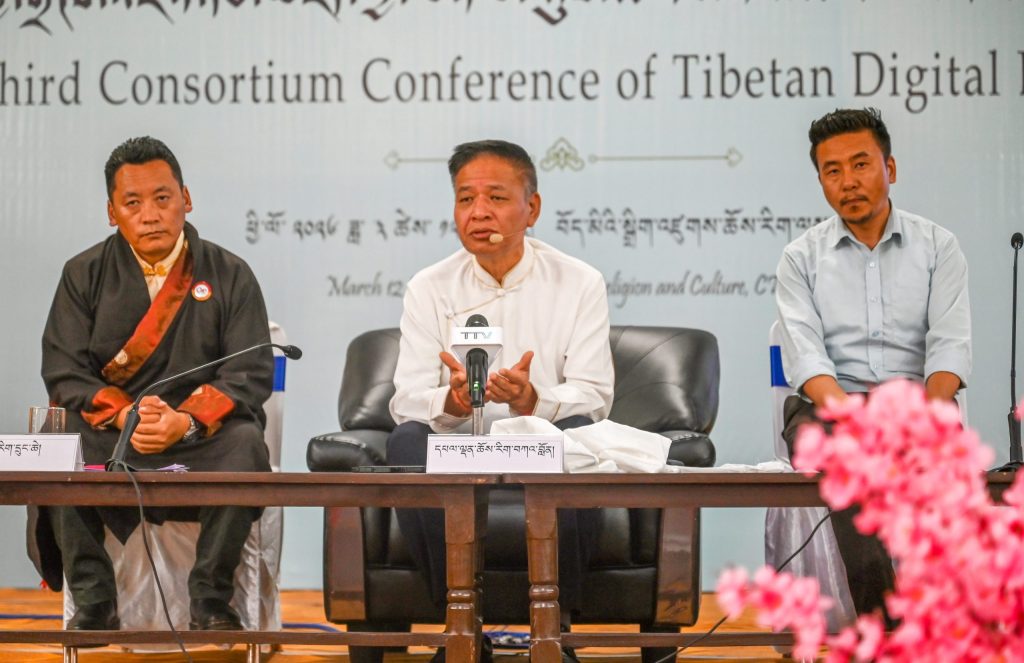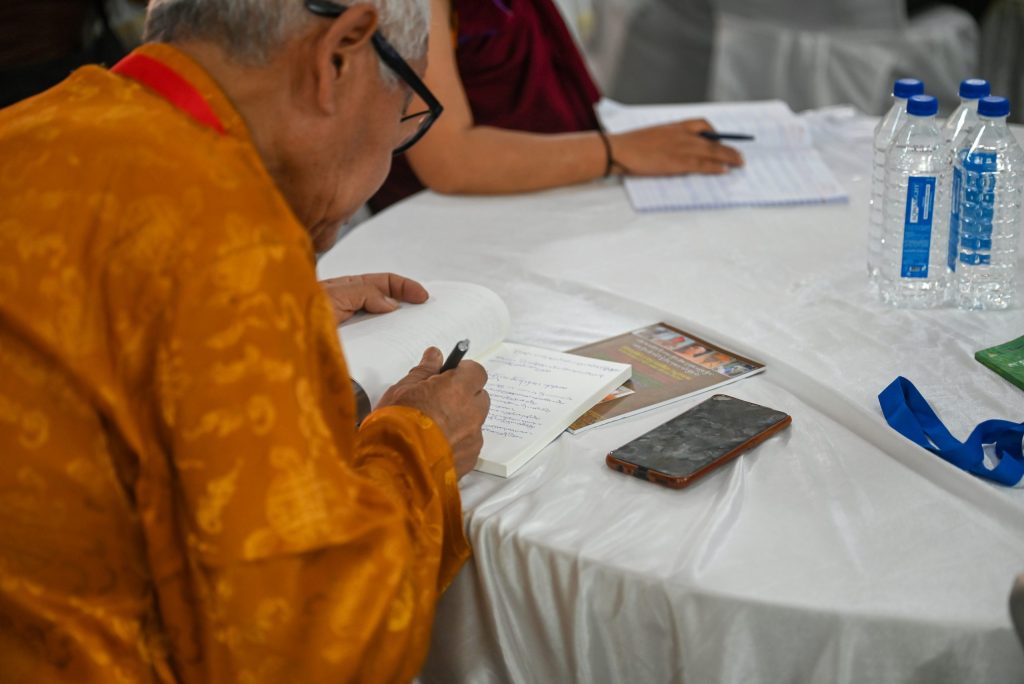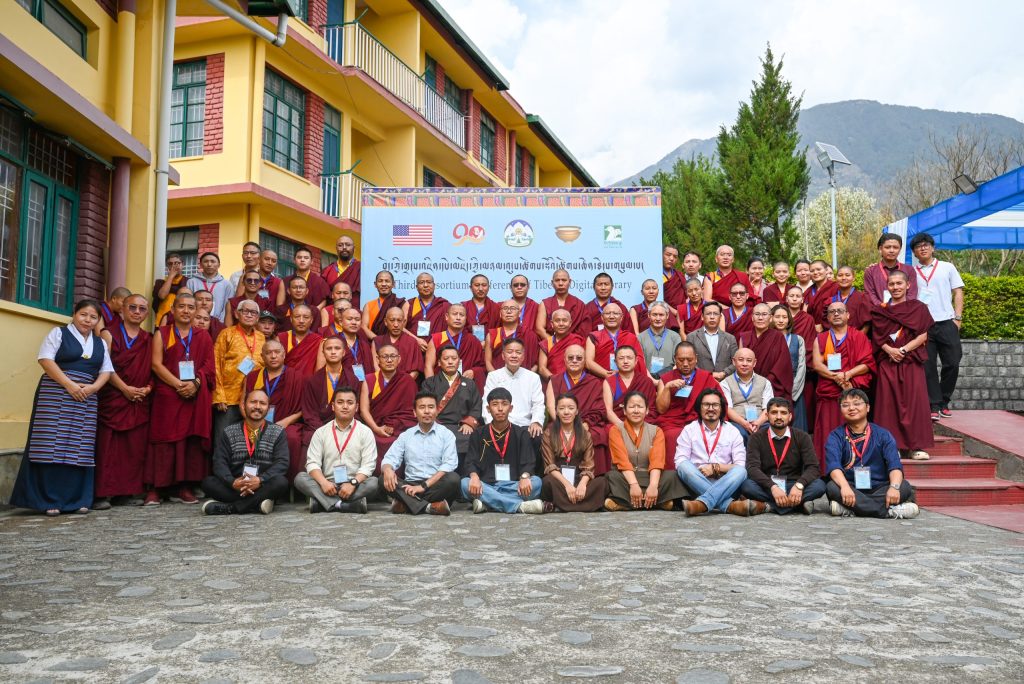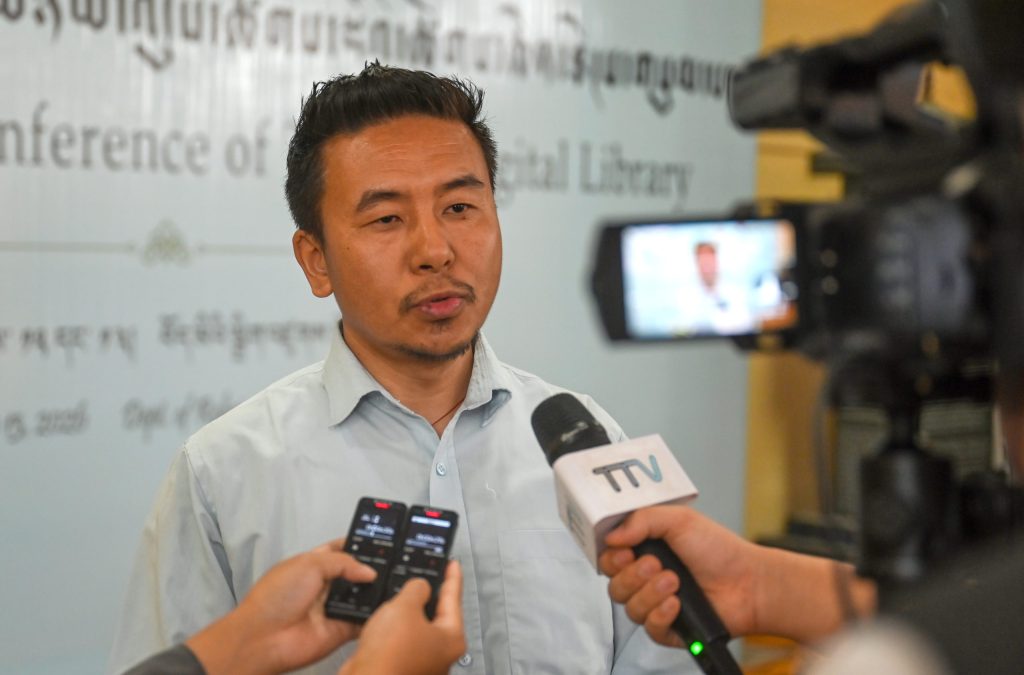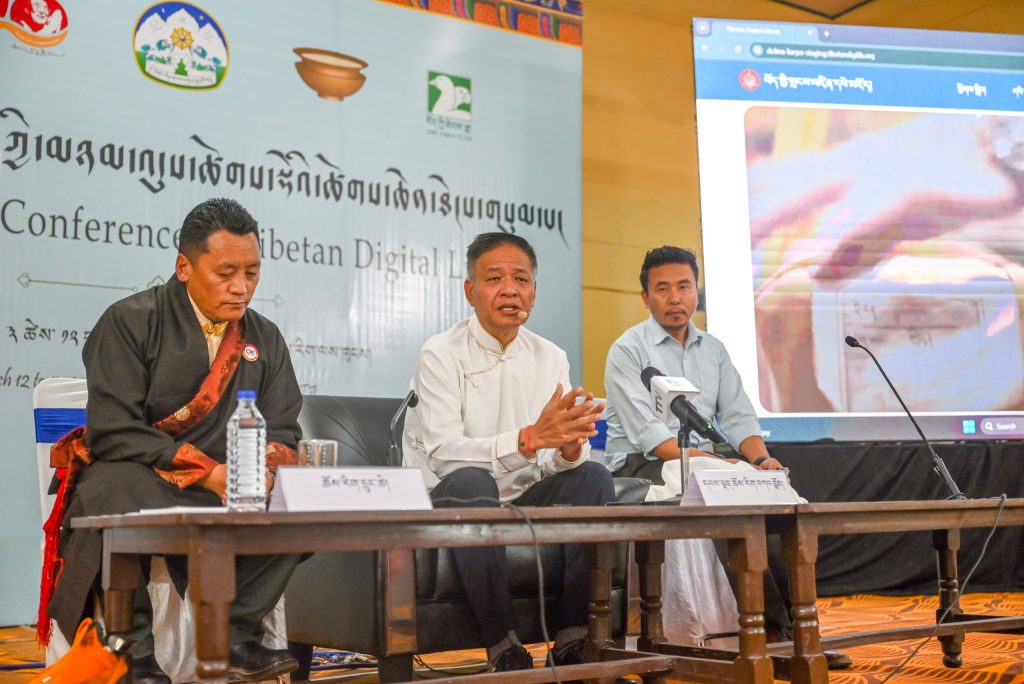
Dharamshala: Sikyong Penpa Tsering, the incumbent Kalon of the Department of Religion and Culture (CTA), delivered the keynote address at the concluding ceremony of the 3rd Consortium Conference of the Tibetan Digital Library. The two-day conference, held from 12 to 13 March 2026, was organised by the Department of Religion and Culture at the Administrative and Welfare Society in Dharamshala.
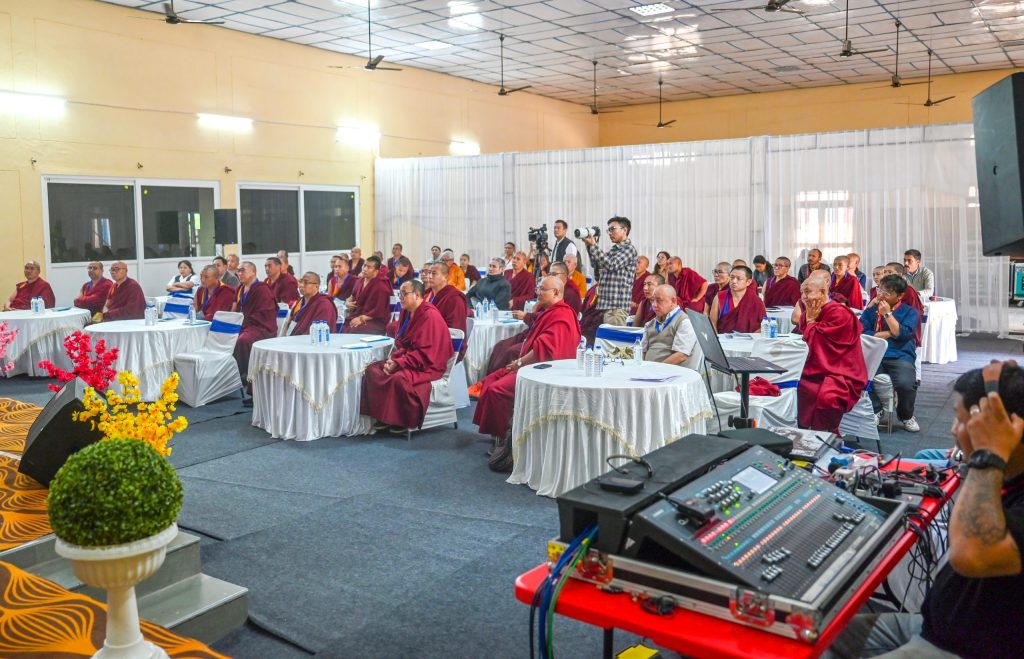
A total of 54 participants representing 49 Tibetan monasteries and cultural institutions affiliated with the Tibetan Digital Library project attended the consortium conference.
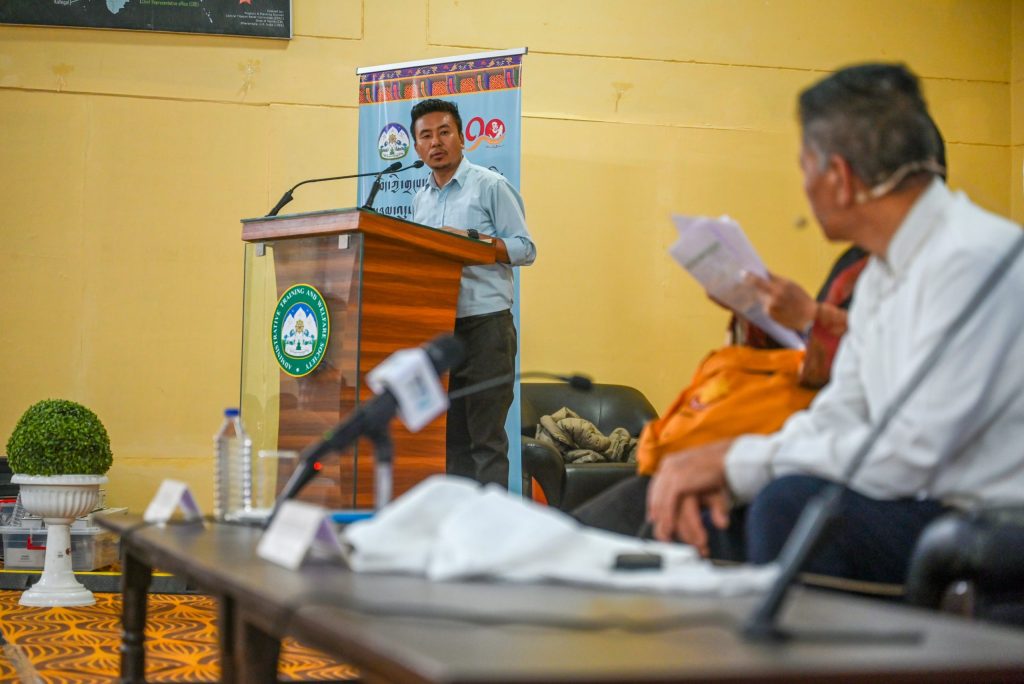
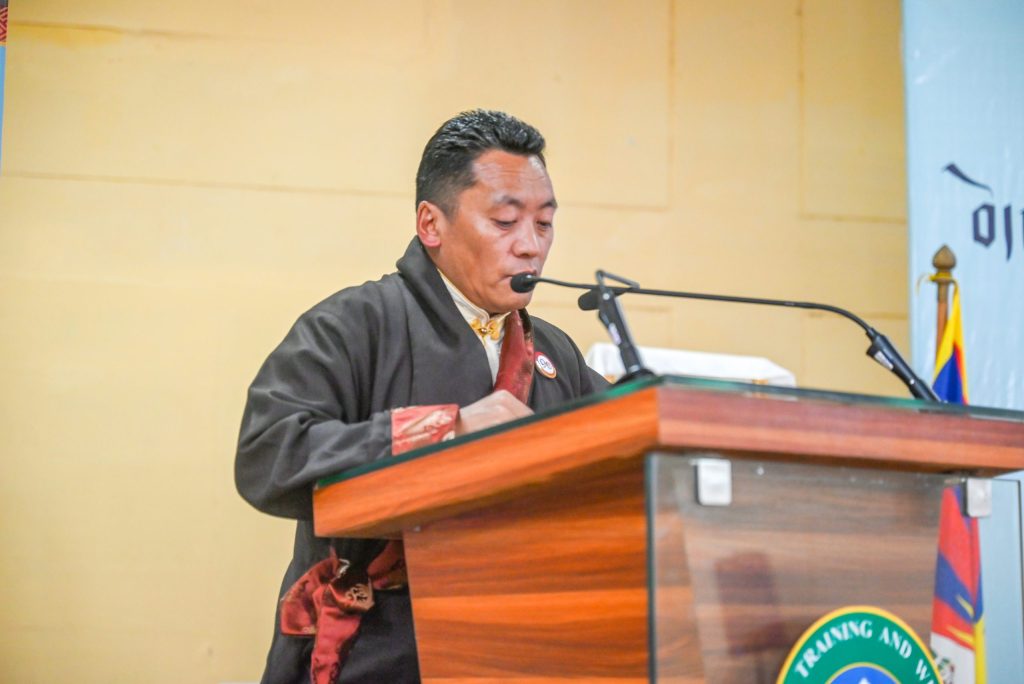
The closing ceremony began with introductory remarks by Dhondup Tsering, Head of the Cultural Section of the Department.
Thereafter, Sikyong Penpa Tsering addressed the gathering, stating that the Tibetan Digital Library is one of the key initiatives of the 16th Kashag, aimed at preserving the rich heritage of Tibetan scriptures from all religious schools and traditions, as well as other practices, in digital form to ensure their preservation in this age of artificial intelligence and advanced technology.
Regarding the initiative, which is undertaken with the generous support of U.S. funding that recently experienced cessation, Sikyong expressed optimism that funding for the project will be restored during the 2026 financial year of the United States. Sikyong further stressed that the successful completion of this project is of immense importance, as the teachings and principles contained in these scriptures could greatly benefit humanity.
“The unparalleled international support that we receive today is largely due to the global admiration for Tibetan Buddhism and the inspiring charisma of His Holiness the Dalai Lama,” said Sikyong.
Sikyong emphasised that regardless of whether the funding is terminated or restored, it is crucial that all stakeholders collectively pool their efforts to ensure the success of this initiative for the greater benefit of humanity.
Sikyong also encouraged participants to pass on the knowledge and skills they gained from the trainings to their peers and other staff members at their respective libraries to ensure the continuity and sustainability of the project in the future.
Additionally, Sikyong spoke about the increasing challenges facing the preservation of Tibetan cultural, religious, and linguistic heritage inside Tibet. He pointed to the recent approval of new legislation on so-called “Ethnic Unity,” which aims to accelerate the assimilation and Sinicisation of ethnic minorities in China at the expense of their centuries-old heritages and distinct identities.
Following this, Dhondul Dorjee, Secretary of the Department of Religion and Culture, delivered the vote of thanks.
Over the course of the two-day conference, sessions featured expert talks on the Technical Aspects of the Tibetan Digital Library and Big Data Management; Responsibilities of Librarians and Library Management in the Digital Era; the Library of Tibetan Works and Archives’ efforts in the physical and digital preservation of manuscripts; the status, past challenges, and lessons learned from the Tibetan Digital Library project; presentations on the Borrowing and Lending feature in TLCM; and an overview of the Tibetan Digital Library platform.