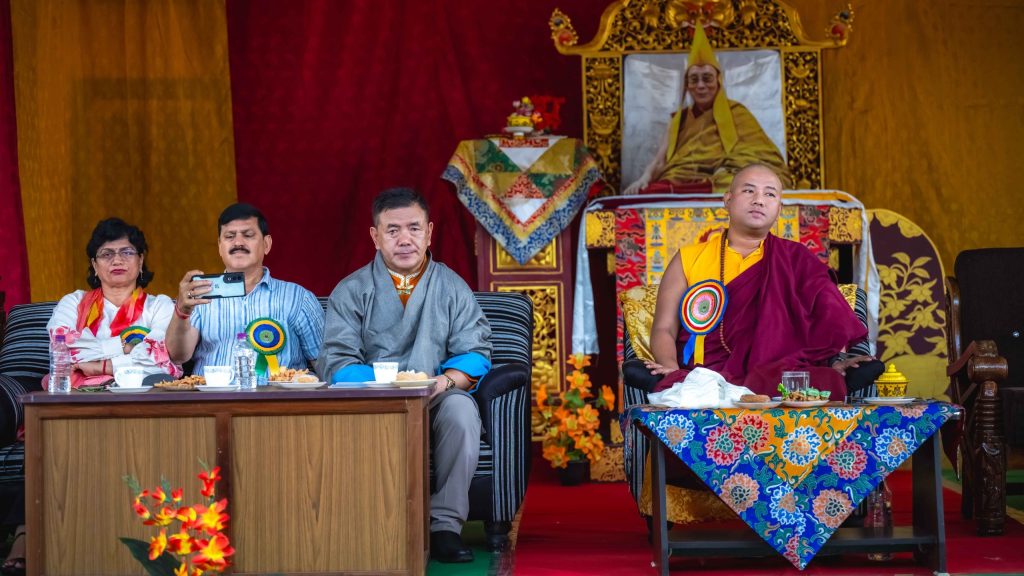
Odisha: The 29th Tibetan Shoton (Yogurt) Festival concluded successfully on 25 March 2026, with a closing ceremony held at the Phuntsokling Tibetan Settlement, drawing over 500 attendees.
The programme was attended by Venerable Lama Sonam Tashi, head of Dudul Rabtenling Monastery of the Nyingma tradition, who served as the Chief Guest. Karma Lodoe Sangpo, local representative of the Central Tibetan Administration, participated as the Special Guest. The event also saw the prominent lamas and monks, Dr. Khushal Sharma (DIG rank, IPS) from Himachal Pradesh, local Tibetan settlement leaders, and representatives of various organisations, school officials, and members of the public.
In his opening address, Dhondup Tsering, Director of the Tibetan Institute of Performing Arts, expressed satisfaction over the successful conclusion of the week-long festival, highlighting efforts to preserve Tibetan culture and promote compassion through traditional celebrations.
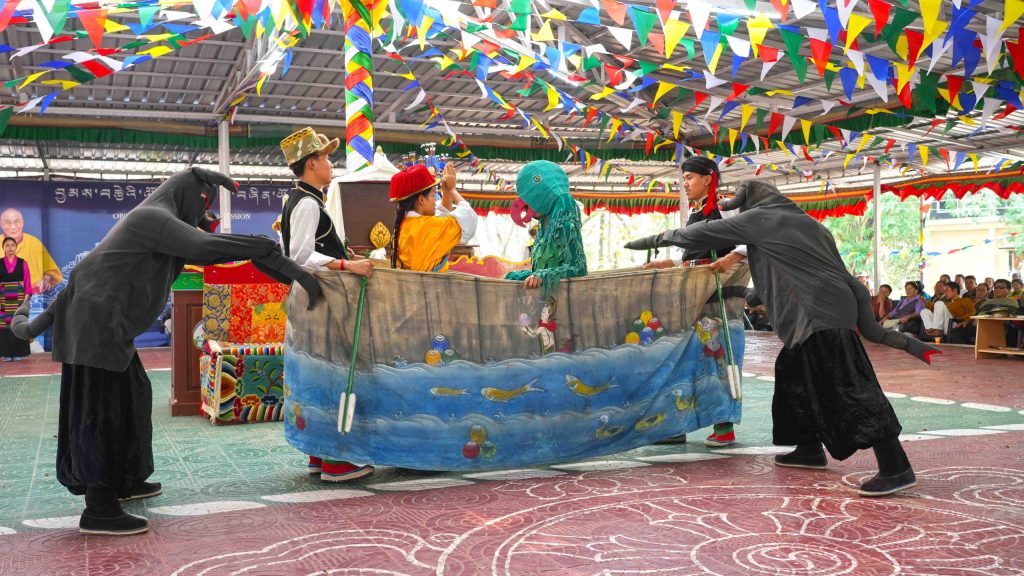
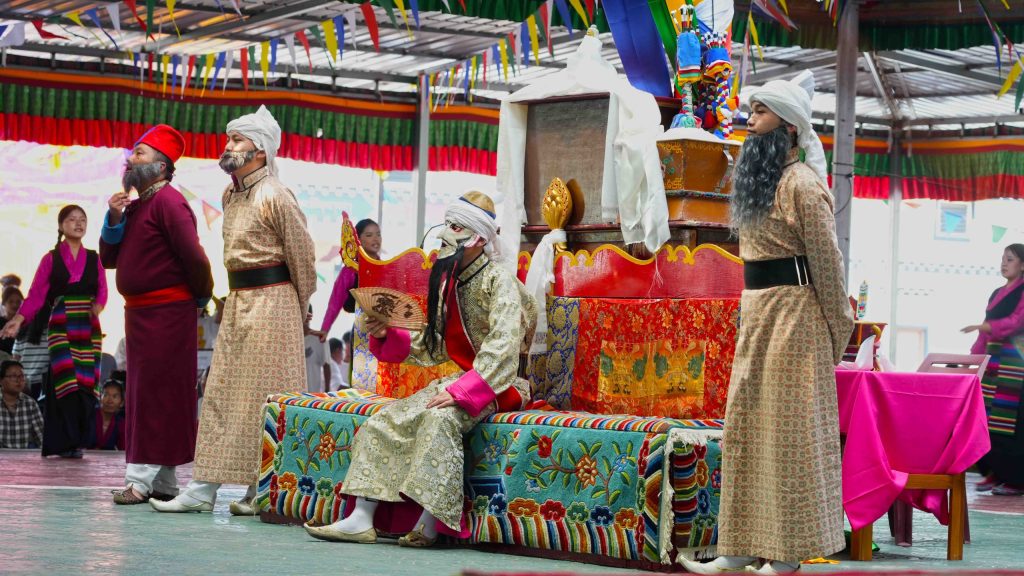
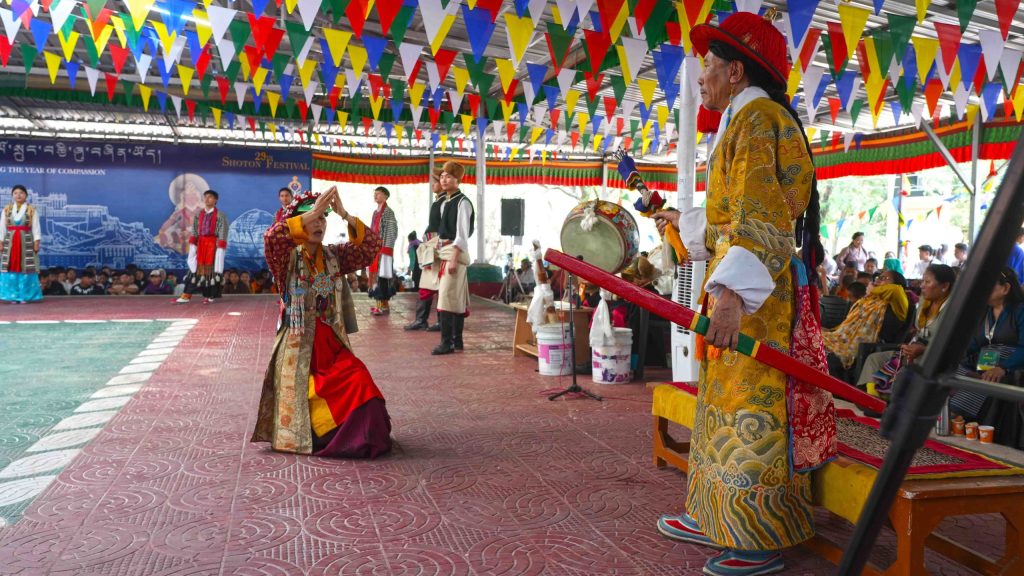
A major highlight of the closing ceremony was a grand performance of the traditional Tibetan opera Pema Woebar, presented by the Tibetan Institute of Performing Arts.
Addressing the gathering, the Chief Guest spoke on the historical significance of Tibetan opera (Lhamo), describing it as a vital expression of Tibetan cultural identity. He emphasised the need for greater public recognition and support for performing artists. Performers were honoured with ceremonial scarves and mementos, while supporters and contributors to the festival were also acknowledged.
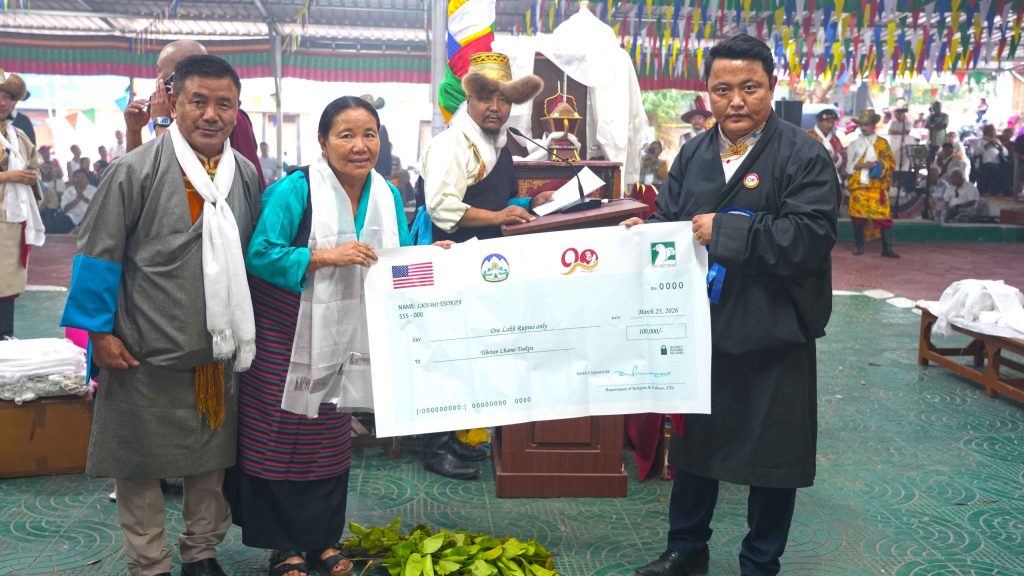
During the event, financial assistance of INR 1,00,000 was awarded to each participating opera troupe on behalf of the Department of Religion and Culture, CTA. Additionally, the Gaden Phodrang Trust contributed INR 7,00,000 to support the continued preservation and development of Tibetan opera.
The festival, held from March 18 to March 25, featured performances by seven opera troupes presenting six traditional operas, including Chungpo Donyo Dondup, Pema Woebar, Life of Sakya Pandita, Gyalsa Bhelsa, Drowa Sangmo, and Jetsun Milarepa.
Despite the overall success, organisers noted areas for improvement in performance quality, including script delivery, coordination, costumes, and stage presentation. They also pointed out that six troupes were unable to participate due to various challenges and expressed hope for greater inclusion in future editions.
The festival concluded with expressions of gratitude to all individuals and organisations who contributed to its success, reinforcing its importance as a key event in the preservation of Tibetan cultural heritage.