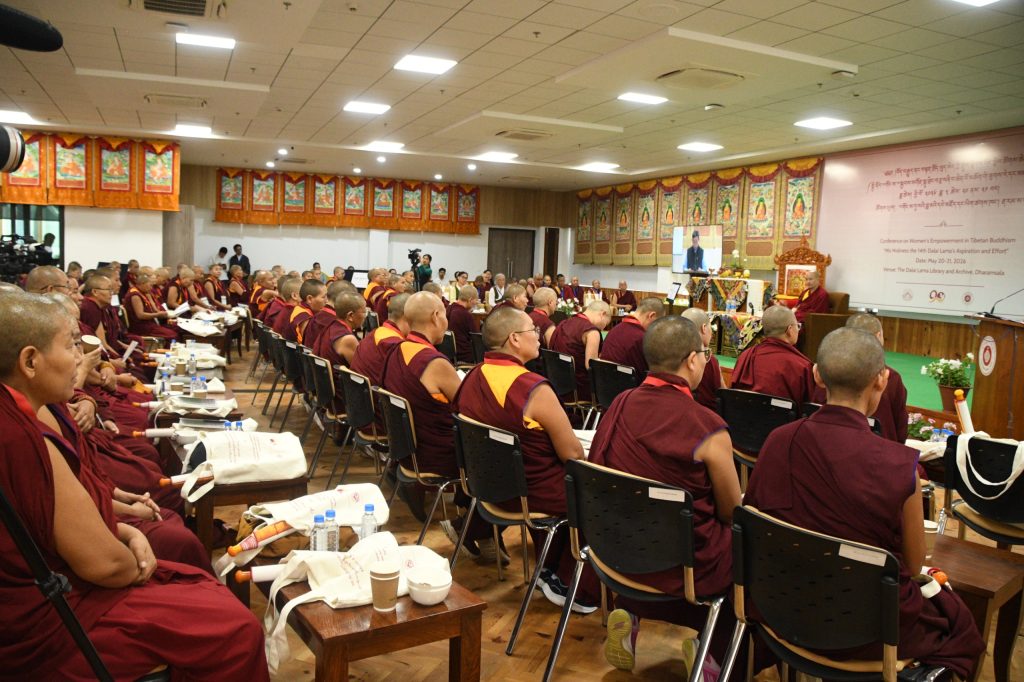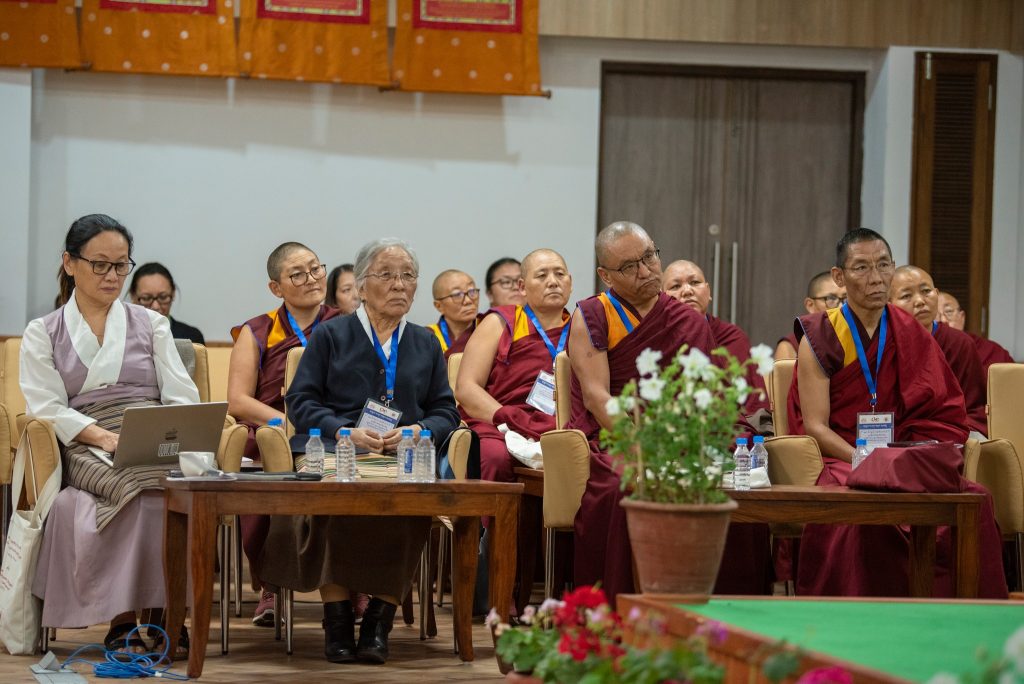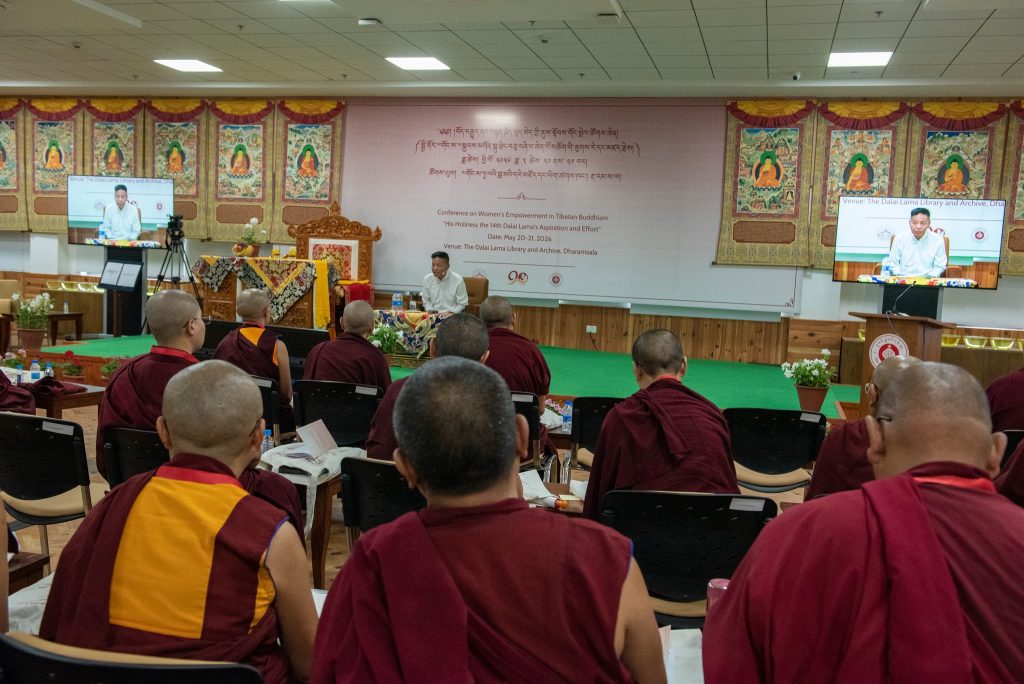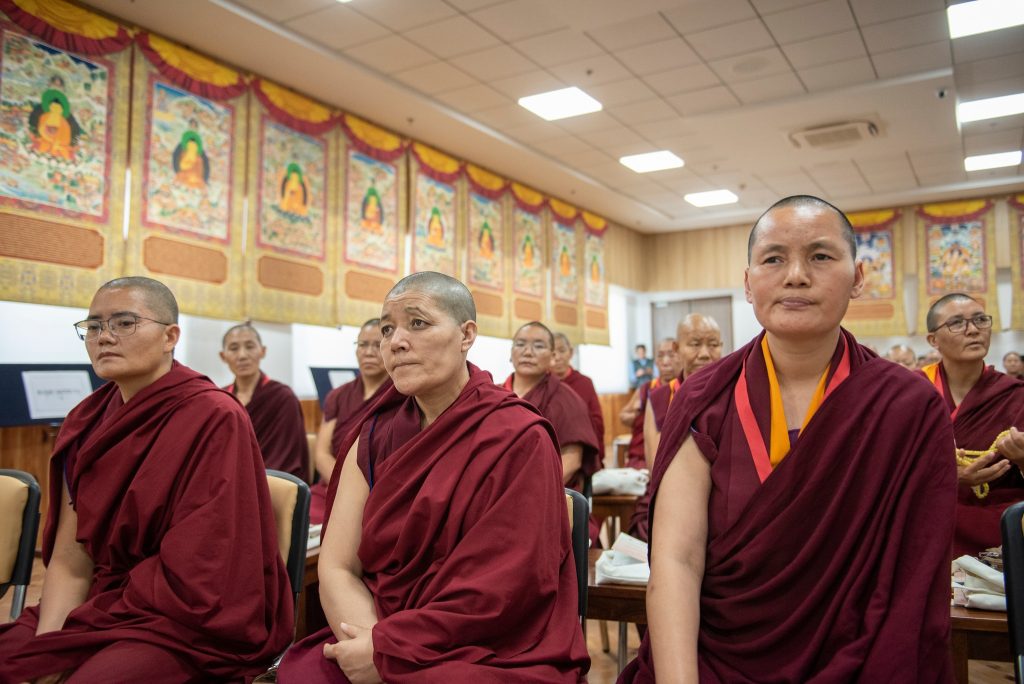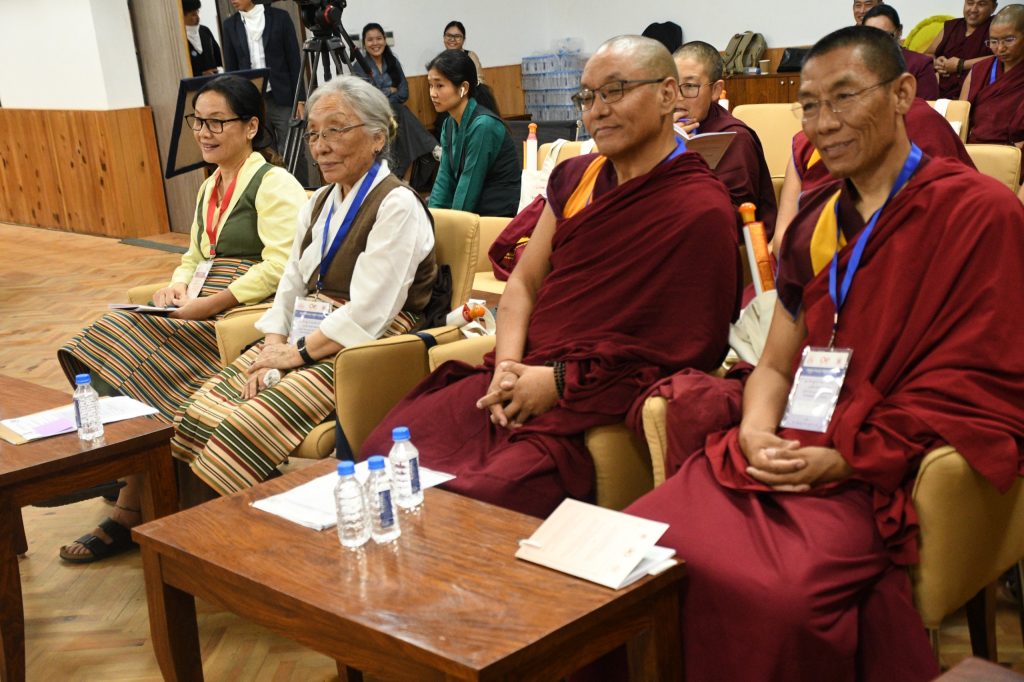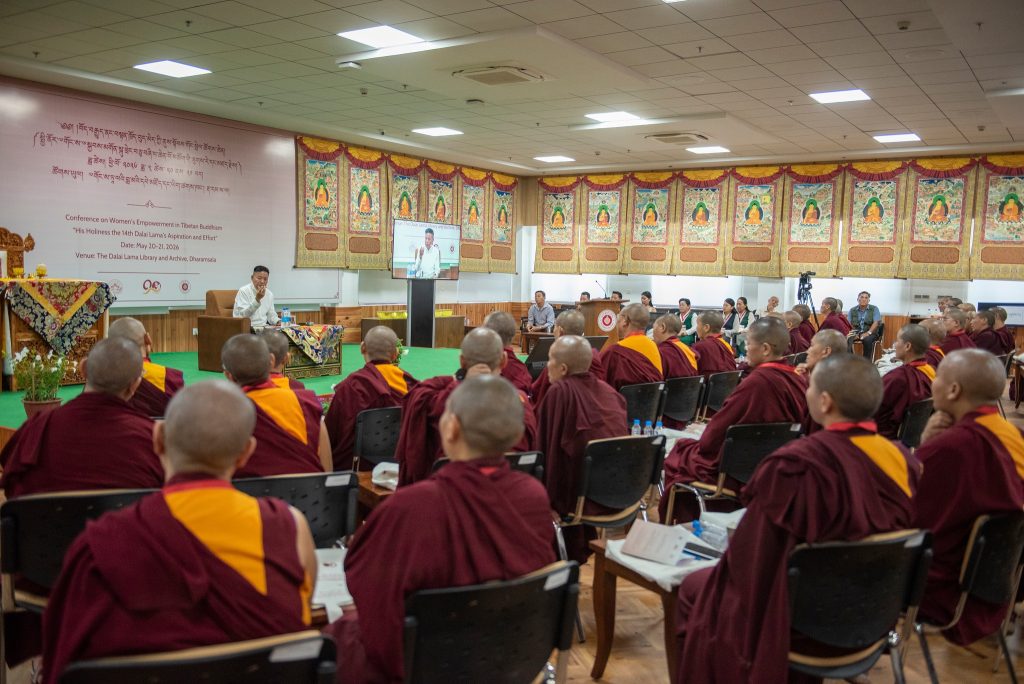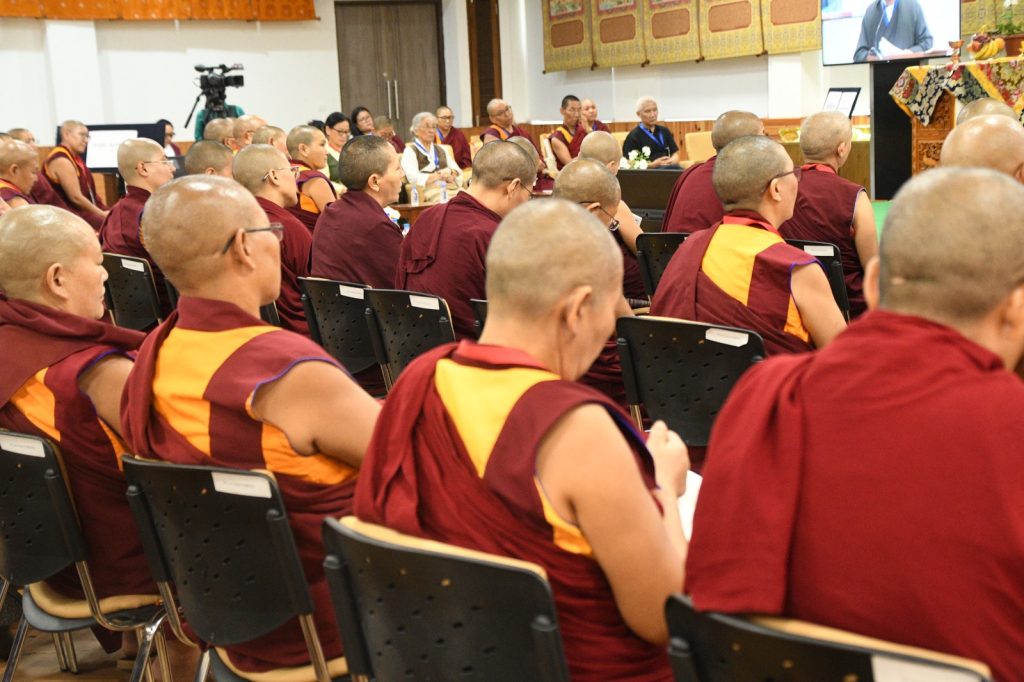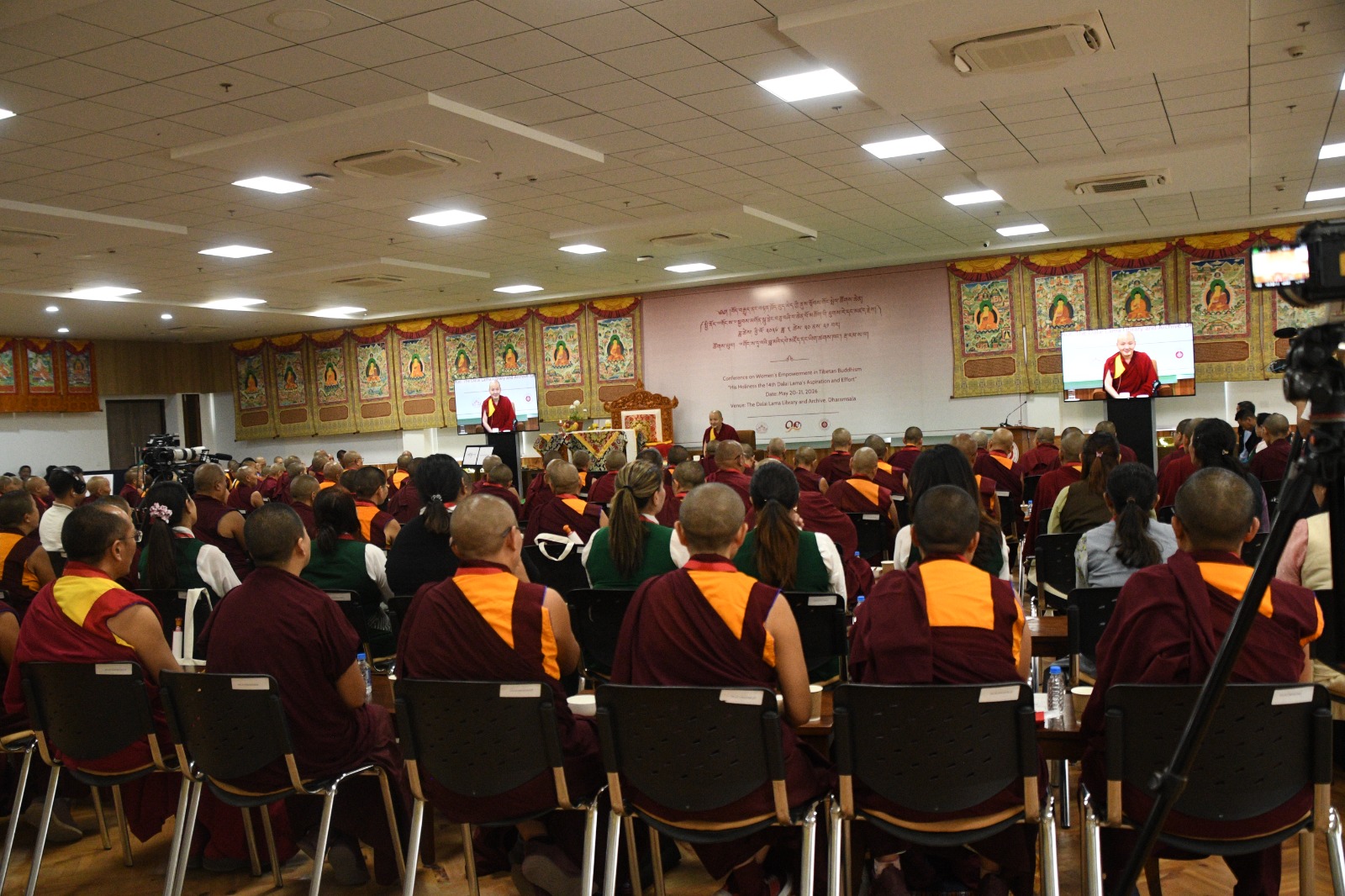
Dharmashala: The two-day Conference on Women’s Empowerment in Tibetan Buddhism, held on 20–21 May 2026 at the Library of Tibetan Works and Archives in Dharamshala, concluded with a closing ceremony attended by Sikyong Penpa Tsering as the chief guest.
The conference commenced on 20 May, inaugurated by Kyabje Kundeling Tatsak Jedrung Rinpoche and aimed to highlight His Holiness the 14th Dalai Lama’s contributions toward strengthening the education, ordination, and recognition of Buddhist women.
The conference was jointly organised by the Dalai Lama Trust and the Department of Religion and Culture, CTA, in recognition of His Holiness the 14th Dalai Lama’s lifelong commitment to advancing gender equality and the empowerment of women within Tibetan Buddhism. The conference sought to highlight His Holiness’s vision and concrete contributions toward strengthening the education, ordination, and recognition of Buddhist women.
Among the dignitaries in attendance were former Kalon Rinchen Khando; Youdon Aukatsang, member of the 17th Tibetan Parliament-in-Exile and Director of the Tibetan Nuns Project; Secretary of the Department of Religion and Culture Dhondul Dorjee; Secretary of the Dalai Lama Trust Jamphel Lhundup; His Holiness the Dalai Lama’s longtime English interpreter Geshe Thupten Jinpa; Director of the Library of Tibetan Works and Archives Geshe Lhakdor; President of the Tibetan Women’s Association Tsering Dolma; Ven. Thupten Yarphel; Academic Principal of Dolma Ling Nunnery and Institute, Geshema Delek Wangmo; Additional Secretary of the Department of Education (CTA) Tenzin Pema; and Head of the Women’s Empowerment Desk at the Department of Finance (CTA) Tenzin Dolkar, among others.
The conference centred on the institutionalisation of the Geshema degree. The conferment of the Geshema degree was described as a historic milestone in Tibetan Buddhism, providing nuns with the opportunity to pursue the highest level of academic study within monastic institutions. Over the past two decades, more than one hundred Geshemas have graduated and are now serving as teachers, leaders, and scholars in nunneries and Buddhist organisations.
The second principal theme focused on the recognition of 21 great Indian and Tibetan Mahasiddhis. His Holiness the Dalai Lama identified 21 prominent female yoginis from India and Tibet in honour of their spiritual realisations and restore in the history of Buddhism. Participants emphasised the importance of acknowledging the contributions of female practitioners within the Buddhist tradition.
The third theme discussed the possibility of establishing Bhikshuni ordination within the Tibetan Mulasarvastivada Vinaya tradition. His Holiness the Dalai Lama has played a significant role in efforts to revive the Bhikshuni ordination lineage in Tibetan Buddhism in collaboration with scholars and monastic institutions. The conference deliberated on the possibility and legal framework for establishing full female ordination within the Tibetan Buddhist tradition.
During the conference, seven Geshemas delivered presentations. The conference brought together 86 participants from 13 nunneries across India and Nepal, including 69 Geshemas and 17 nuns, representing all schools and traditions of Tibetan Buddhism as well as the Yungdrung Bon tradition.
The conference was convened with three main objectives: to reflect on His Holiness the Dalai Lama’s continued commitment to advancing women’s empowerment in Tibetan Buddhism, review the current progress and future direction of education and recognition for Buddhist women, and strengthen dialogue and collaboration among monastic institutions, educational centres, and lay society.
Discussions over the two days covered the history and evolution of the Geshema degree conferment system, the raising of academic standards and curriculum development, institutional support and recognition, the leadership role of Geshemas in society and monastic institutions, future prospects, international recognition and collaboration, biographies of the 21 female Mahasiddhis of Tibet and India, and His Holiness the Dalai Lama’s efforts toward the restoration of Bhikshuni ordination within the Mulasarvastivada Vinaya tradition, among other topics.