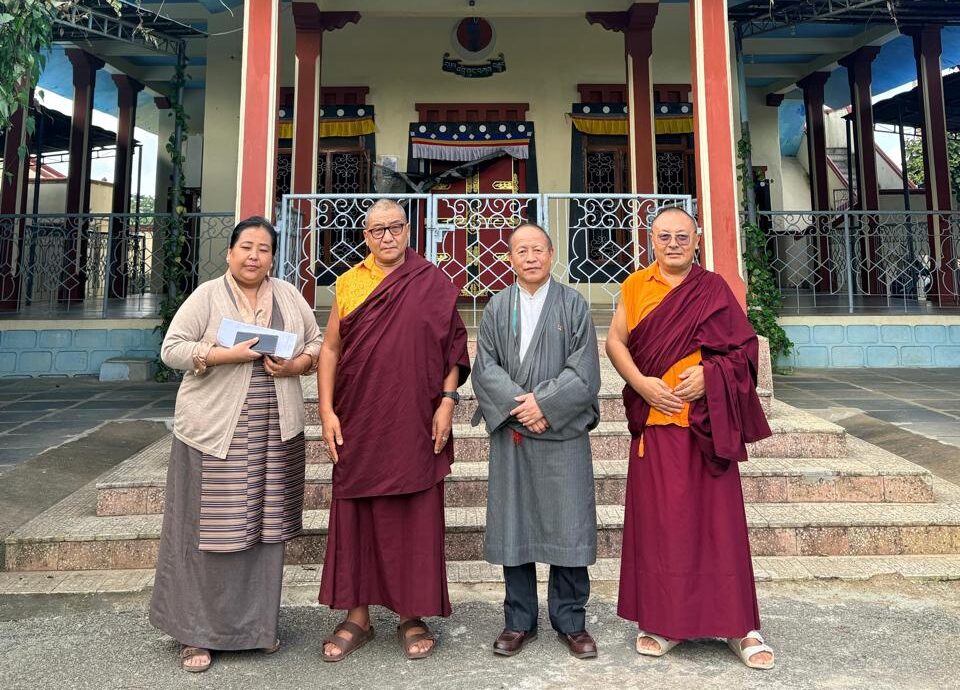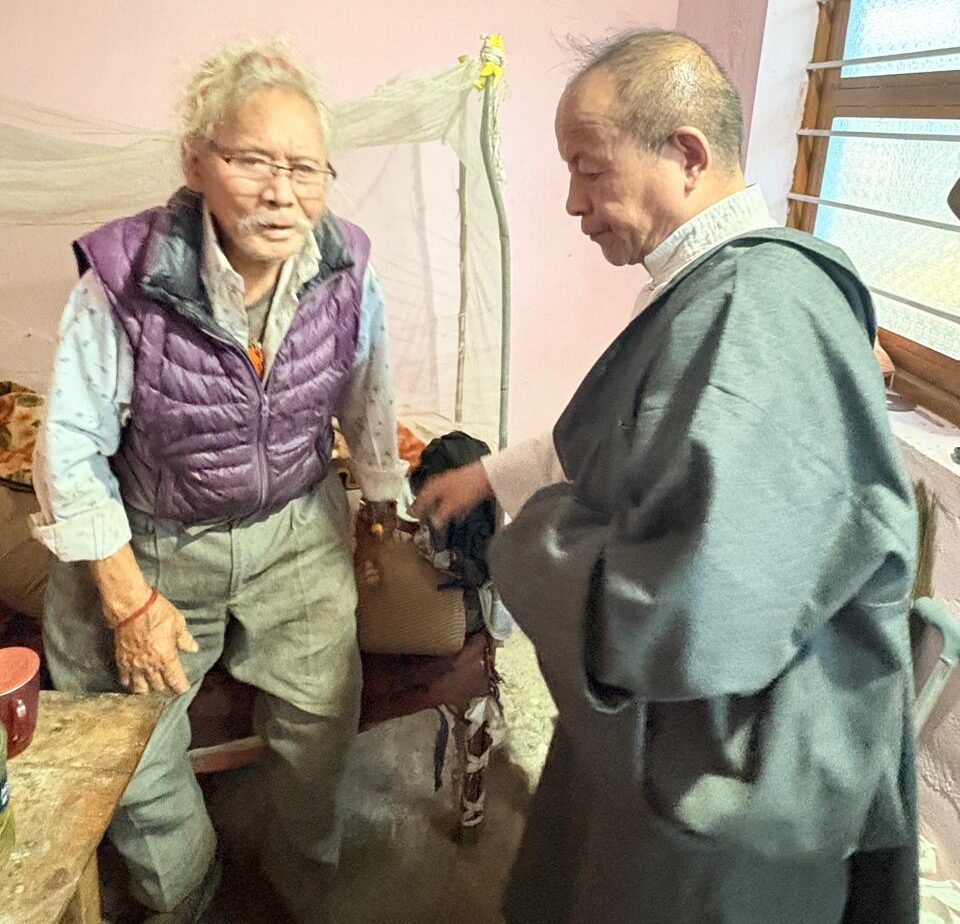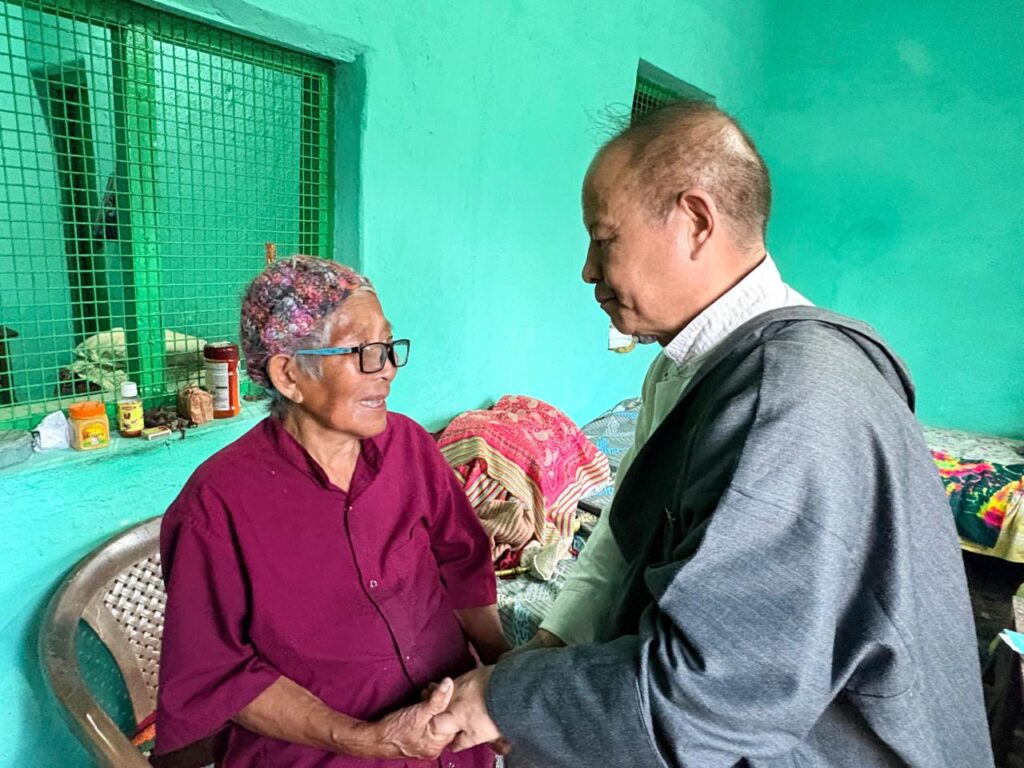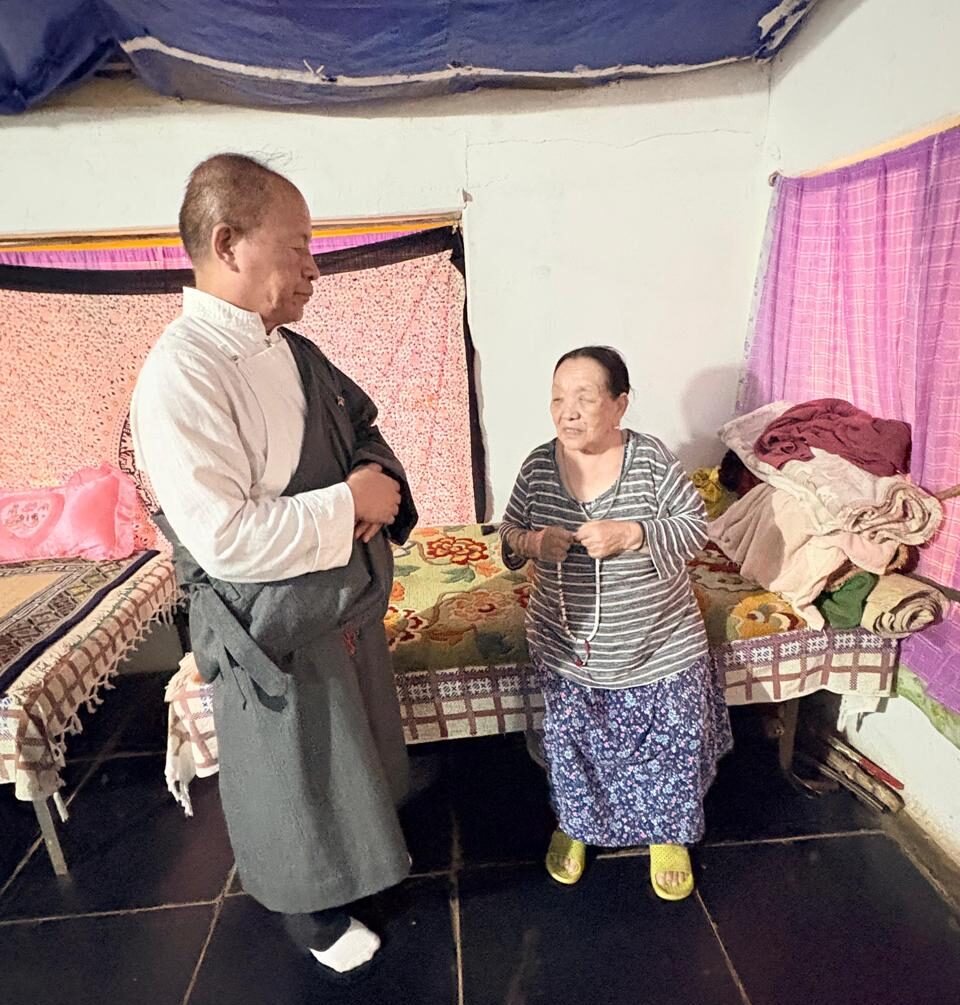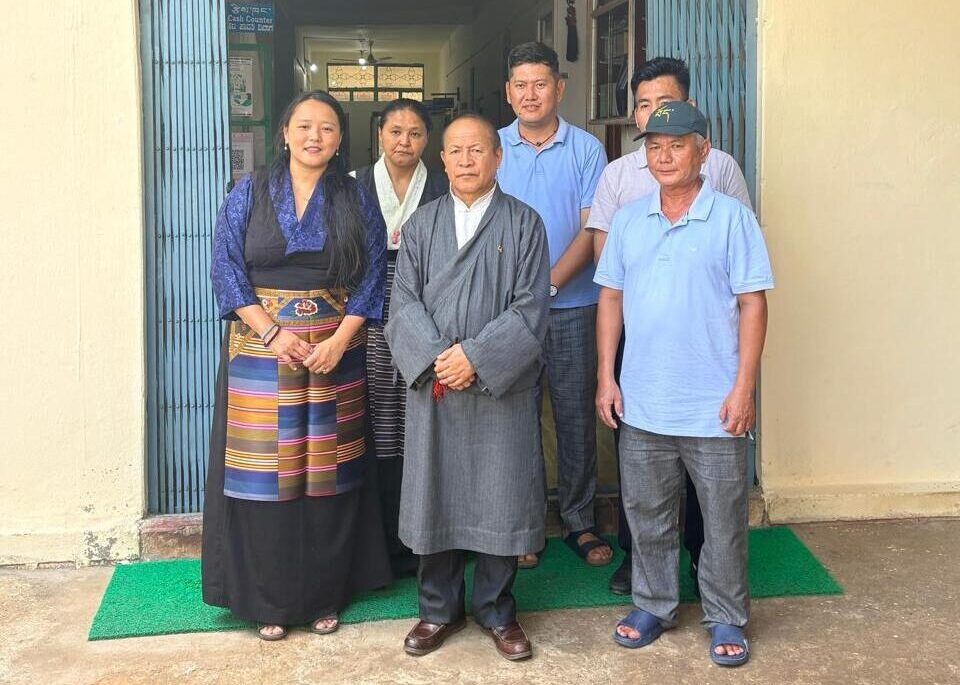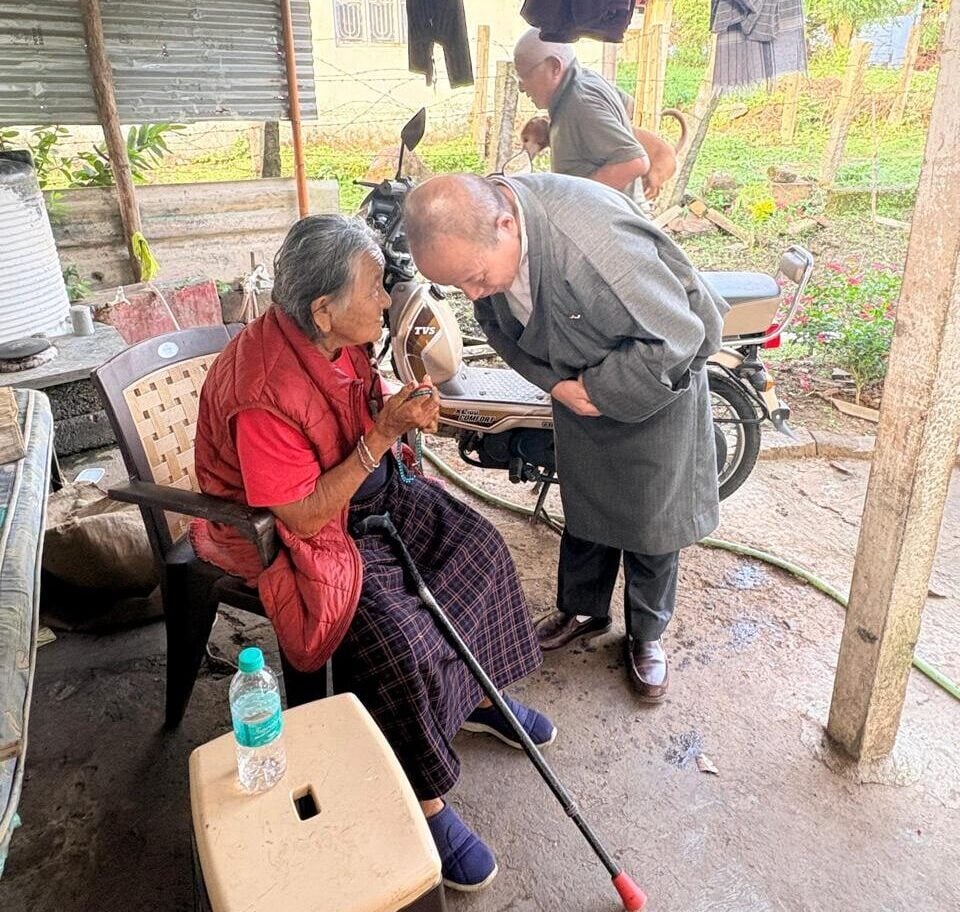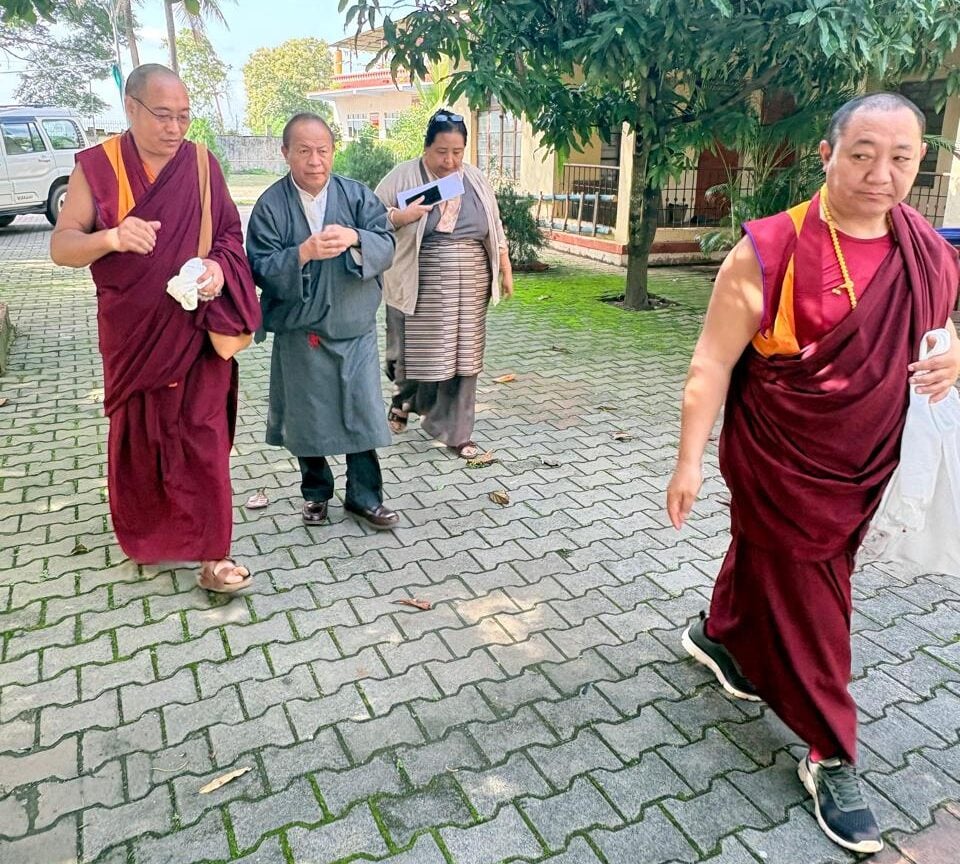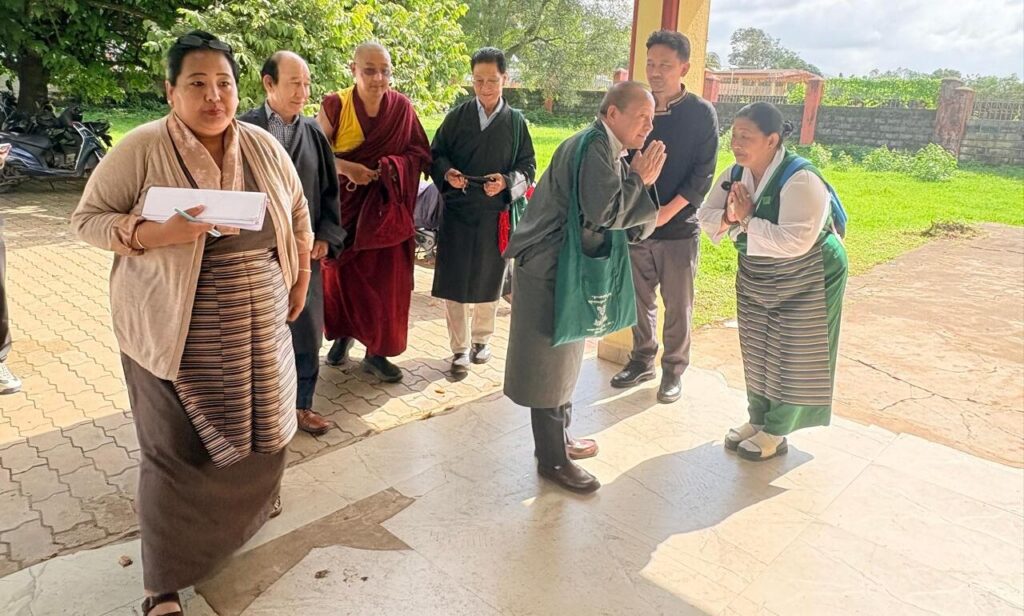
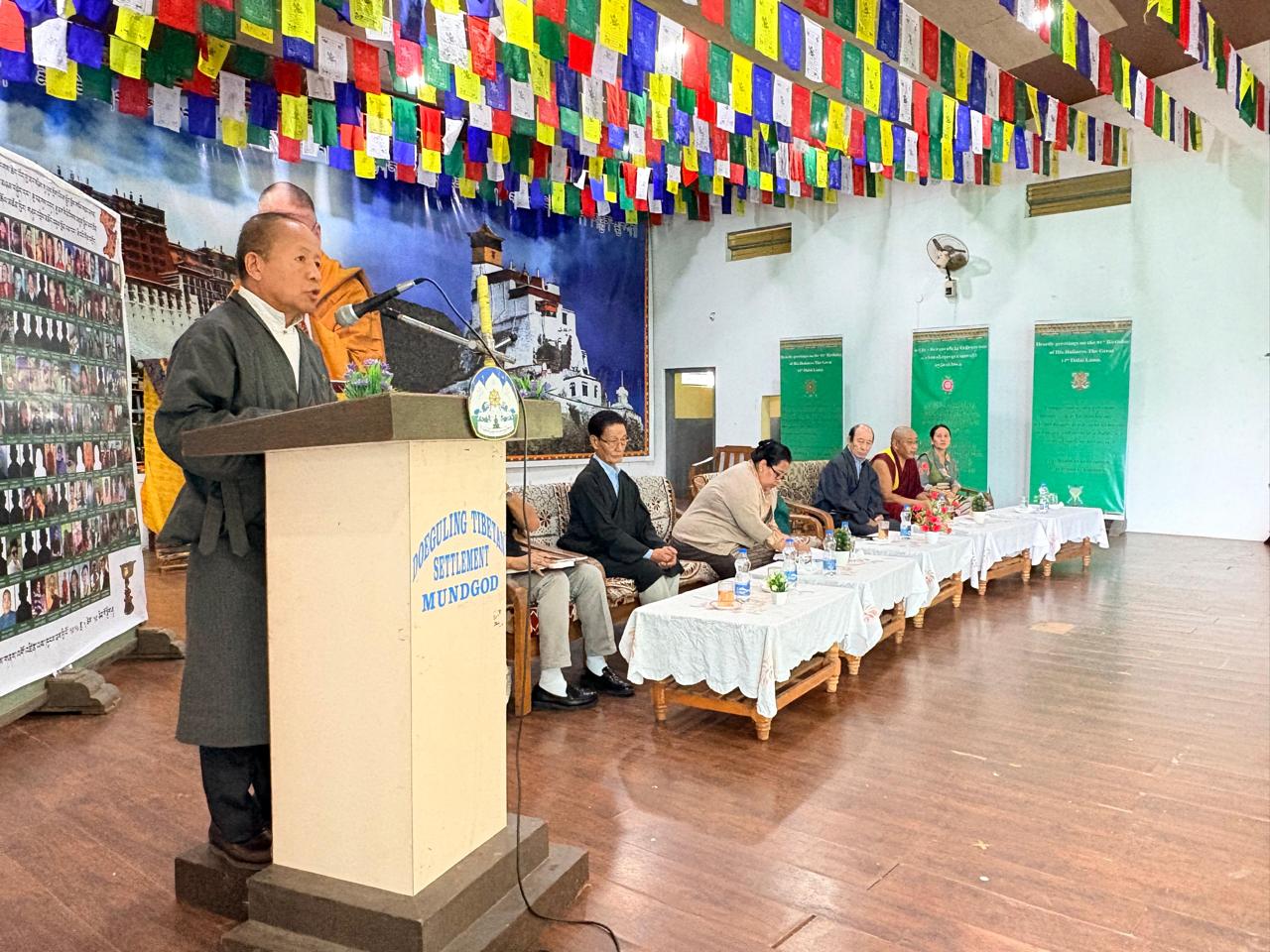
Dharamshala: On the fifth day of his visit to Mundgod, Kalon Tsegyal Chukya Dranyi of the Department of Religion and Culture (CTA) addressed a public gathering at the main community hall of Doeguling Tibetan Settlement. He subsequently visited Thoeding Monastery, the Men-Tsee-Khang branch and Sambhota Tibetan School in Camp No. 6, as well as Bokar Thoesam Norling Monastery, Norbu Ri and Drikung Kagyu Dechen Choekyi Ling. He also visited several elderly and vulnerable residents across three settlement camps to learn about their living conditions and welfare.
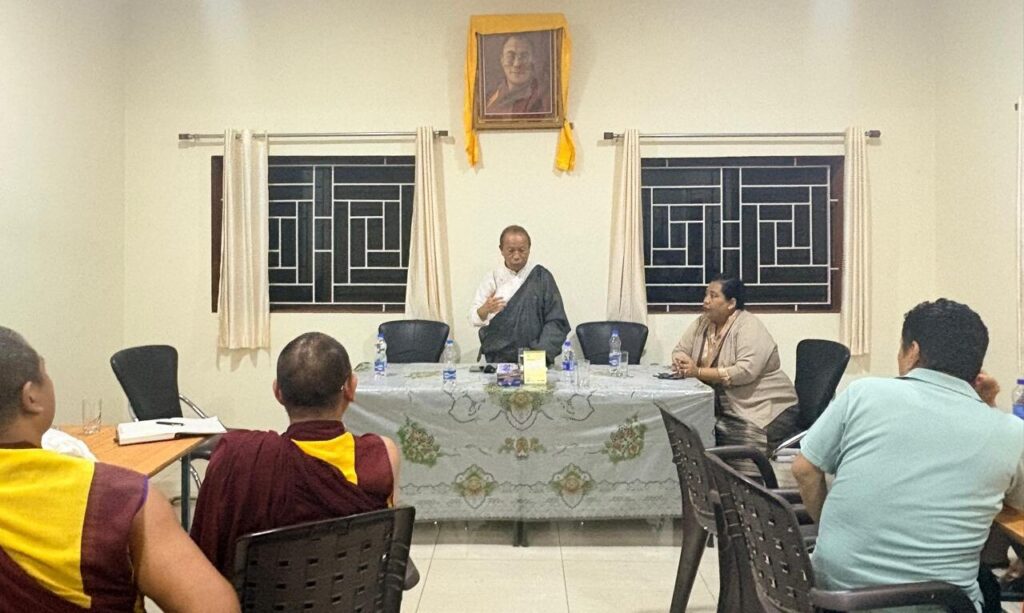
During the public address at 9:30 am, the Kalon outlined the overall approach and priorities of the 17th Kashag and introduced key programmes of the Department of Religion and Culture.
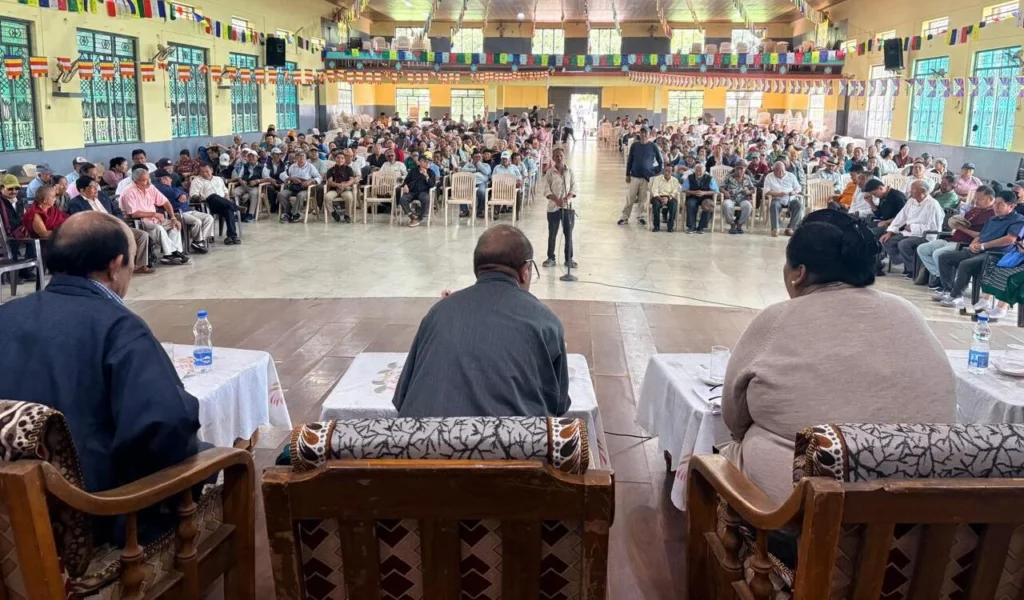
The Kalon said the 17th Kashag’s primary responsibility is to fulfil the aspirations of His Holiness the Dalai Lama and to ensure that it does not fall short of His Holiness’ expectations. He also stressed the importance of ensuring that Tibetans inside Tibet do not lose hope in the Tibetan community in exile. He further emphasised the Kashag’s commitment to responding firmly and comprehensively to those who make derogatory remarks against His Holiness.
The Kalon explained that the work of the 17th Kashag will be carried out in accordance with the law, without discrimination based on religious tradition or region, while upholding fairness, strengthening collective efforts and proceeding in a systematic manner. Regarding the security of His Holiness the Dalai Lama, he said cooperation with the Government of India would be pursued with even greater dedication. On the issue of His Holiness’ reincarnation, he said continued support would be sought from the United States and the 38 countries that have already expressed their support.
The Kalon also stated that the administration would maintain respectful engagement with the other two pillars of Tibetan democracy and autonomous bodies, while respecting their respective authorities and responsibilities. He emphasised that care would be taken to ensure that the administration does not interfere in ways that could undermine the standing or functioning of non-governmental Tibetan organisations.
He also spoke about ongoing efforts to modernise the Central Tibetan Administration’s electronic records and digital archive systems in line with technological developments. He introduced several key programmes of the Department of Religion and Culture, including the department’s Neykor App and digital library initiative, before responding to questions from members of the public.
Following lunch, the Kalon visited the Men-Tsee-Khang branch in Camp No. 6, where he met with sMenpa and staff and urged them to treat patients with kindness and compassion.
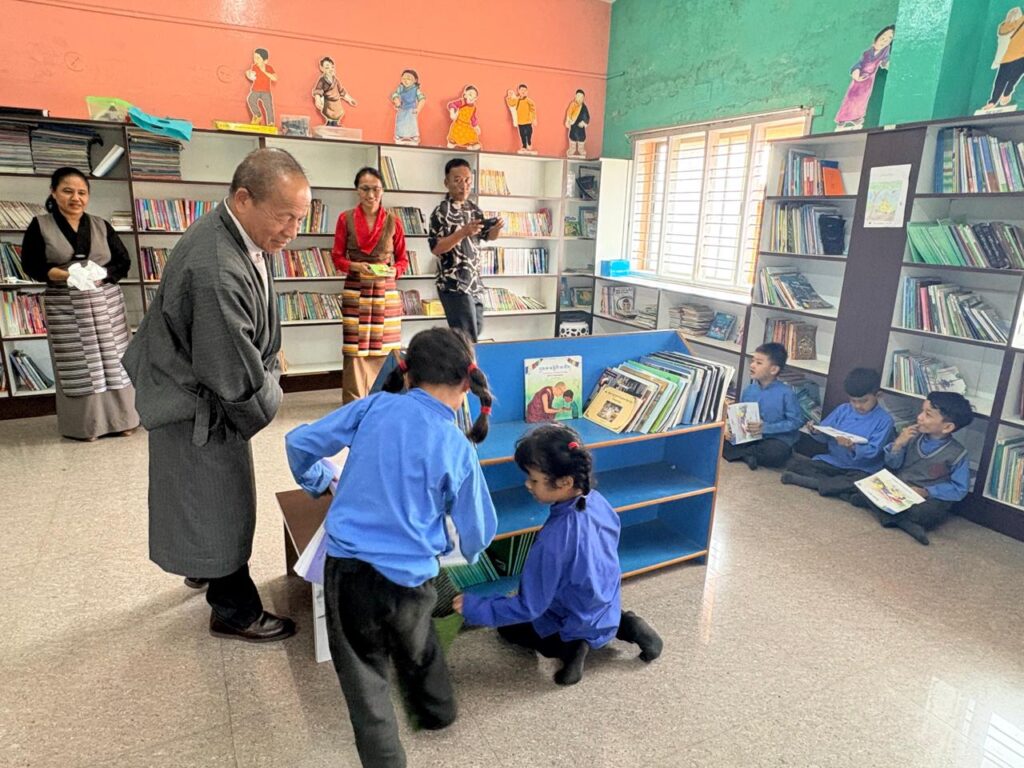
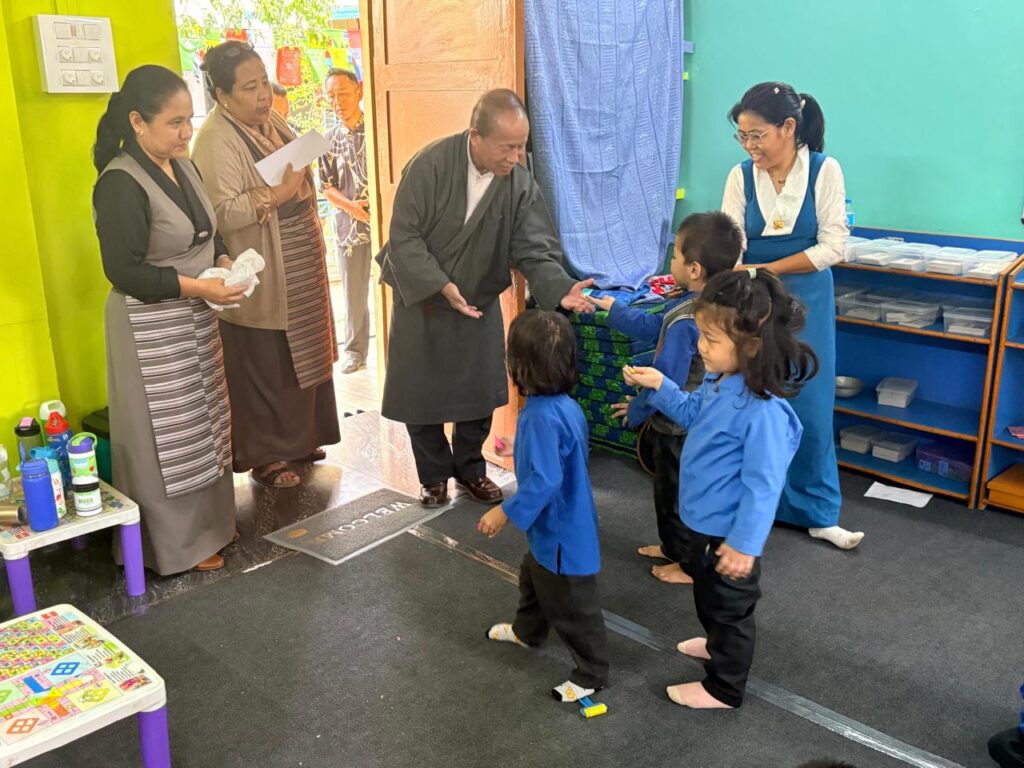
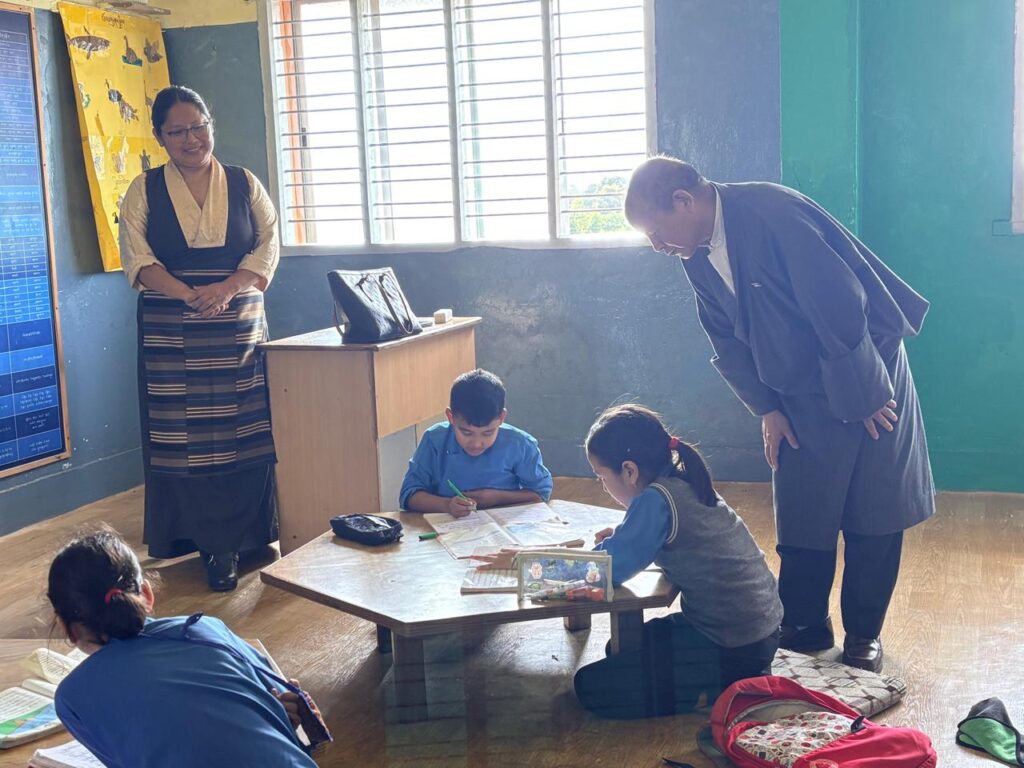
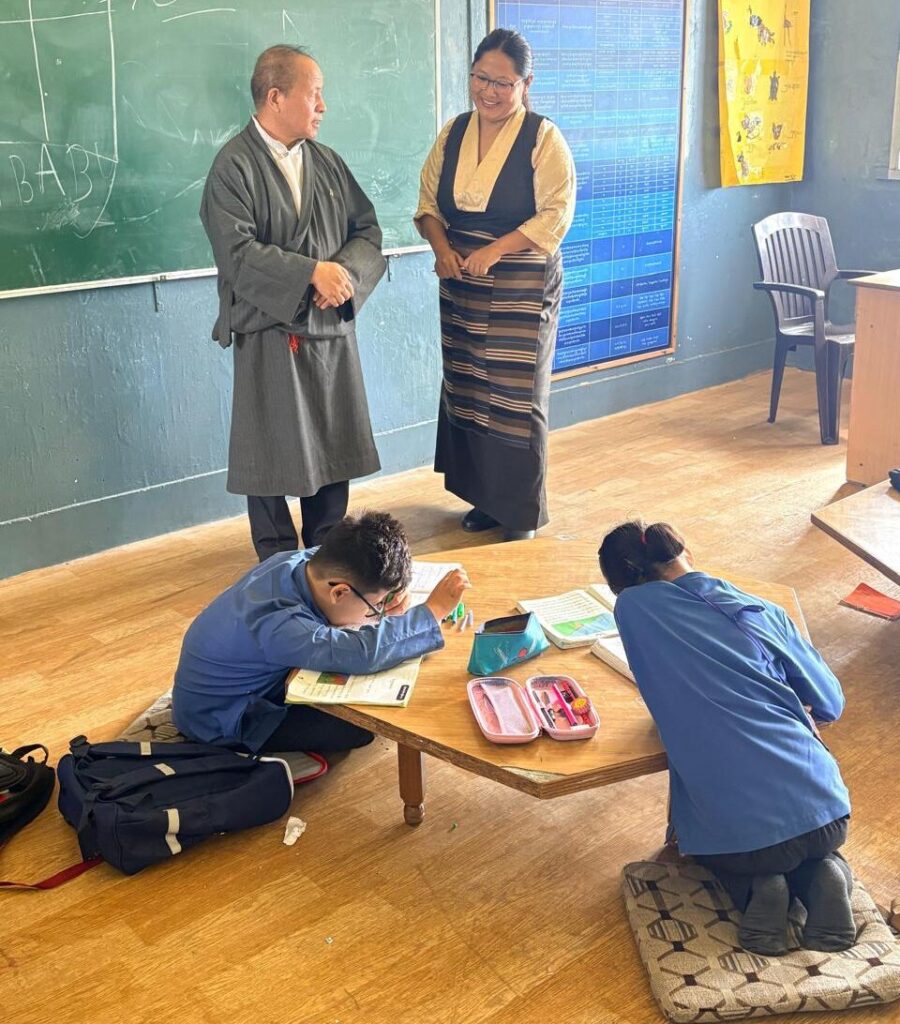
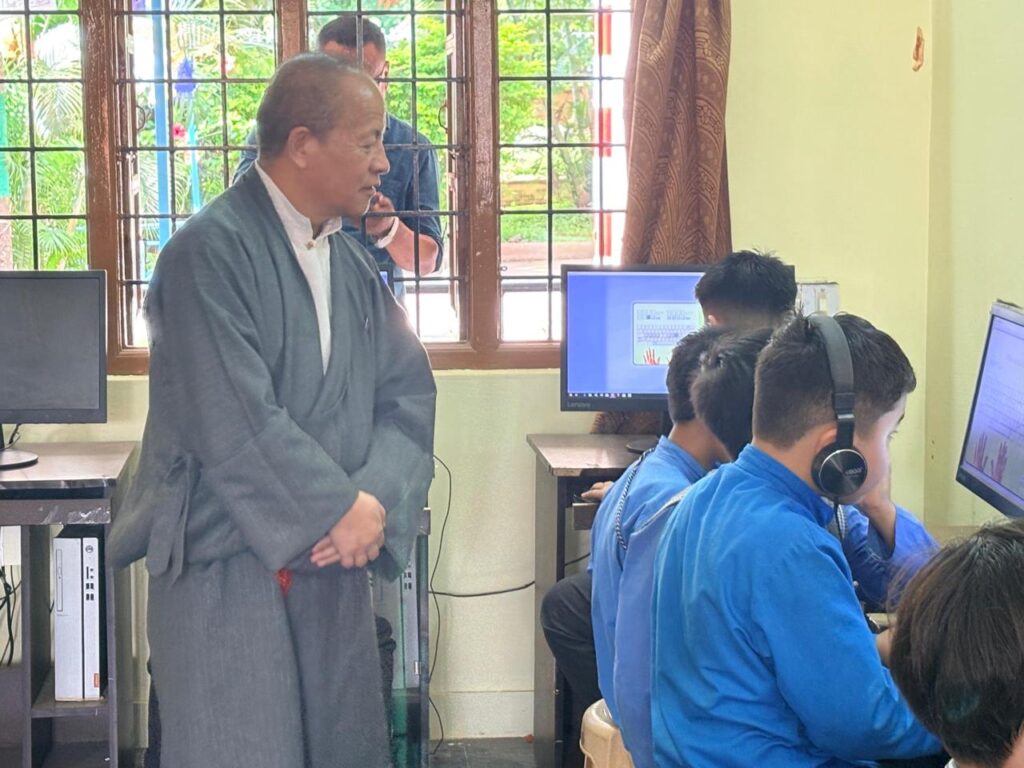
The Kalon then visited Sambhota Tibetan Primary School in Camp No. 6, where he toured the classrooms and library.
He subsequently visited Bokar Thoesam Norling Monastery, Norbu Ri and Drikung Kagyu Dechen Choekyi Ling, engaging in discussions with representatives and members.
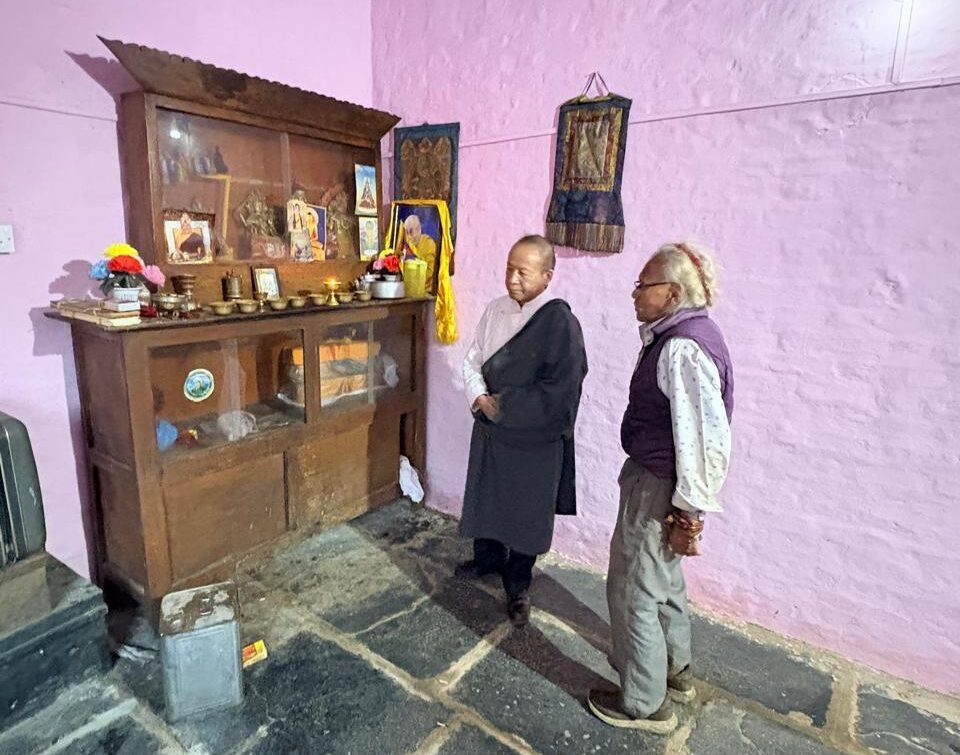
He also visited elderly and vulnerable residents in Camp Nos. 4, 3 and 1—households Nos. 50 and 44 in Camp No. 4, Nos. 24 and 36 in Camp No. 3, and No. 10 in Camp No. 1—to enquire about their welfare and needs.
At 7:00 pm, the Kalon addressed a luncheon organised by 26 local associations of Mundgod. Reflecting on his years of government service, he said that direct engagement with the public had been particularly meaningful to him, recalling his work with Tibetan children with special needs in Sidhbari. He described community service as a privilege and emphasised that differences of opinion are natural in a democracy but should not divide the Tibetan community.
He concluded by urging local leaders and association representatives to work together in unity and solidarity for the benefit of the community.