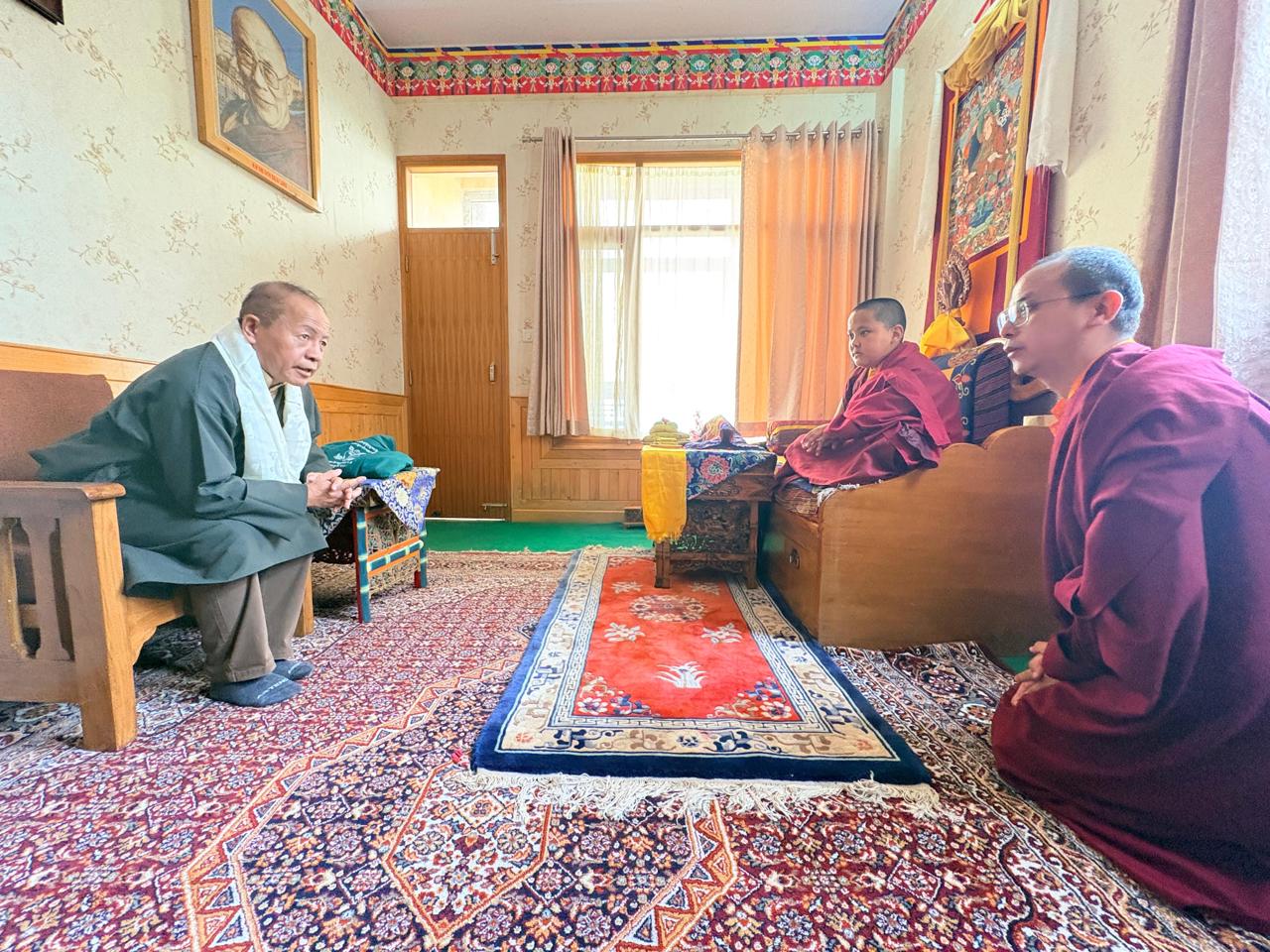
Dharamshala: Kalon Tsegyal Chukya Dranyi arrived in Shimla following his official engagements in Dolanji, where he visited Tibetan institutions and received an audience with Kyabje Taklung Tsetrul Rinpoche.
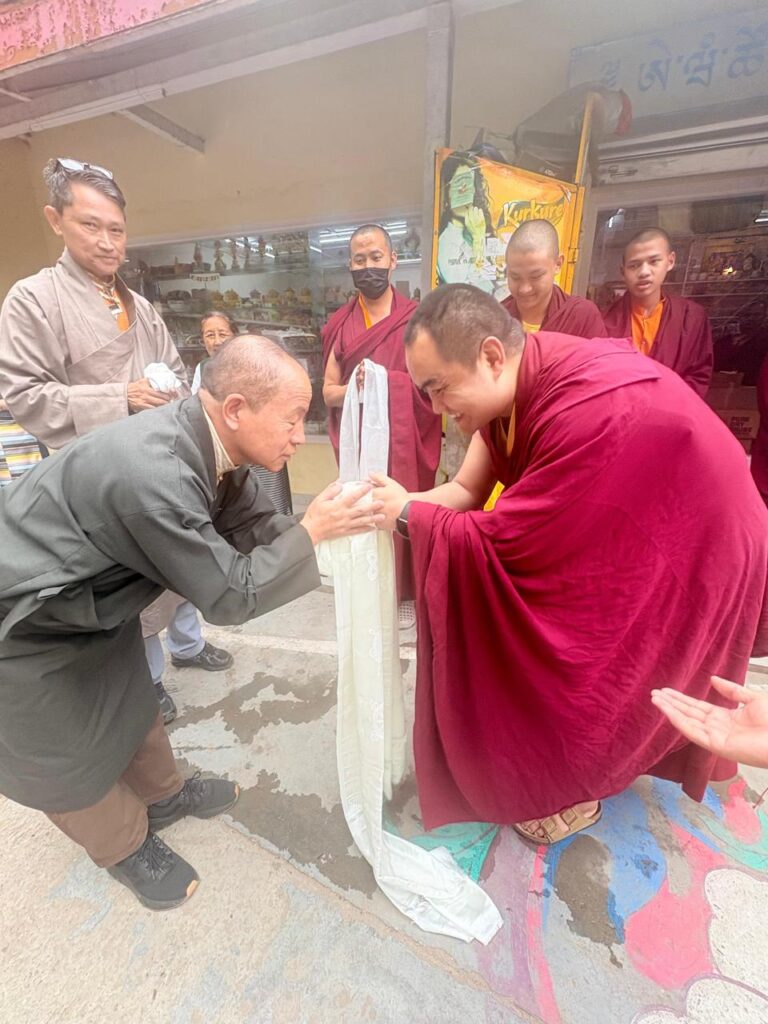
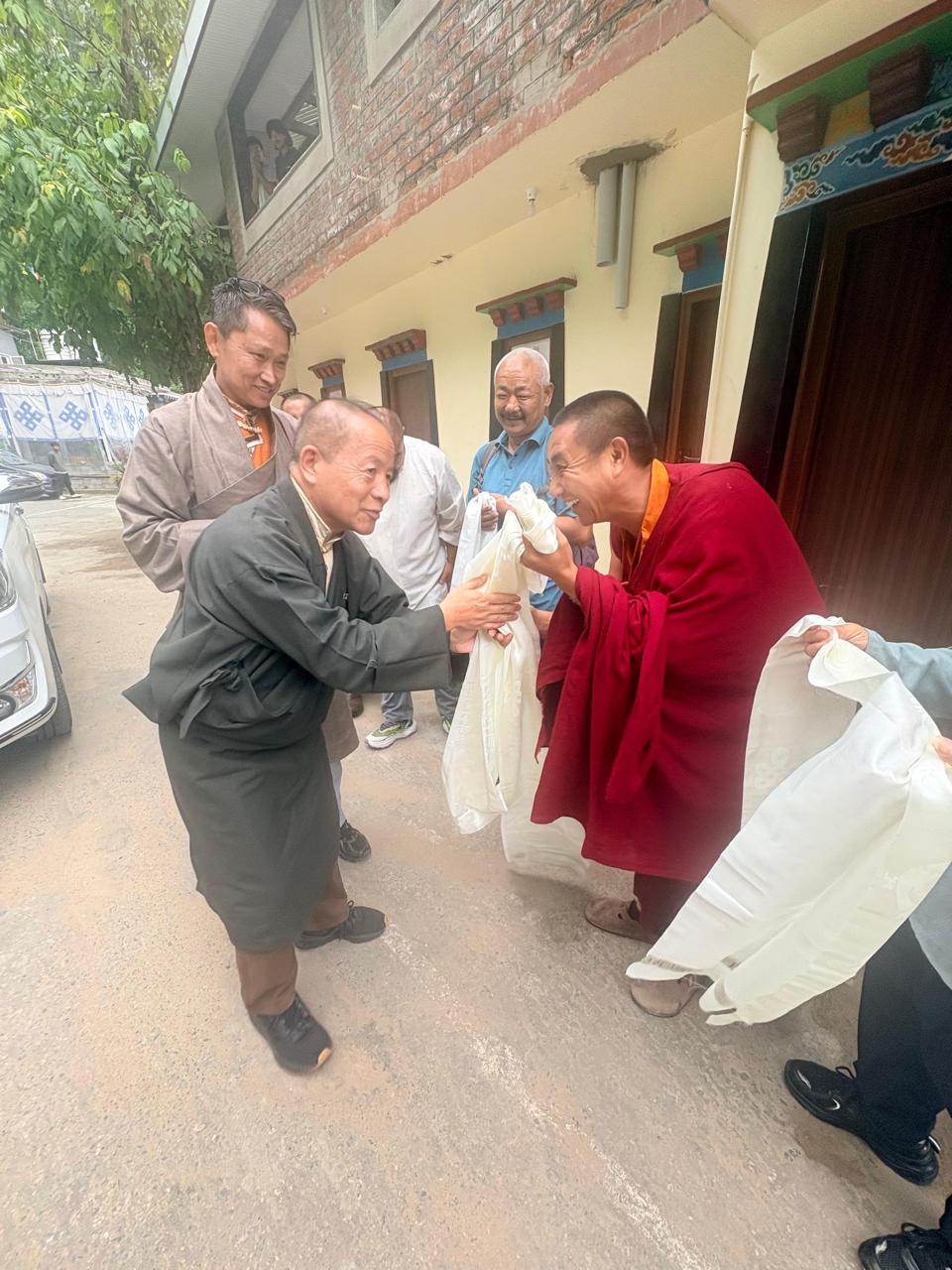
Upon arrival, the Kalon was warmly received by the Chief Representative Officer of Shimla, the Administrator of Thupten Dorje Drak Ewam Chogar, the Chairman of the Local Tibetan Assembly, the President of the Regional Tibetan Freedom Movement, and the Director of the Tibetan Refugee Self Help Handicraft Society.
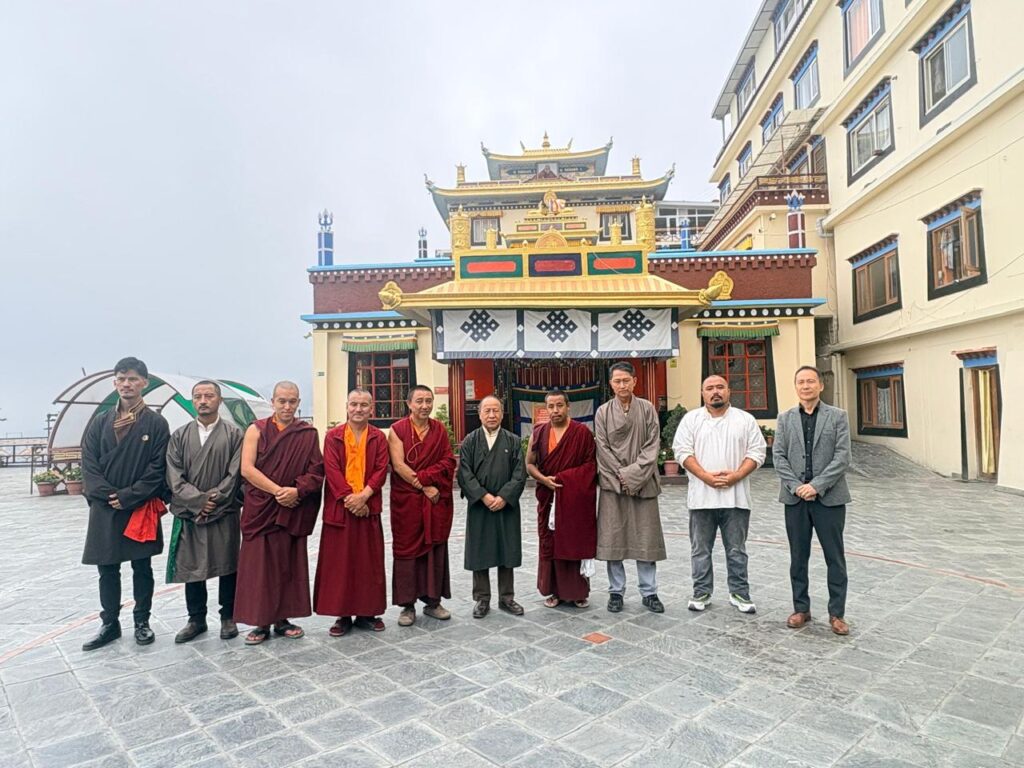
Thereafter, the Kalon visited Thupten Dorje Drak Ewam Chogar and received a special audience with Kyabje Taklung Tsetrul Rinpoche.
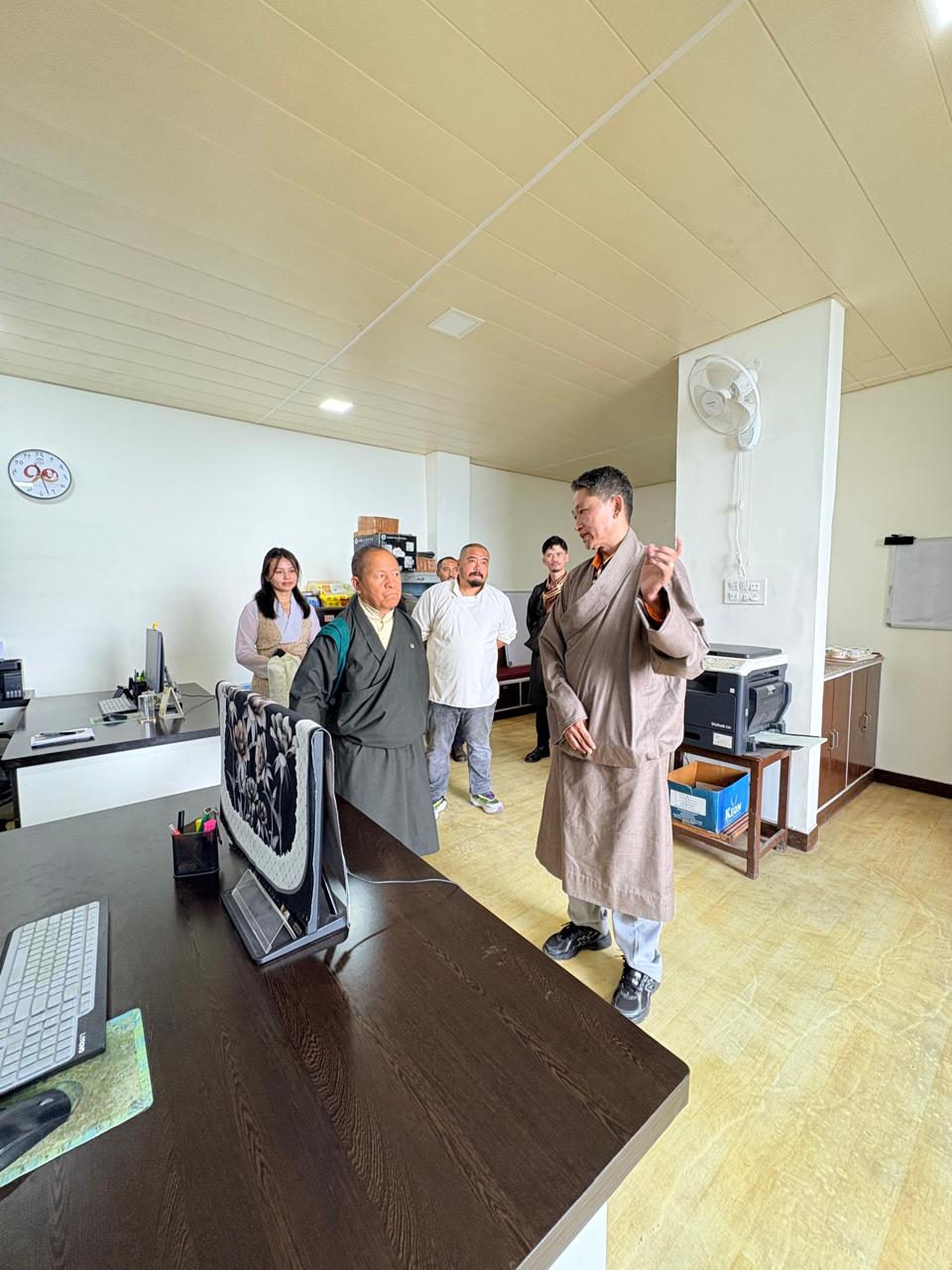
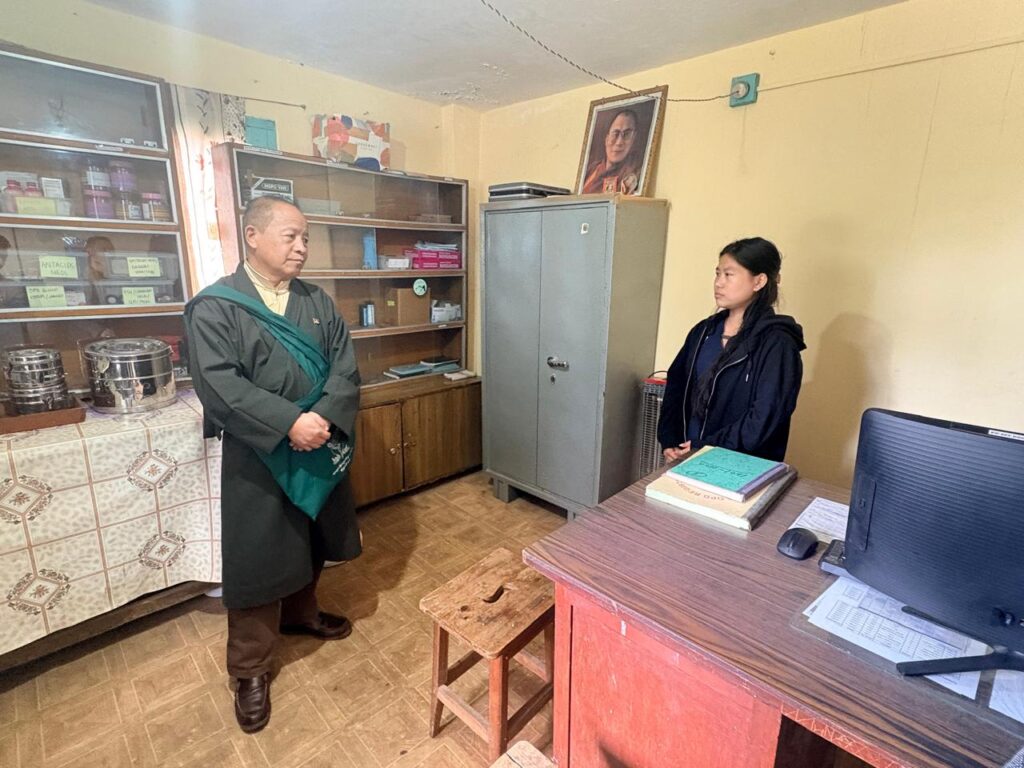
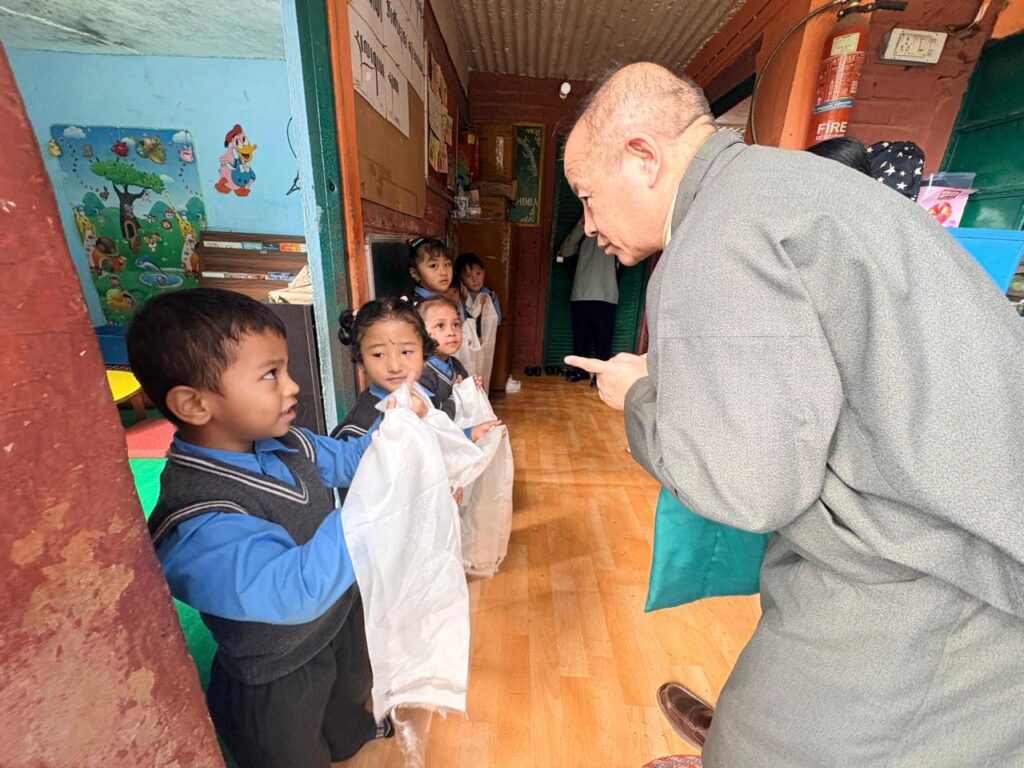
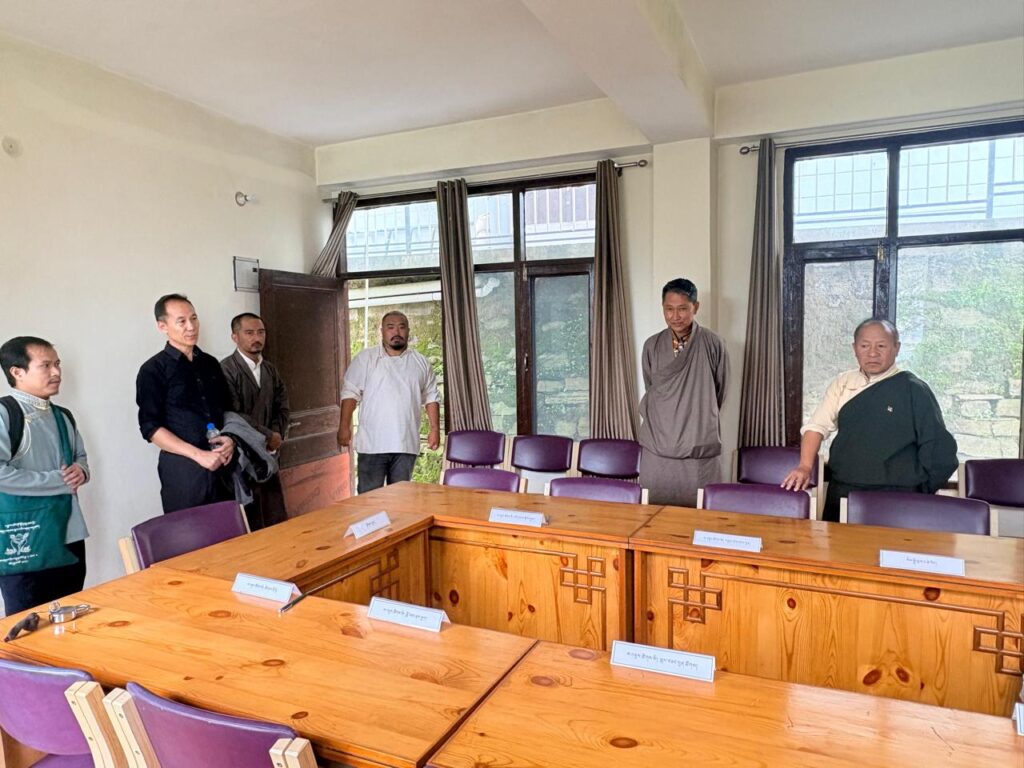
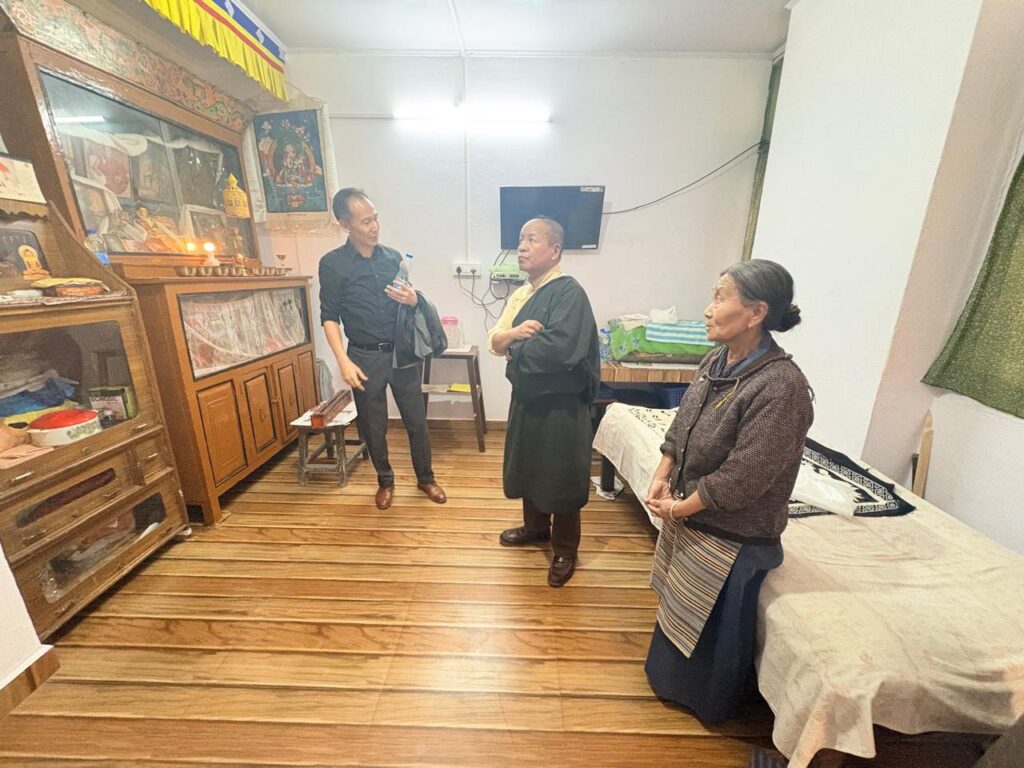
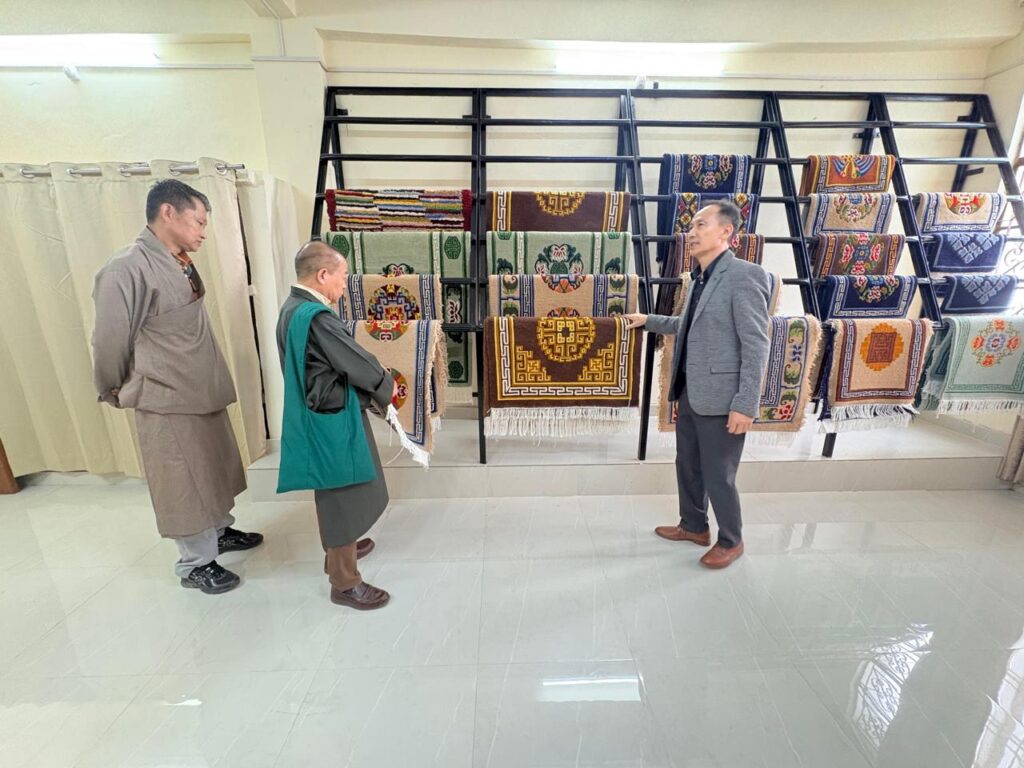
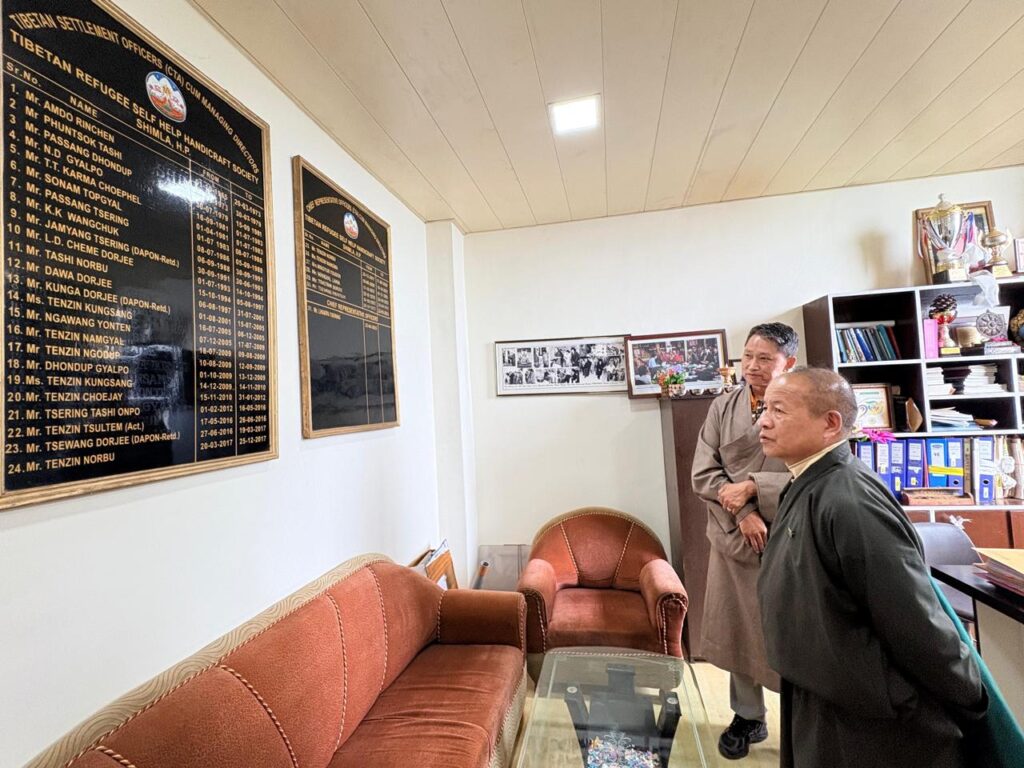
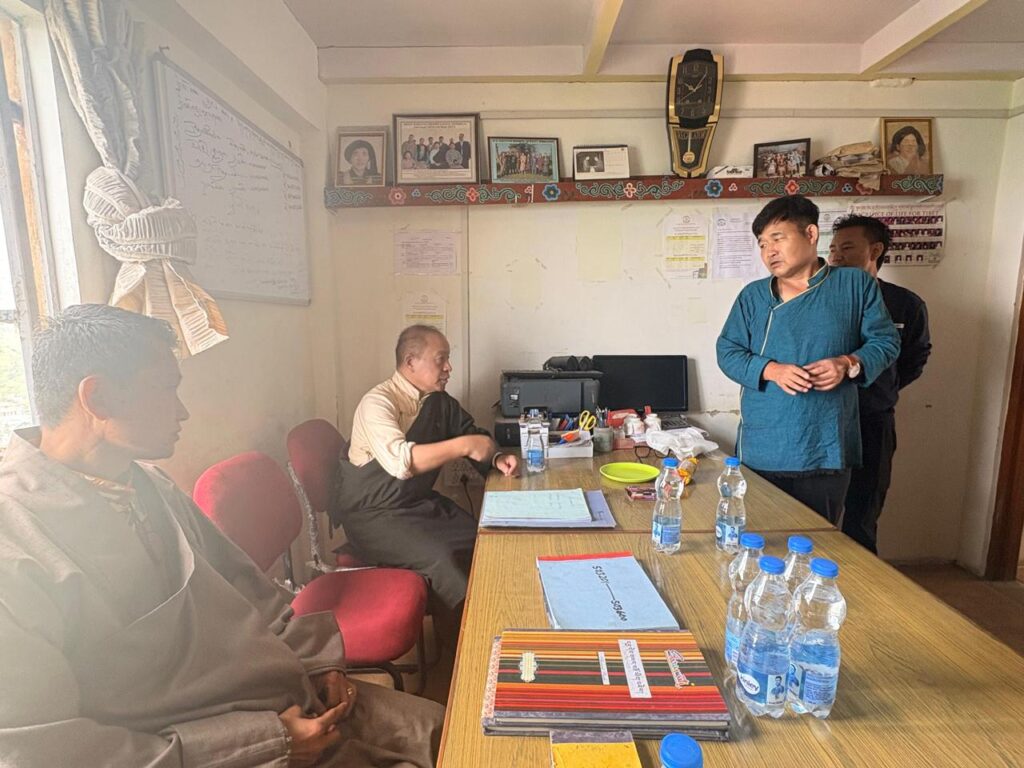
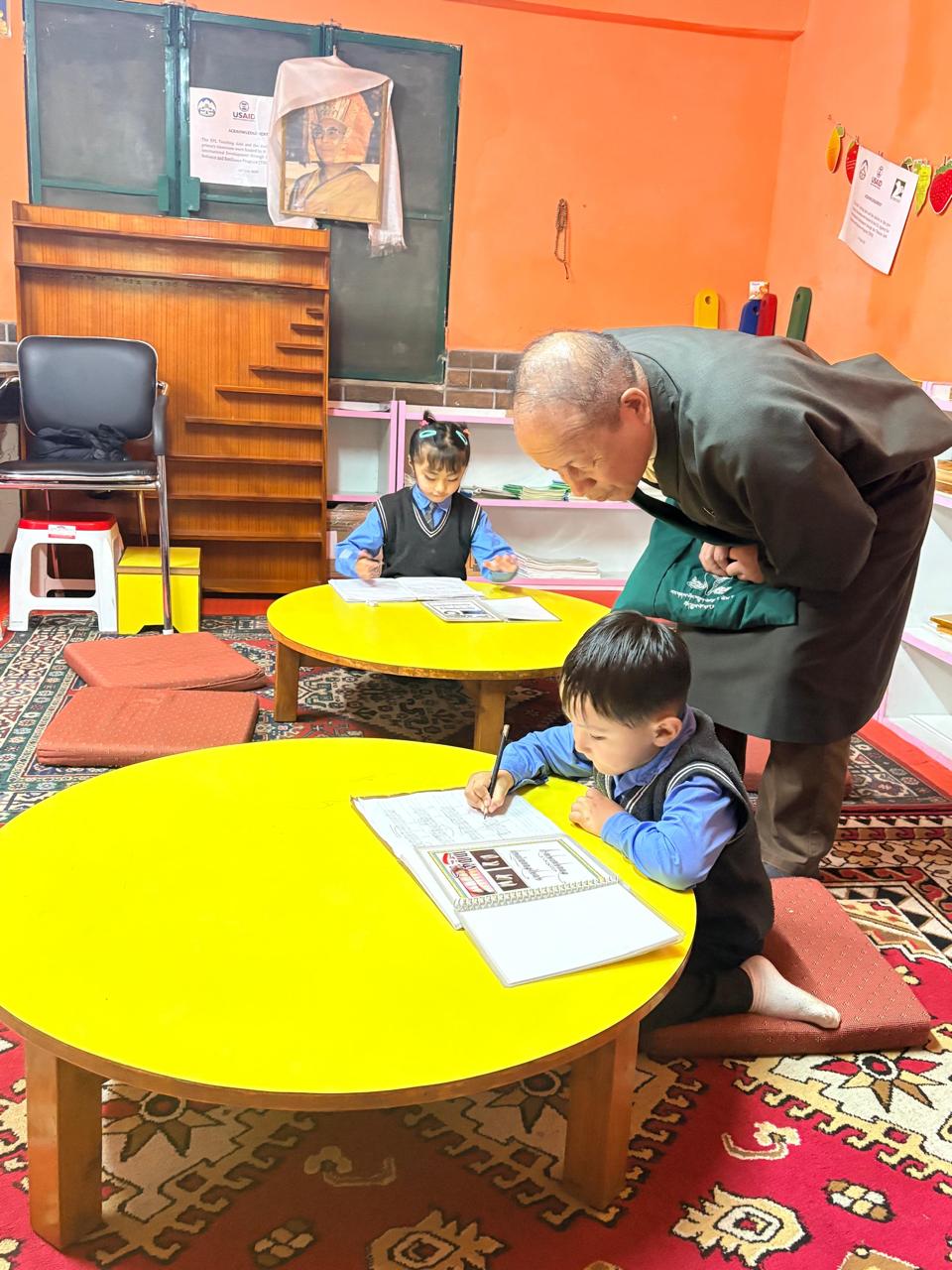
The Kalon then continued his official engagements by visiting the Chief Representative Office, Tibetan Refugee Self Help Handicraft Society, the hall of the Local Tibetan Assembly, the office of the Regional Tibetan Freedom Movement, Sambhota Tibetan School (Shimla), and the Tibetan Primary Health Care Centre. He also met with underprivileged Tibetan elders in the region.
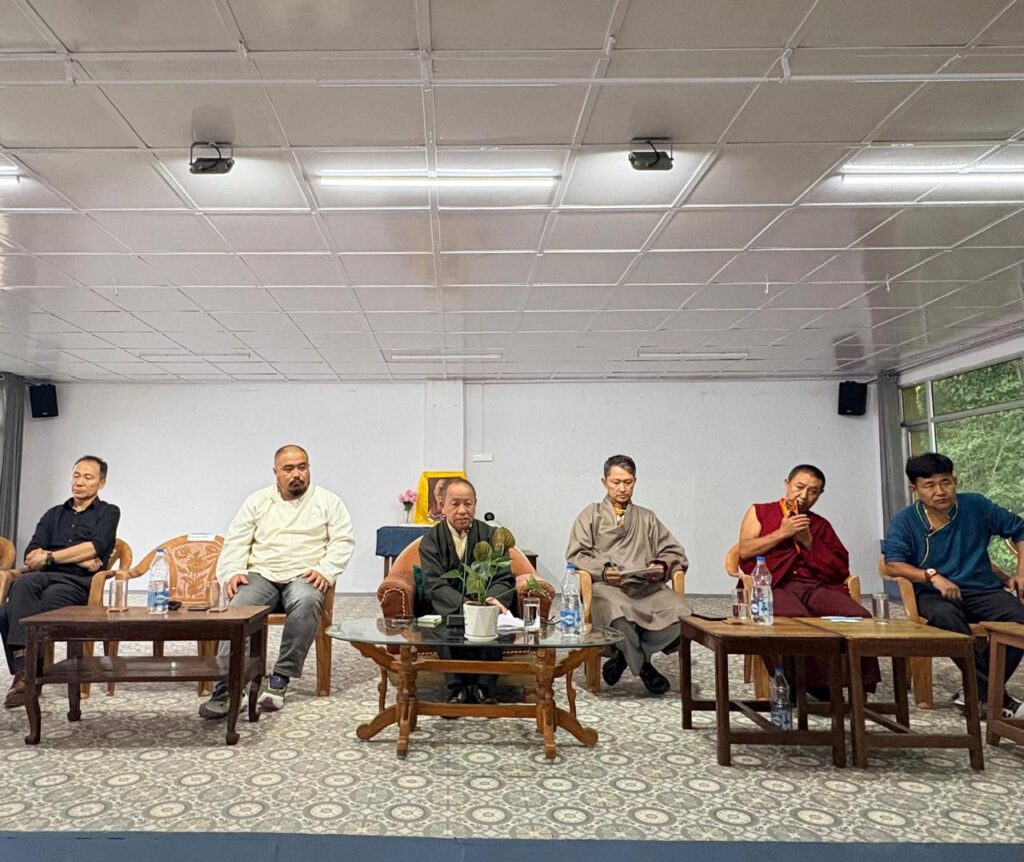
During his visit to the Tibetan Refugee Self Help Handicraft Society, the Kalon addressed Tibetan residents of Shimla at the Handicraft Society’s hall.
On behalf of the 17th Kashag, the Kalon provided a brief overview of its composition and priorities, as well as its political stance and approach to governance. He emphasised the Kashag’s commitment to fulfilling the noble wishes of His Holiness the 14th Dalai Lama without causing him concern or disappointing Tibetans inside Tibet; carrying out the Kashag’s work strictly within the law and through collective effort; and further strengthening His Holiness’ security in coordination with the Government of India.
He also highlighted the CTA’s continued efforts to garner international support for its position on His Holiness’ reincarnation, building on support already received from 38 countries, including the United States.
Other priorities highlighted included maintaining respectful relations with the other two pillars and autonomous bodies of the CTA in accordance with the principle of separation of powers; upholding the Middle Way Approach, unanimously adopted by the Tibetan Parliament-in-Exile and endorsed by His Holiness, as the CTA’s political stance; respecting the autonomy of non-governmental organisations; advancing digital archives, digital libraries, and other modern technological systems; and placing greater emphasis on nurturing and directly guiding Tibetan youth leadership in carrying forward political activities.