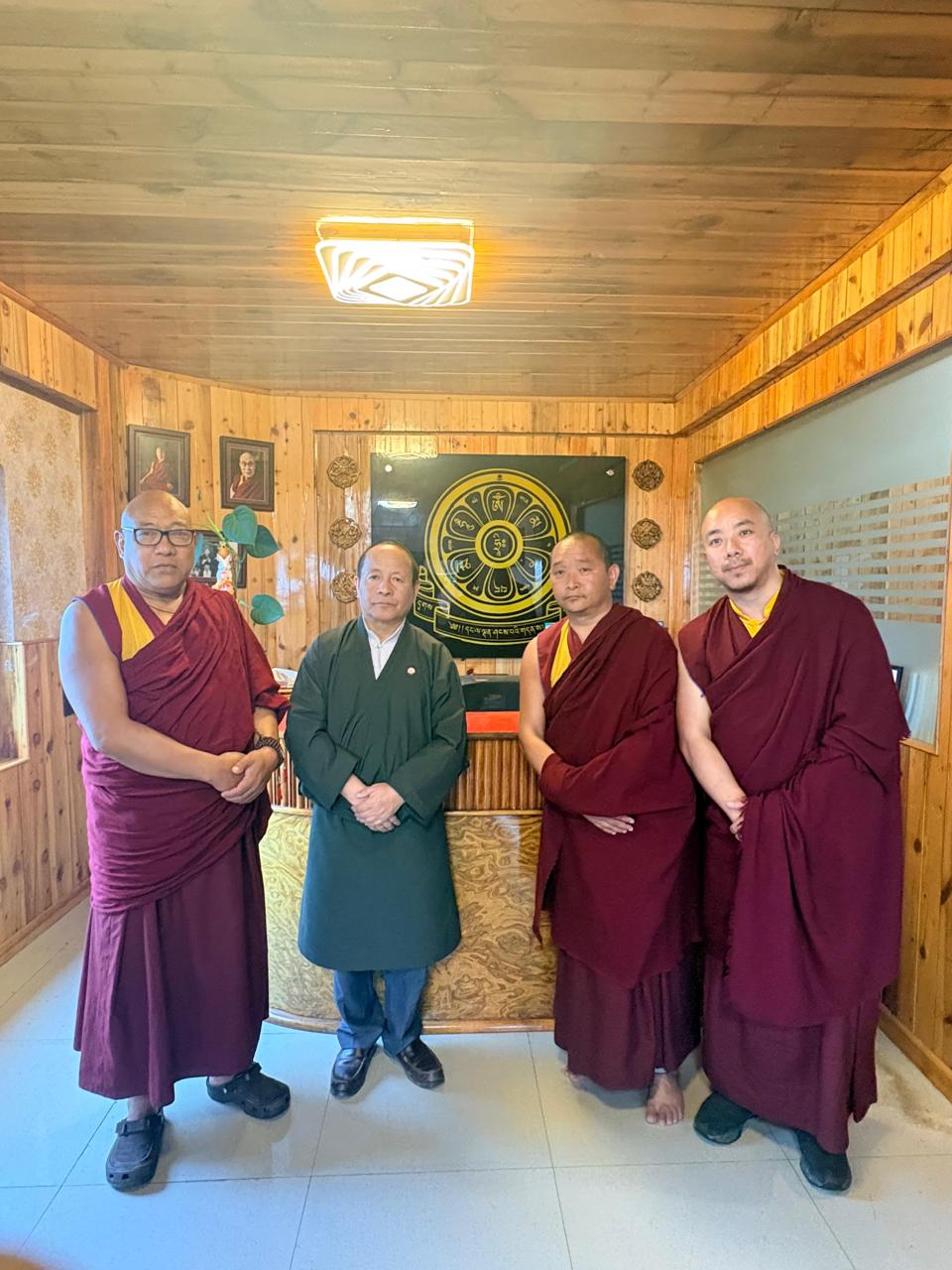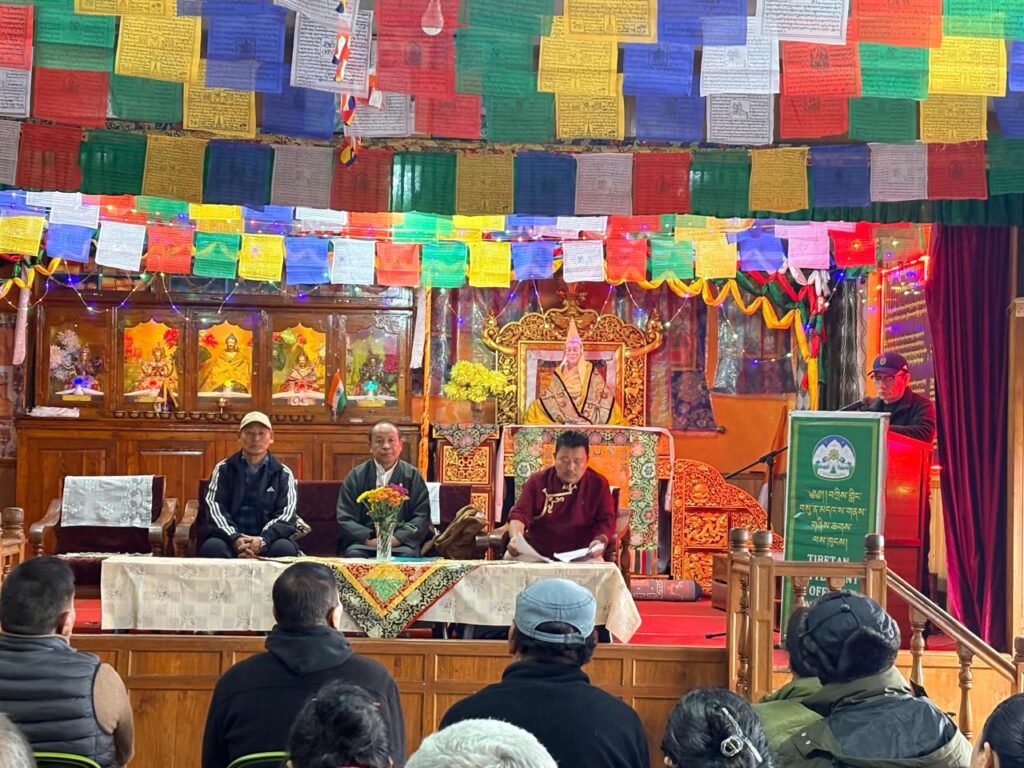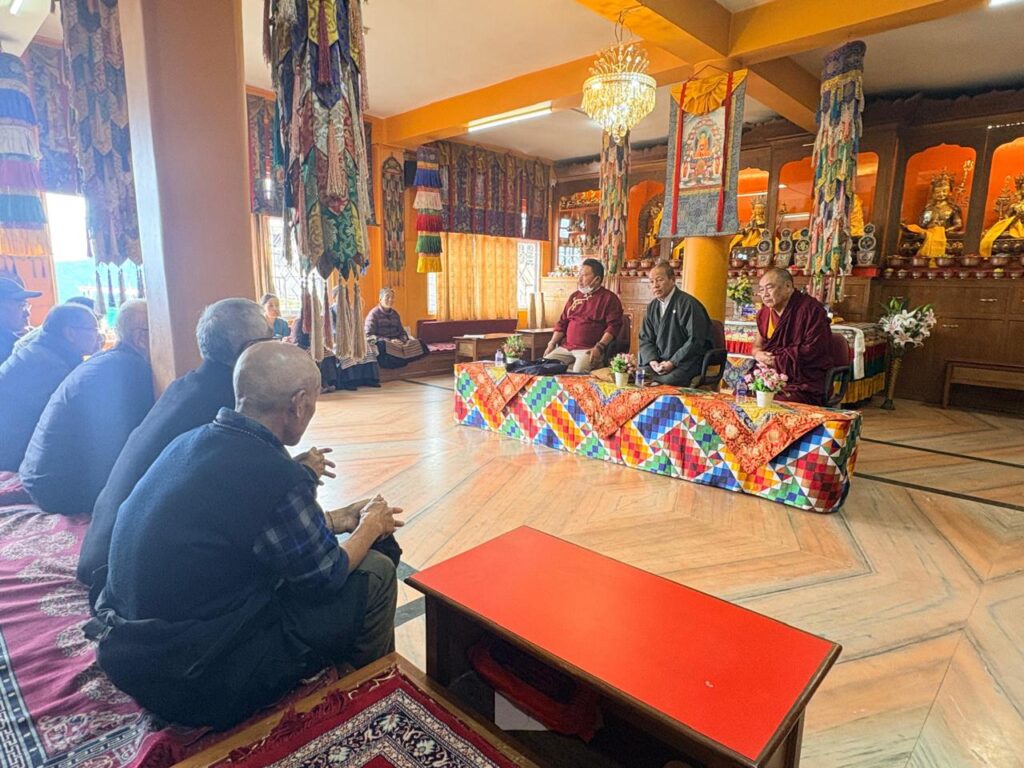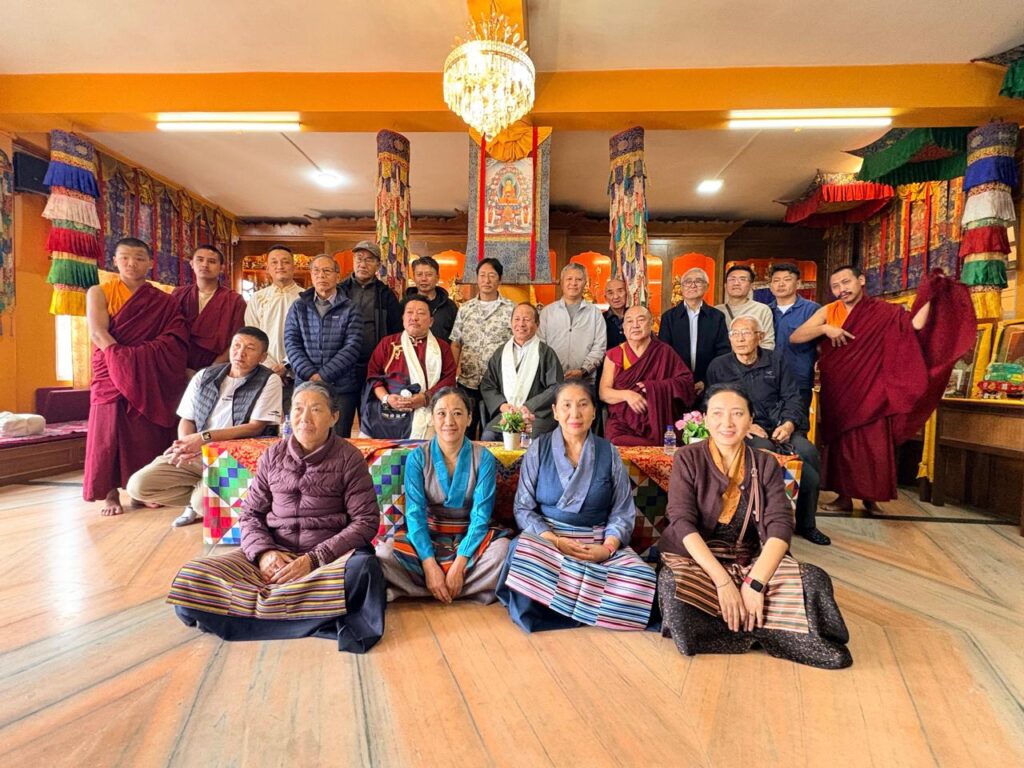
Darjeeling: As part of his ongoing official visitation programmes in the region, Kalon (Minister) Tsegyal Chukya Dranyi of the Department of Religion and Culture (CTA) undertook a series of engagements in Darjeeling.
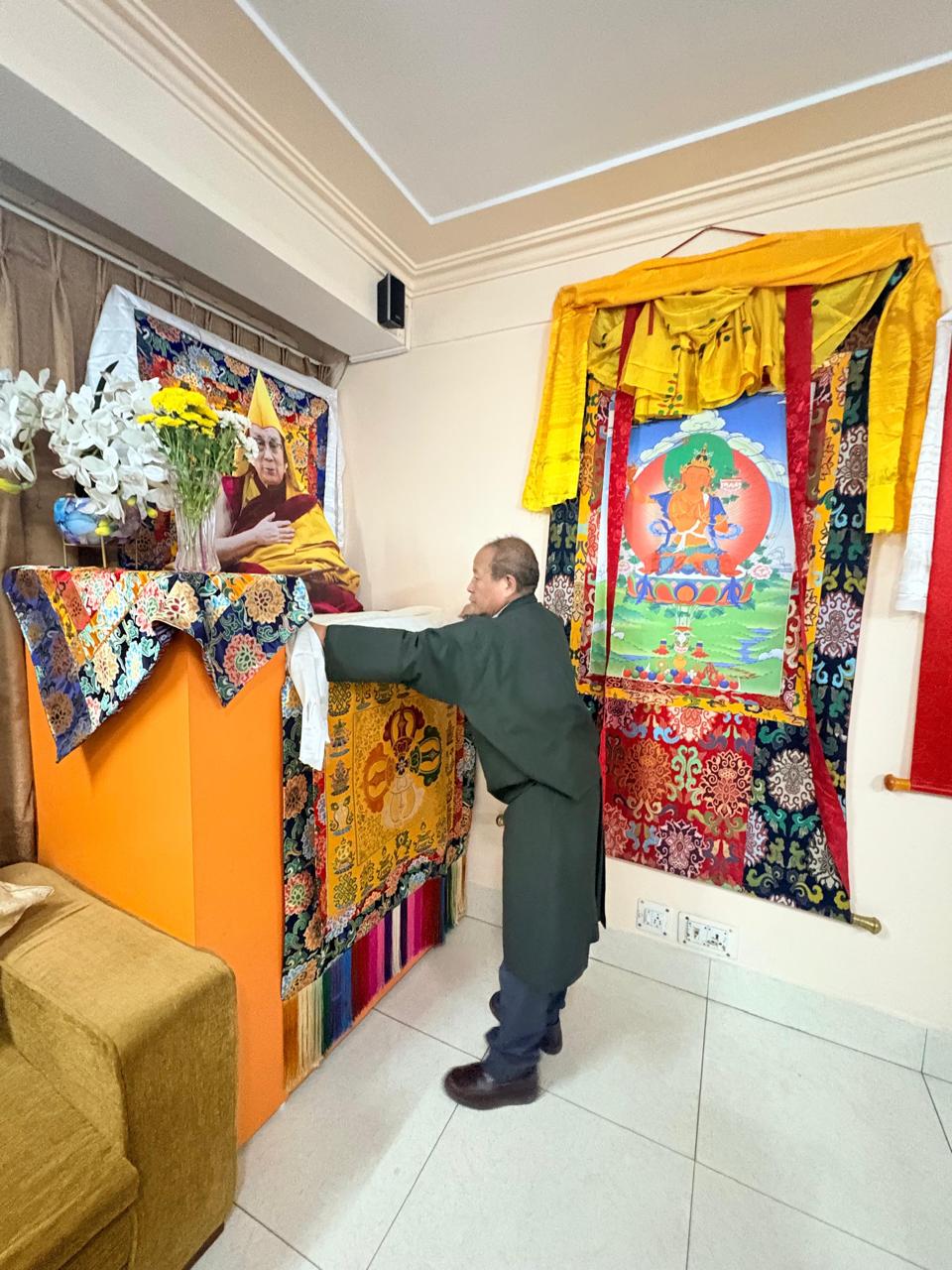
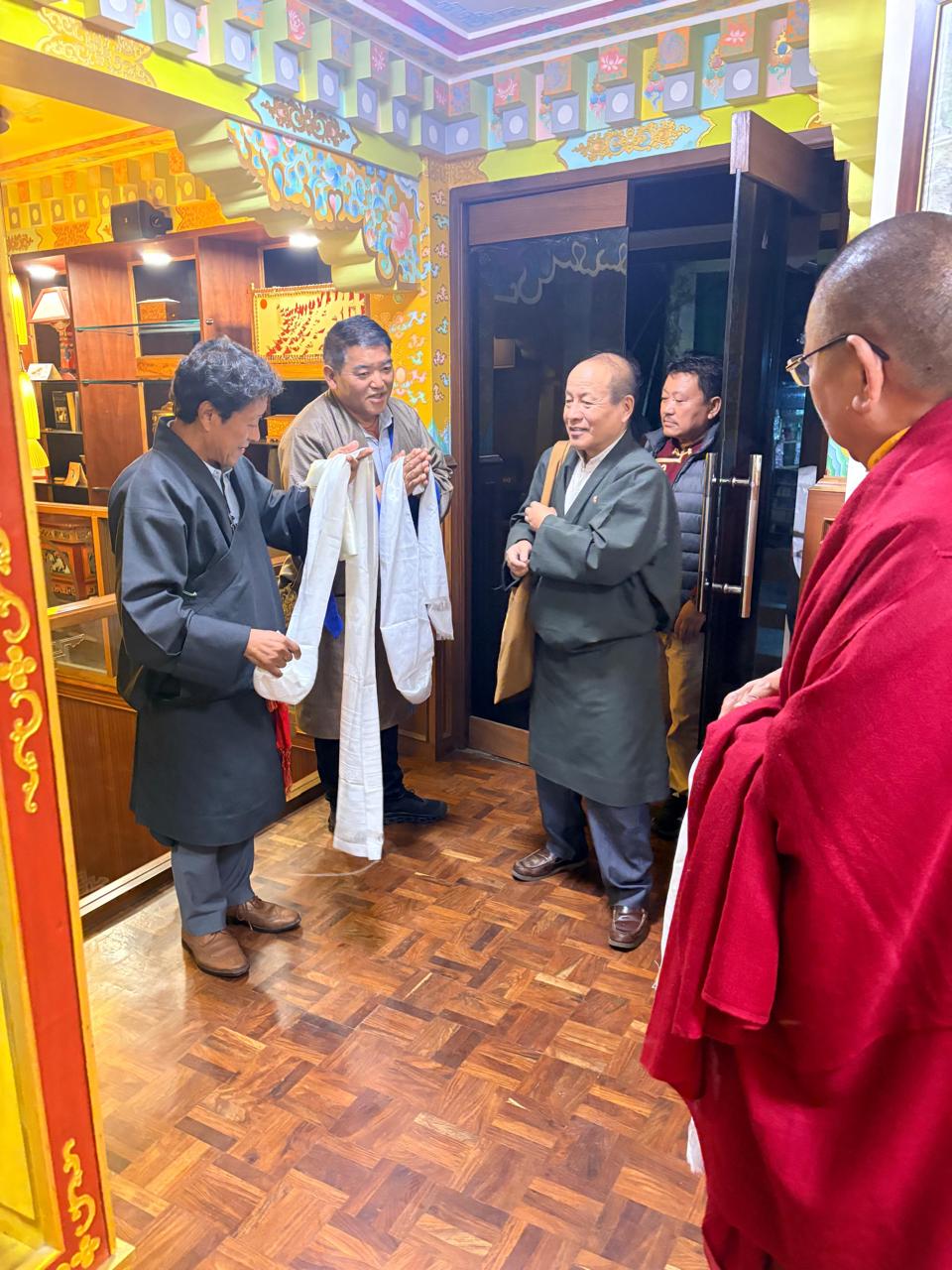
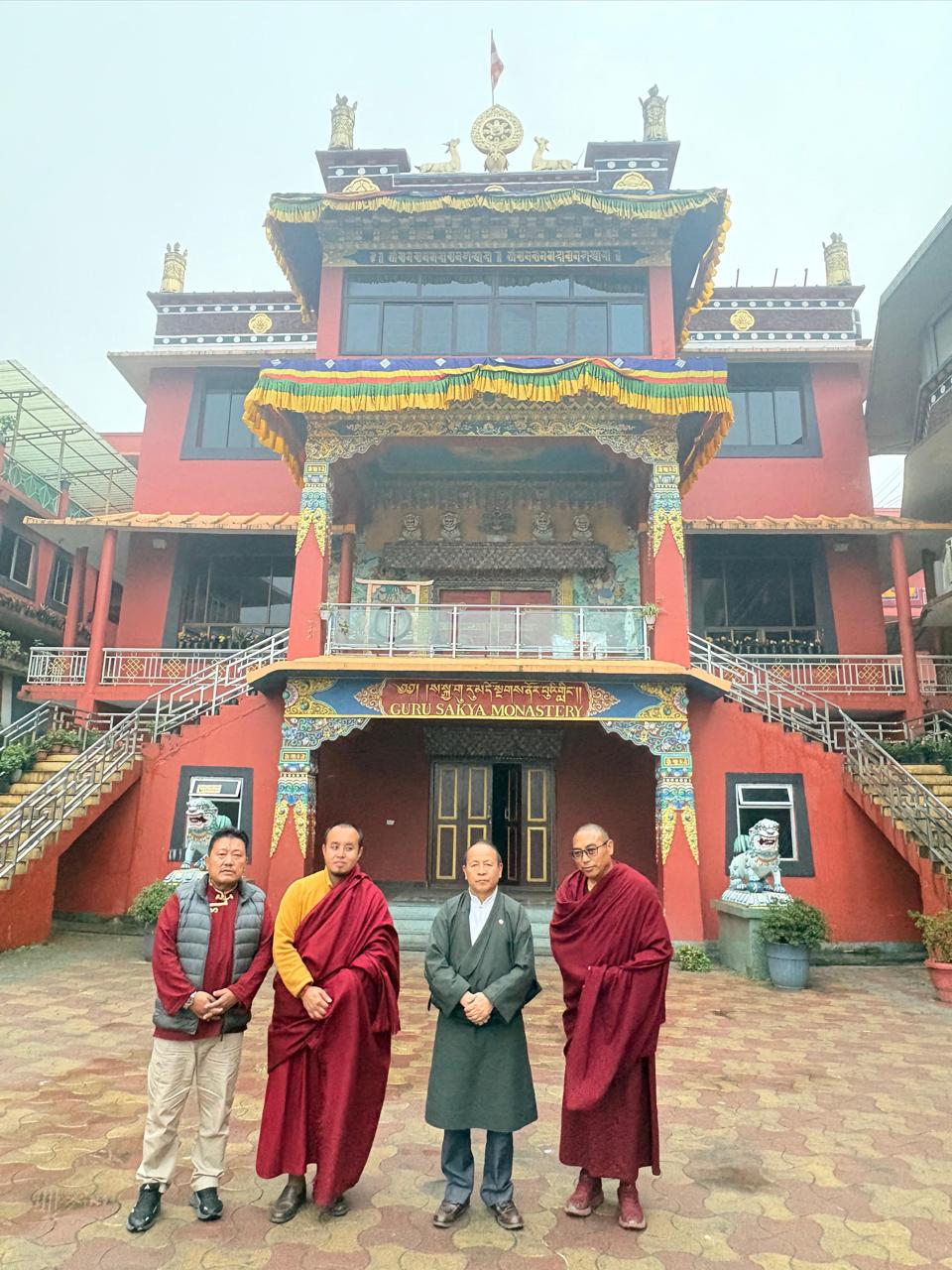
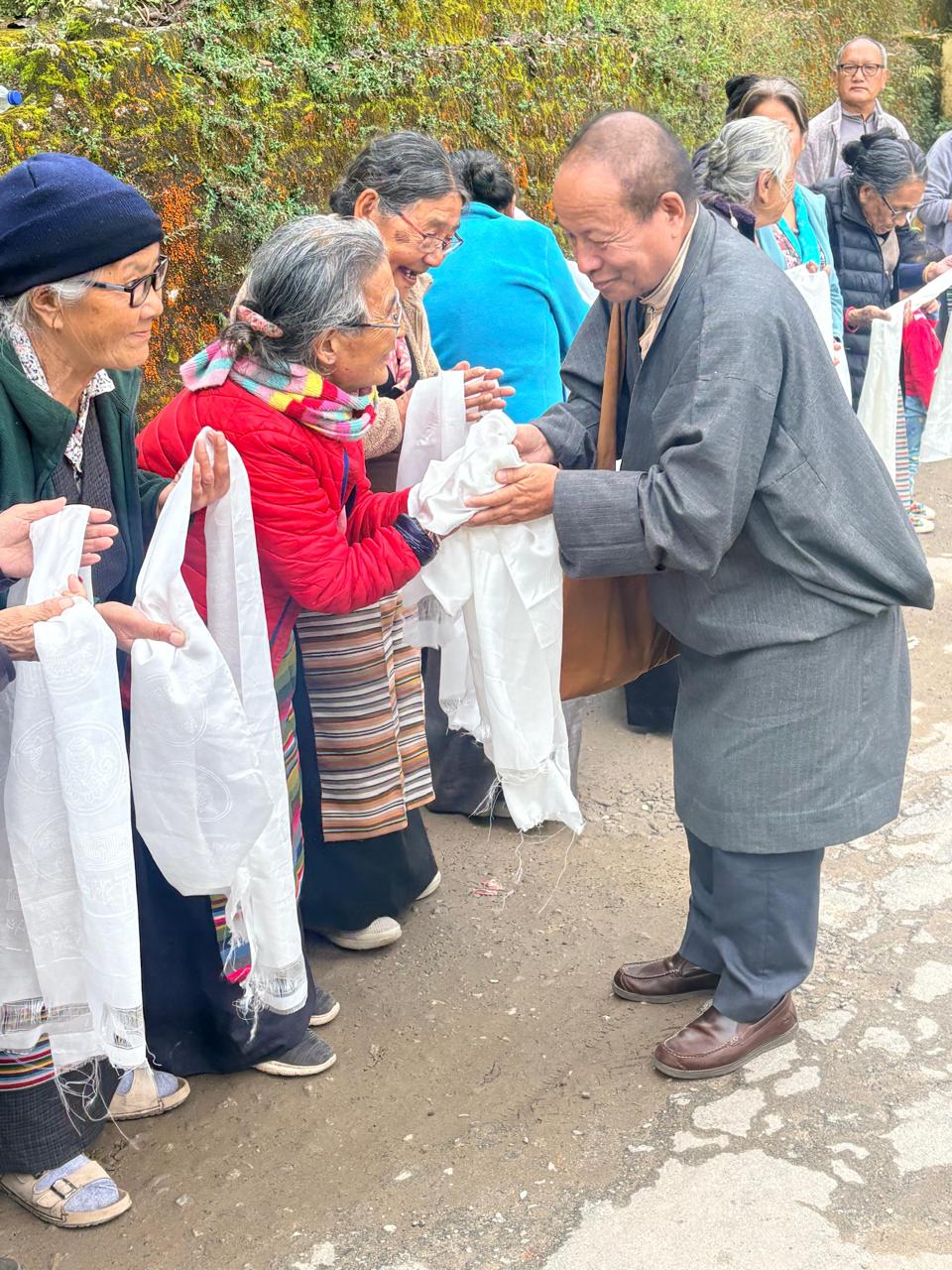
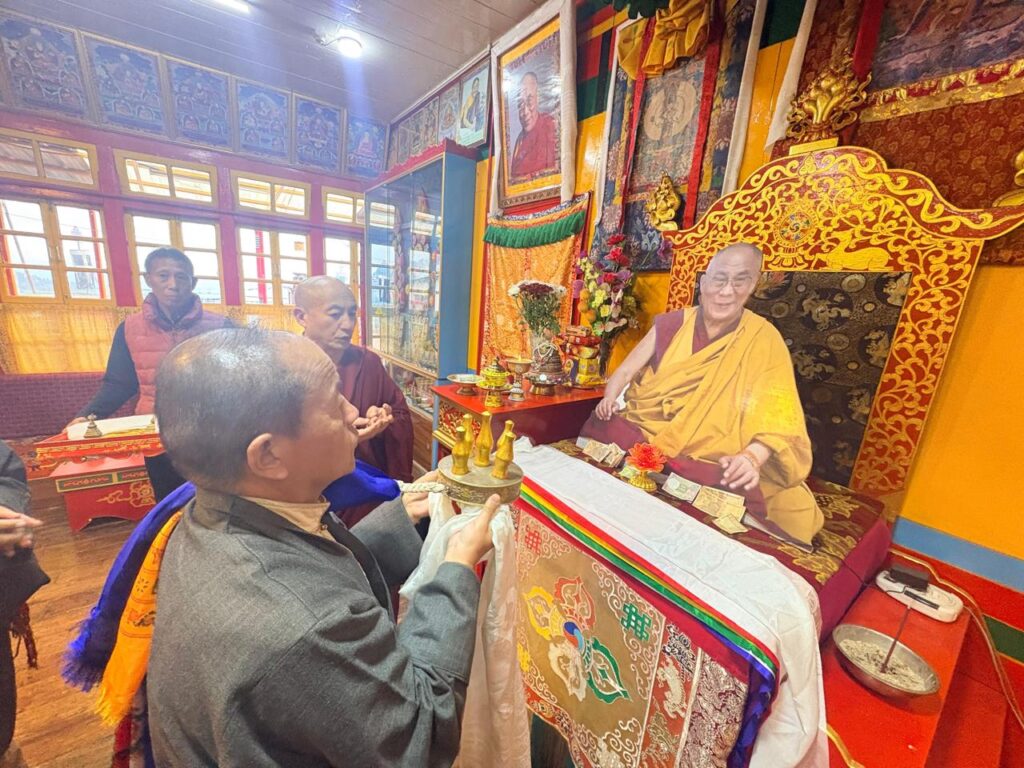
On 31 October, while travelling from Siliguri to Darjeeling, the Kalon first visited Sakya Kunga Shedrup Ling Monastery in Kurseong to offer prayers and pay obeisance. He also met with local Tibetans and addressed the community, outlining the priorities of the 17th Kashag.
The Kalon stated that the Kashag’s work is guided by the vision of His Holiness the Dalai Lama and carried out in accordance with established laws and regulations. He emphasised that the Kashag respects the autonomy of non-governmental organisations and would not interfere in their affairs. He also highlighted the Central Tibetan Administration’s ongoing efforts to digitise its administrative systems through the employment of a Data Management System and Artificial Intelligence. In this regard, he introduced the Department of Religion and Culture’s Tibetan Digital Library and Neykor App initiatives.
Addressing the situation in Tibet, the Kalon expressed concern over the Chinese government’s efforts to undermine Tibetan identity through various policies and legislation, including the so-called “Law on Promoting Ethnic Unity and Progress”. He acknowledged the courage of Tibetans inside Tibet, who continue to resist such measures despite immense challenges, and urged Tibetans living in free countries to remain mindful of the situation in Tibet and stay engaged with the Tibetan cause. He stressed the importance of educating younger generations about Tibet’s circumstances and preserving the community’s distinct identity.
The Kalon further emphasised that the continuation of the Tibetan struggle depends on the preservation of Tibetan identity. Parents, he said, have a vital responsibility to pass on Tibet’s unique religious and cultural traditions, language, script, values and ethics to their children, ensuring that these remain alive for generations to come.
The Kalon also raised concerns about demographic changes within the Tibetan community in exile. Due to heavy restrictions imposed by the Chinese government, the number of Tibetans arriving from Tibet has declined considerably. At the same time, increasing migration among younger Tibetans to foreign countries and a declining birth rate have contributed to a reduction in the Tibetan population across monasteries, schools and settlements in India, Nepal and Bhutan. He urged the community to recognise the seriousness of this trend and guide younger generations on the importance of sustaining the Tibetan population and community institutions.
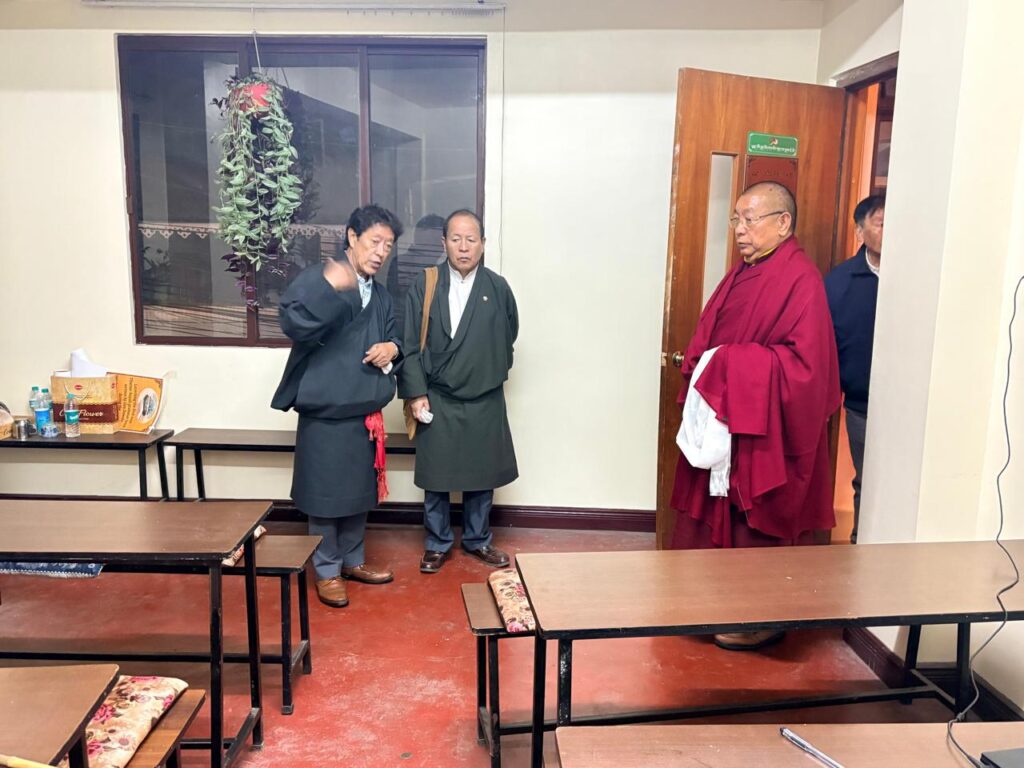
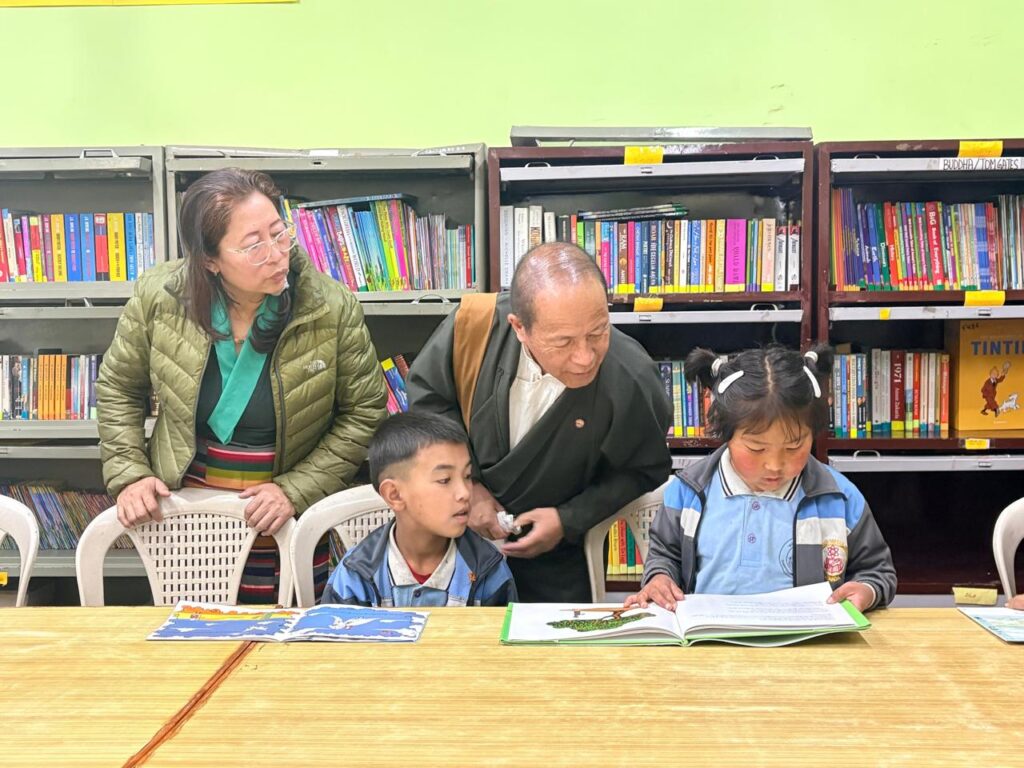
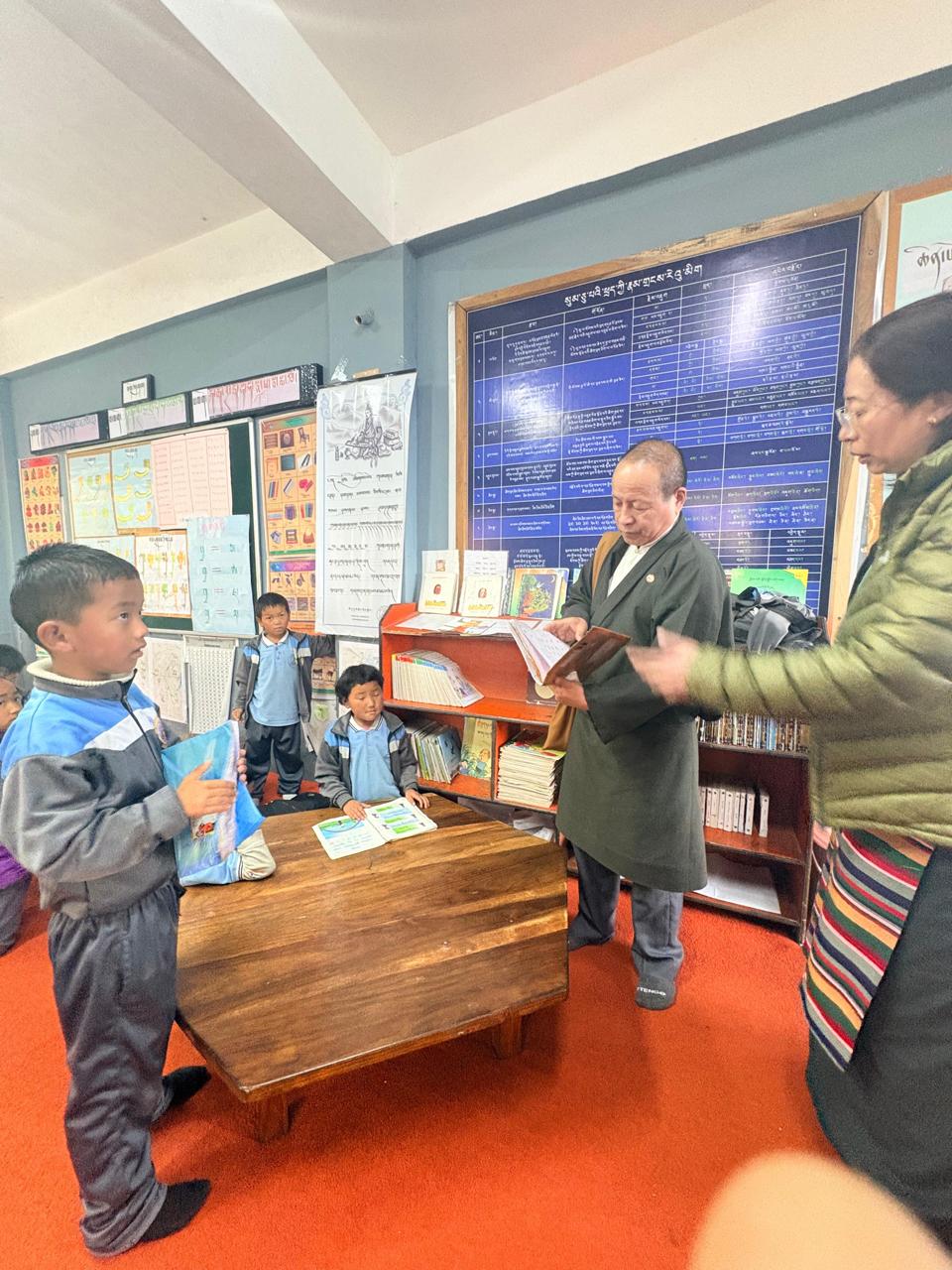
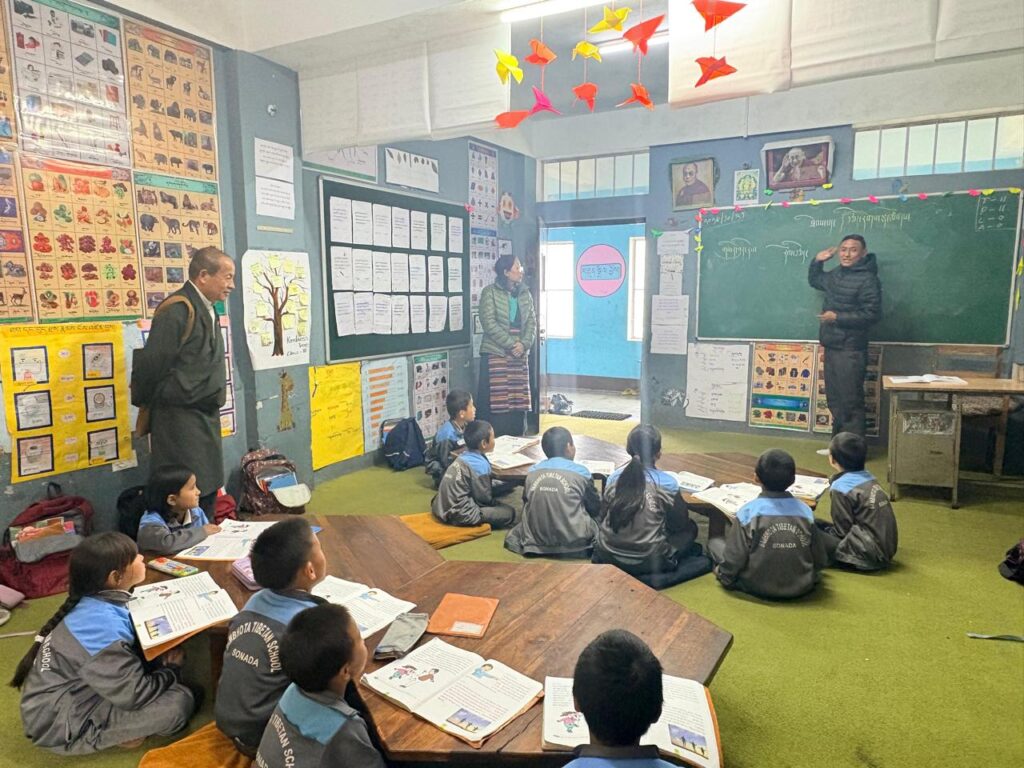
Following the meeting, the Kalon visited Sonada School, the local cooperative office, the Tibetan Freedom Movement, the local health centre and the Tibetan Settlement Office. He also visited Samdrup Dargye Ling Monastery to pay obeisance.
After lunch, the Kalon addressed a public gathering at the local cooperative hall. Reflecting on his visit to the newly established Pal Sakya Thegchen Phuntsok Ling Monastery in Jaigaon, where long-life prayers were offered to kyabje Sakya Trizin Rinpoches, he explained that his subsequent tour of Kalimpong, Darjeeling and Gangtok was intended to engage with local Tibetan communities and institutions.
He urged Tibetans to avoid undue attention to unsubstantiated rumours circulated on social media and instead focus on the work the Central Tibetan Administration is undertaking to advance the Tibetan cause.
Introducing the work of the 17th Kashag, the Kalon reiterated that the administration is guided by the leadership of His Holiness the Dalai Lama and is committed to upholding established laws and regulations. He also underscored the importance of maintaining a balanced distribution of authority among the three pillars of Tibetan democracy, with each respecting the jurisdiction and responsibilities of the others. He reaffirmed that the Kashag would not interfere in the affairs of non-governmental organisations.
The Kalon subsequently introduced two major initiatives of the Department of Religion and Culture: the Tibetan Digital Library and Neykor App.
Outlining the Kashag’s political position, he reaffirmed its unwavering commitment to the Middle Way Policy, in accordance with the vision of His Holiness the Dalai Lama and the policy adopted by the Tibetan Parliament-in-Exile. Acknowledging that differences of opinion exist within the Tibetan community, he called for unity and urged Tibetans in exile to bring their collective strength together in support of the Tibetan cause, rather than allowing internal divisions to weaken their efforts.
The Kalon also explained the statement issued by His Holiness the Dalai Lama regarding his reincarnation during the 15th Tibetan Religious Conference. The Kalon reiterated that the Gaden Phodrang Trust alone is responsible for all matters relating to the Dalai Lama’s reincarnation, and that no government or other individual or institution has the authority to interfere in the process.
The Kalon also highlighted other issues he raised during his address at Kurseong.
The public meeting concluded after the Kalon responded to questions from attendees.
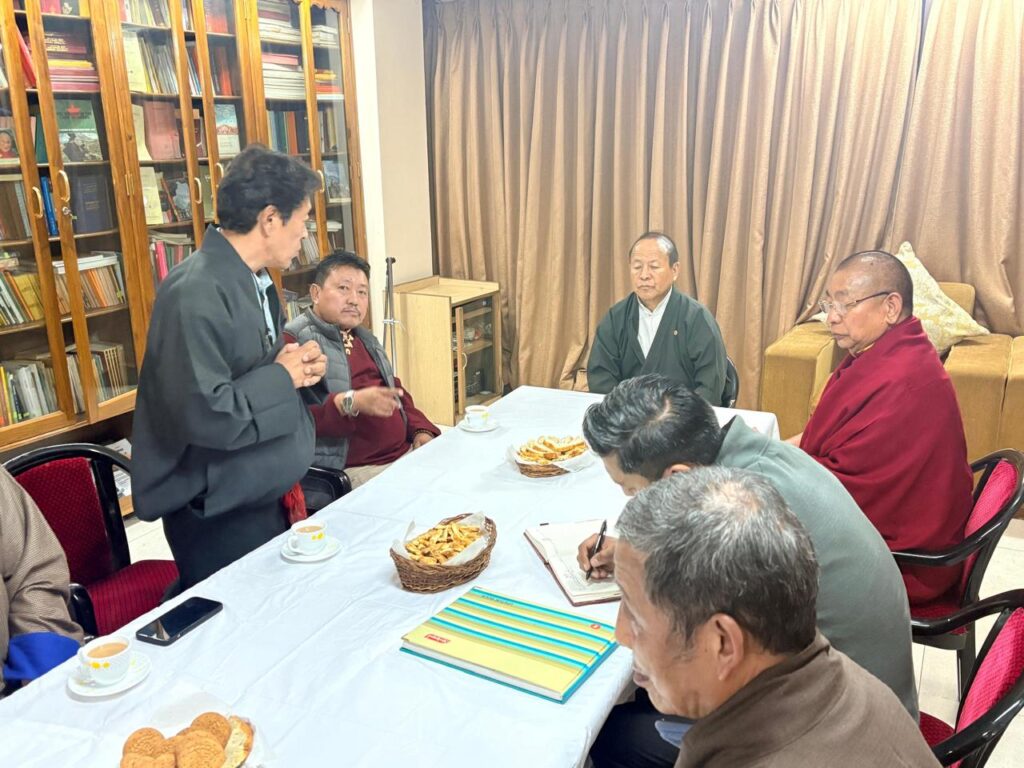
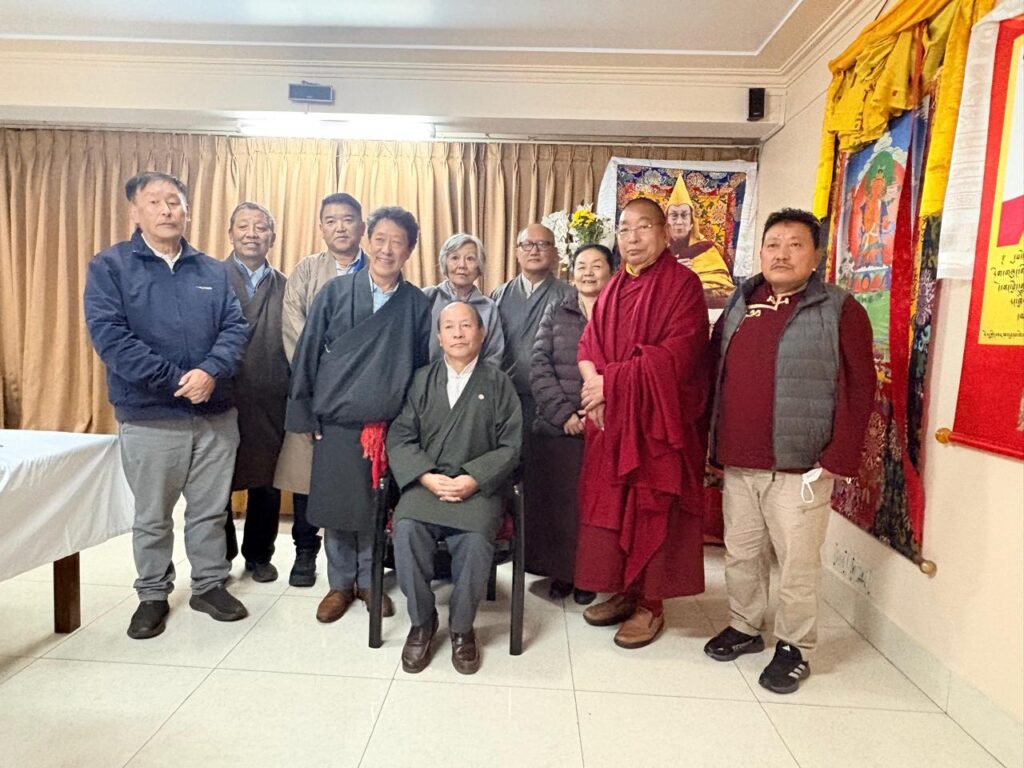
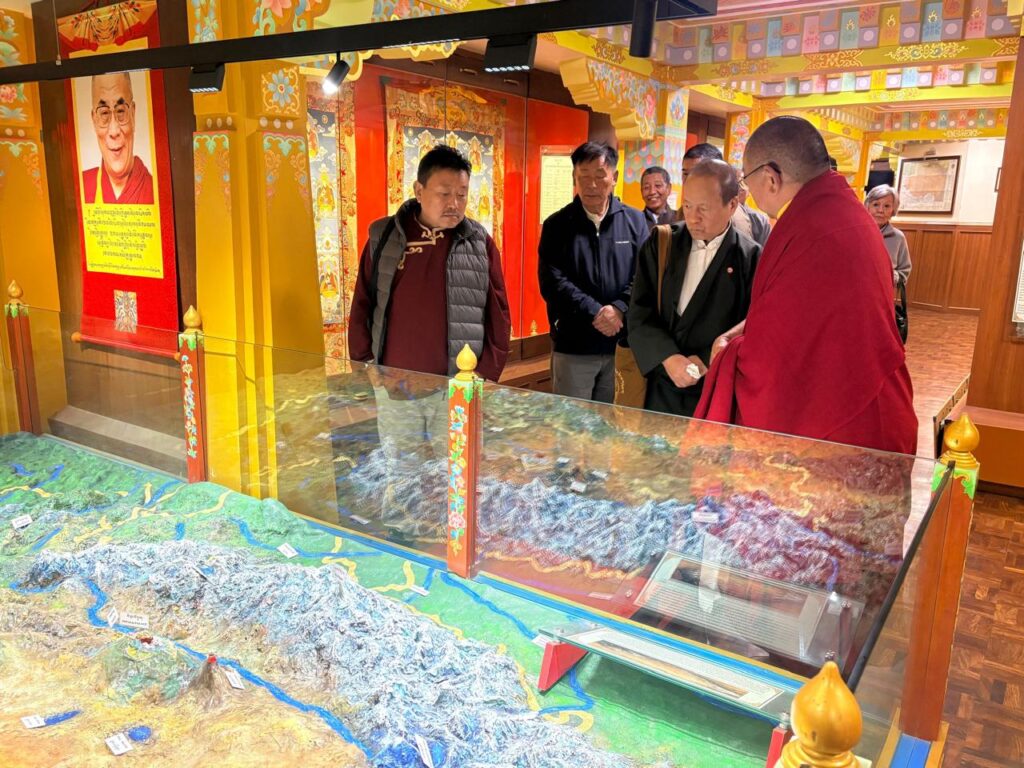
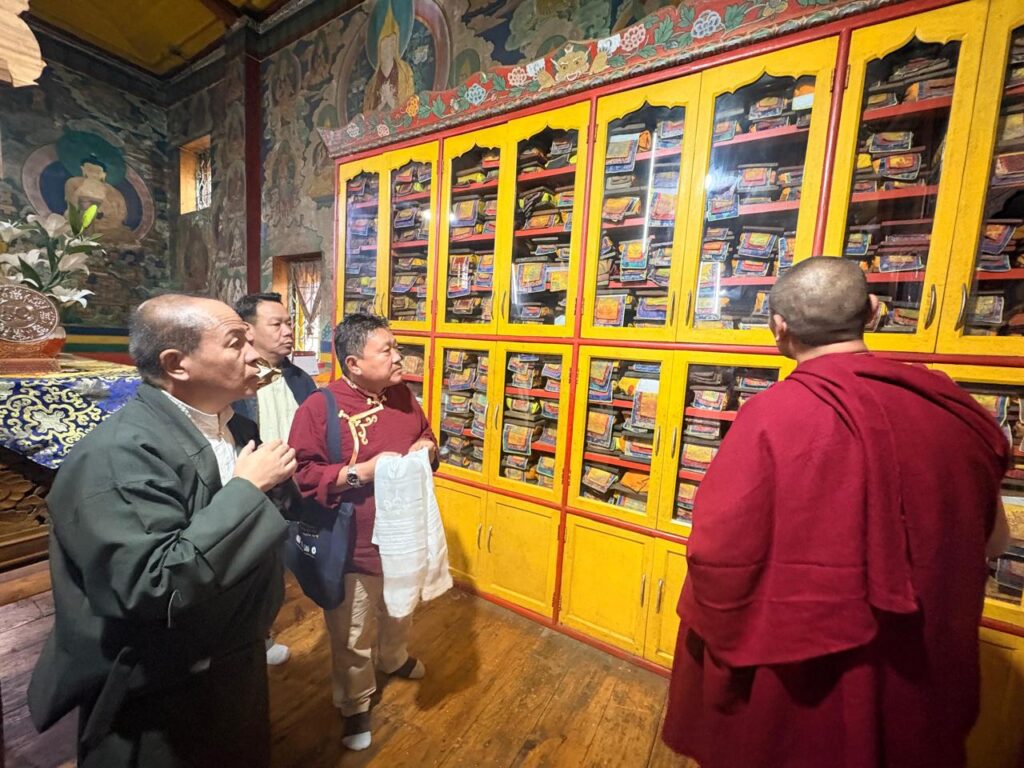
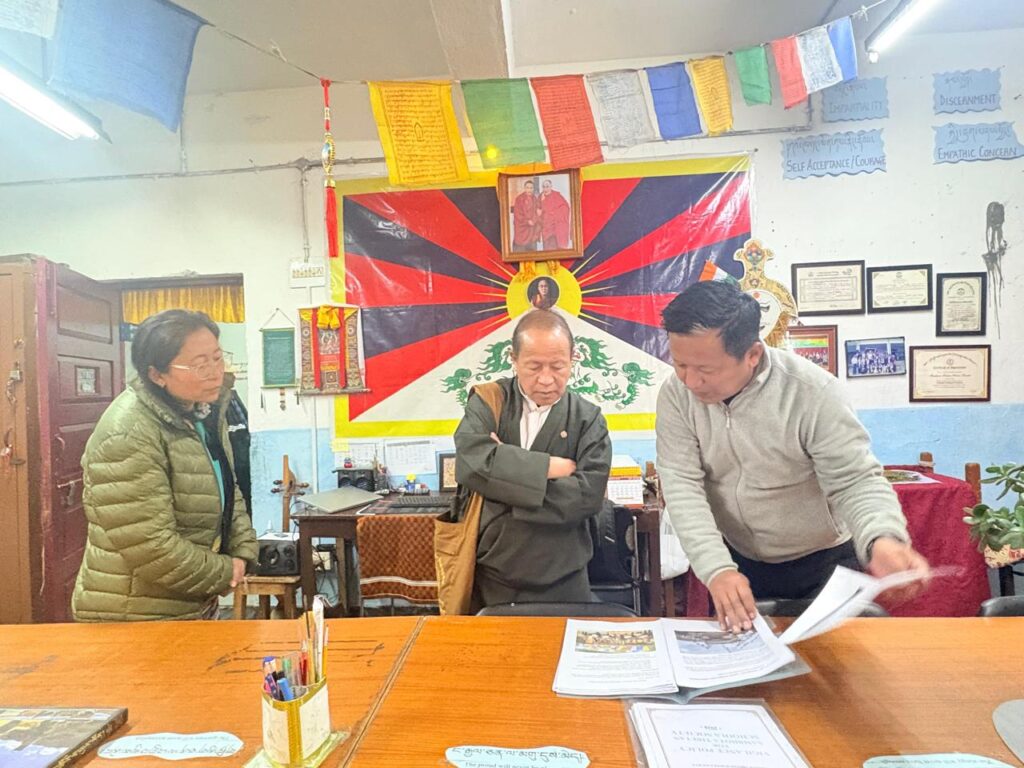
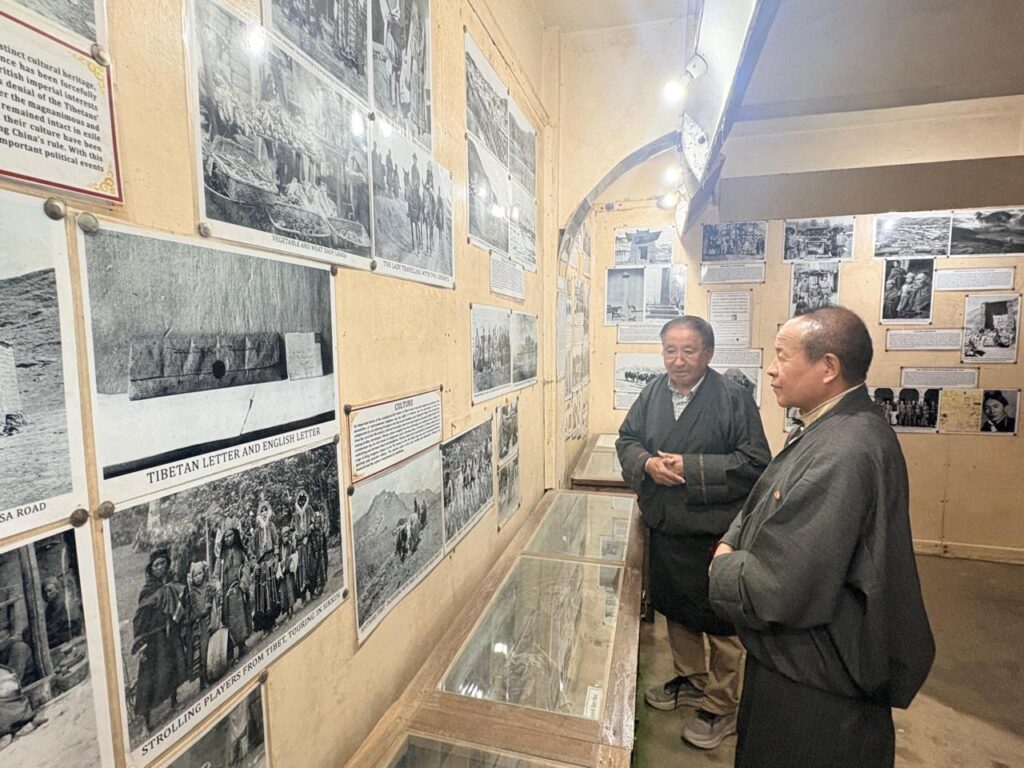
On his way to Darjeeling from Sonada, the Kalon visited Ghoom Yiga Choeling Monastery and Sakya Guru Do Ngak Norbu Ling Monastery. Upon arriving in Darjeeling, he proceeded to the Manjushree Centre of Tibetan Culture, where he toured the exhibition hall before meeting with staff members in the auditorium.
Commending the staff for their dedication since the centre’s establishment, the Kalon noted that their hard work was clearly reflected in the exhibition. He also highlighted the difficult circumstances faced by Tibetans inside Tibet under Chinese government policies, praising their continued courage and determination.
The Kalon again reiterated the importance of maintaining distinct Tibetan religious, linguistic, and cultural heritages in the face of rising challenges.
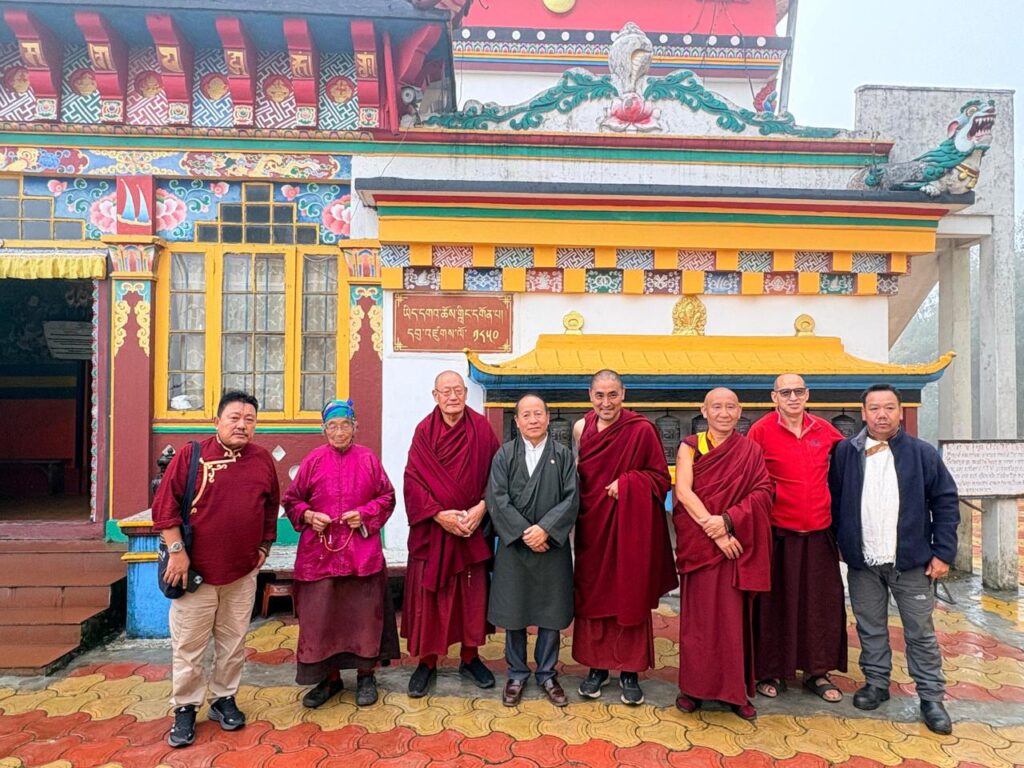
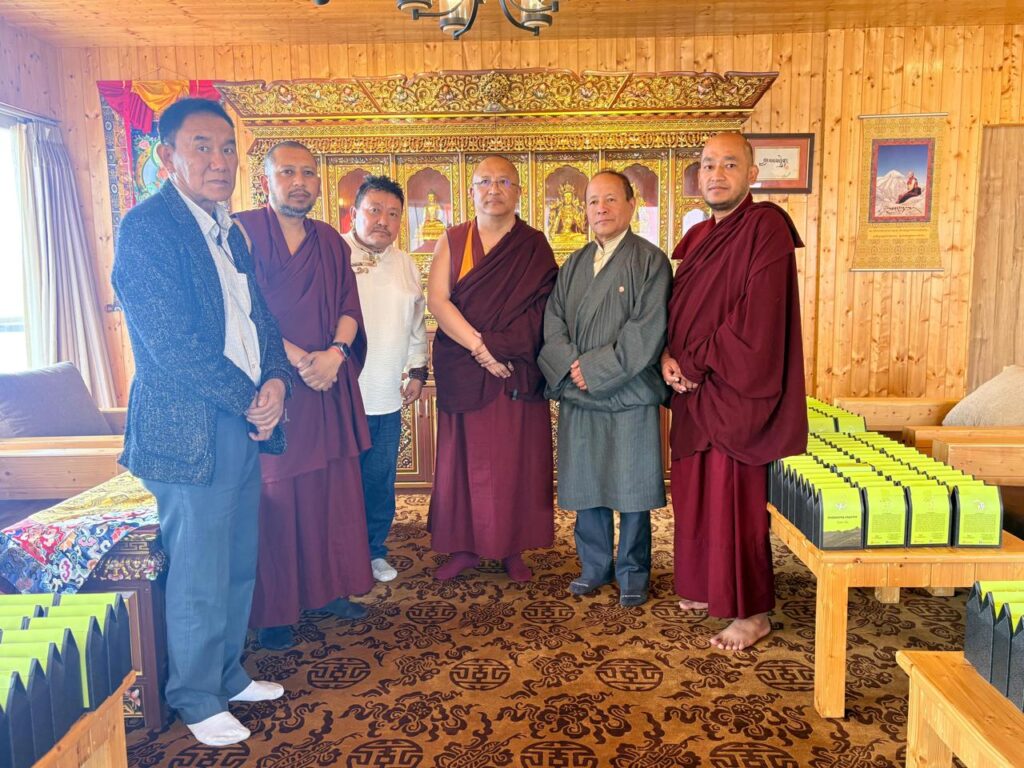
On 1 November, the Kalon began his engagements by visiting Kirti Gaden Tashi Choling Monastery in Sukhia Pokhri, Darjeeling, to offer prayers. He then visited the former Sambhota School in Pokhri, which has since closed, before proceeding to Bokar Ngedon Chokhor Ling Monastery in Mirik to pay obeisance.
During his visits to monasteries, the Kalon held detailed discussions with monastic administrators on matters concerning monastic management and compliance with relevant regulations. He advised monasteries registered to receive foreign currency to stay attentive to applicable laws and regulations, particularly as the Indian government continues to revise them, and to ensure their practices comply with prevailing requirements.
He further advised monasteries recruiting new monks from the Nepal–Tibet border and other Himalayan regions to maintain the necessary documentation. This should include consent letters from parents and local authorities, along with detailed records of the parents and newly recruited monks, to be retained by the respective monasteries. The Kalon also briefed the monastic administrations on the Department of Religion and Culture’s major initiatives, including the Tibetan Digital Archives and the Neykor App.
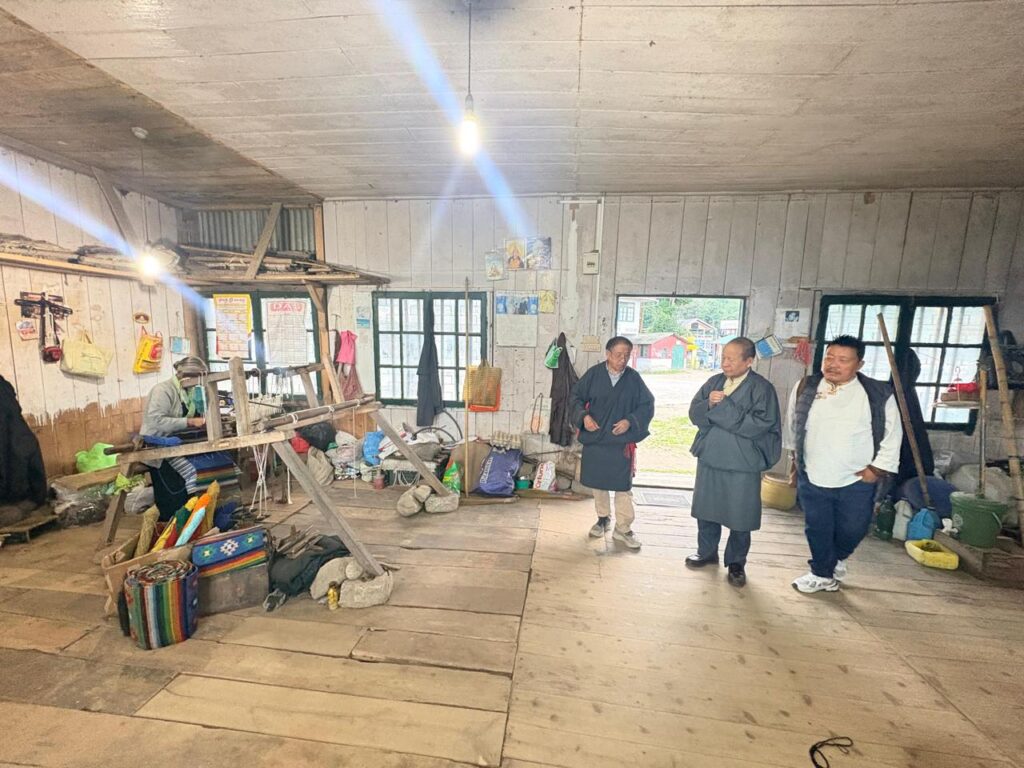
The Kalon later visited the Darjeeling Tibetan Refugee Self-Help Centre, where he paid homage at the main temple and toured the centre’s various sections.
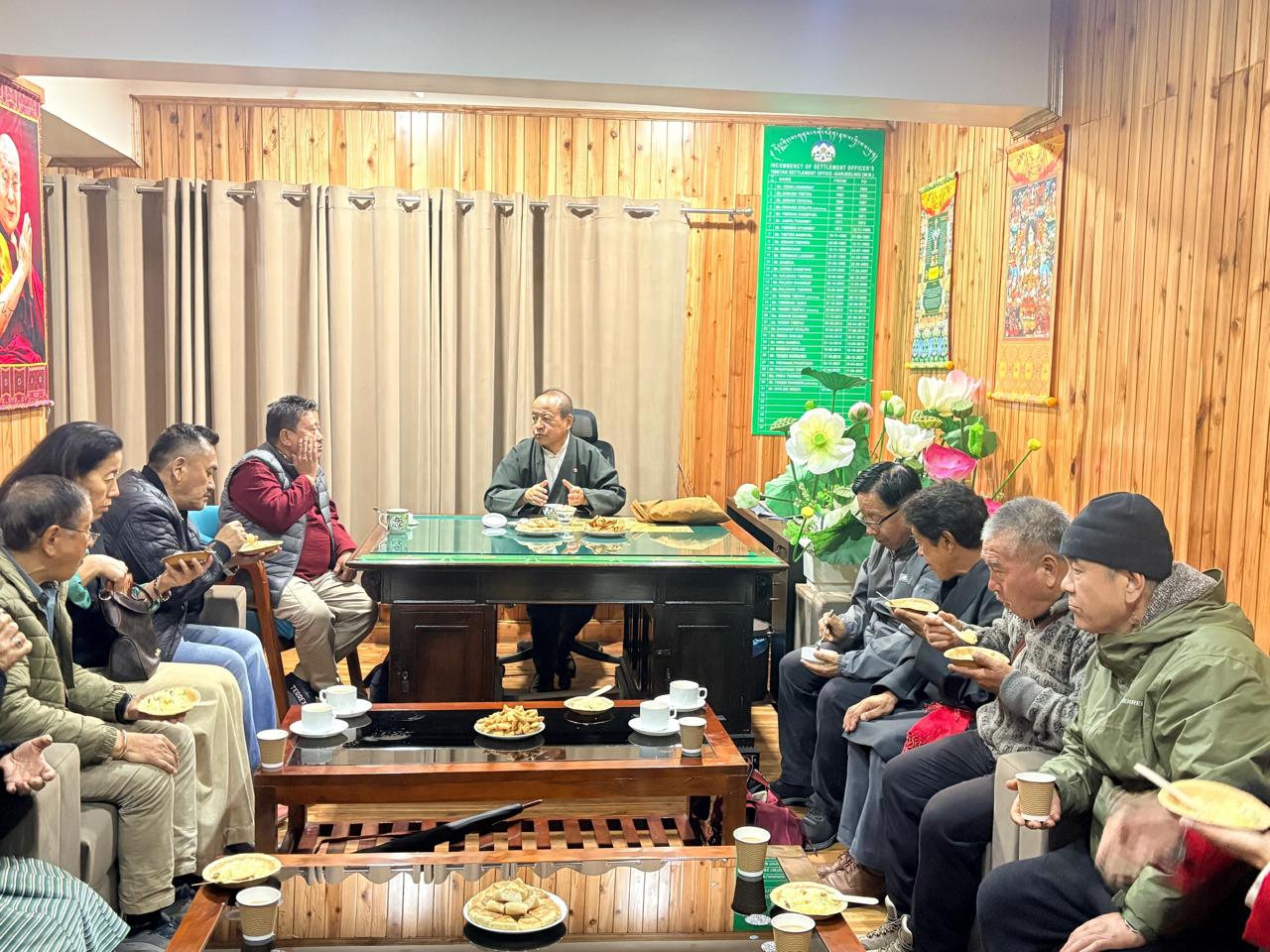
After his day-long engagements, the Kalon attended a dinner hosted by the Darjeeling Tibetan Settlement Office and local non-governmental organisations. In his address, he highlighted the differences between the administrative structures of Tibetan settlements and scattered communities.
He explained that settlements have established leadership structures, including gyapon (leaders of hundreds) and chupon (leaders of tens), while various organisations also have designated individuals responsible for specific duties. These arrangements, he noted, facilitate administration and coordination. In scattered Tibetan communities, where such structures may not exist, he emphasised the importance of local organisations working closely and collectively with the Tibetan Settlement Officer.
The Kalon expressed his appreciation to Darjeeling’s non-governmental organisations for their cooperation with the Settlement Officer and urged them to continue providing support and working together in the future. He concluded by thanking the organisers for hosting the dinner.