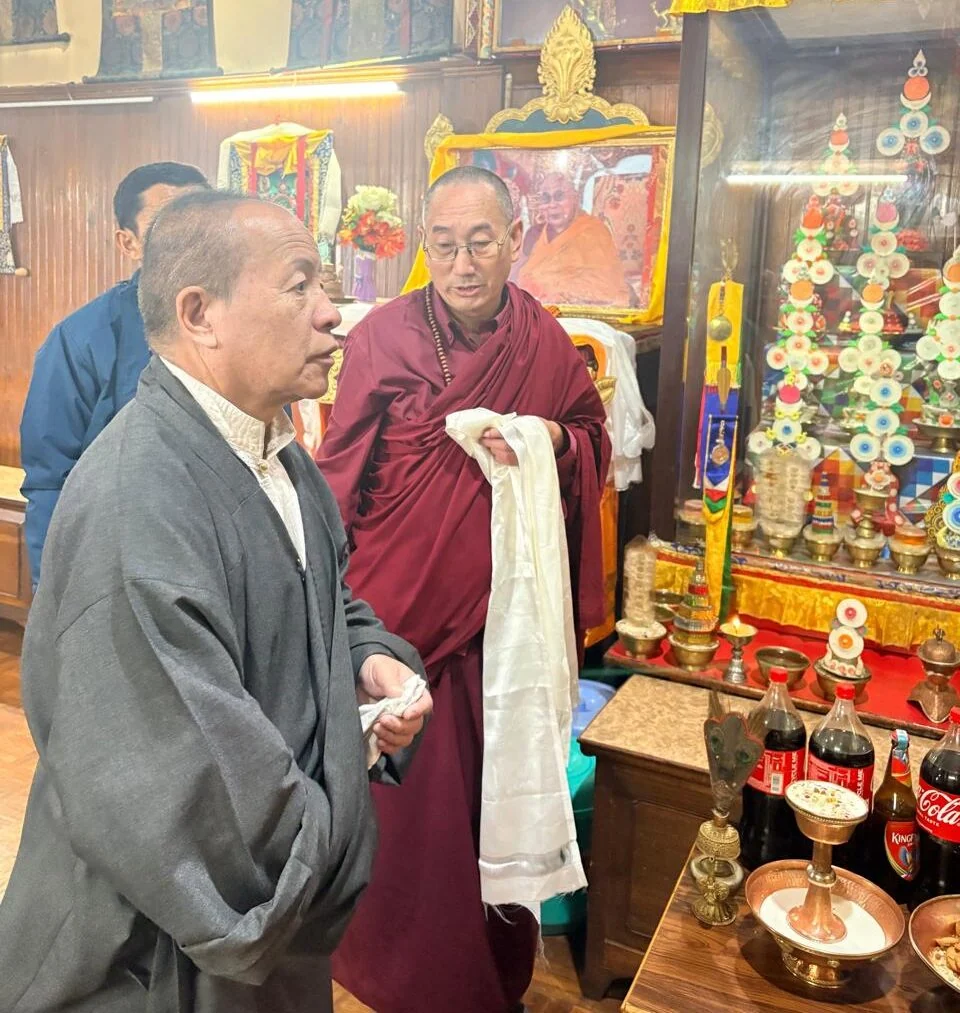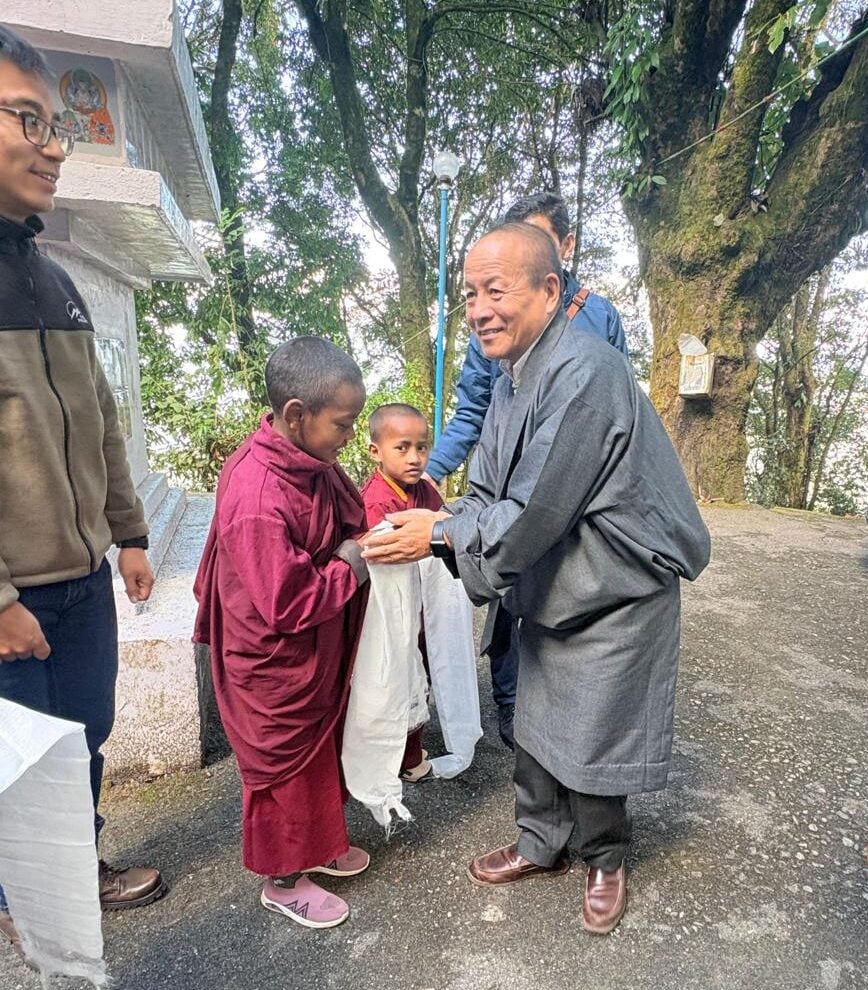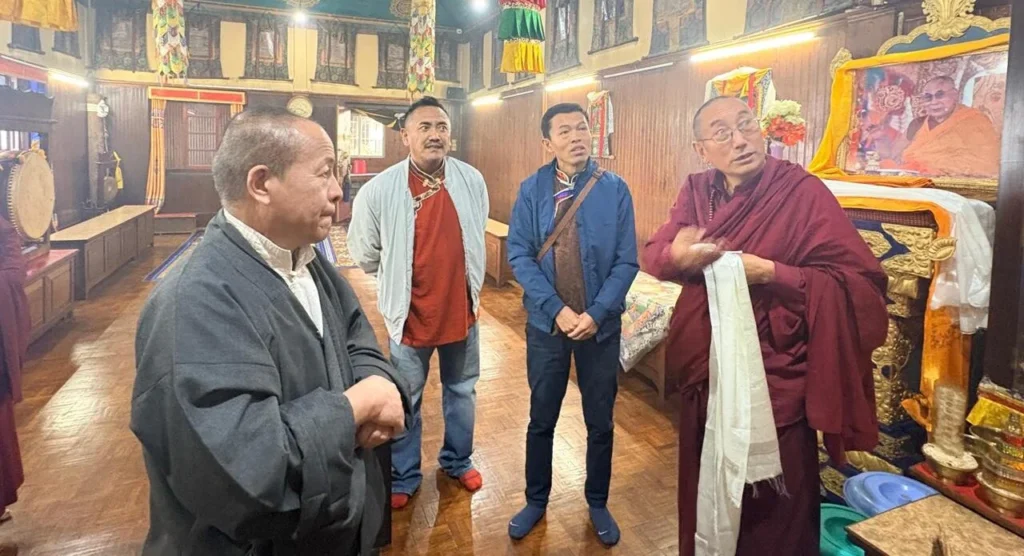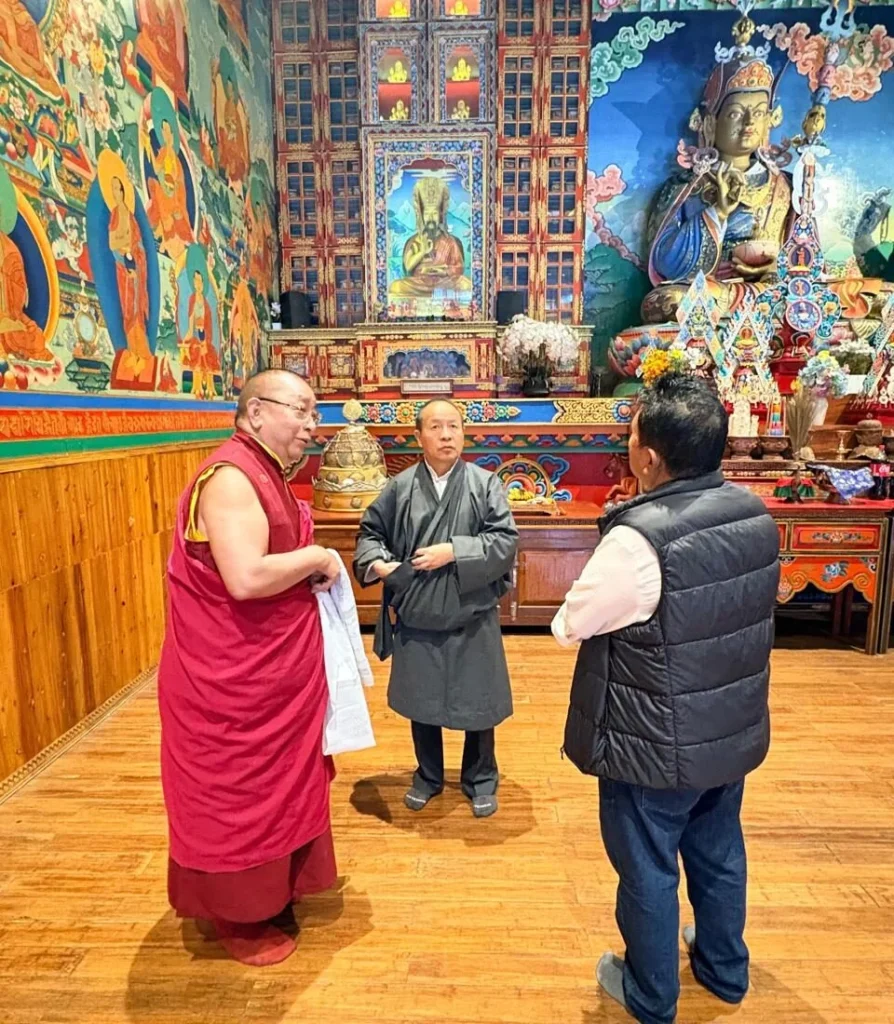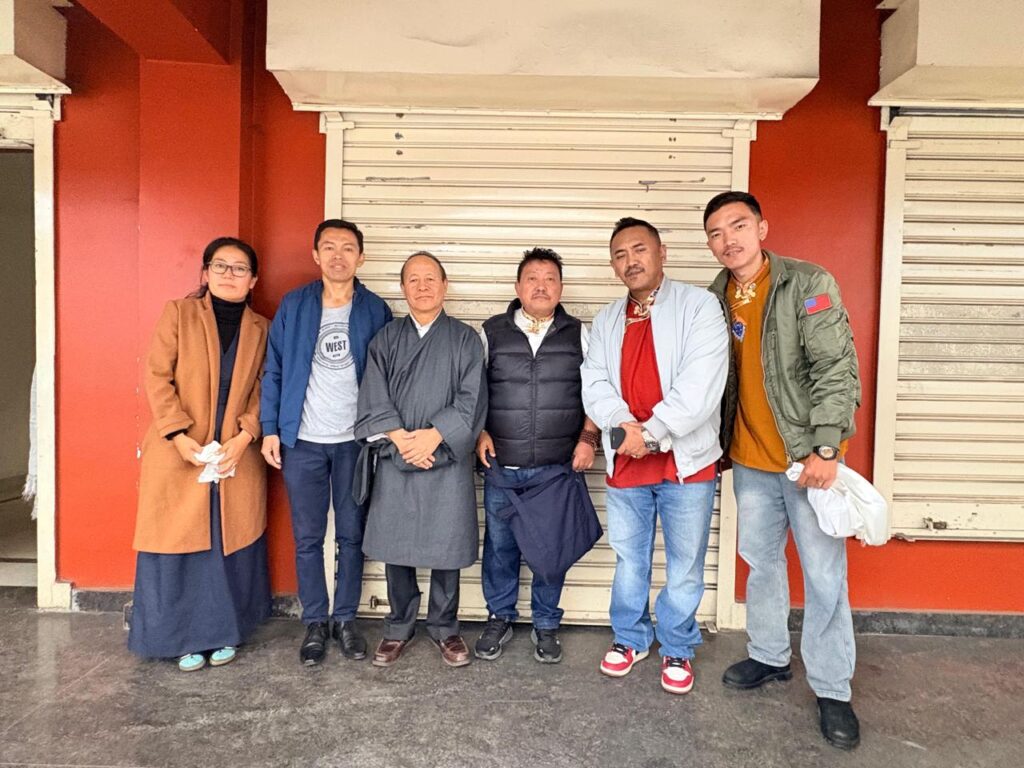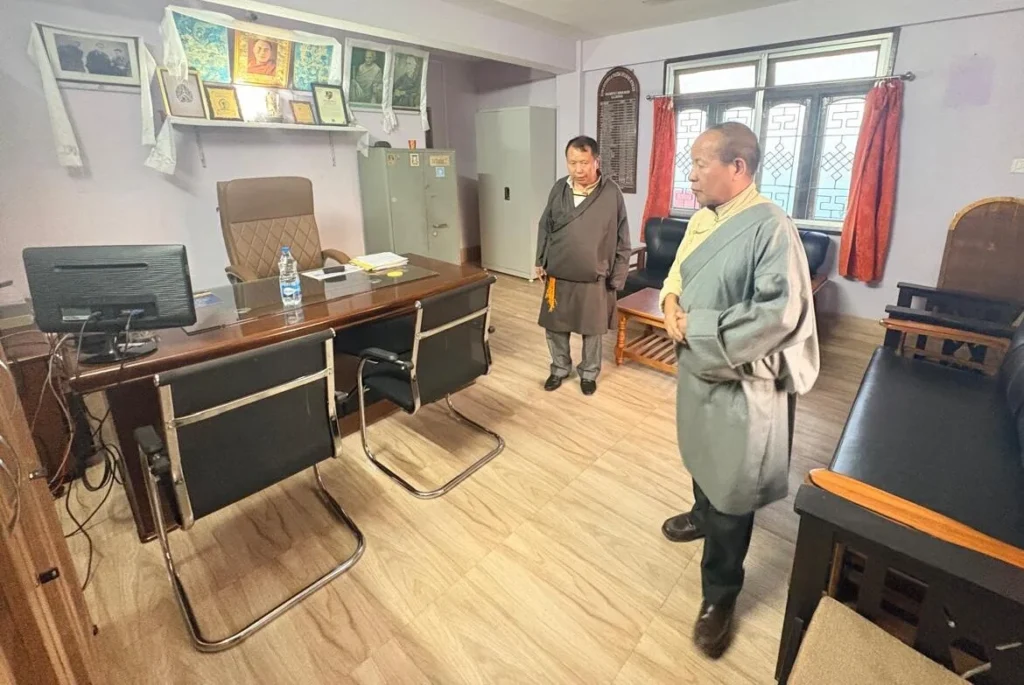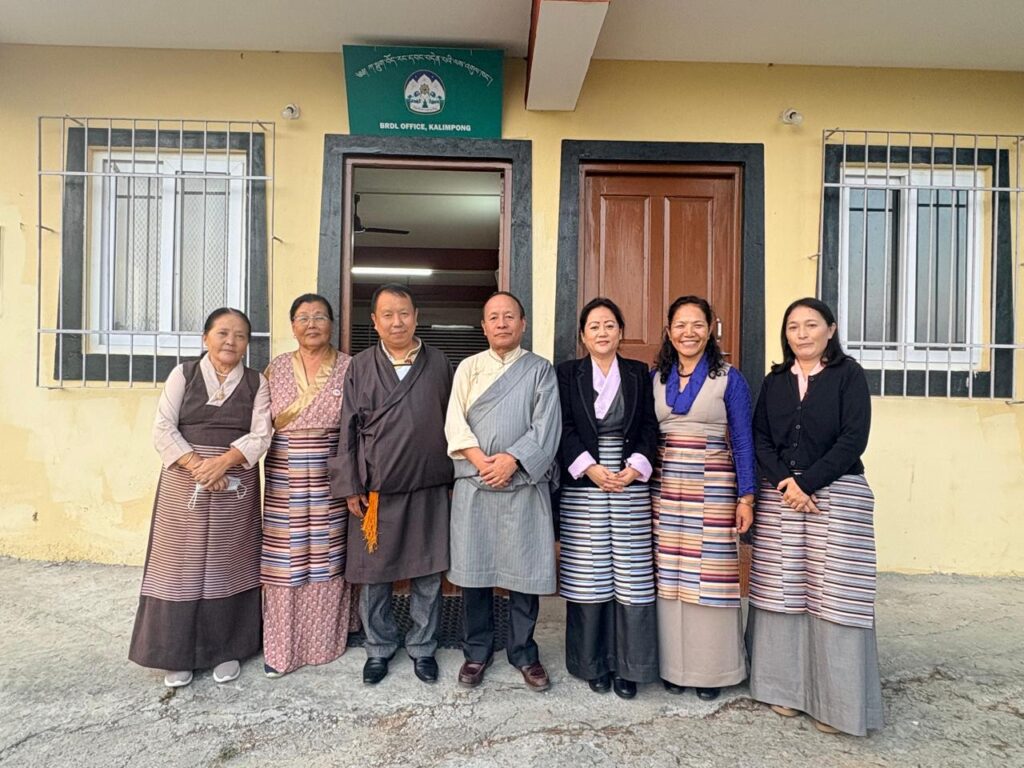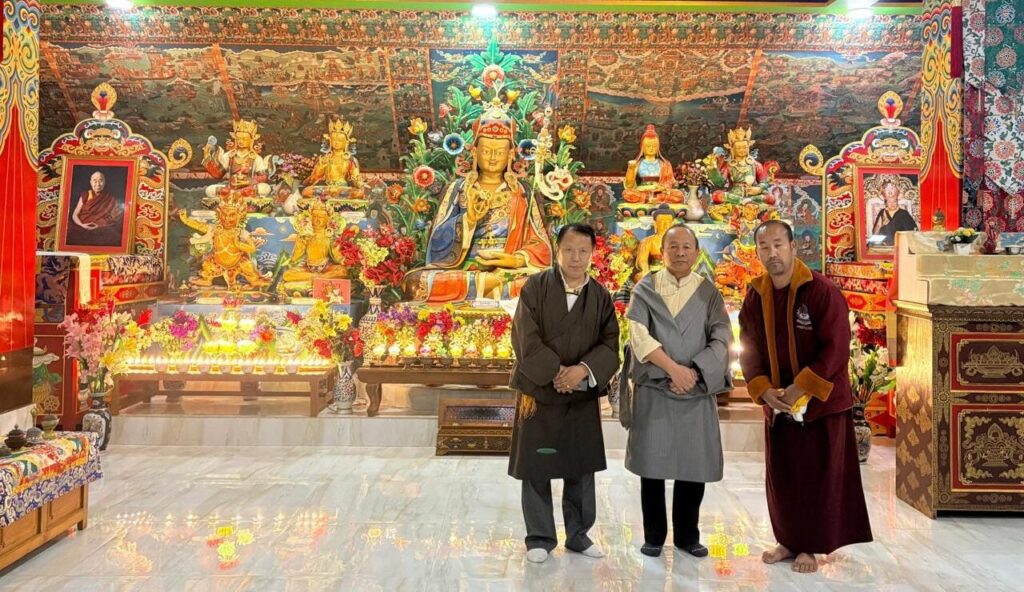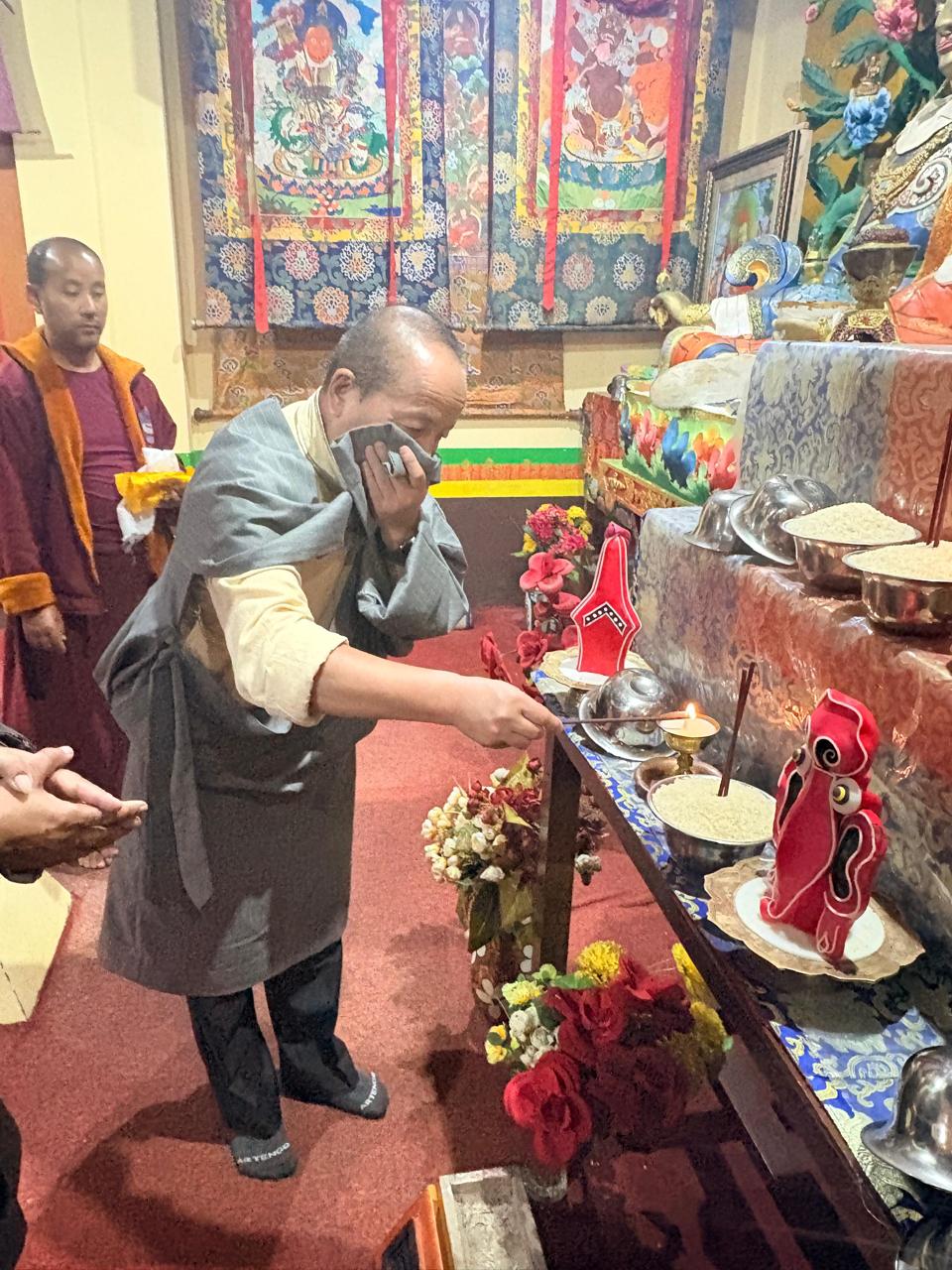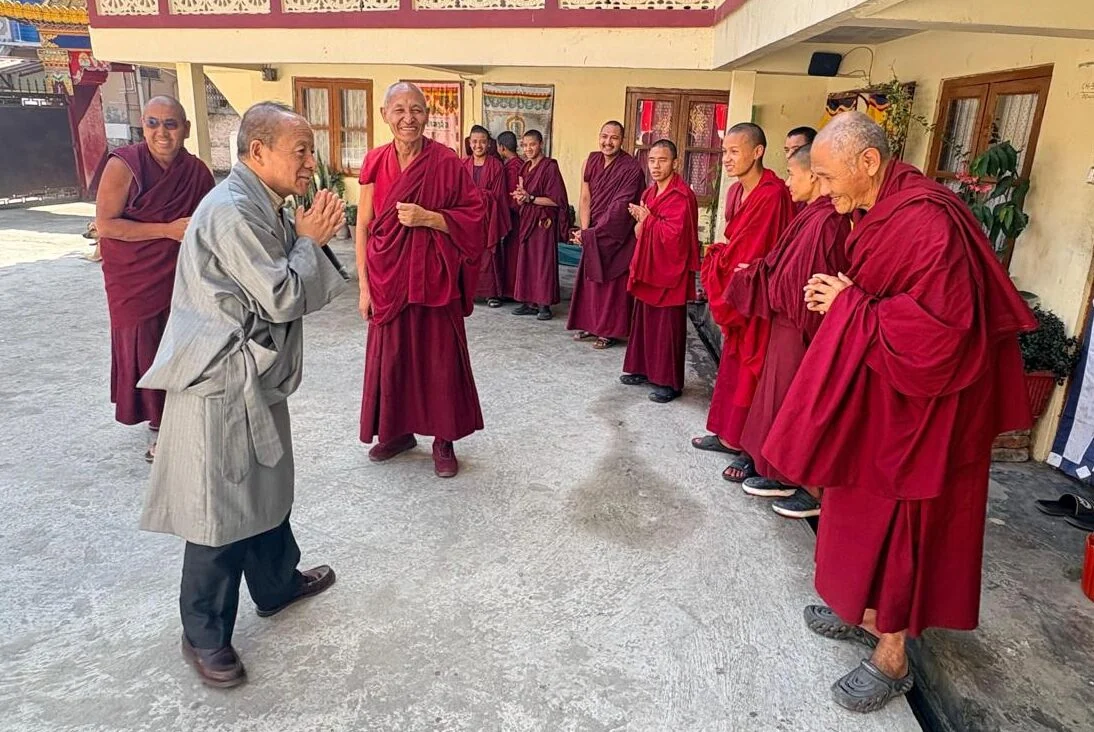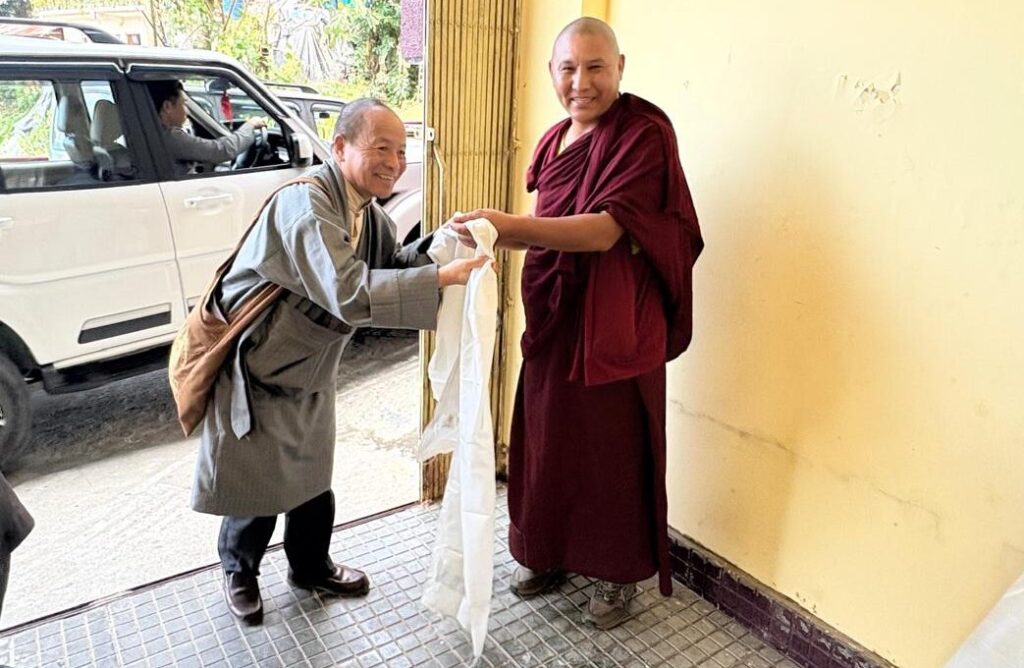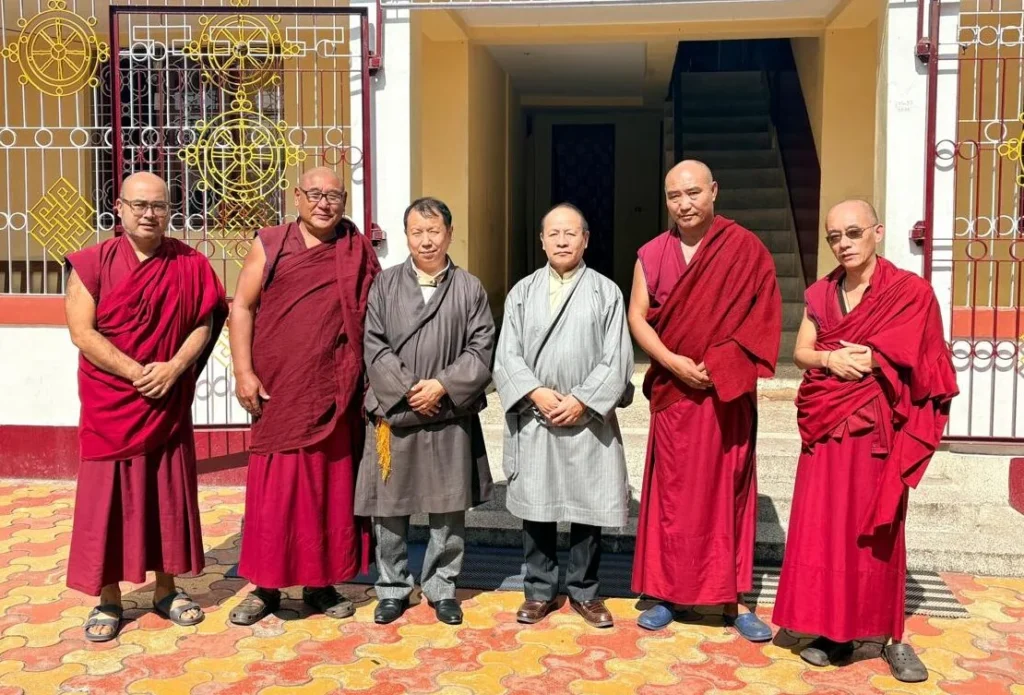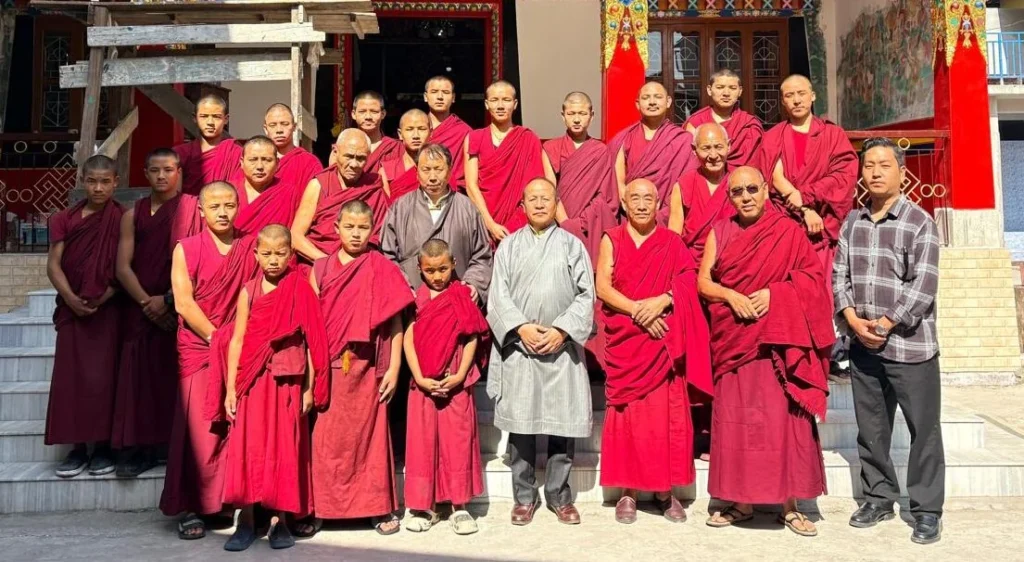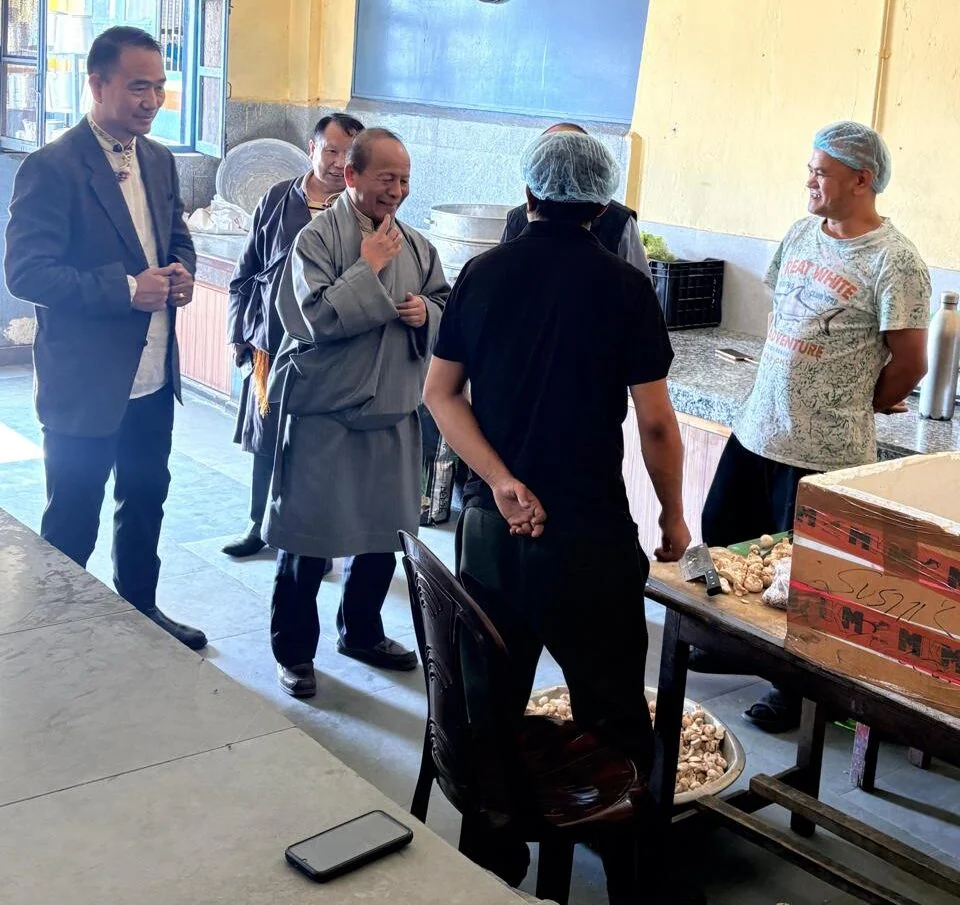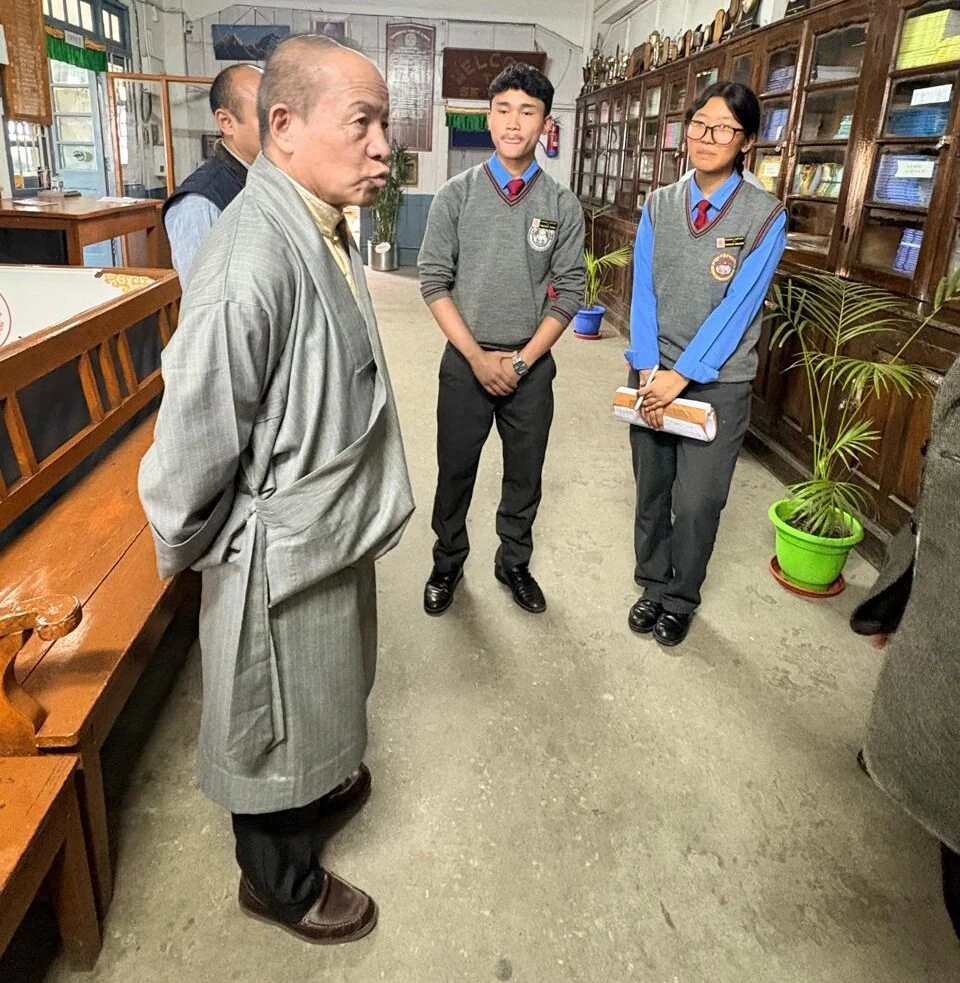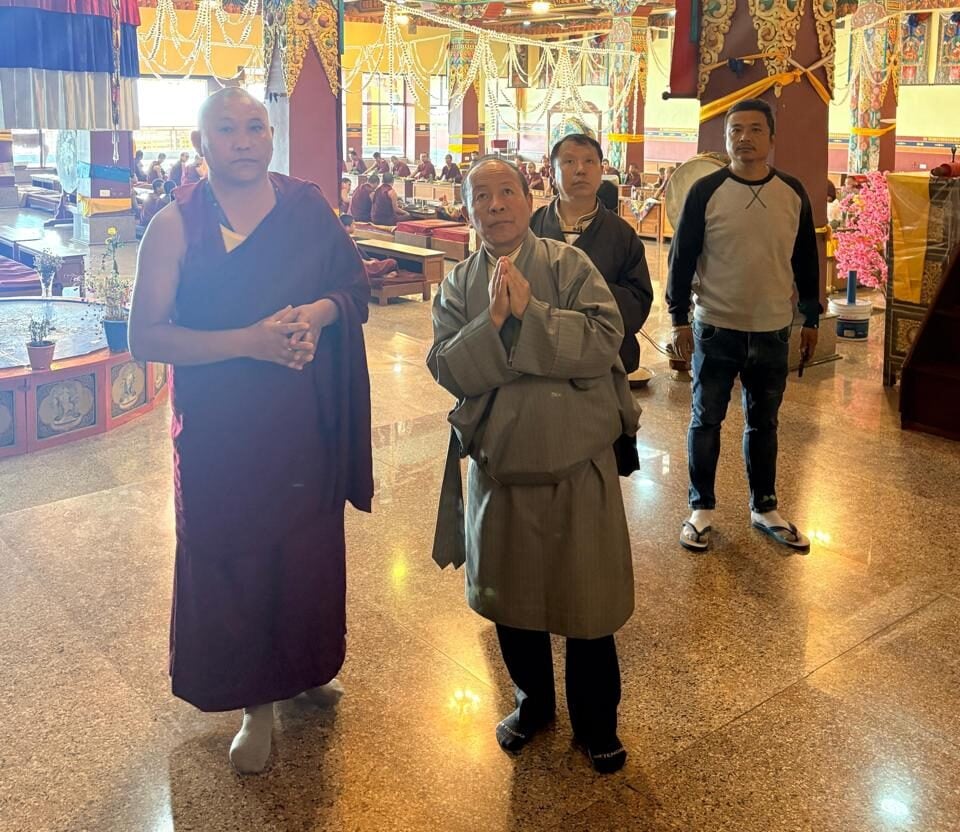
Kalimpong, West Bengal: Before concluding his official engagements in Darjeeling on 2 November 2026, Kalon Tsegyal Chukya Dranyi of the Department of Religion and Culture (CTA) visited monasteries and Sambhota Tibetan School on the final day of his visit to the famous hill town.
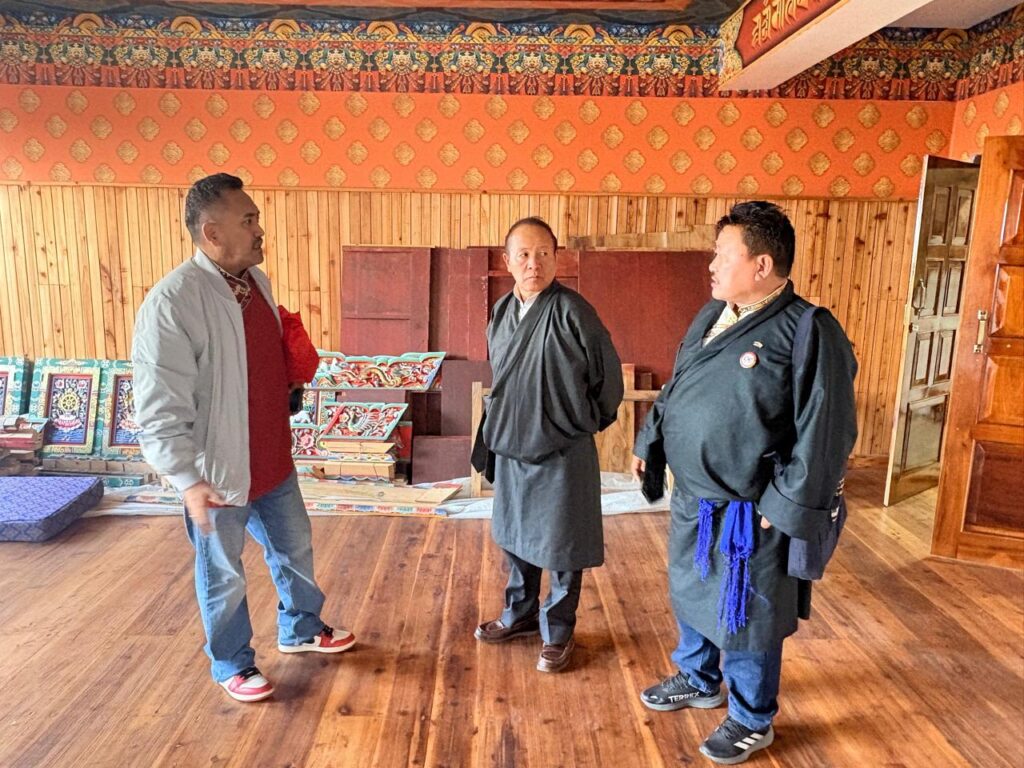
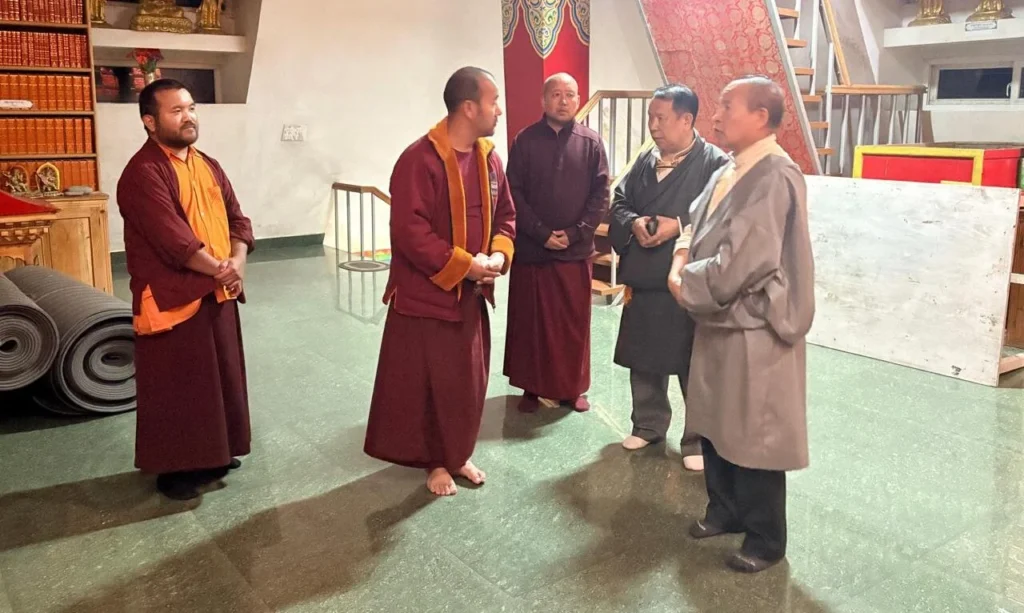
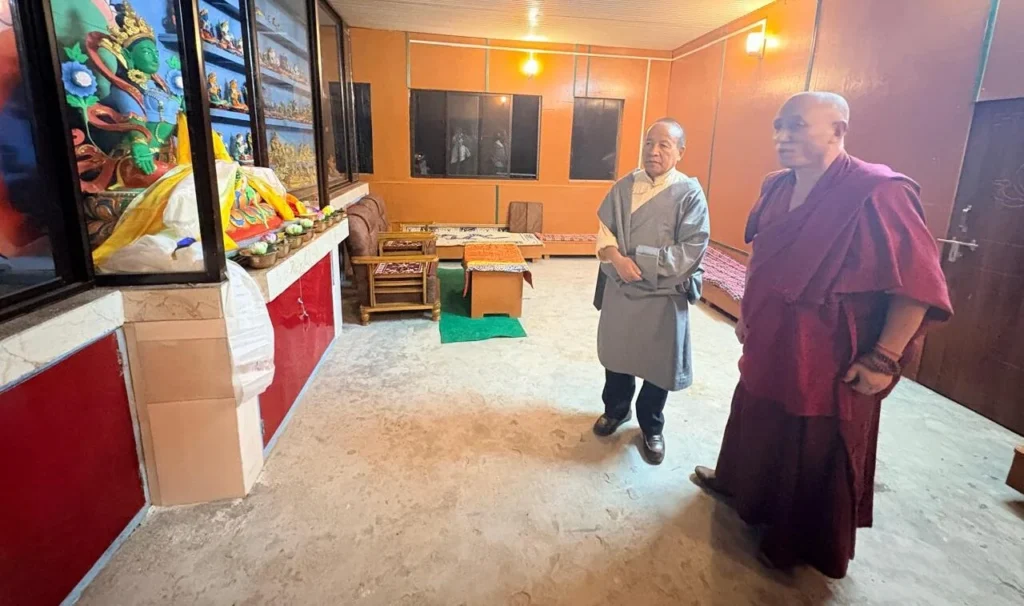
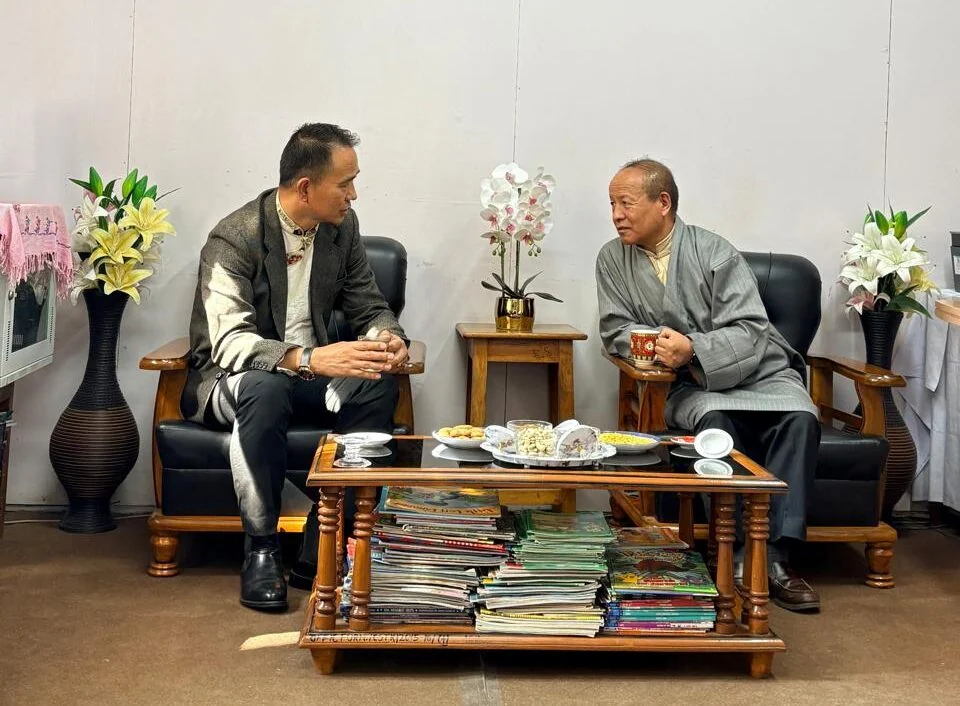
The Kalon began his day-long official programme with obeisances at Phuntsok Pema Chekhorling (Tsechu Monastery), Ogyen Kunsang Choekhorling, and Zigar Thupten Shedrupling Institute, where he met with monastic administrators to discuss a series of issues. He emphasised that monasteries with FCRA registration should pay attention to the frequently changing related laws and implement them in line with the spirit of the regulations. He further stressed that monasteries enrolling new novices from the Himalayan regions must obtain the relevant legal documents to avoid future complications.
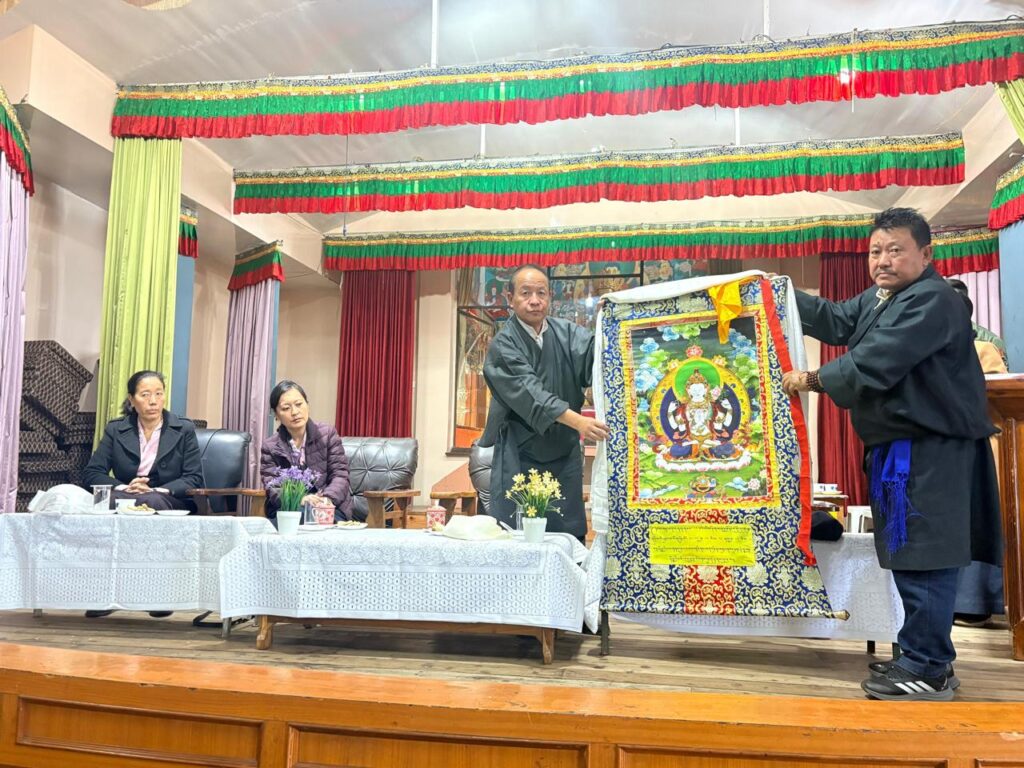
In addition, the Kalon introduced his Department’s two major projects, i.e., the Tibetan Digital Library and the Neykor App, during the interactions with the administrators.
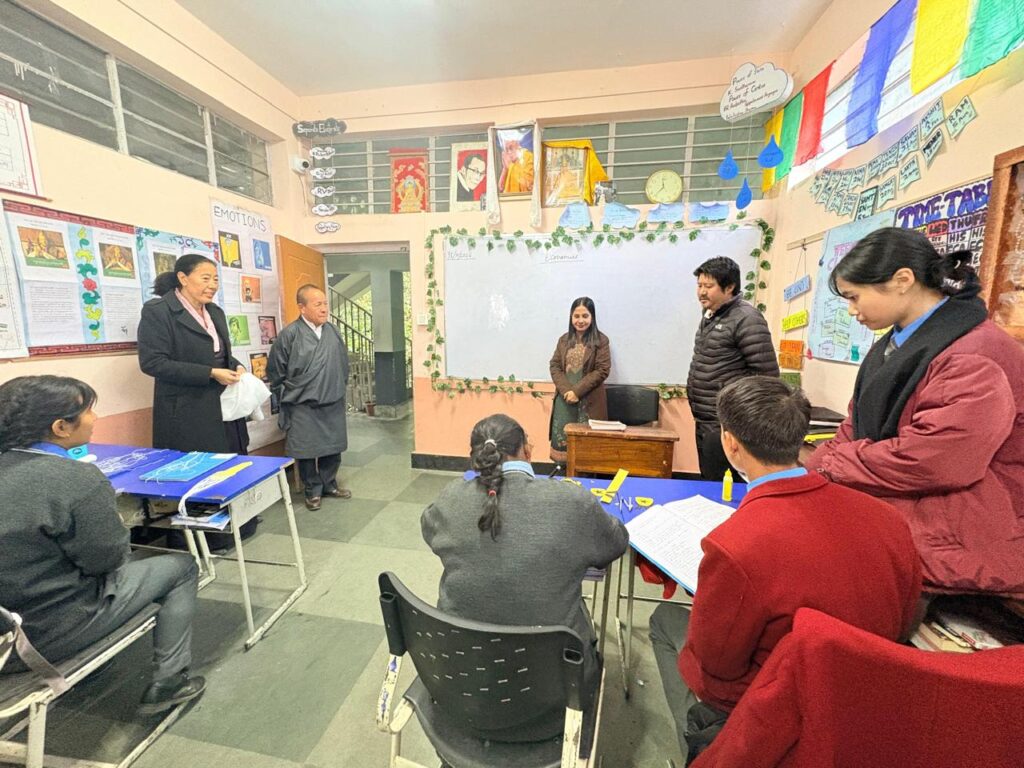
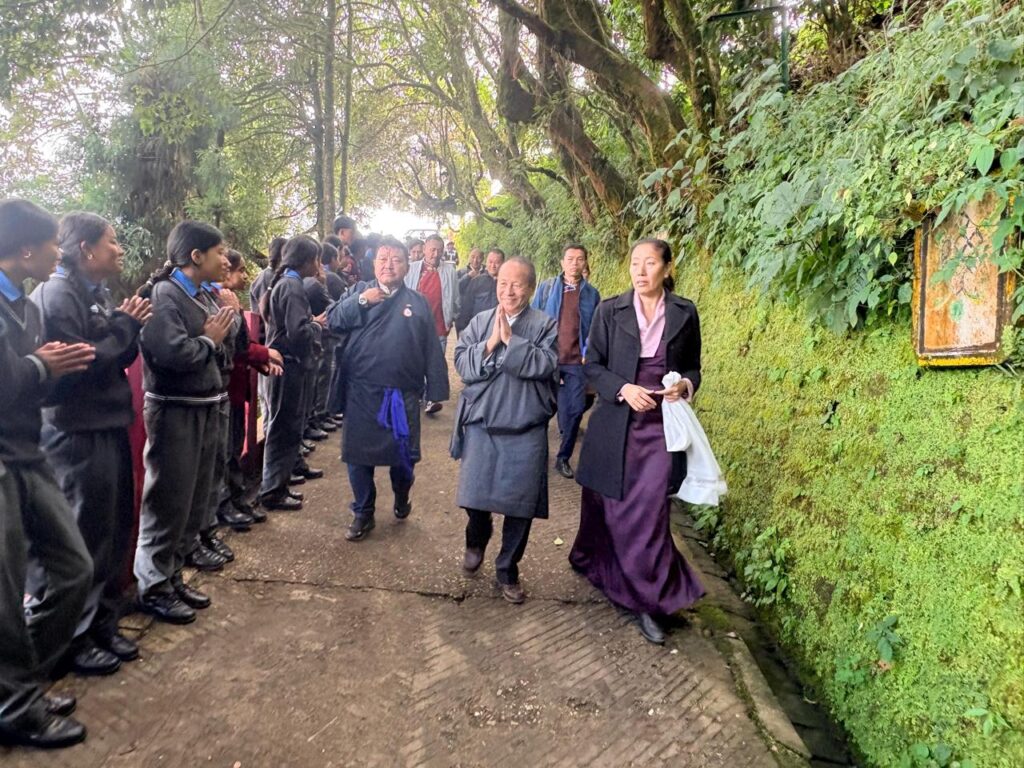
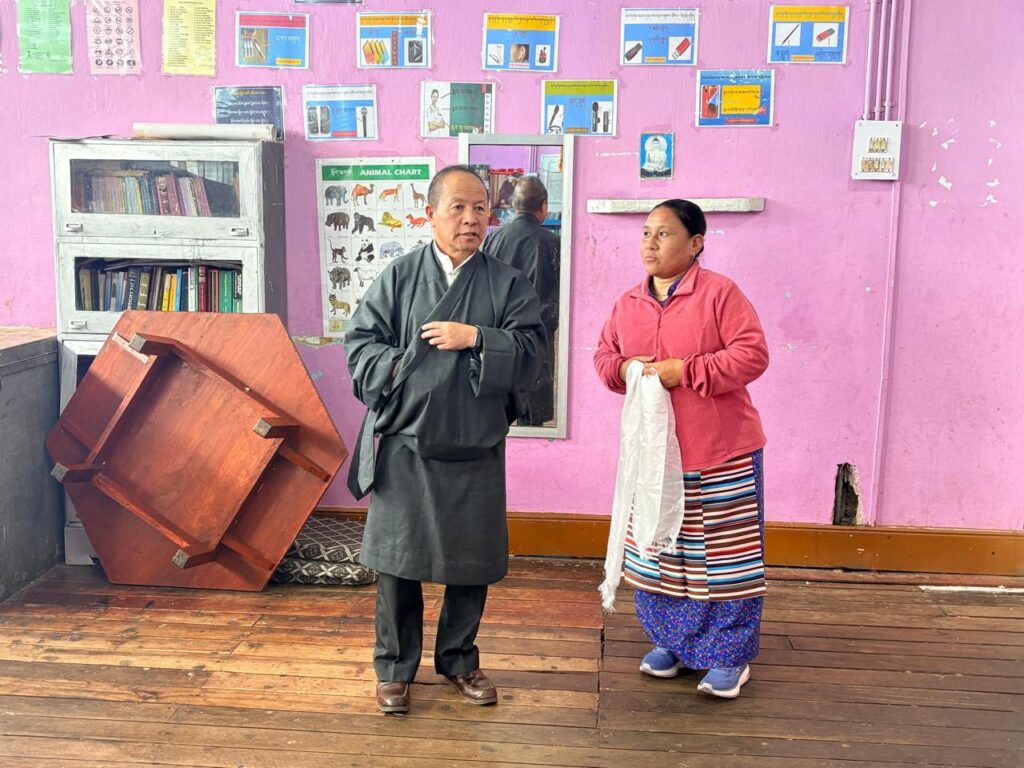
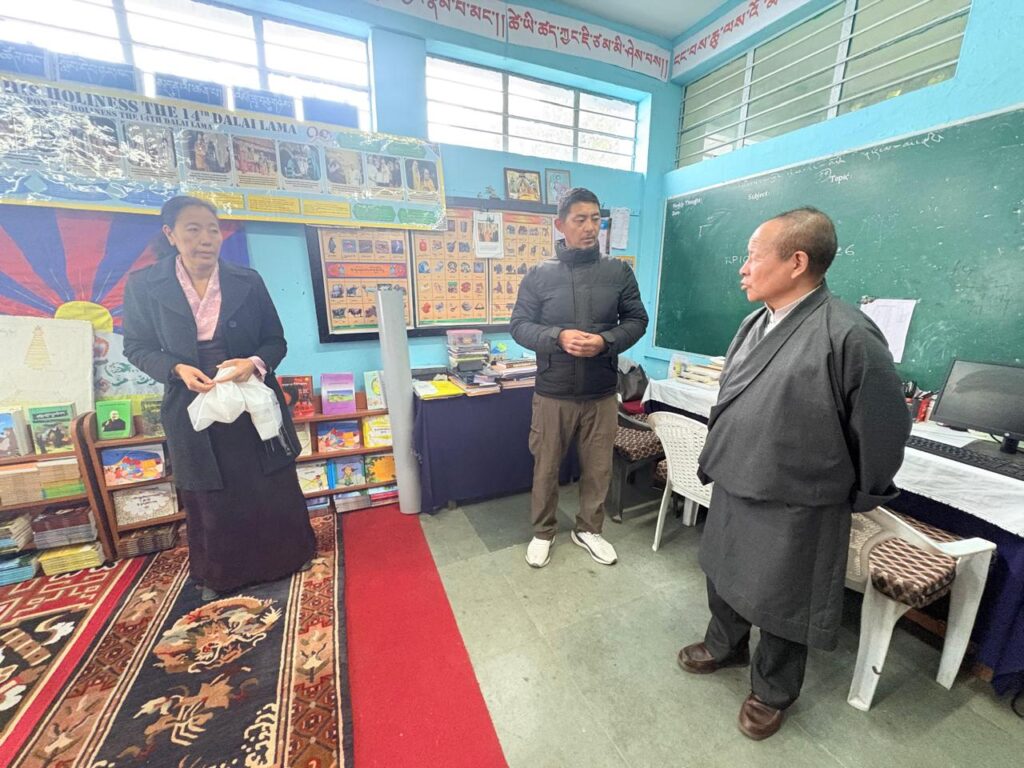
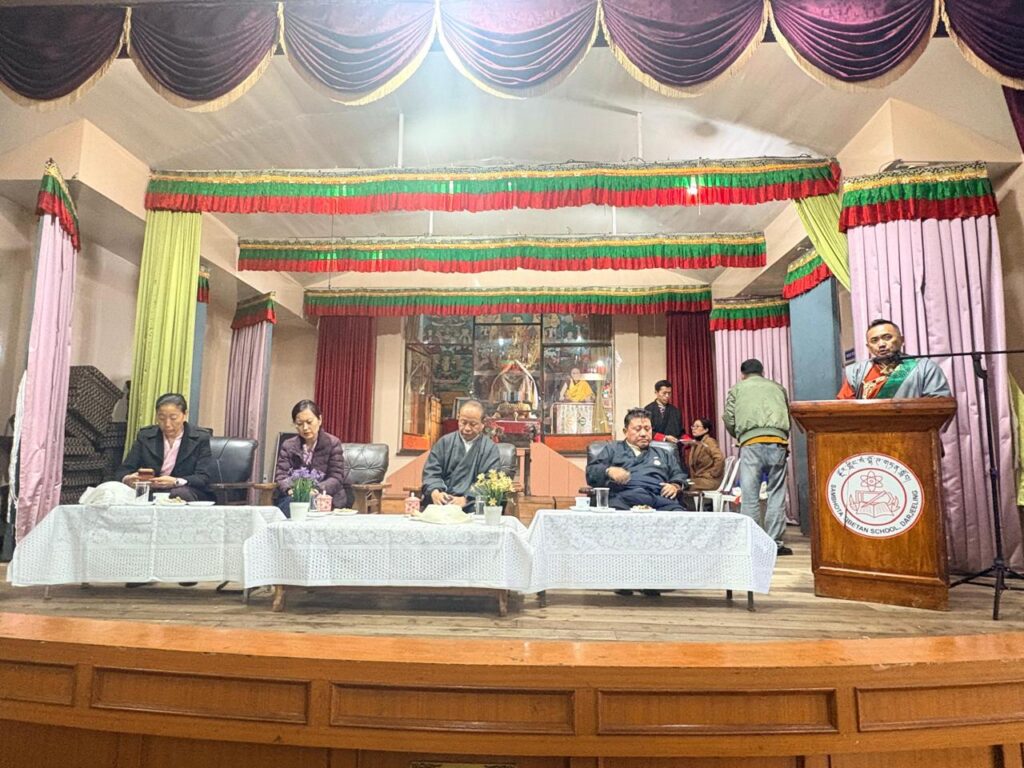
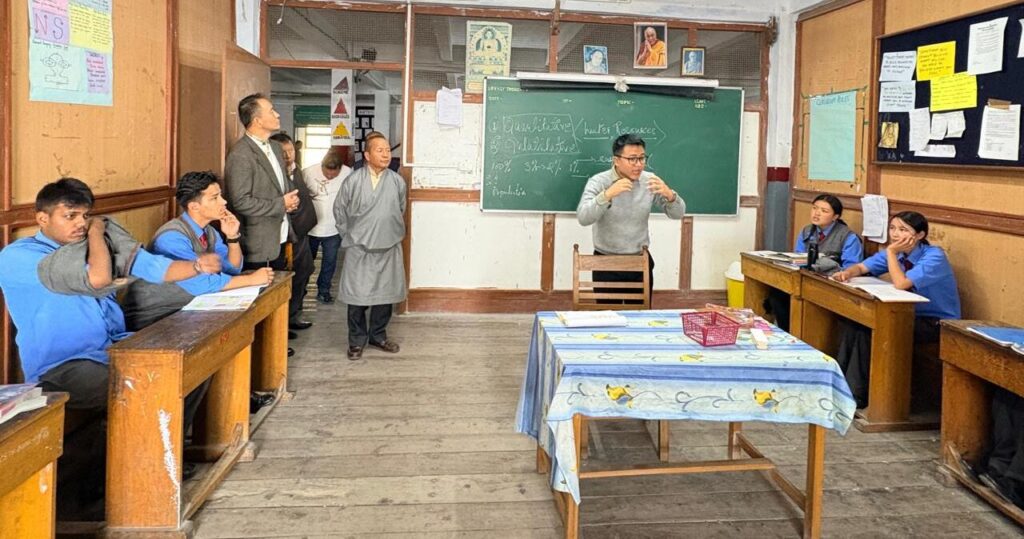
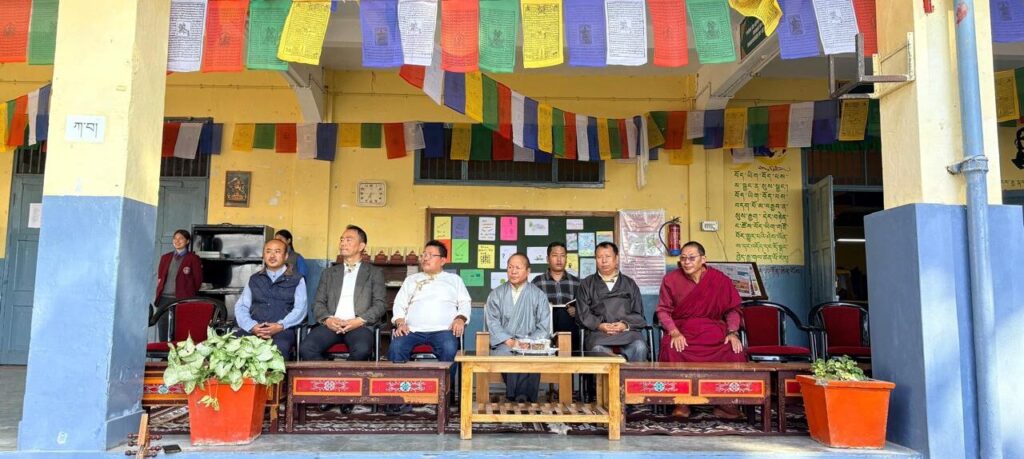
Following that, the Kalon visited Sambhota Tibetan School, Darjeeling, and addressed the students. The Kalon outlined the composition and priorities of the 17th Kashag, emphasising that its work is guided by the vision of His Holiness the Dalai Lama and conducted in accordance with established laws and regulations. He reaffirmed the Kashag’s respect for the autonomy of non-governmental organisations and its commitment to non-interference in their affairs. He also highlighted the Central Tibetan Administration’s efforts to modernise its administrative systems through data management and artificial intelligence, introducing the Department of Religion and Culture’s Tibetan Digital Library and Neykor App initiatives.
On the situation in Tibet, the Kalon expressed concern over the Chinese government’s efforts to undermine Tibetan identity through policies and legislation, including the so-called “Law on Promoting Ethnic Unity and Progress”. He commended the courage of Tibetans inside Tibet in resisting these measures despite immense challenges and urged Tibetans in free countries to remain engaged with the situation in Tibet and the Tibetan cause. He underscored the importance of educating younger generations about Tibet’s circumstances and preserving their distinct identity.
The Kalon stressed that the continuation of the Tibetan struggle depends on preserving Tibetan identity. He highlighted parents’ responsibility to pass on Tibet’s religious and cultural traditions, language, script, values and ethics to their children, ensuring their continuity for future generations.
He also expressed concern over demographic changes within the exile Tibetan community. Restrictions imposed by the Chinese government have significantly reduced the number of Tibetans arriving from Tibet, while the migration of younger Tibetans abroad and declining birth rates have contributed to a shrinking population in monasteries, schools and settlements across India, Nepal and Bhutan. He urged the community to recognise the seriousness of this trend and encourage younger generations to contribute to sustaining the Tibetan population and its community institutions.
Before proceeding to Kalimpong Tibetan Settlement, situated 50 kilometres from Darjeeling, the Kalon visited Druk Thupten Sangag Choeling Monastery and Phuntsok Ngayab Choekhorling.
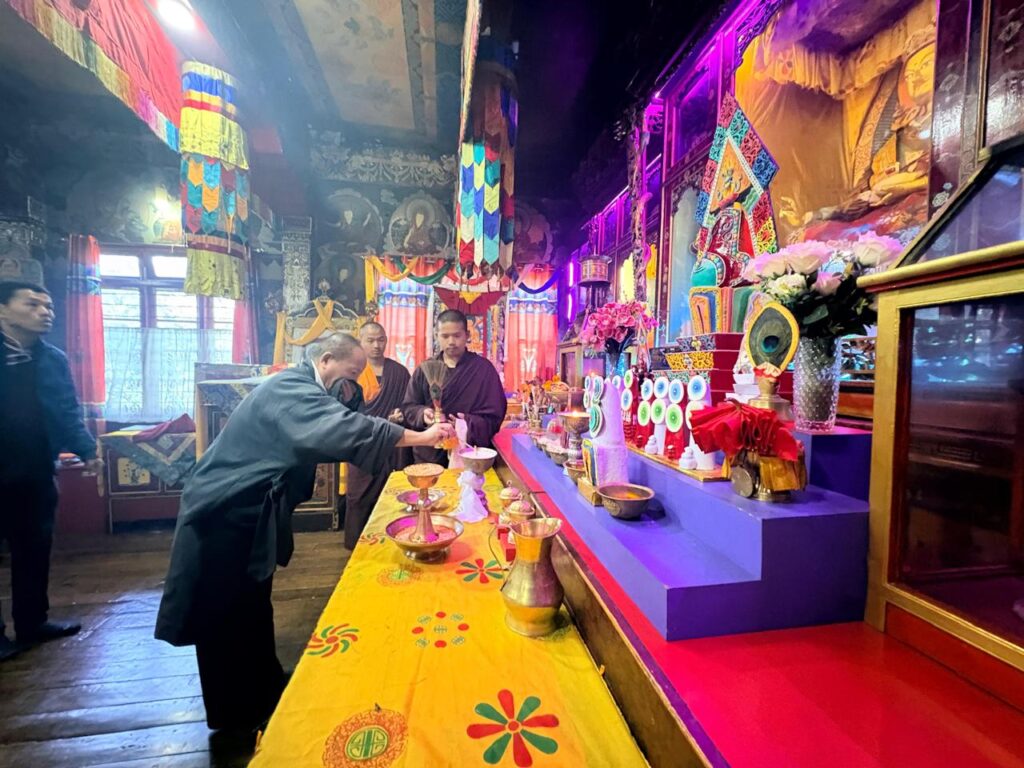
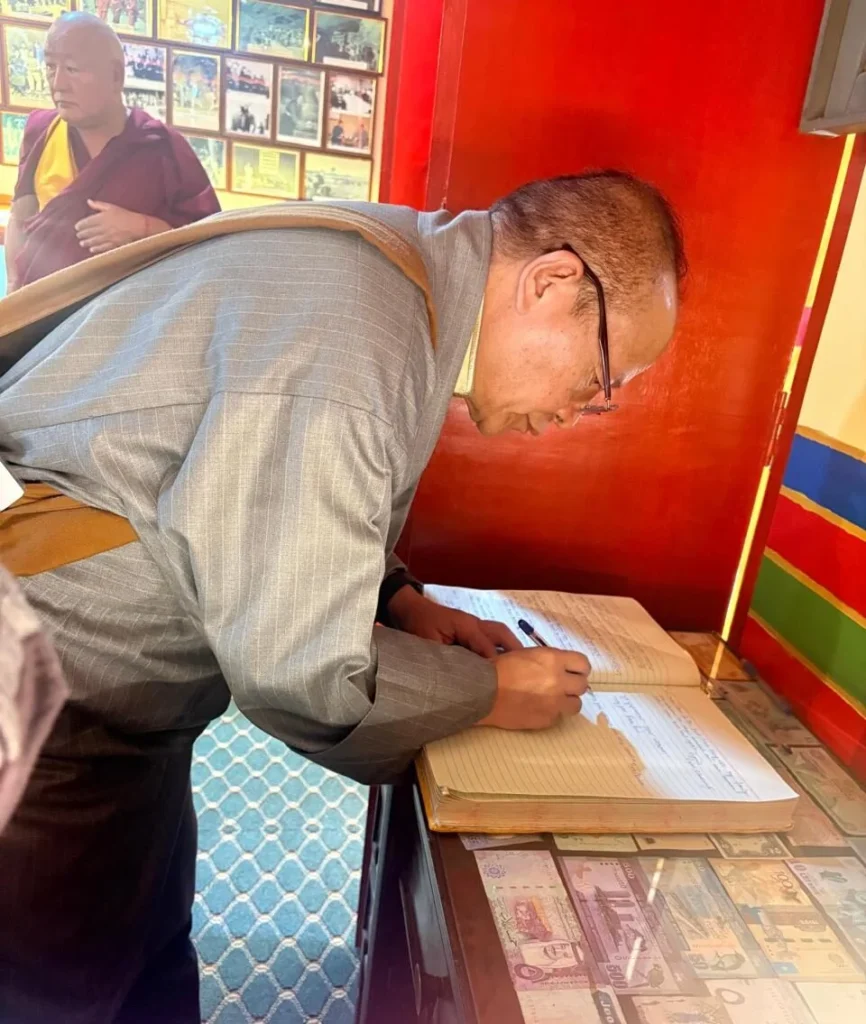
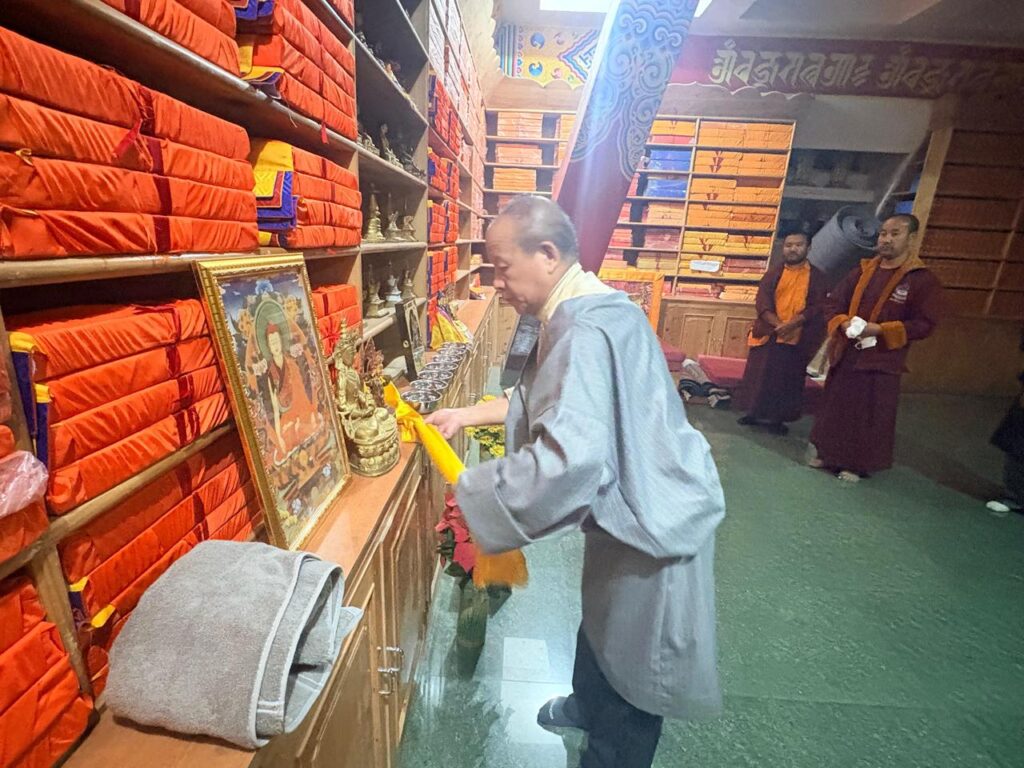
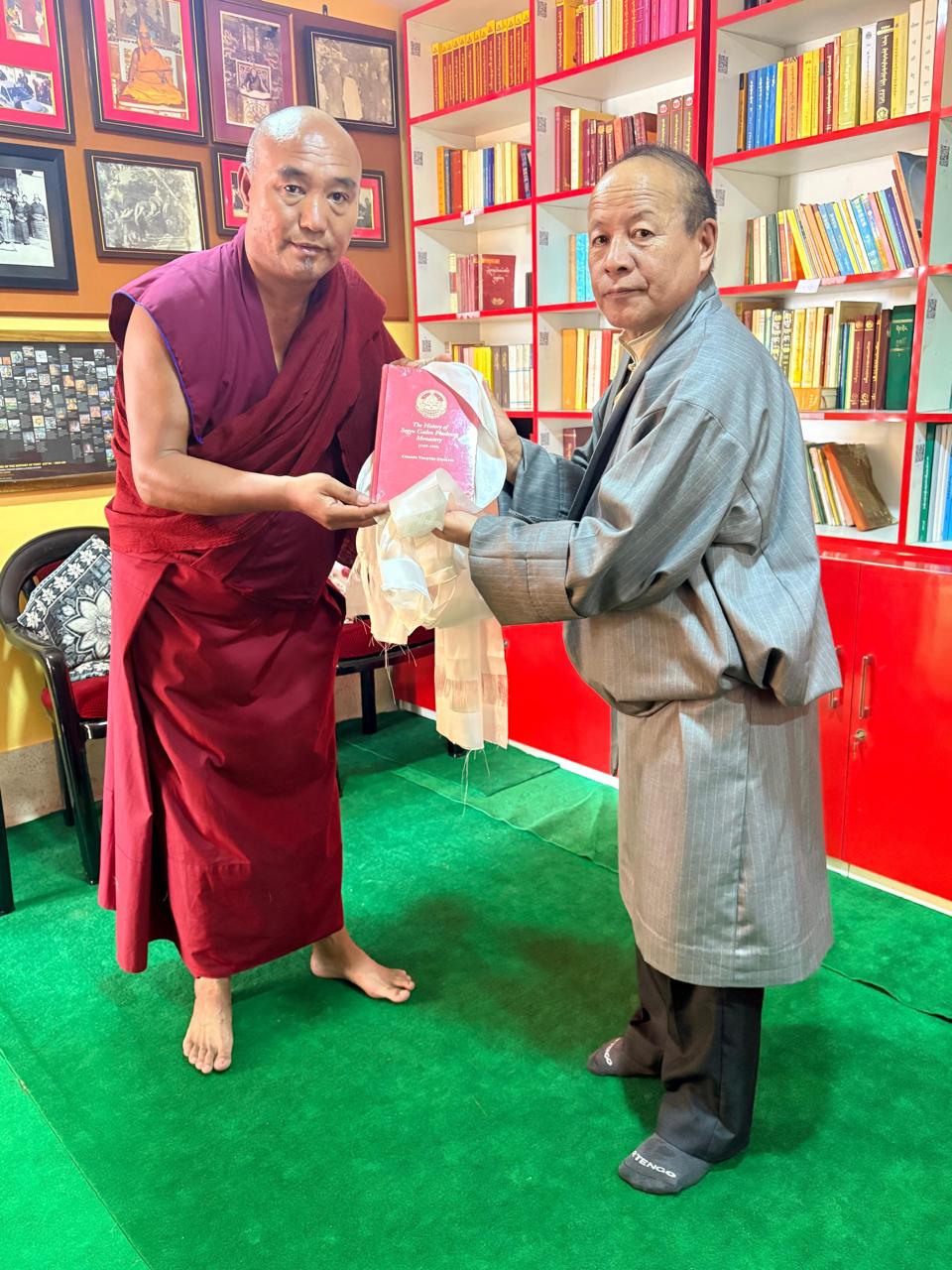
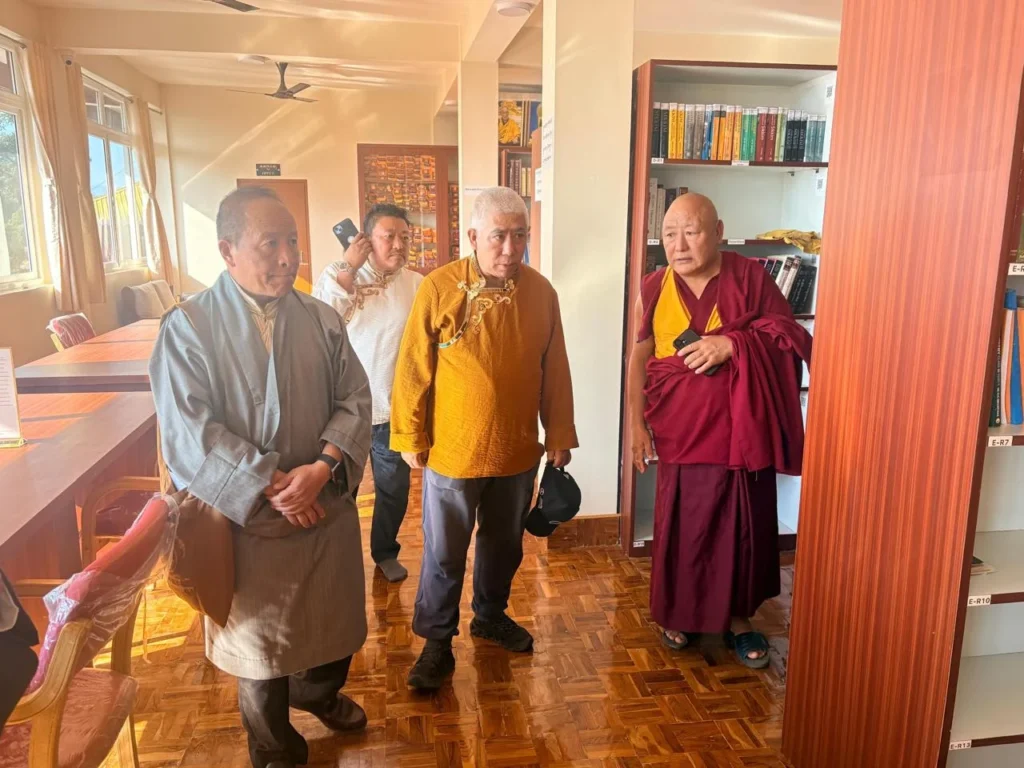
The following day in Kalimpong, the Kalon paid homage at the Gaden Tharpa Choling Monastery and visited its museum and library.
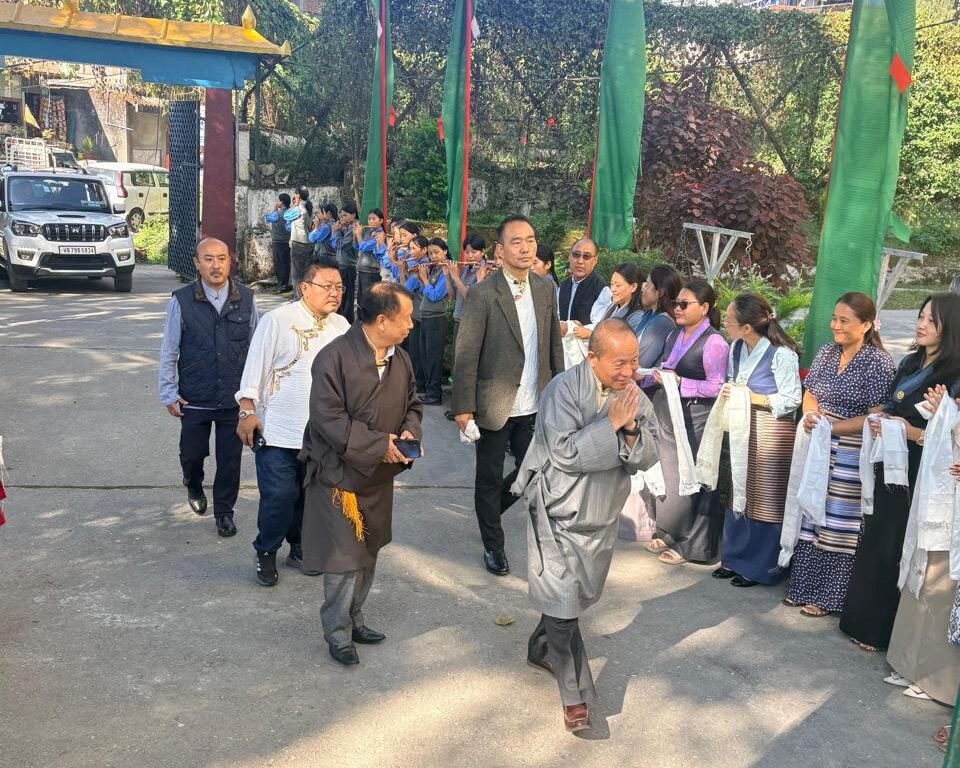
Kalon then visited Sambhota Tibetan School, Kalimpong, and attended the school’s morning assembly. In his address to the students and teachers, Kalon spoke about the potential dire consequences that the Chinese government’s assimilative ethnic policies and coercive enrollment of young Tibetans into state-run, colonial-style boarding schools have on the continued survival of the distinct Tibetan identity. Hence, he encouraged the gathering to reinvigorate efforts to preserve and promote Tibetan linguistic, cultural, and religious heritage.
He urged teachers to maximise their use of Tibetan in instruction to set an example for students and increase programmes and activities that promote the use and preservation of the Tibetan language and script in the school. To the students, Kalon advised them to maintain their health and put maximum effort into their studies.
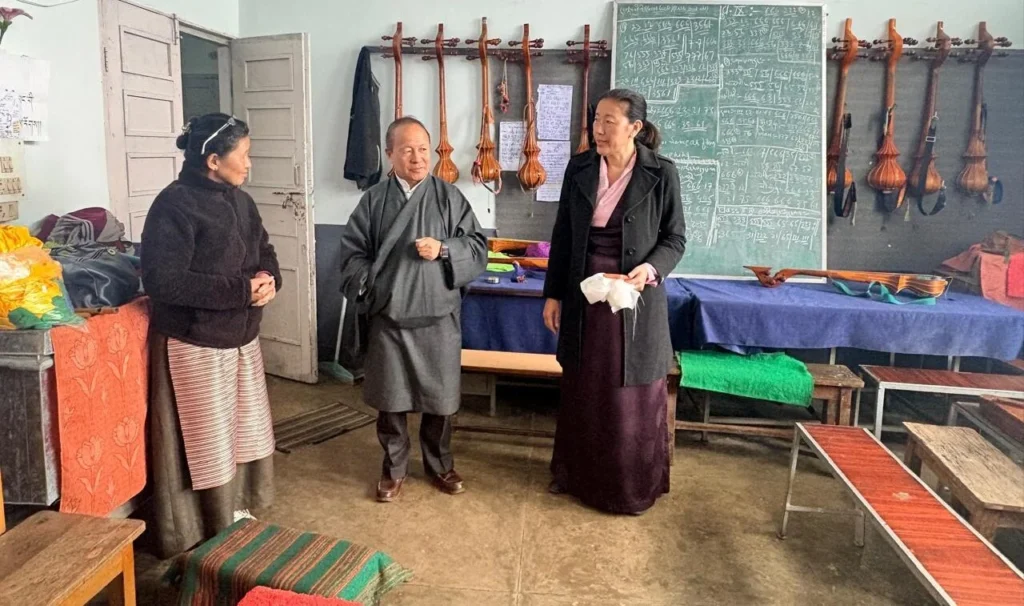
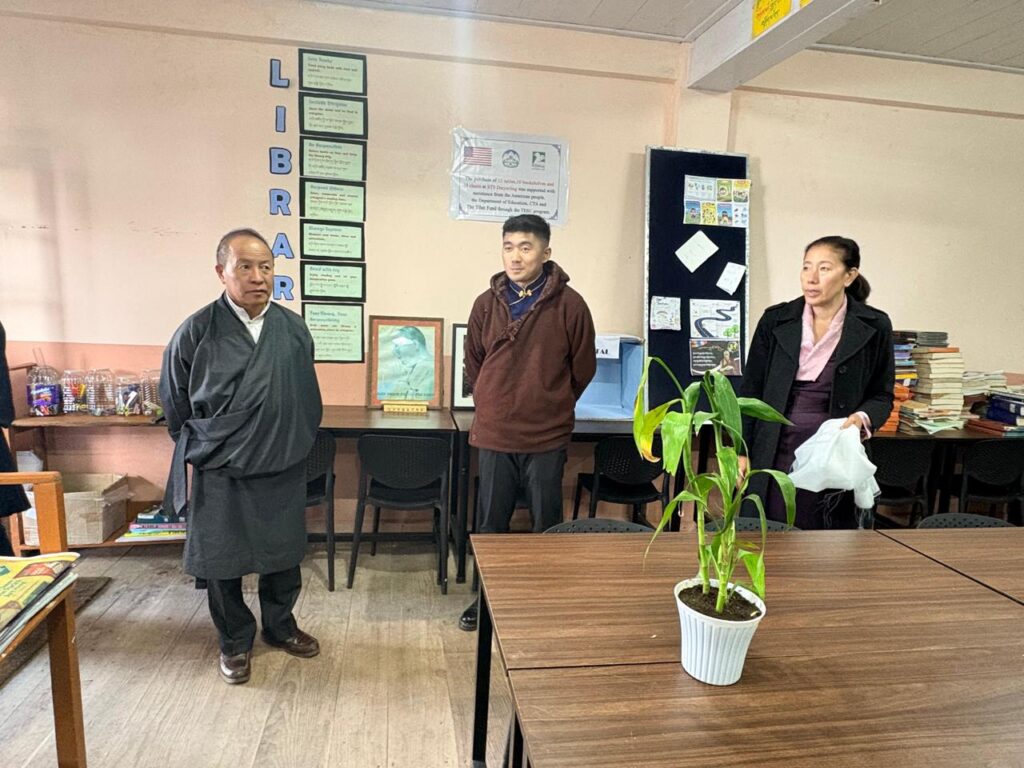
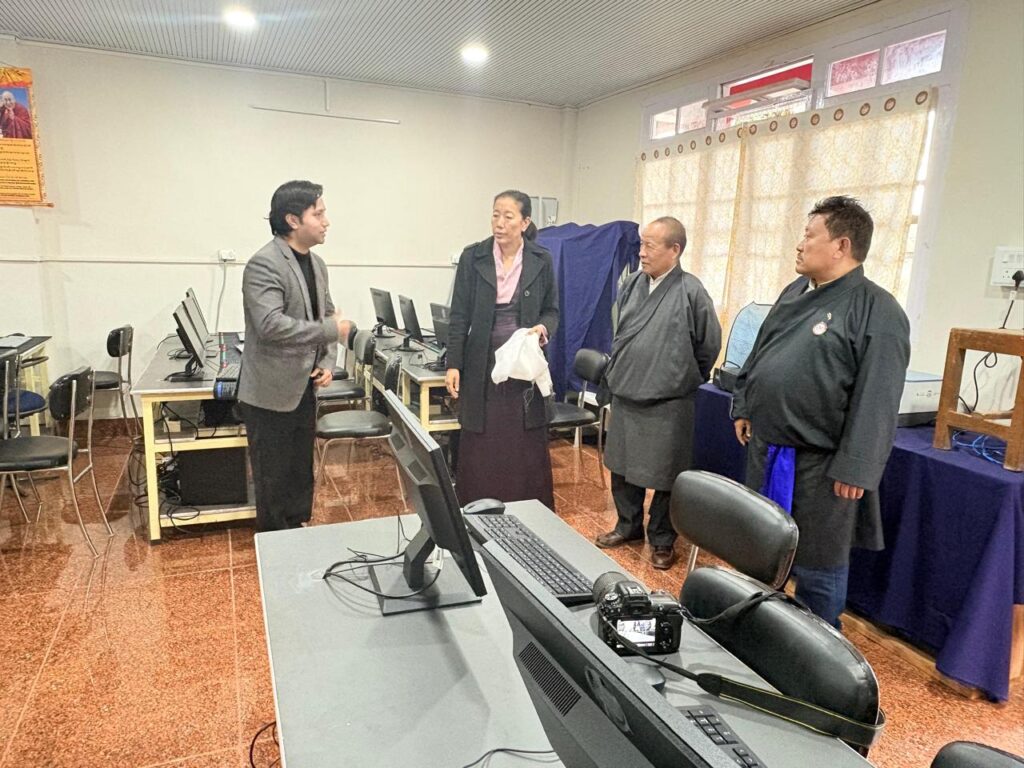
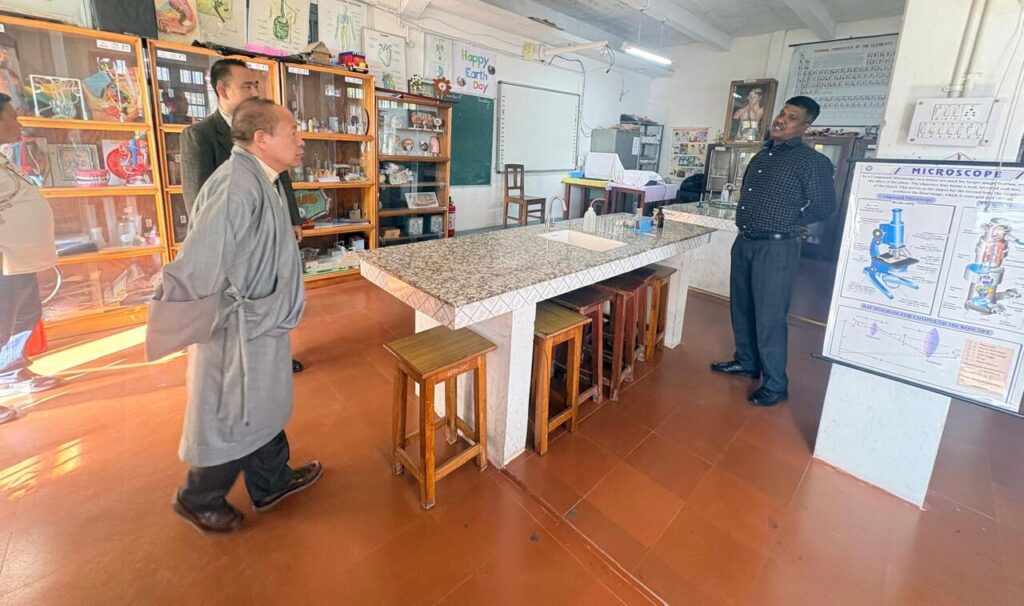
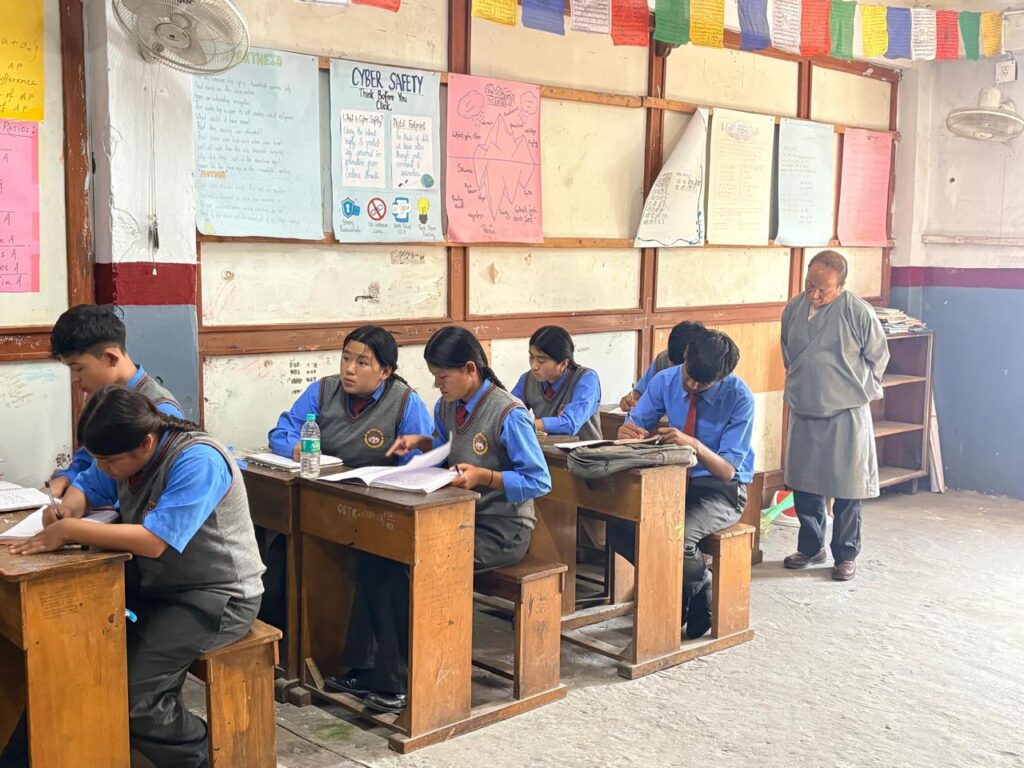
After his address, the Kalon inspected the departments, classrooms, and hostels of the school and then proceeded to visit Tsechen Trinley Dhargyeling, Palden Sedgyed monastery, and Zhekar Choede Monastery, where he reiterated compliance with FCRA rules and proper documentation of new novices from Himalayan communities.
Later that afternoon, the Kalon addressed the general public after attending a luncheon held by the settlement’s organisations and institutions.
In his keynote speech to residents, the Kalon reemphasised key issues he raised during public addresses at previous settlements.
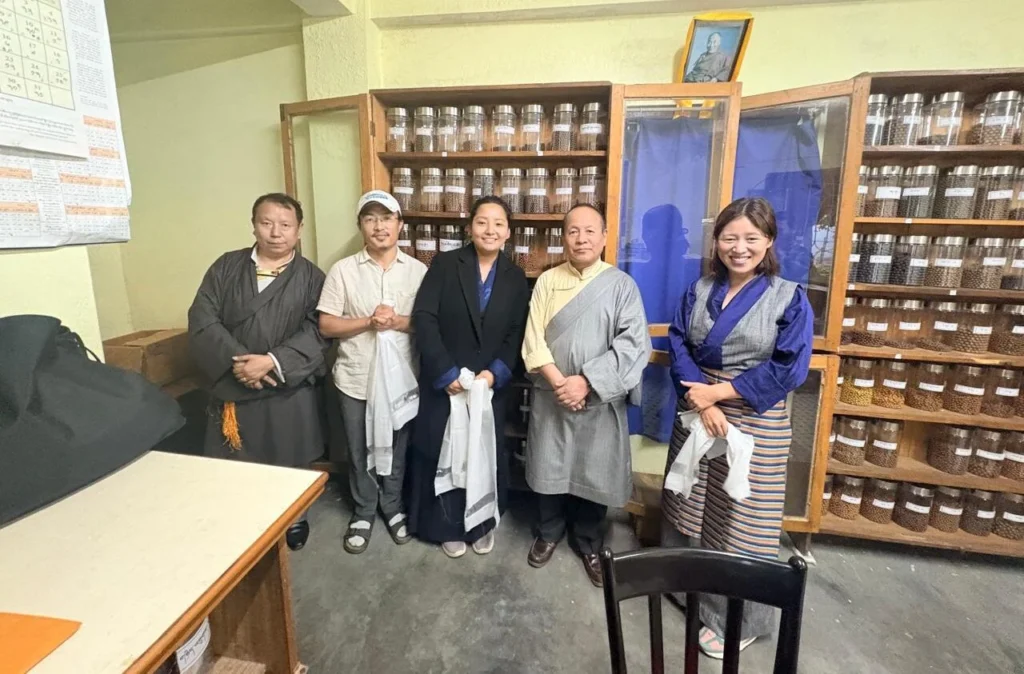
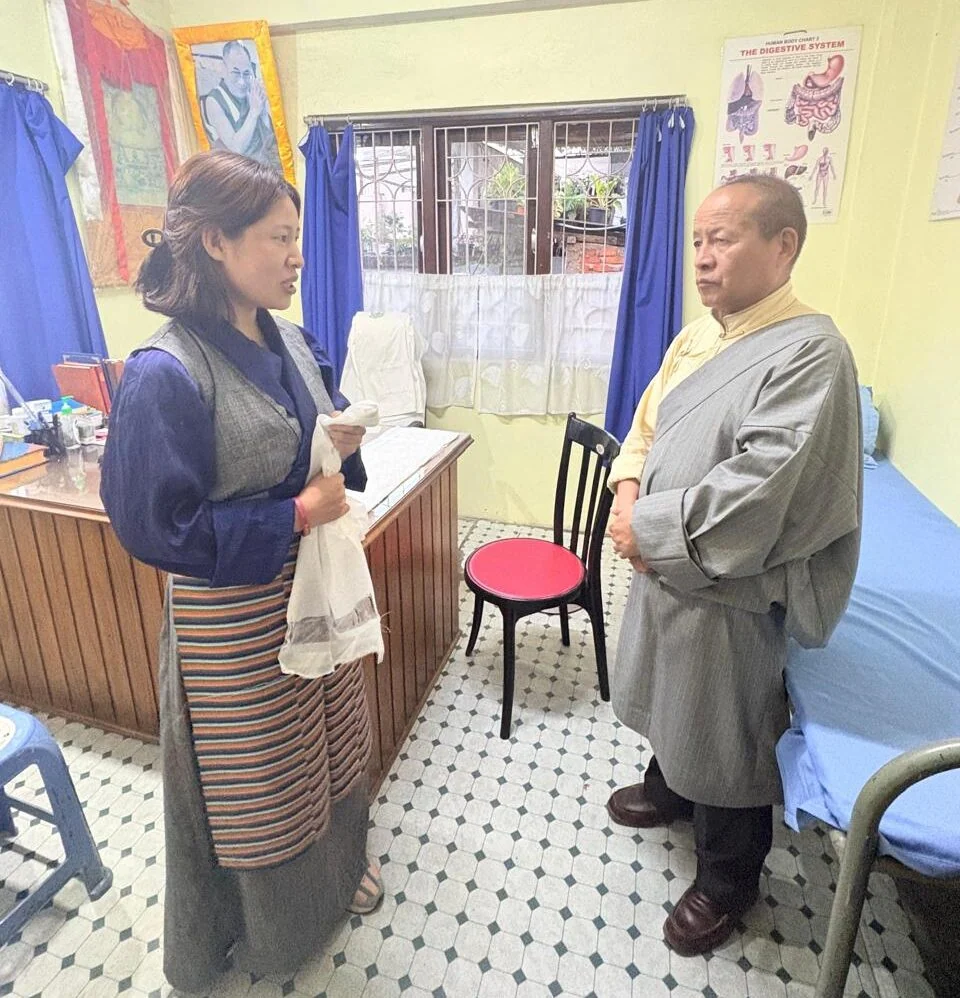
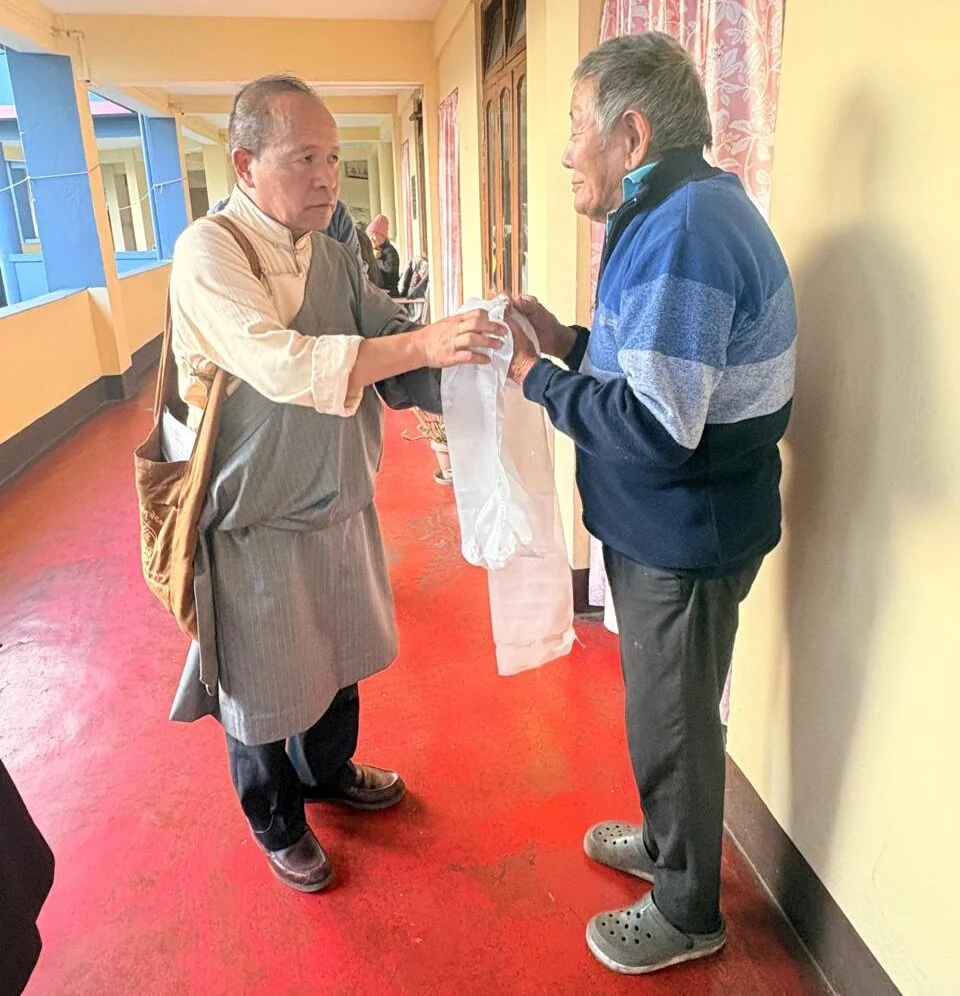
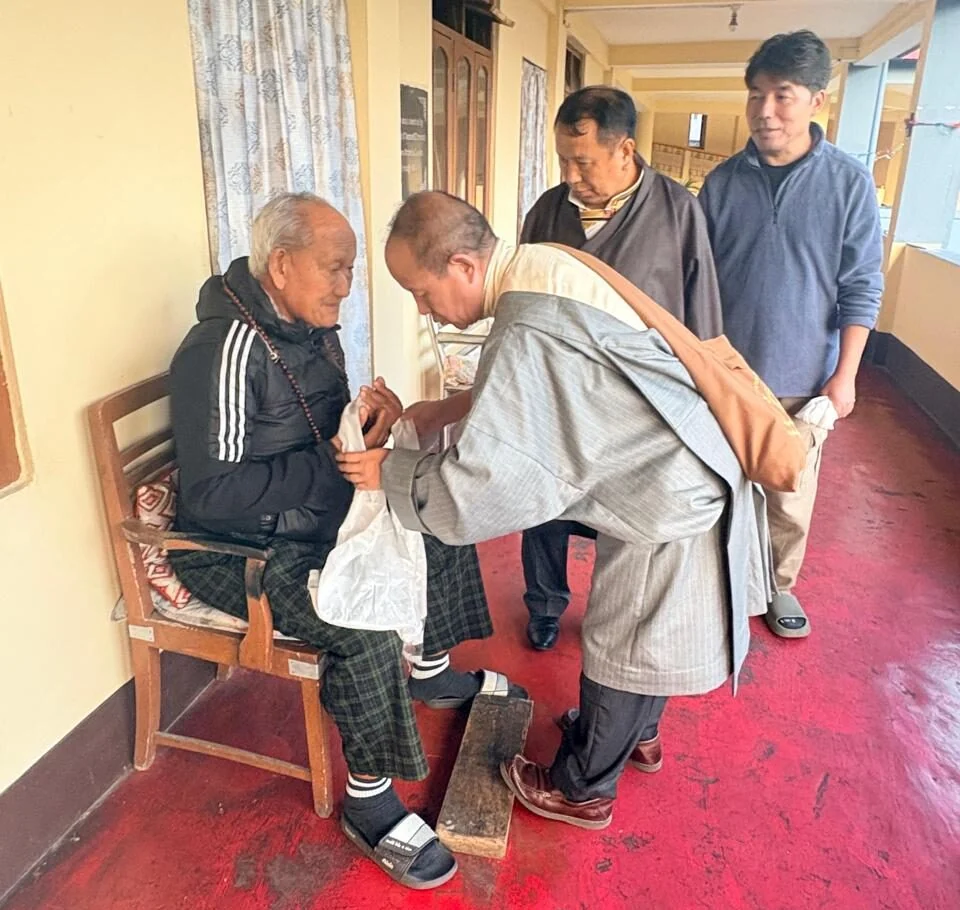
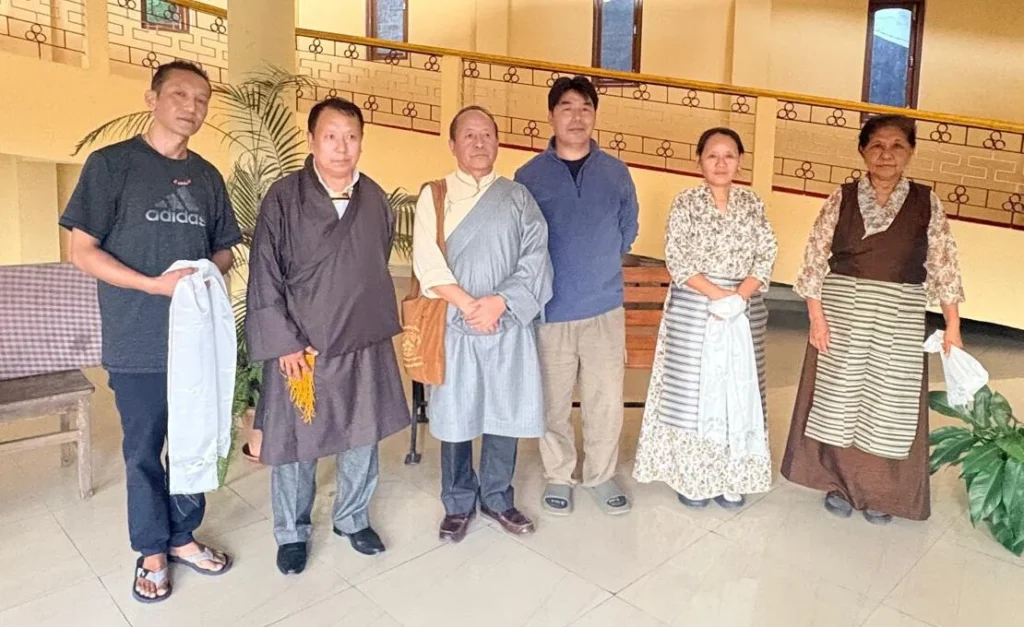
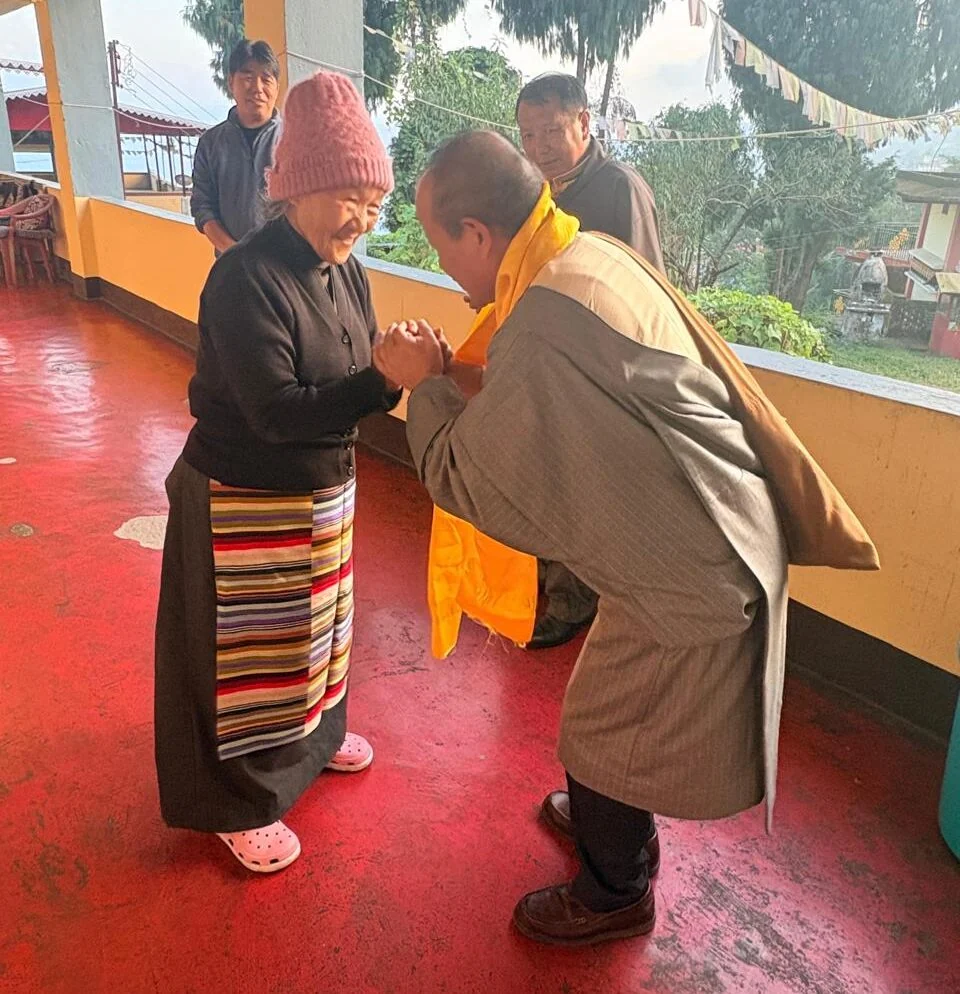
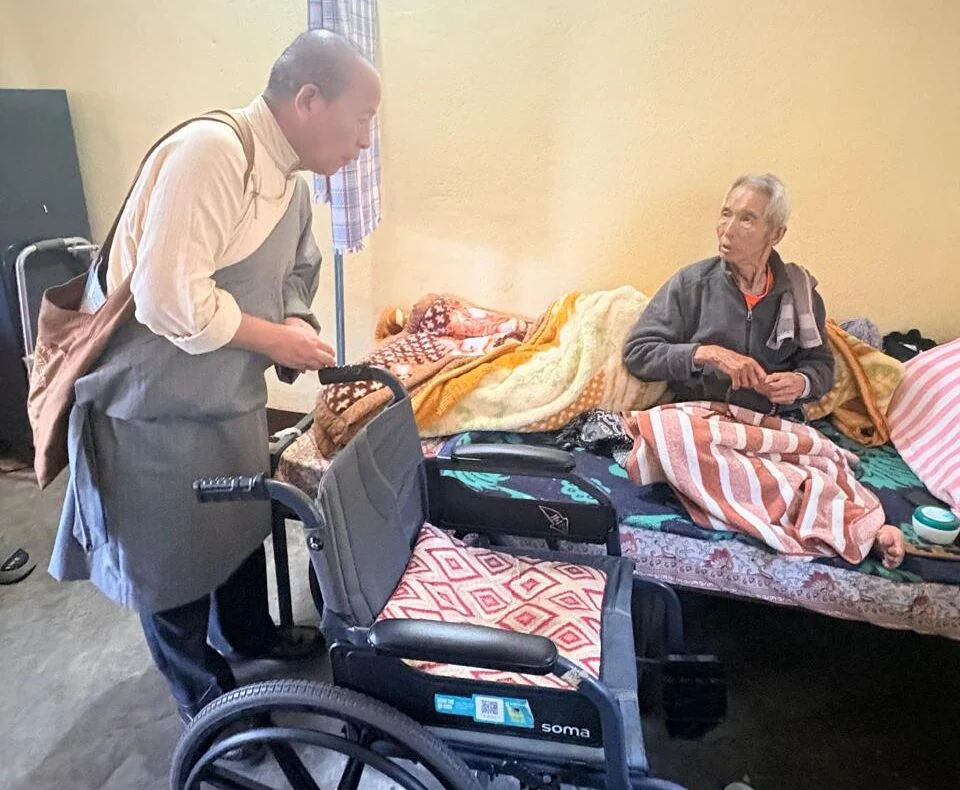
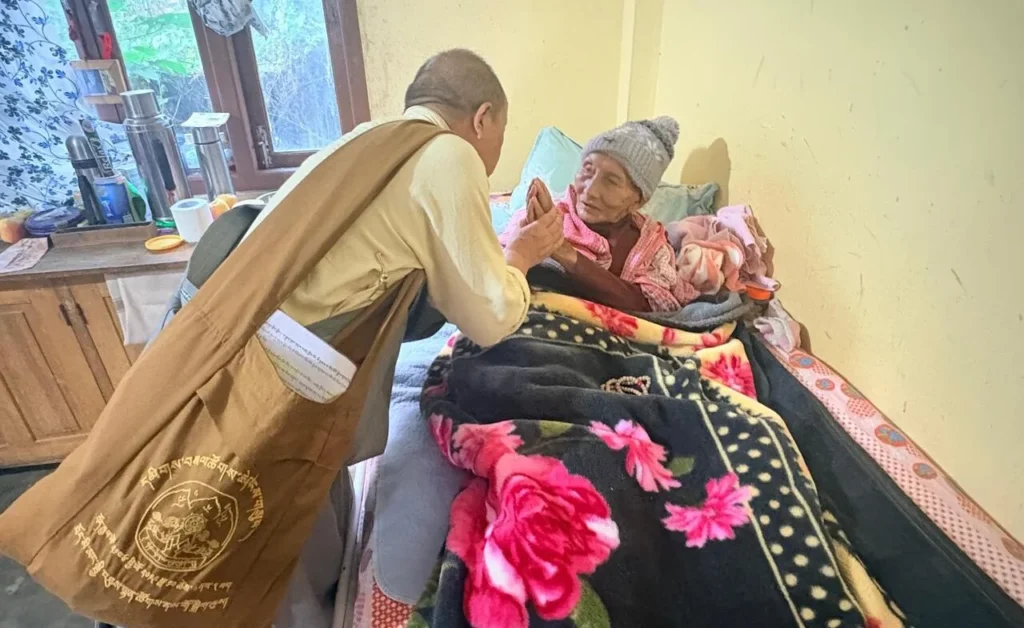
Before wrapping up his first-day engagements in Kalimpong, Kalon also visited the Old People’s Home, where he encouraged elders to pray and accumulate merit for the next life, in line with Buddhist beliefs. He further visited the Local Tibetan Assembly hall, the Regional Tibetan Freedom Movement’s hall, the Tibetan Health Care Centre, the regional branch of Men-tsee-khang, and the Tibetan Settlement Office, as well as Algarah-based Gyuto Monastery and Ugen Mindrol Samtenling Monastery.