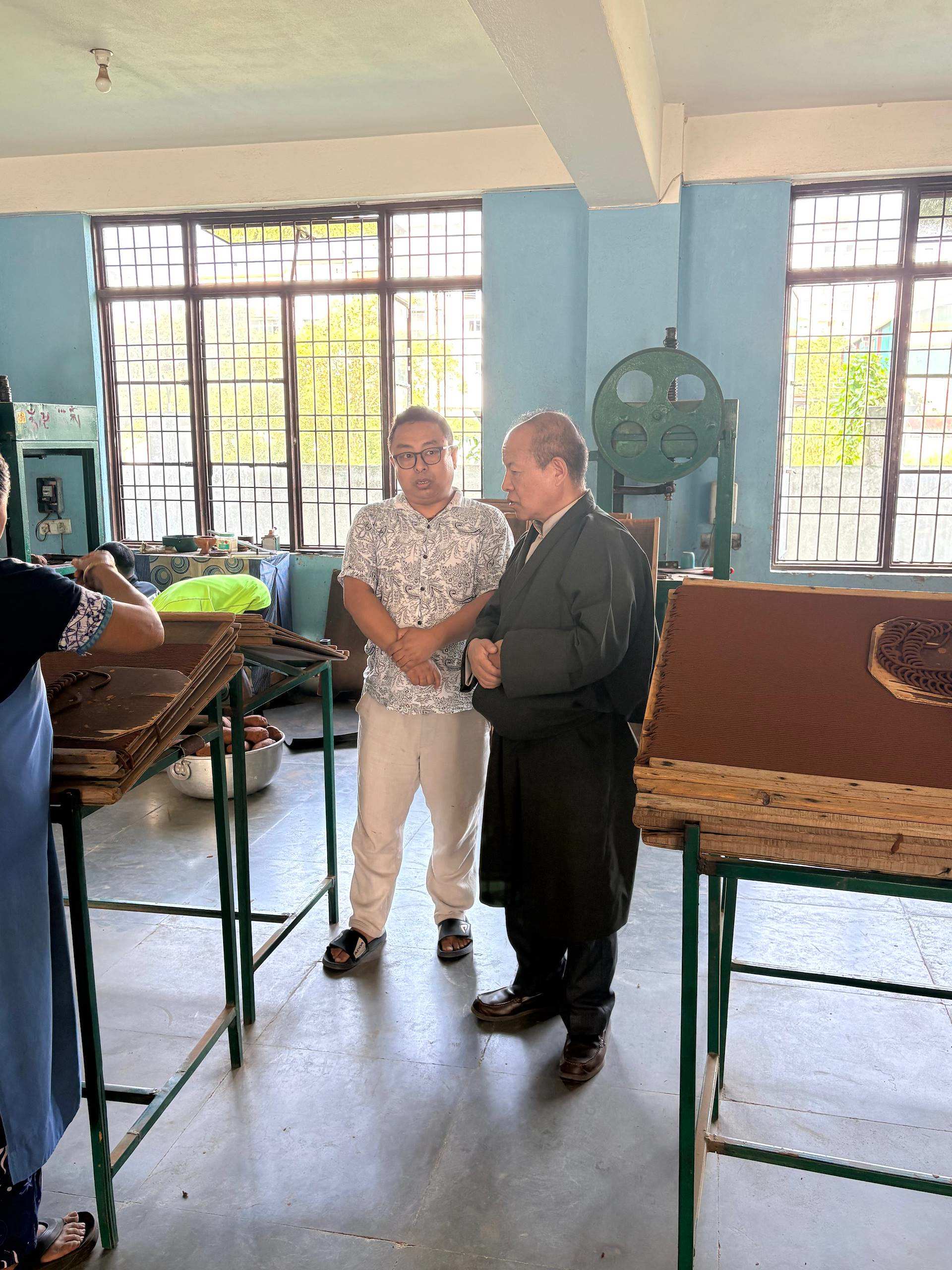
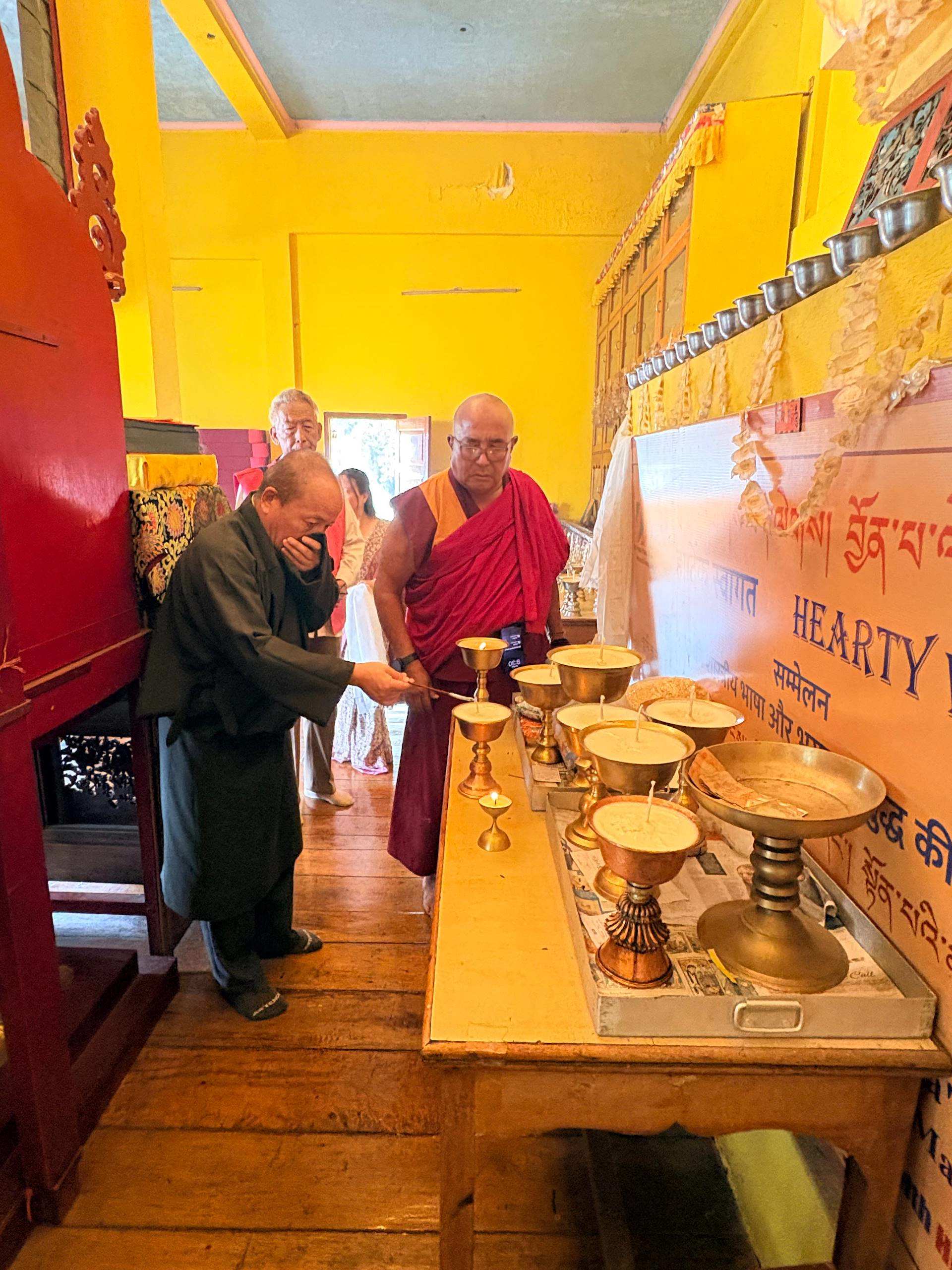
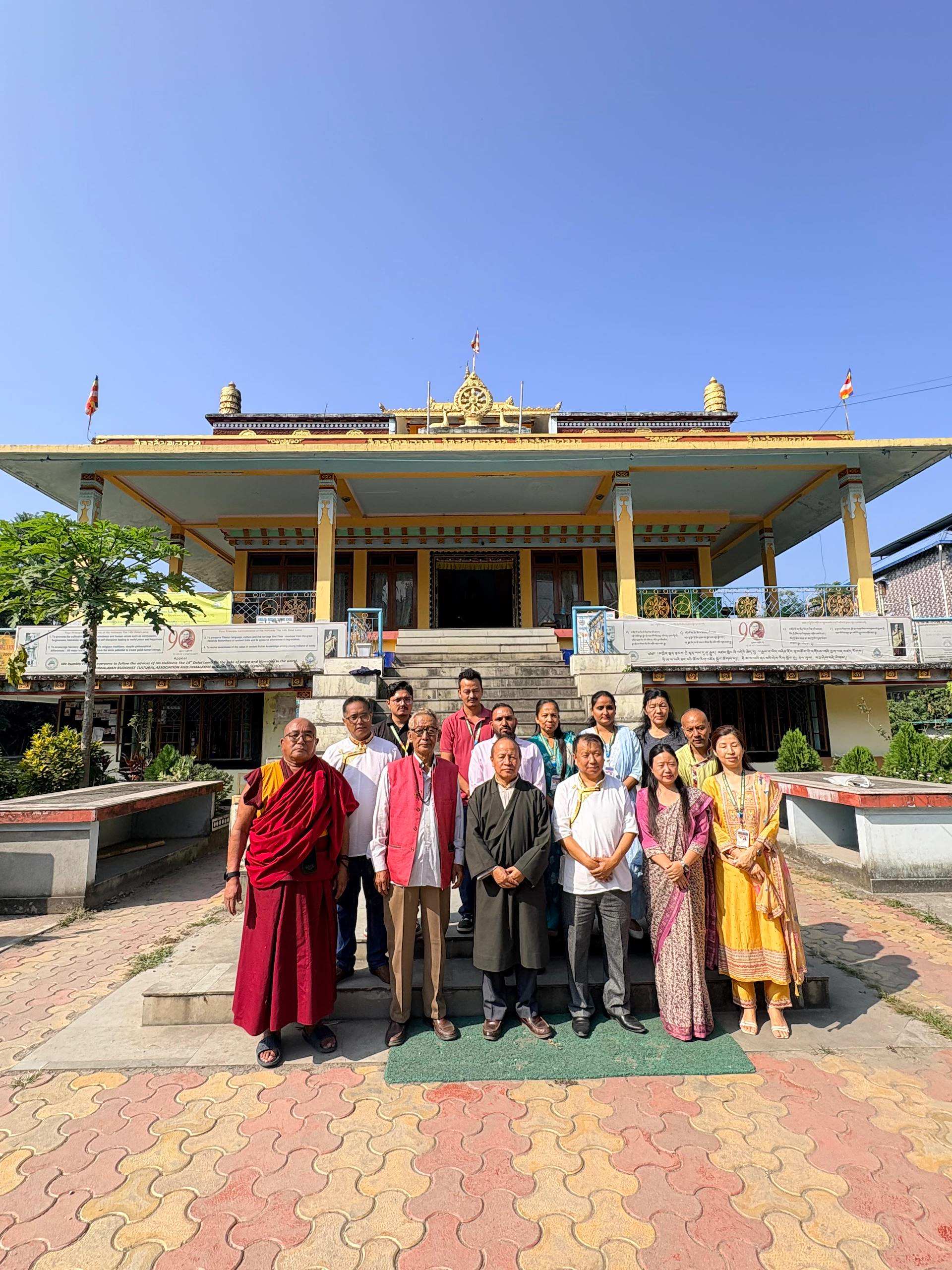
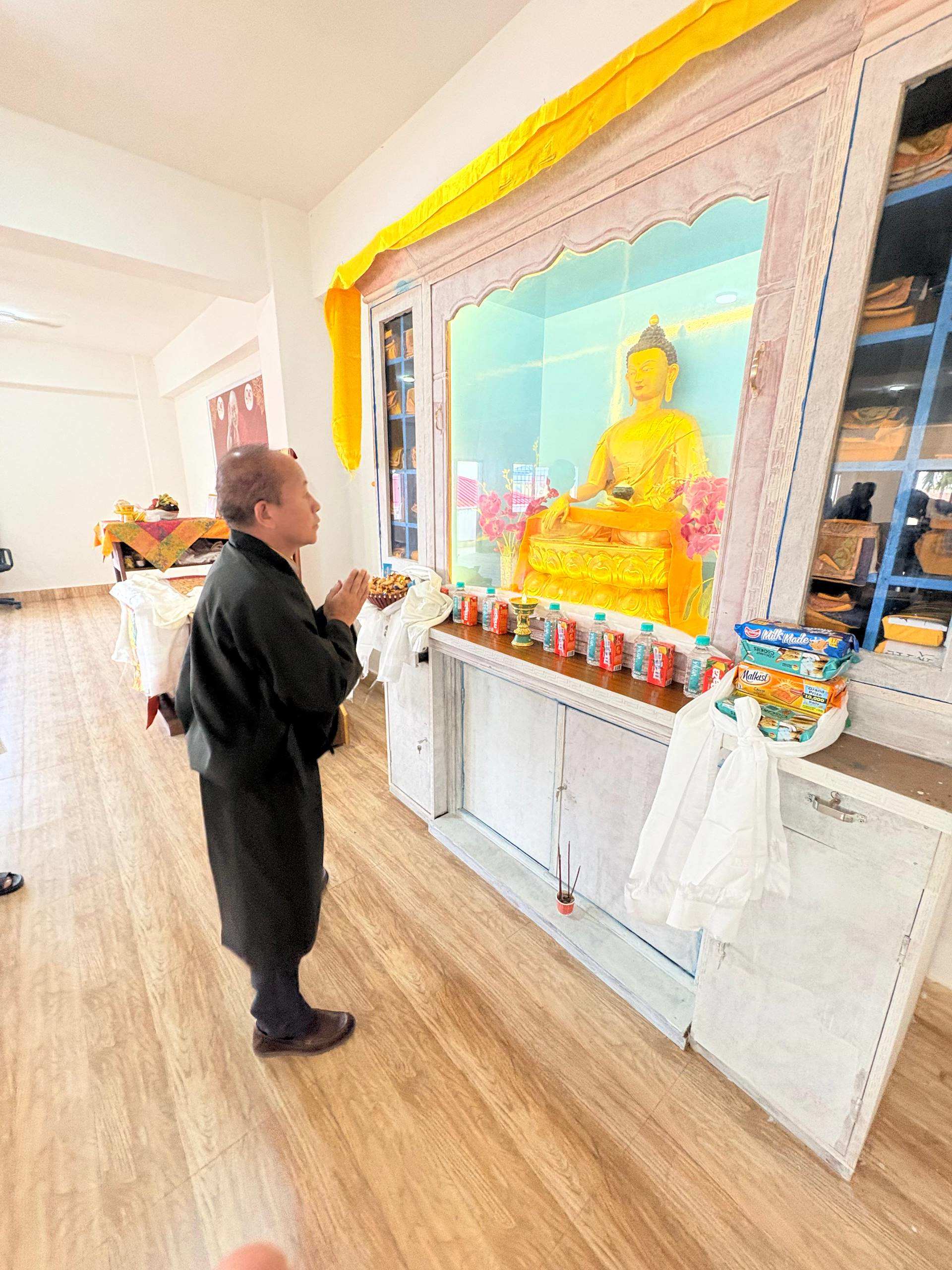
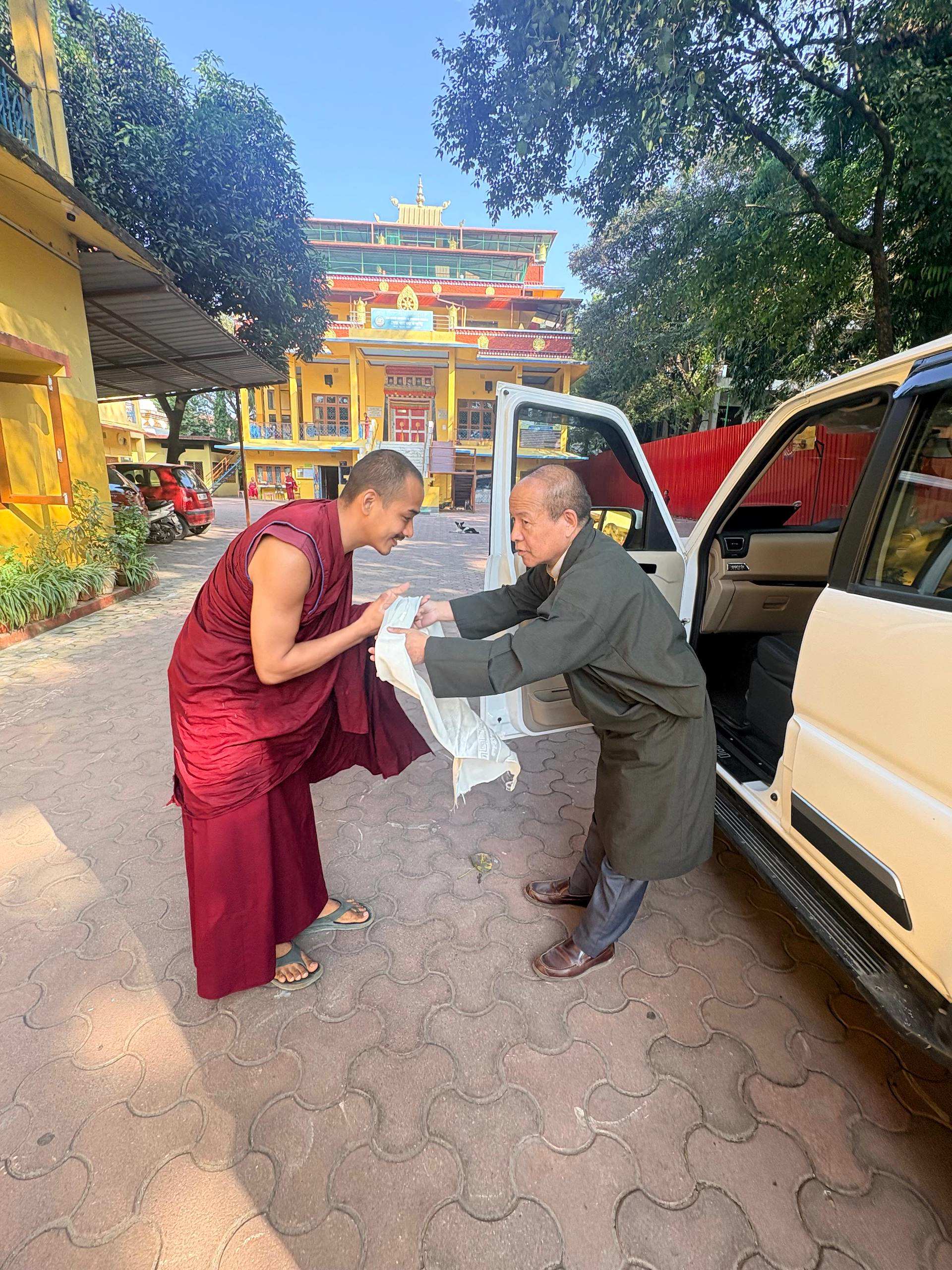
Dharamshala: Kalon Tsegyal Chukya Dranyi of the Department of Religion and Culture, Central Tibetan Administration (CTA), concluded his official engagements across Tibetan settlements in West Bengal and Sikkim on 8 November 2026. The final leg of his visit took place in Salugara, on the northern outskirts of Siliguri, on 7 November.
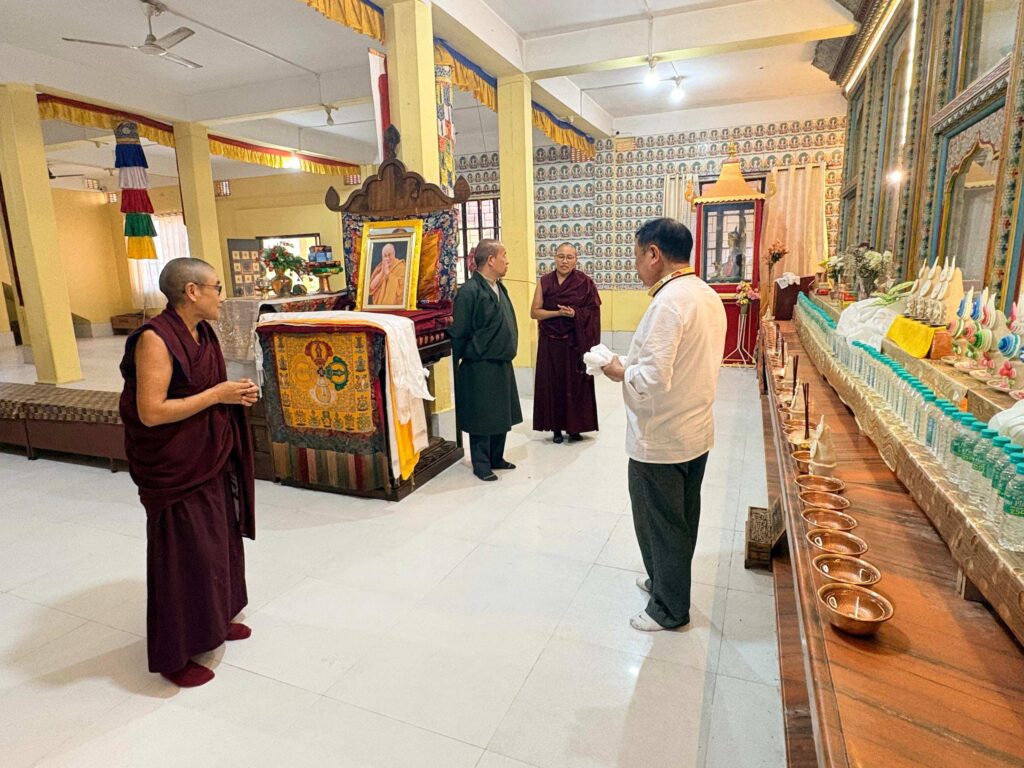
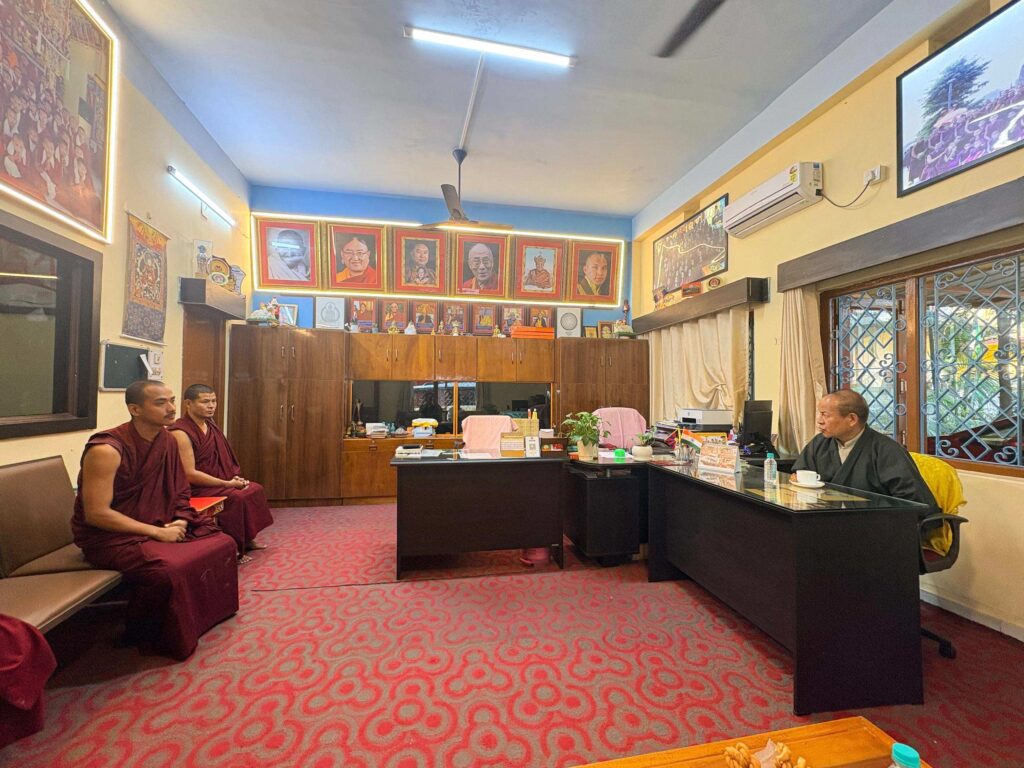
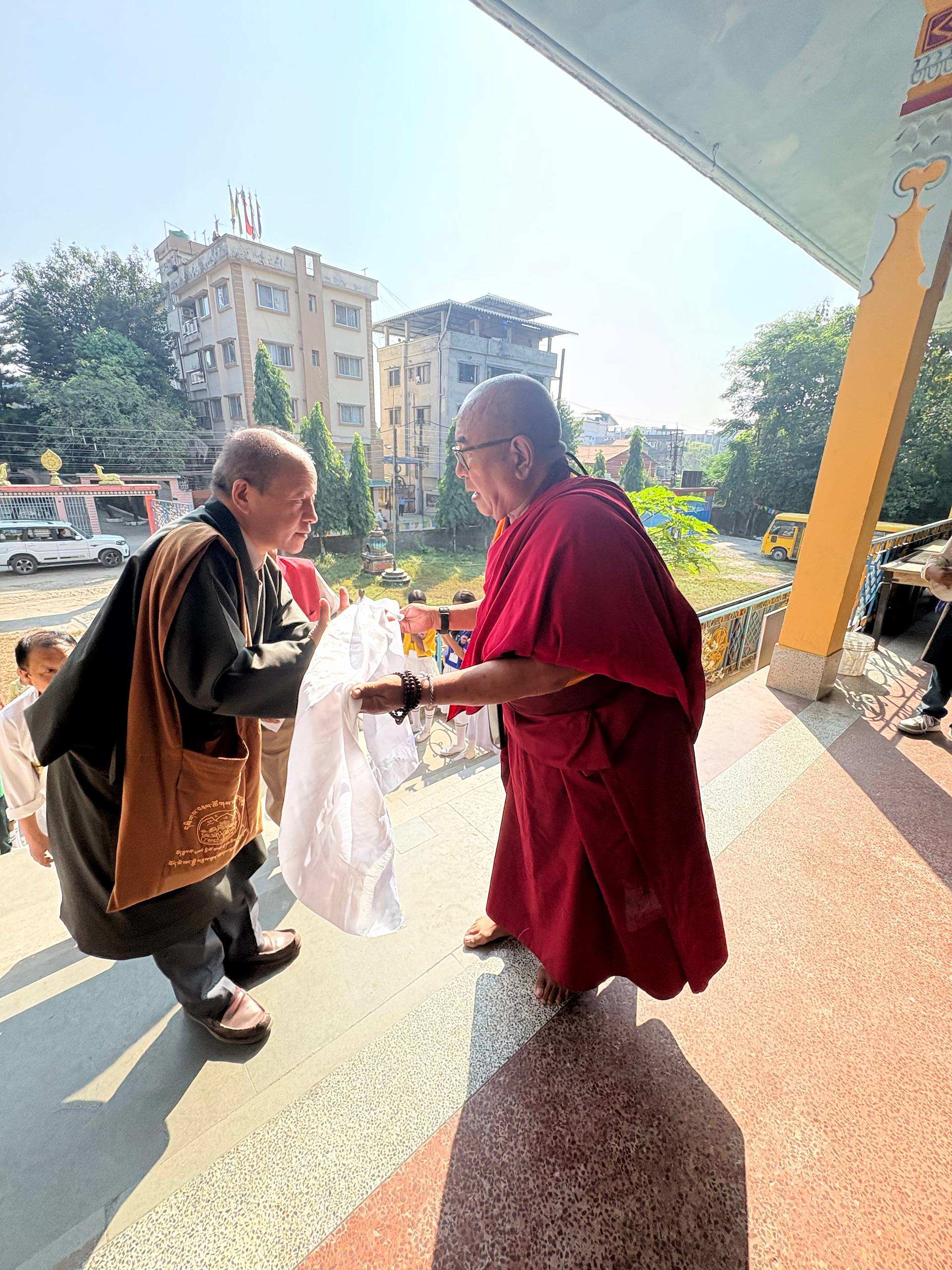
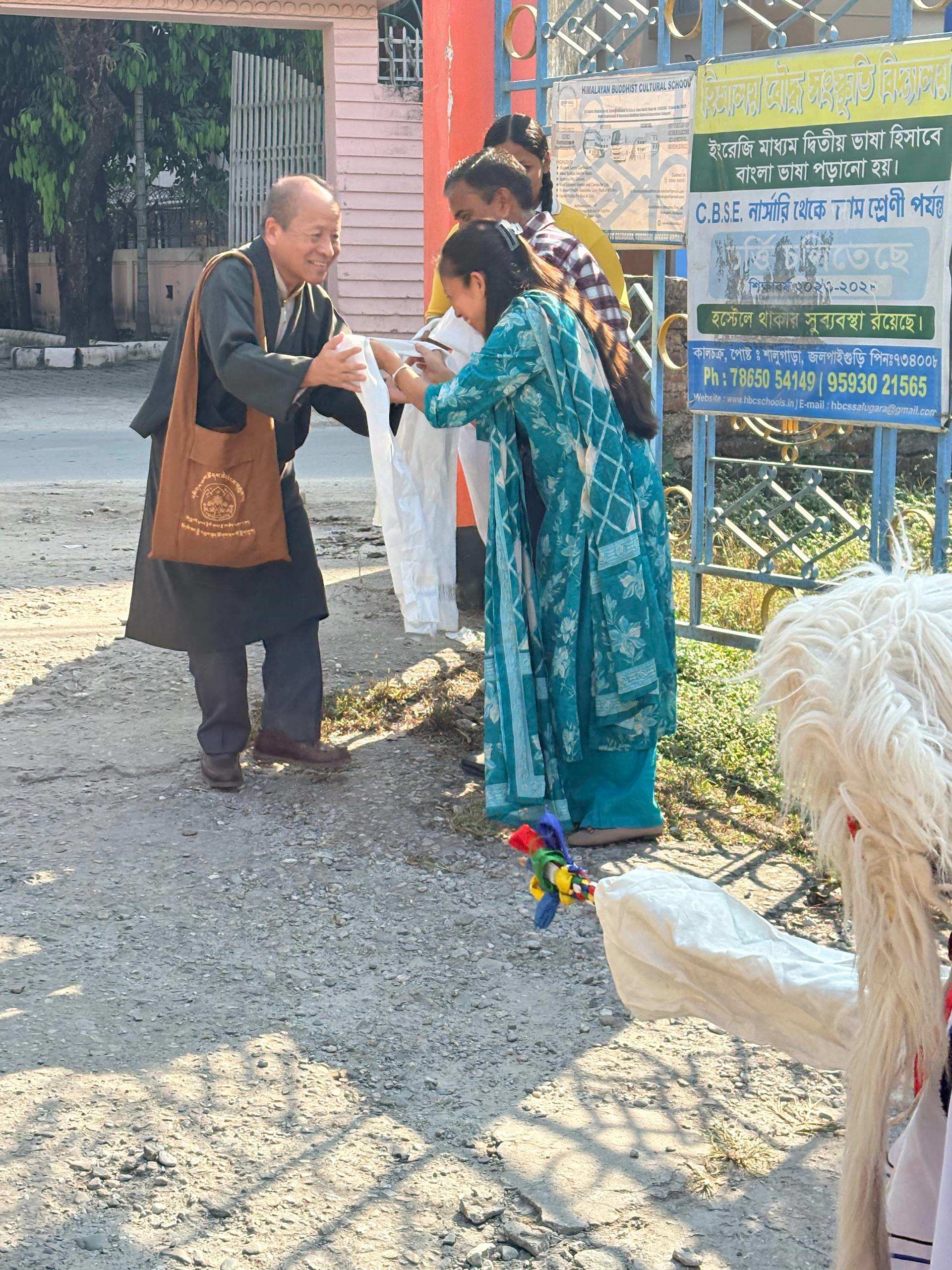
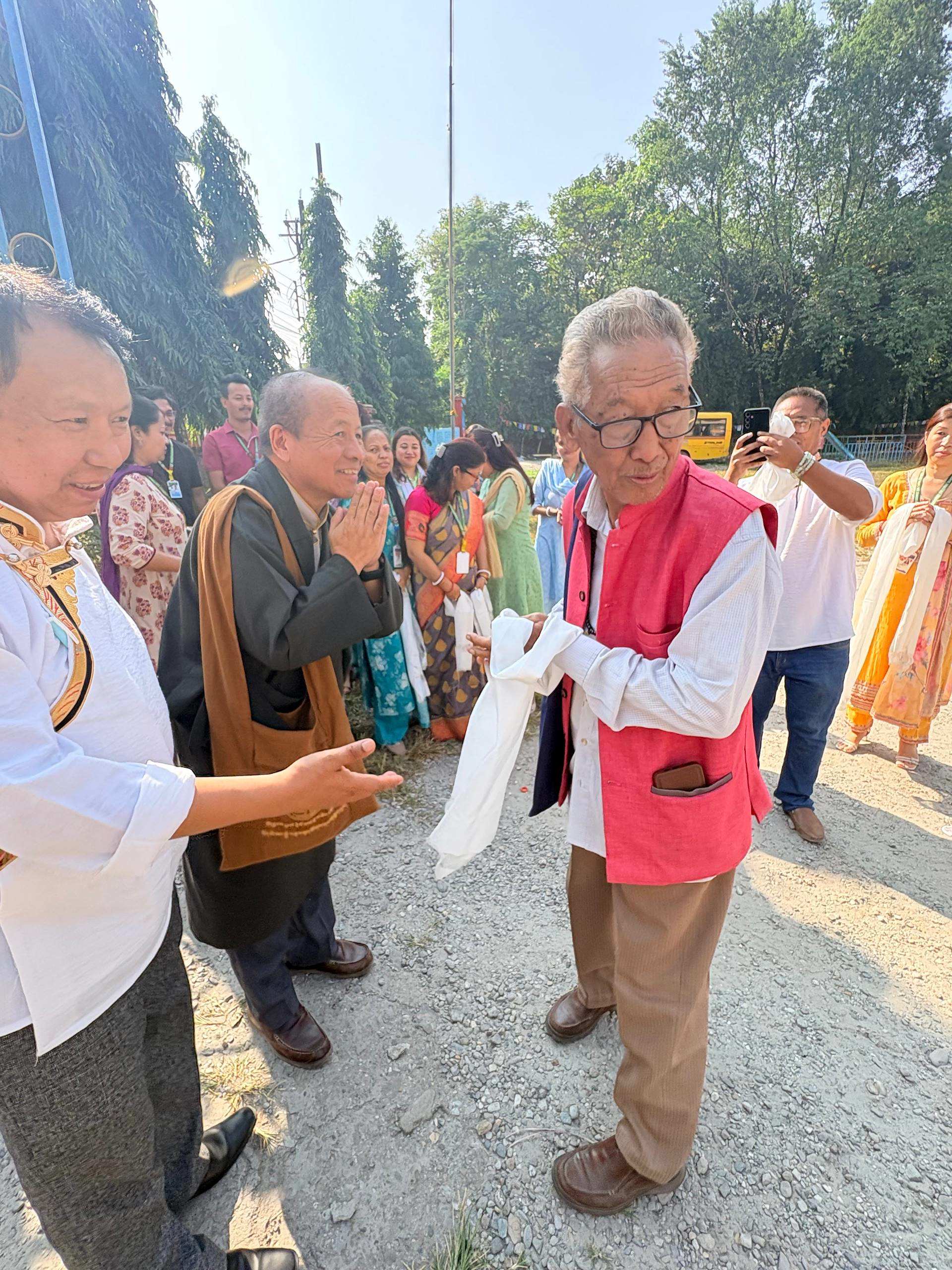
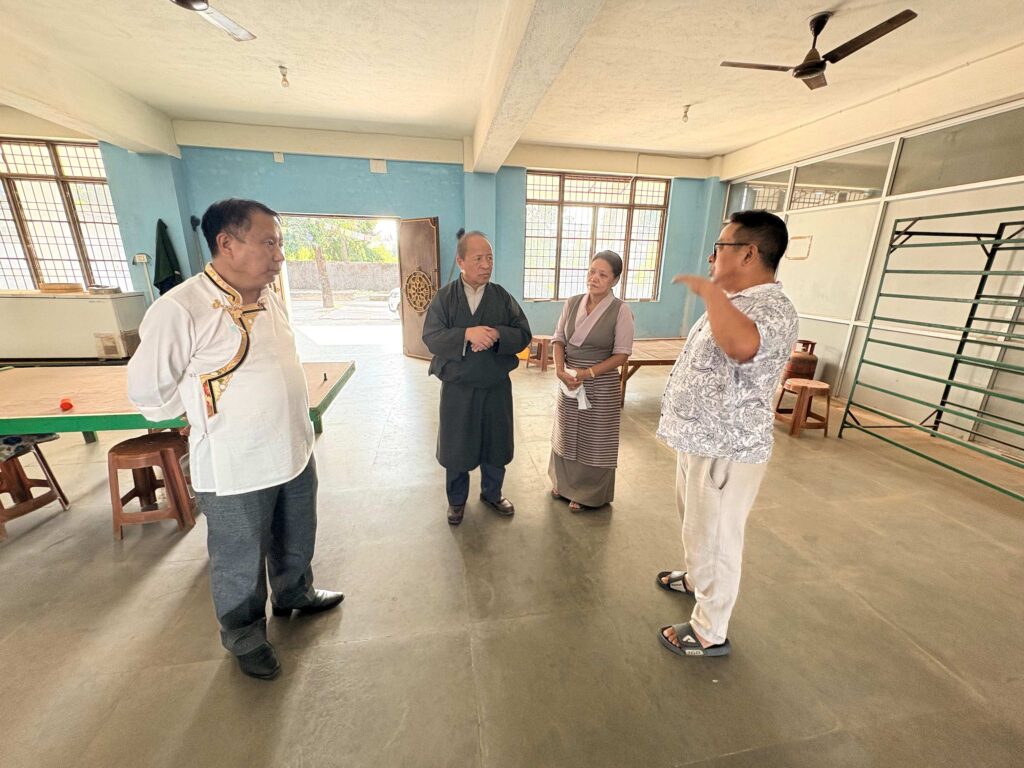
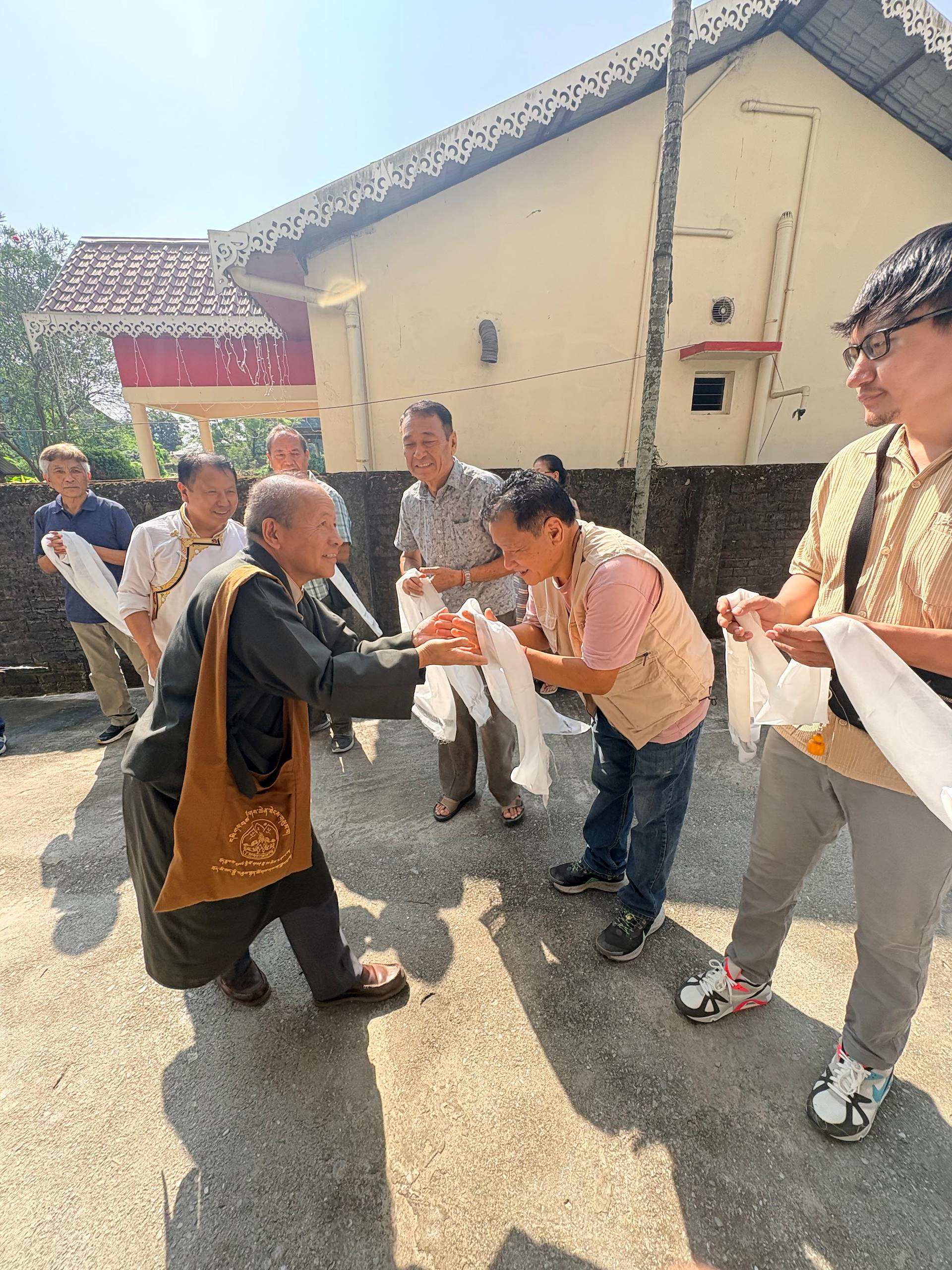
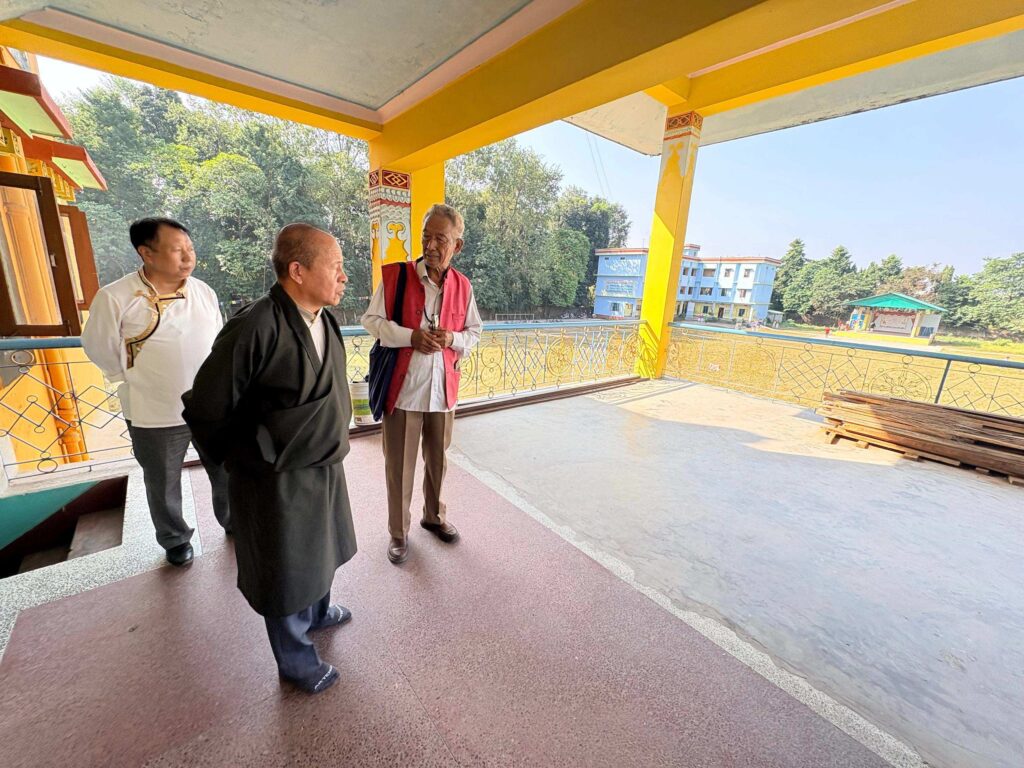
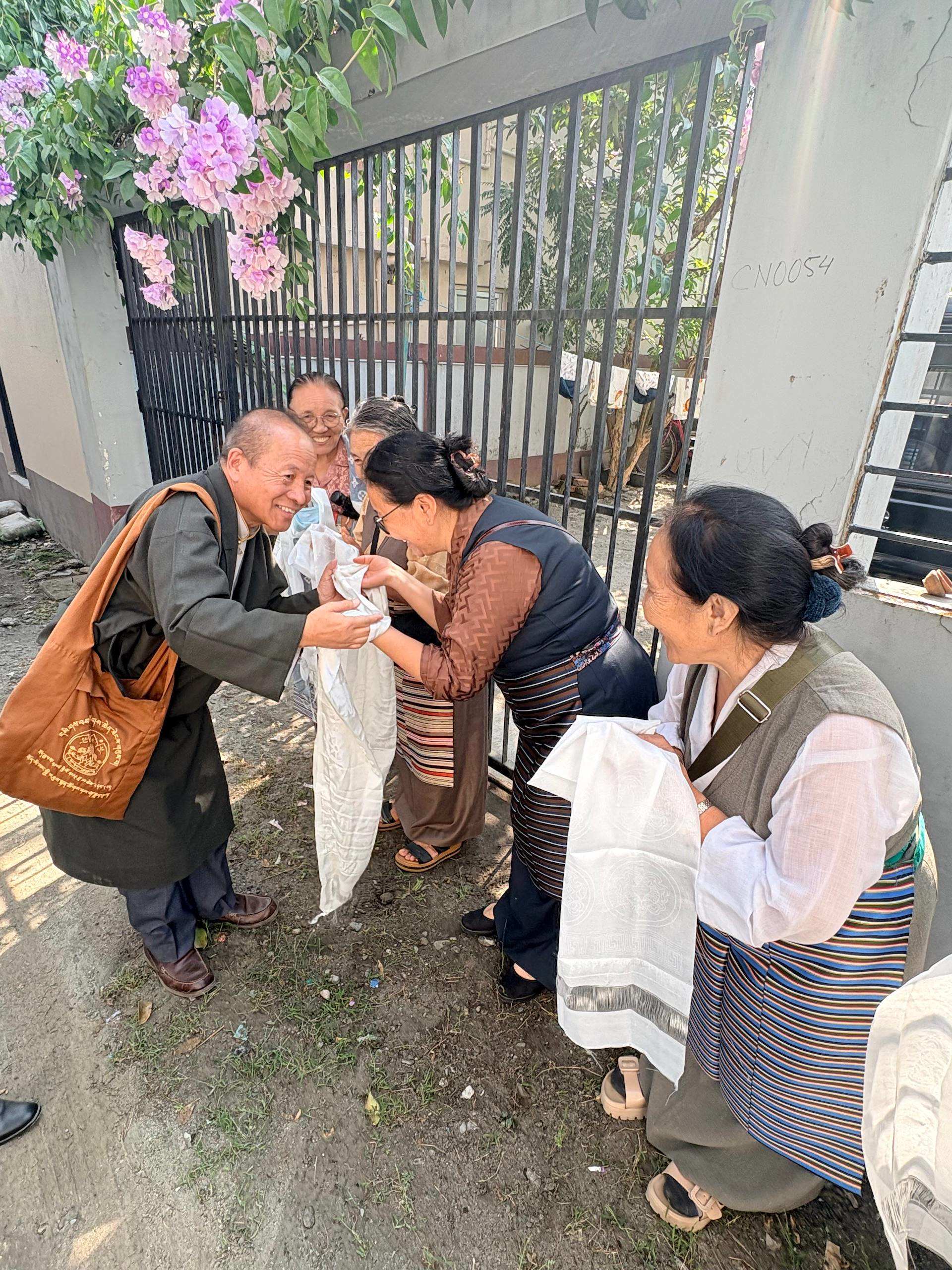
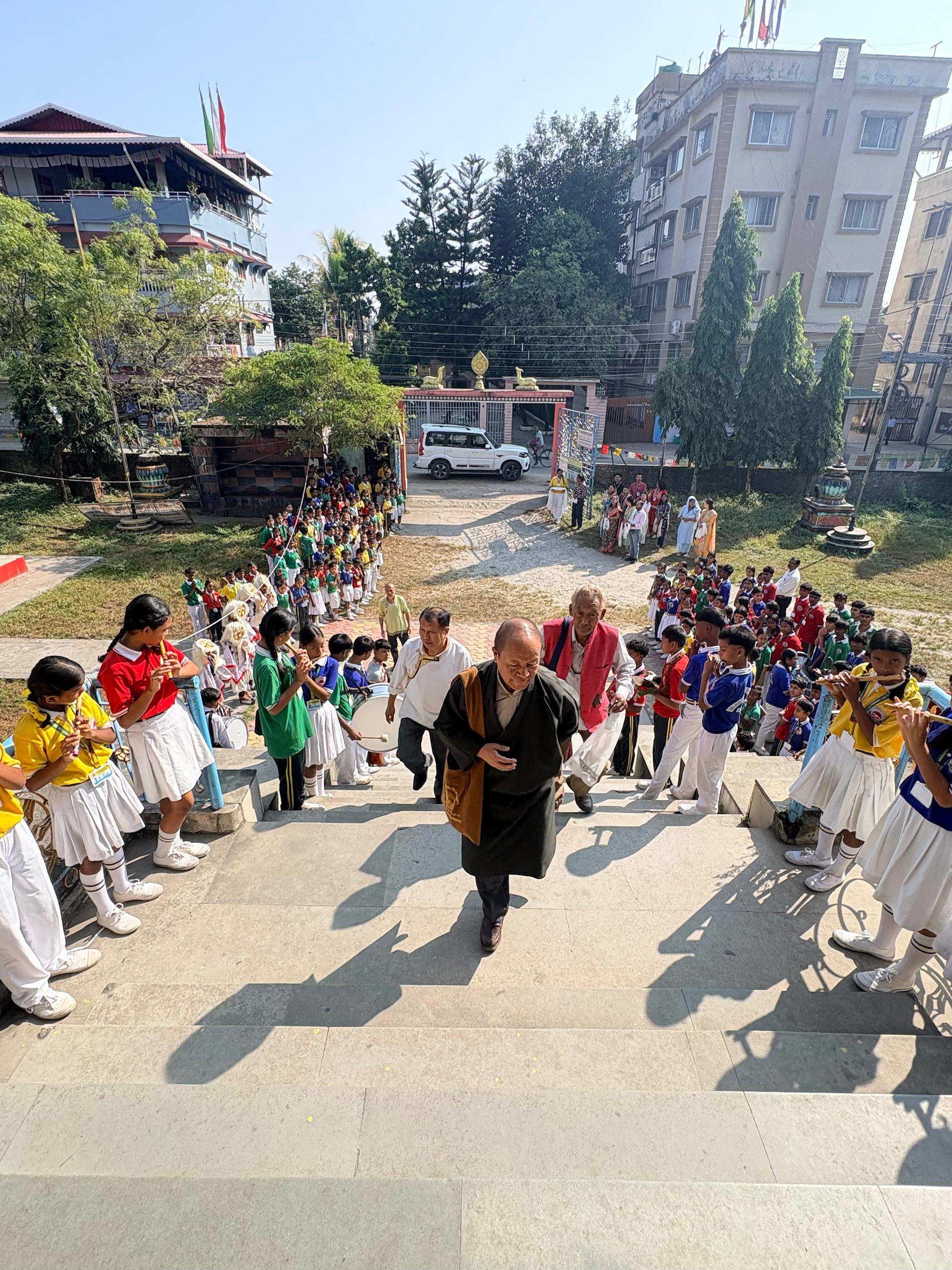
During the visit, the Kalon toured Sed Gyued Monastery, Jangchub Choeling Nunnery and Kalachakra Temple, where he was warmly received by students of the Himalayan Buddhist Cultural School. He also paid obeisance at the residence of His Holiness the Dalai Lama within the temple premises and interacted with the school’s teaching and non-teaching staff.
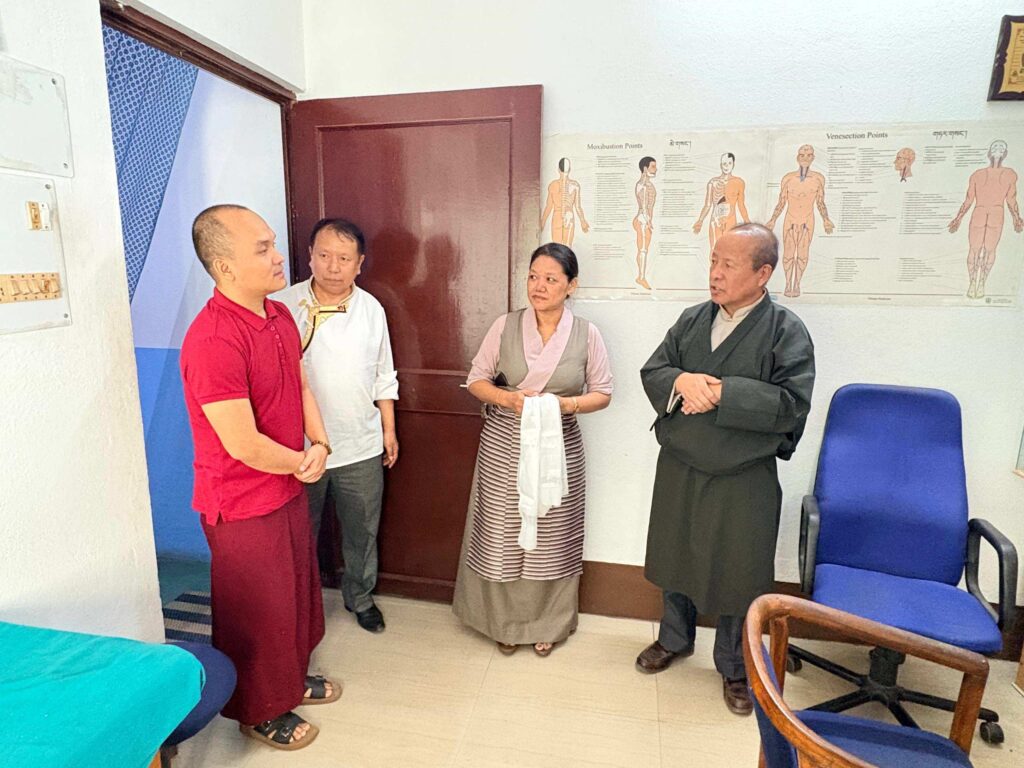
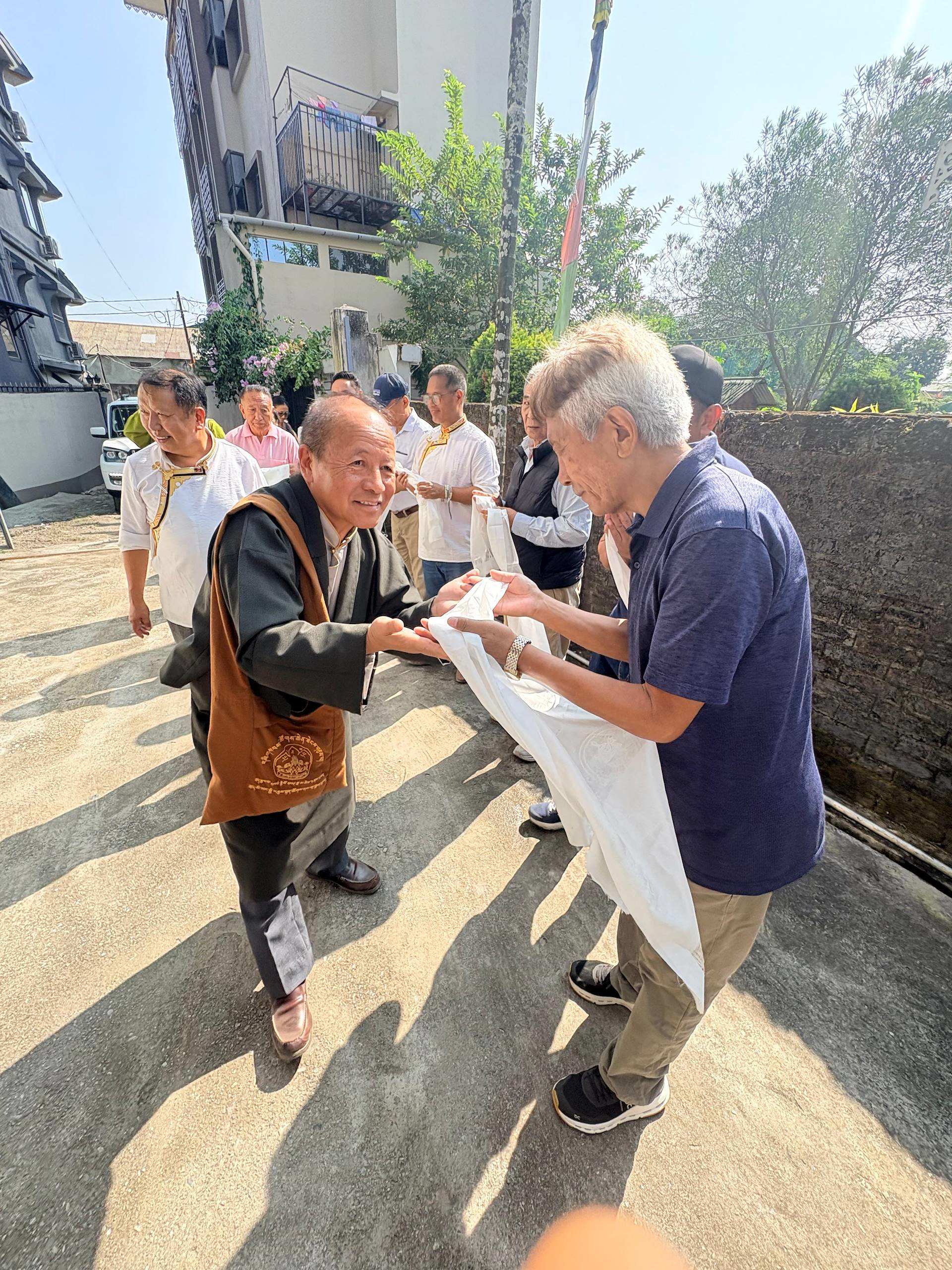
The Kalon subsequently visited the Men-Tsee-Khang branch clinic in Salugara before addressing members of the Tibetan community at the local community hall.
In his address, the Kalon explained that his engagements across the region had been undertaken alongside his primary purpose of visiting the area, which was to attend the inauguration of Sakya Thegchen Phuntsok Ling, the long-life prayer ceremony for the throne holders of the Sakya Khon lineage, and the enthronement ceremony of the 44th Sakya Gongma Trizin.
Outlining the priorities and direction of the 17th Kashag, the Kalon stated that its administration remains guided by the vision and principles of His Holiness the Dalai Lama and functions within the framework of established laws and regulations. He reaffirmed the Kashag’s commitment to respecting the independence and autonomy of non-governmental organisations, emphasising that it would not interfere in their internal affairs.
Reiterating the Kashag’s firm commitment to the Middle Way Approach, the Kalon also explained the statement issued by His Holiness the Dalai Lama concerning his reincarnation during the 15th Tibetan Religious Conference. He emphasised that the Gaden Phodrang Trust holds sole responsibility for all matters concerning the Dalai Lama’s reincarnation and that no government, individual or institution has the authority to interfere in the process.
The Kalon further highlighted the Central Tibetan Administration’s efforts to modernise its administrative framework through digital transformation, particularly through the integration of data management systems and artificial intelligence into its operations. In this regard, he introduced the Tibetan Digital Library and the Neykor App, developed under the Department of Religion and Culture, as examples of initiatives aimed at enhancing digital access and improving public services.
Addressing the changing demographic trends within the Tibetan exile community, the Kalon urged Tibetans to take the issue seriously and called for greater awareness among younger generations about the importance of maintaining the Tibetan population and sustaining community institutions.
Turning to the broader situation in Tibet, the Kalon expressed serious concern over the Chinese government’s policies and legislative measures aimed at undermining Tibet’s distinct identity, particularly the so-called Law on Promoting Ethnic Unity and Progress. He urged Tibetans living in democratic countries to remain informed about developments inside Tibet, uphold their commitment to the Tibetan cause and ensure that younger generations understand the realities confronting their homeland.
Following his address to the Tibetan community in Siliguri, the Kalon concluded his extended official engagements in the region and returned to Dharamshala on 8 November.