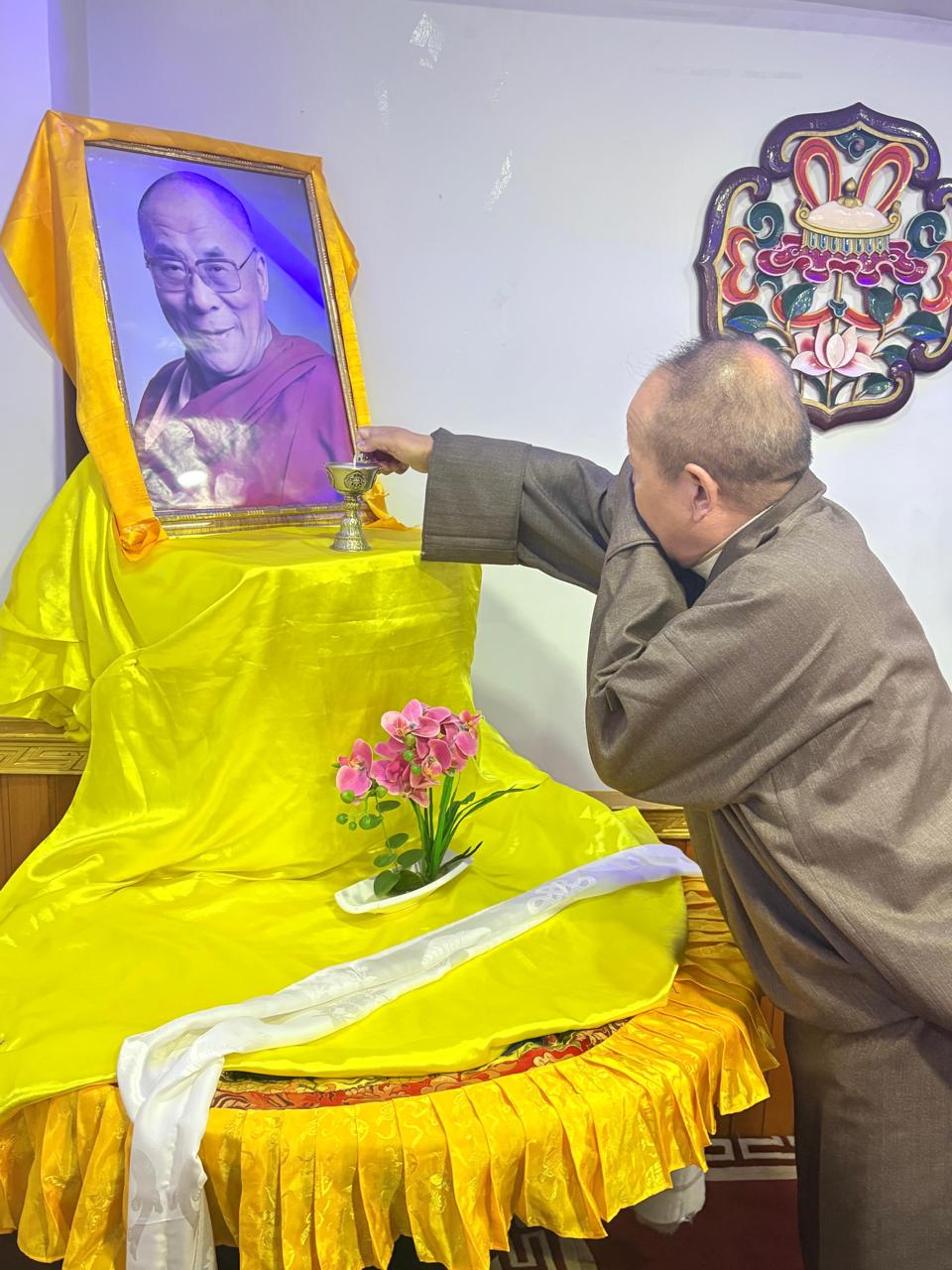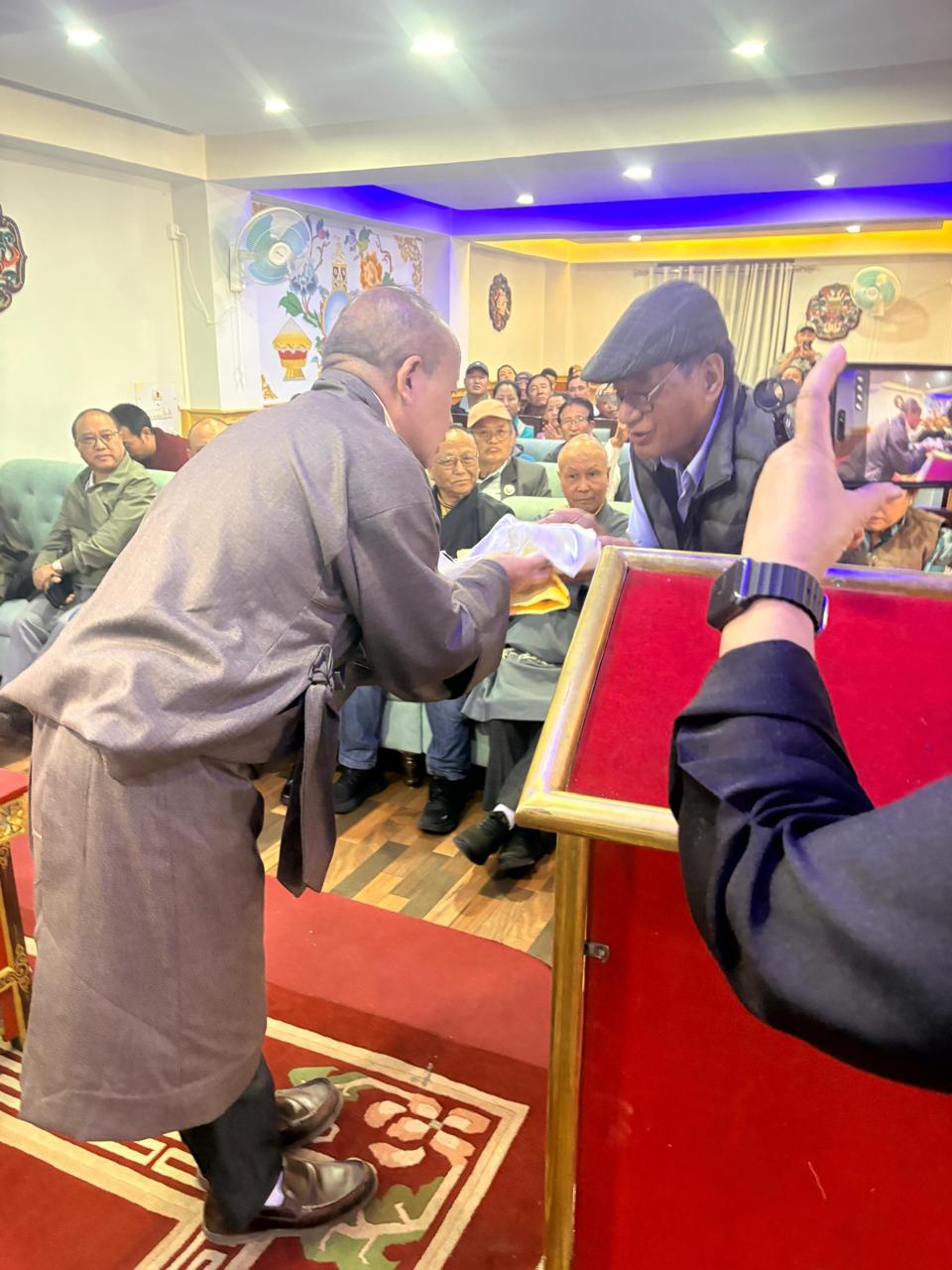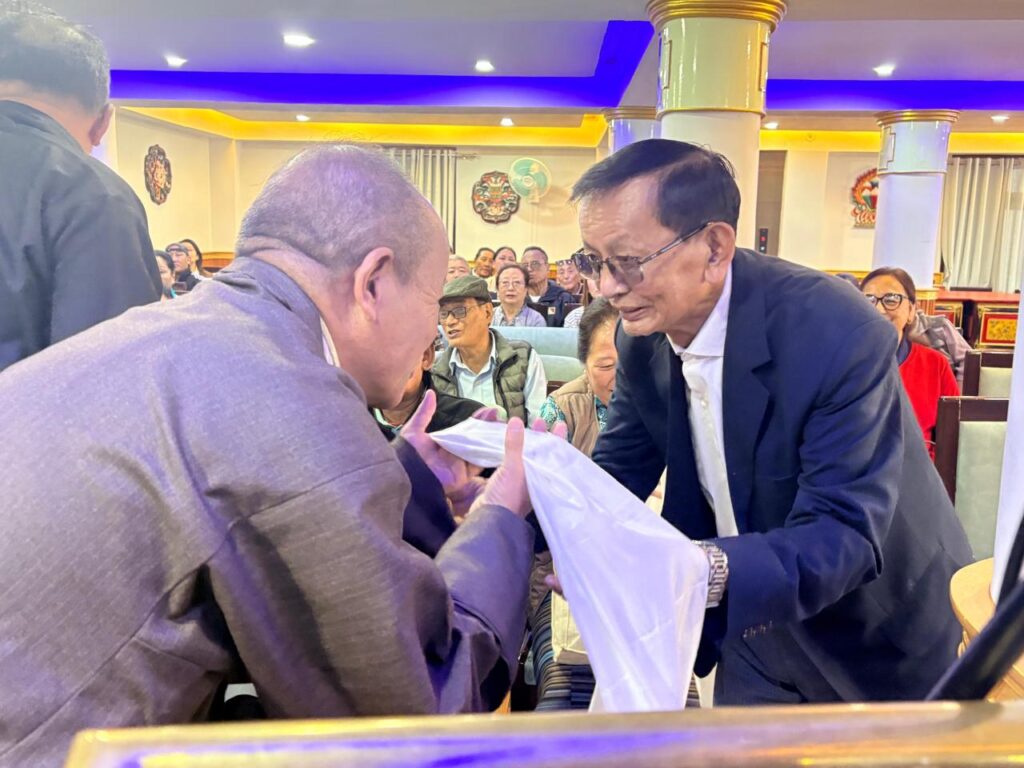
Gangtok: The Kalon (Minister) of the Department of Religion and Culture of the Central Tibetan Administration, Tsegyal Chukya Dranyi, visited monasteries and organisations under his department’s jurisdiction in Kalimpong, Darjeeling, and Gangtok, where he interacted with members of the local Tibetan communities.
During his official tour of the region from 23 October to 7 November 2026, the Kalon attended the inauguration ceremony of Pal Sakya Thegchen Phuntsok Ling (Sakya Heritage Society). He is also scheduled to attend the long-life offering ceremony for the lineage holders of the Sakya Khön family and the enthronement ceremony of the 44th Sakya Trizin, Kyabgon Avikrita Vajra Rinpoche.
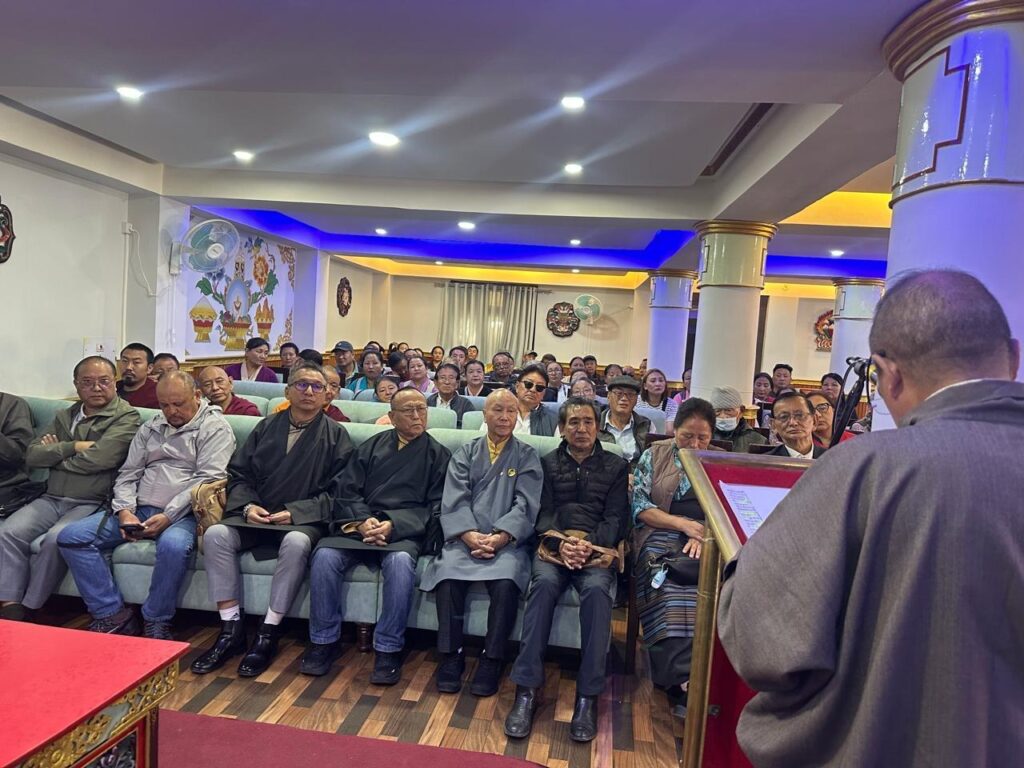
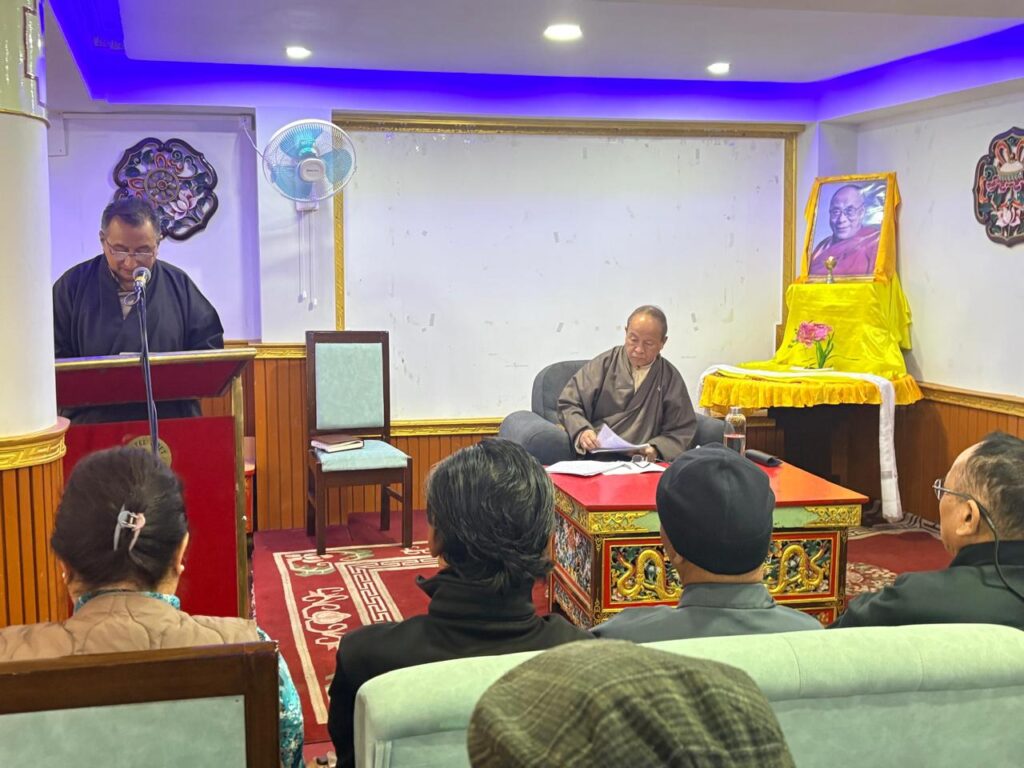
On 27 October, at 10:30 a.m., the Kalon addressed a public gathering at the conference hall of the Tibetan Guest House in Gangtok, where he outlined the policies and priorities of the 17th Kashag and responded to questions from the audience.
During his address, Kalon Tsegyal Chukya Dranyi introduced the members of the 17th Kashag and explained that his visit to Gangtok was scheduled in conjunction with his participation in the inauguration ceremony of Sakya Thegchen Phuntsok Ling in Jaigaon. He further noted that the visit provided an opportunity to meet with local Tibetan communities and visit monasteries and institutions.
Elaborating on the political stance and administrative priorities of the 17th Kashag, the Kalon reaffirmed the Kashag’s commitment to carrying out its responsibilities in accordance with the guidance of His Holiness the Dalai Lama. He emphasised that all administrative activities would be conducted in compliance with established laws and regulations to ensure the smooth functioning of the Central Tibetan Administration while making every effort to avoid placing unnecessary burdens on His Holiness.
He further stressed the Kashag’s responsibility to uphold the trust and aspirations of Tibetans inside Tibet and strengthen the relationship between the Central Tibetan Administration and the Tibetan people.
Highlighting the principles of equitable justice, cooperative effort, and moving forward, the Kalon stated that the Kashag would continue to uphold these values in its administration. He also reiterated the Central Tibetan Administration’s firm commitment to the Middle Way Approach, as adopted by the Tibetan Parliament-in-Exile, and underscored the importance of unity among Tibetans in advancing the common Tibetan cause, regardless of differences in political perspectives.
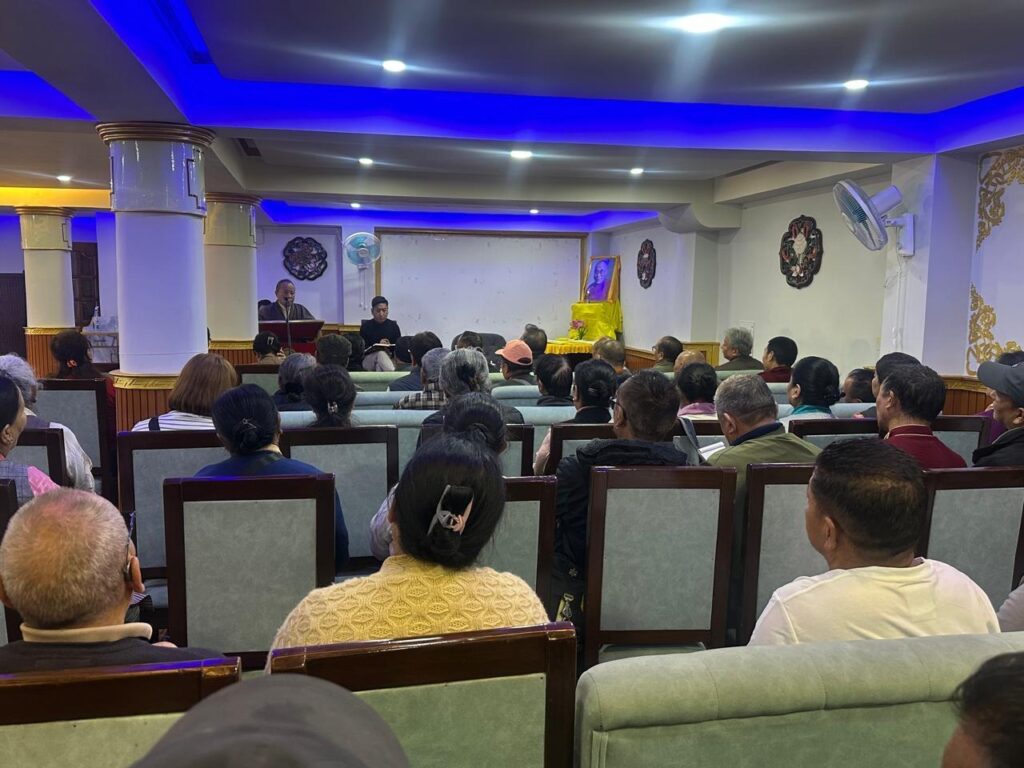
Addressing the Chinese Communist Party’s so-called “Law on Promoting Ethnic Unity and Progress”, the Kalon highlighted the Kashag’s guidelines for preserving Tibetan national identity and emphasised that their effective implementation remains the collective responsibility of every Tibetan.
Speaking on Tibetan education, the Kalon recalled the visionary efforts of His Holiness the 14th Dalai Lama in establishing separate schools for Tibetan children to safeguard and promote Tibetan religion, culture, language, and script. He expressed concern over the closure of several Tibetan schools in exile, particularly amid the increasing migration of younger Tibetans abroad, the significant decline in the number of new arrivals from Tibet, and the falling birth rate within the Tibetan exile community. In this regard, he urged parents to educate younger generations about the importance of preserving their cultural and linguistic heritage.
The Kalon also drew attention to the critical environmental situation in Tibet, emphasising that its consequences extend beyond Tibet and have significant implications for Asia and the wider world. He further highlighted the growing relevance of Tibetan religion and culture in promoting global peace and harmony.
On the issue of the reincarnation of His Holiness the 14th Dalai Lama, the Kalon reiterated that matters concerning His Holiness’ reincarnation fall exclusively under the authority of the Gaden Phodrang Trust, and that no other individual or institution has the right to interfere.
Turning to the democratic functioning of the Central Tibetan Administration, he reaffirmed the Kashag’s commitment to respecting the three pillars of Tibetan democracy, ensuring that each branch exercises its respective authority while maintaining the necessary checks and balances.
He further encouraged the Tibetan public to reflect on the future responsibilities envisioned by His Holiness the Dalai Lama and urged parents to instil in their children the distinctive cultural values, traditions, and moral principles of Tibetan society.
Expressing concern over the declining number of Tibetan schools and members of the dangshab, the Kalon appealed to the younger generation to actively participate in the dangshab for better income and encouraged parents to enrol their children in Tibetan schools. He emphasised the importance of such participation in sustaining Tibetan institutions, preserving national identity, and strengthening community engagement.
The public gathering concluded with an interactive question-and-answer session, during which the Kalon addressed various questions and concerns raised by attendees.
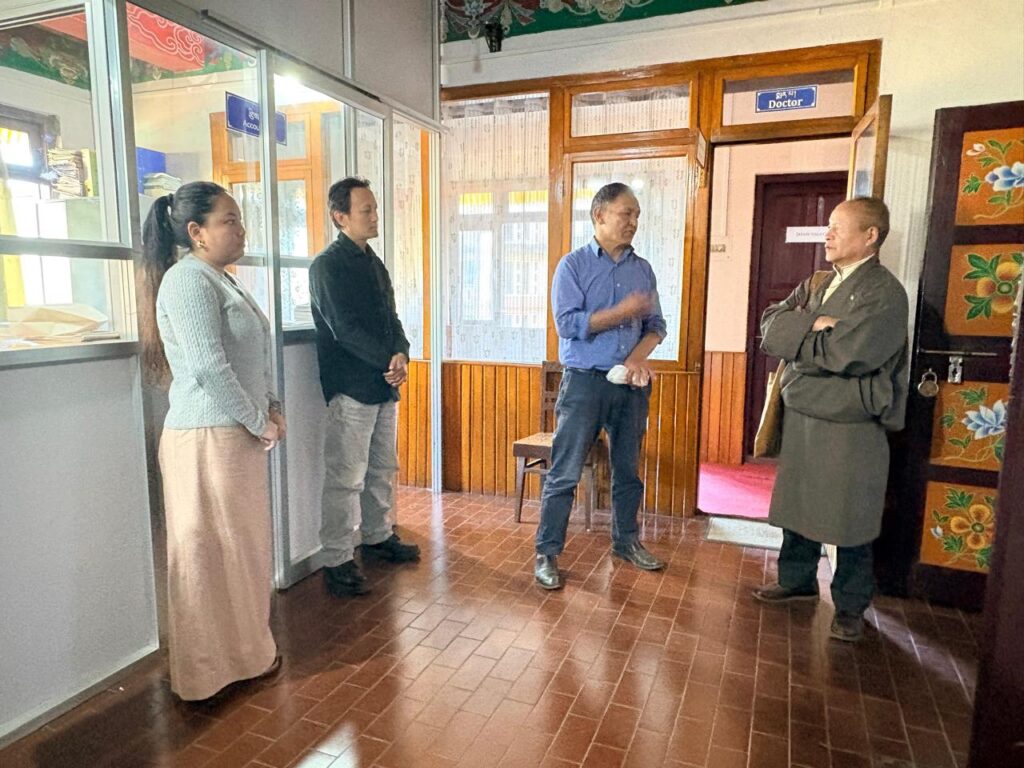
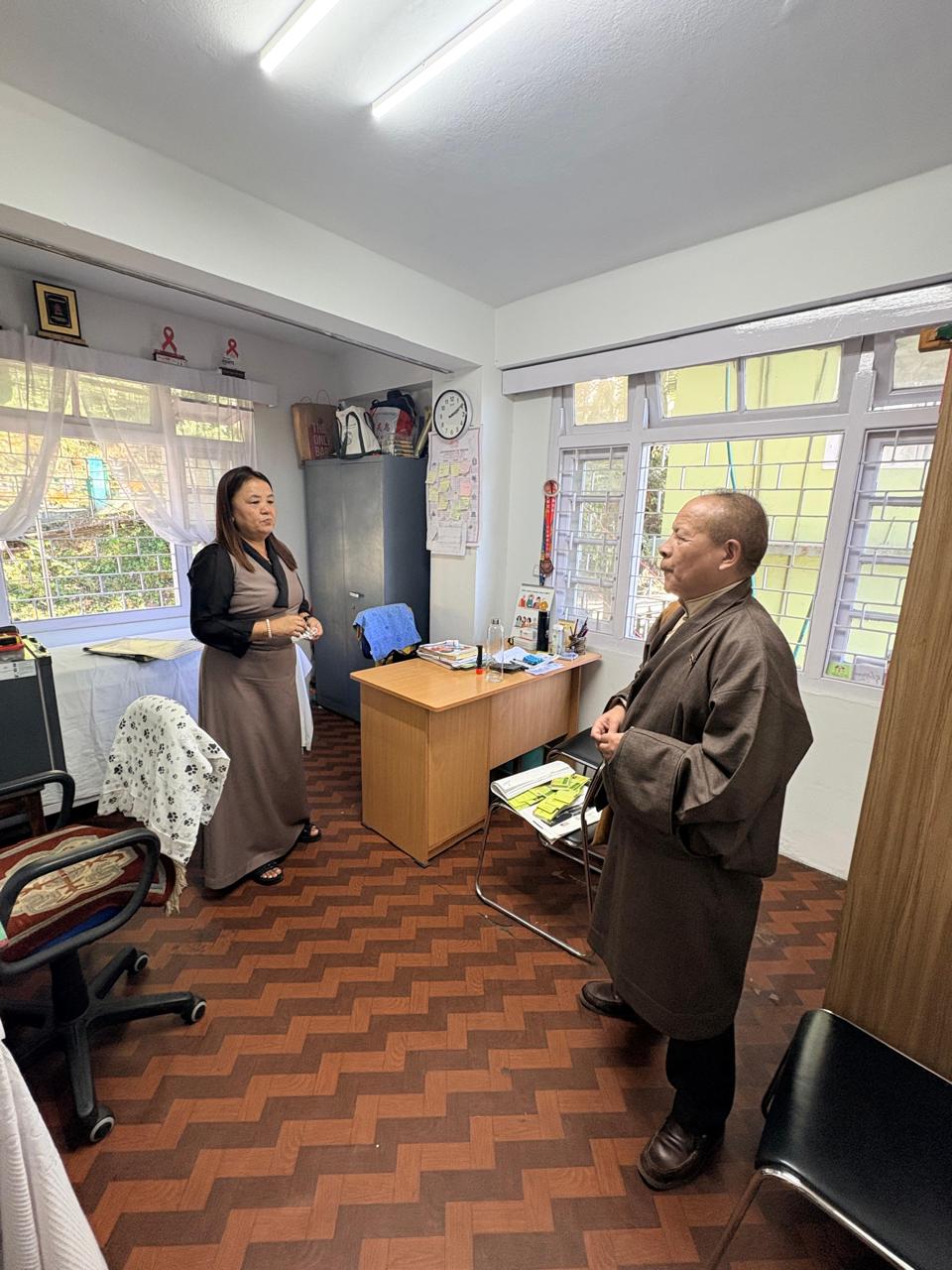
Later in the afternoon, the Kalon and his delegation visited the local health centre and the Tibetan Medical and Astro Institute to observe their functioning and activities.
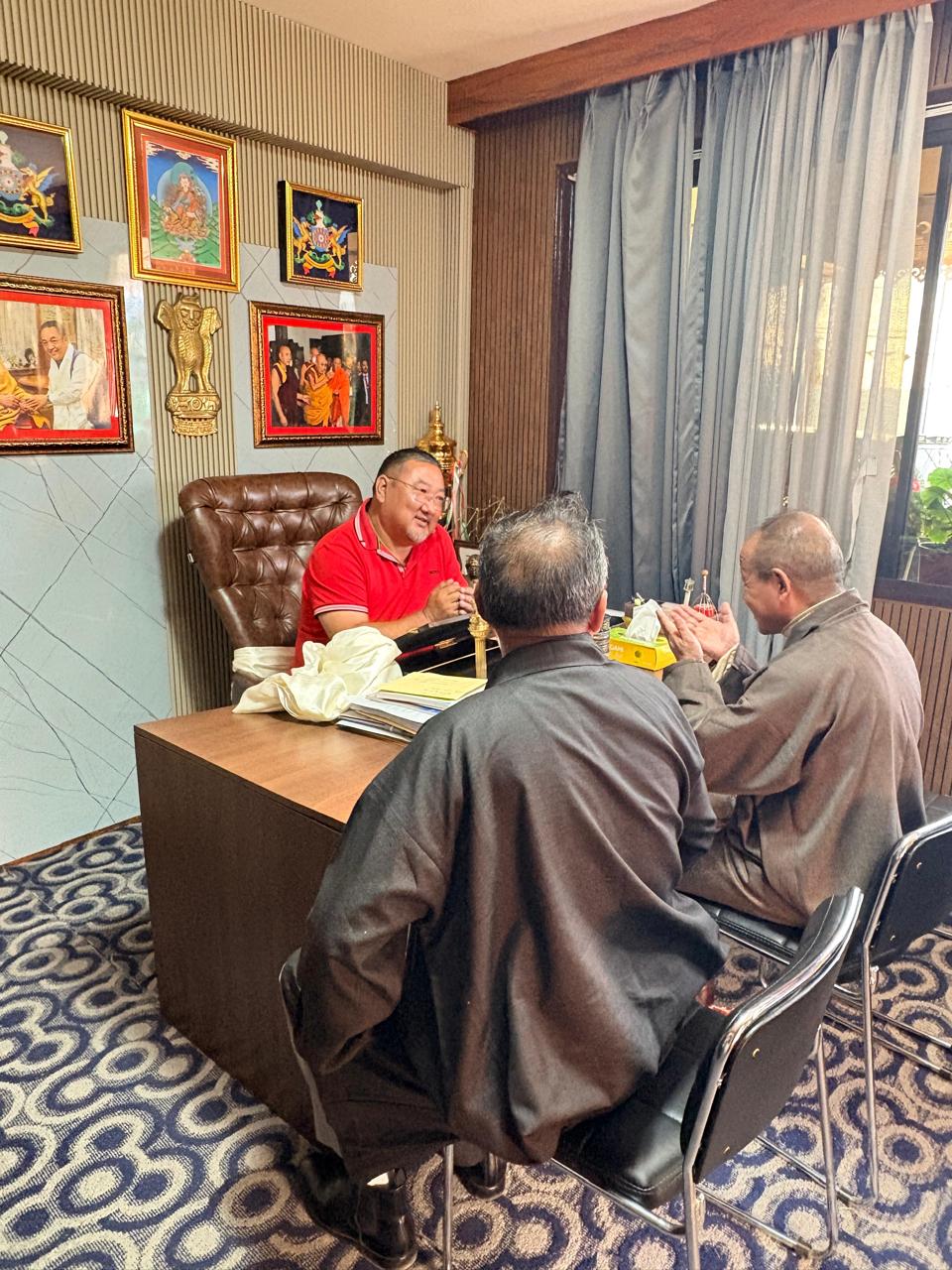
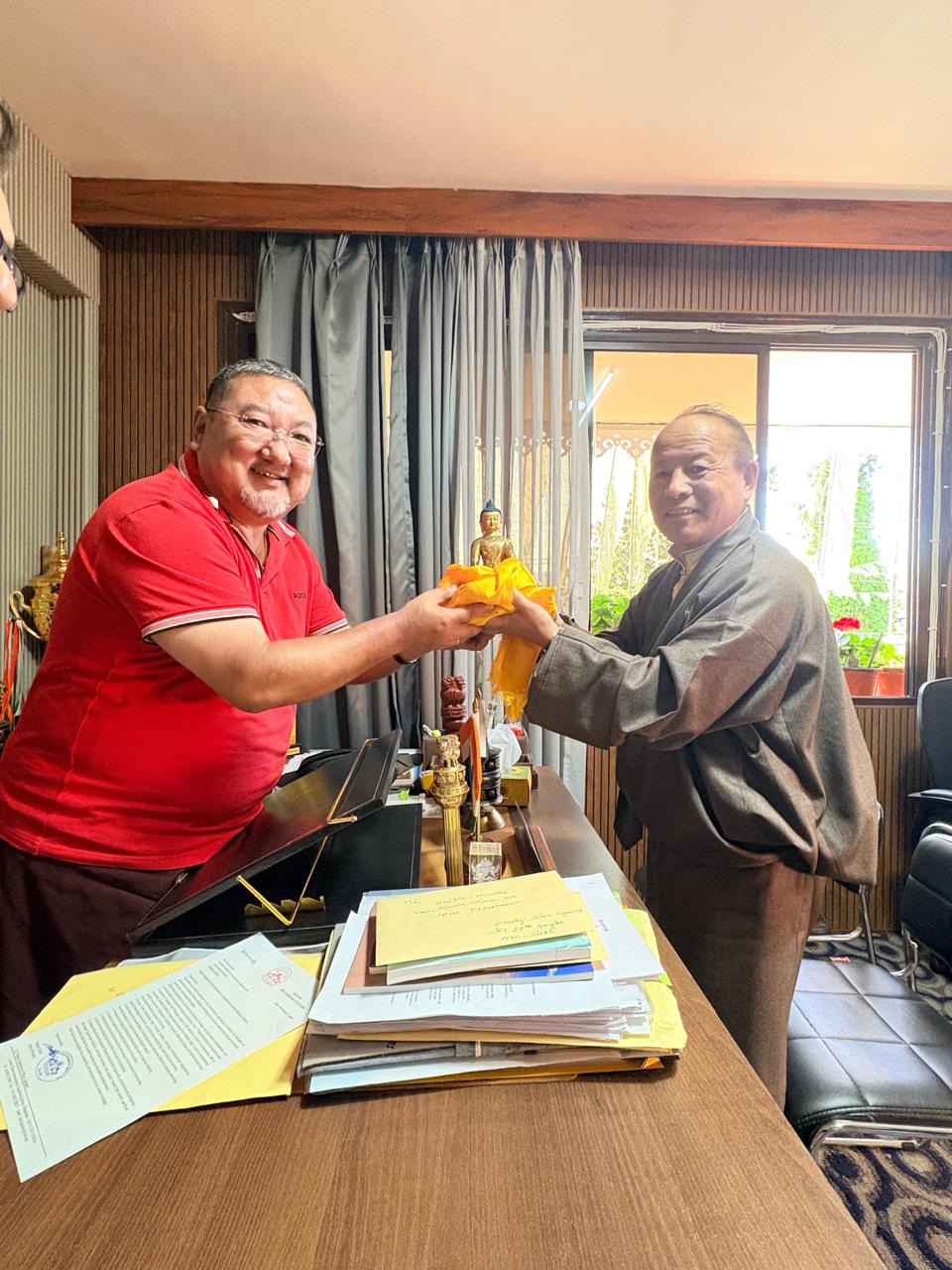
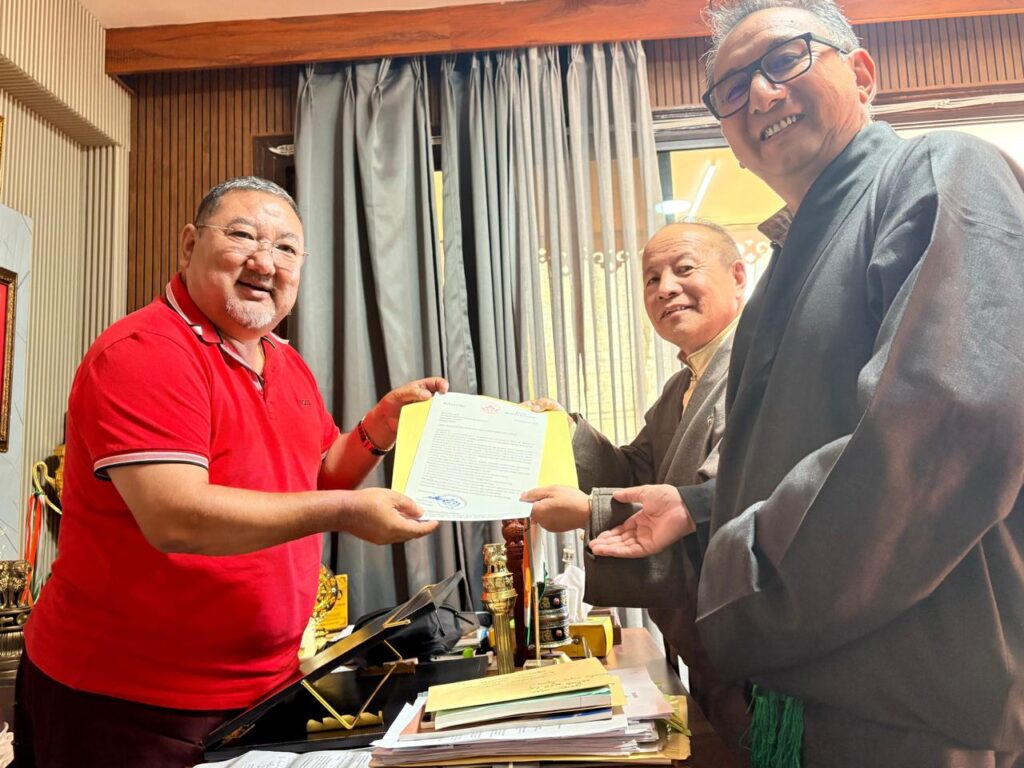
Subsequently, Kalon Tsegyal Chukya Dranyi met with Hon. Sonam Lama, Minister of the Ecclesiastical Department, Government of Sikkim. During the meeting, the Kalon expressed his sincere gratitude to the Sikkim State Government and its people for their longstanding assistance and support to Tibetan refugees and appealed for their continued support.
He also requested financial assistance for 14 monasteries under the Department of Religion and Culture in Gangtok and Ravangla, noting that more than 90 per cent of the monks residing there belong to Sikkim and other Himalayan communities.
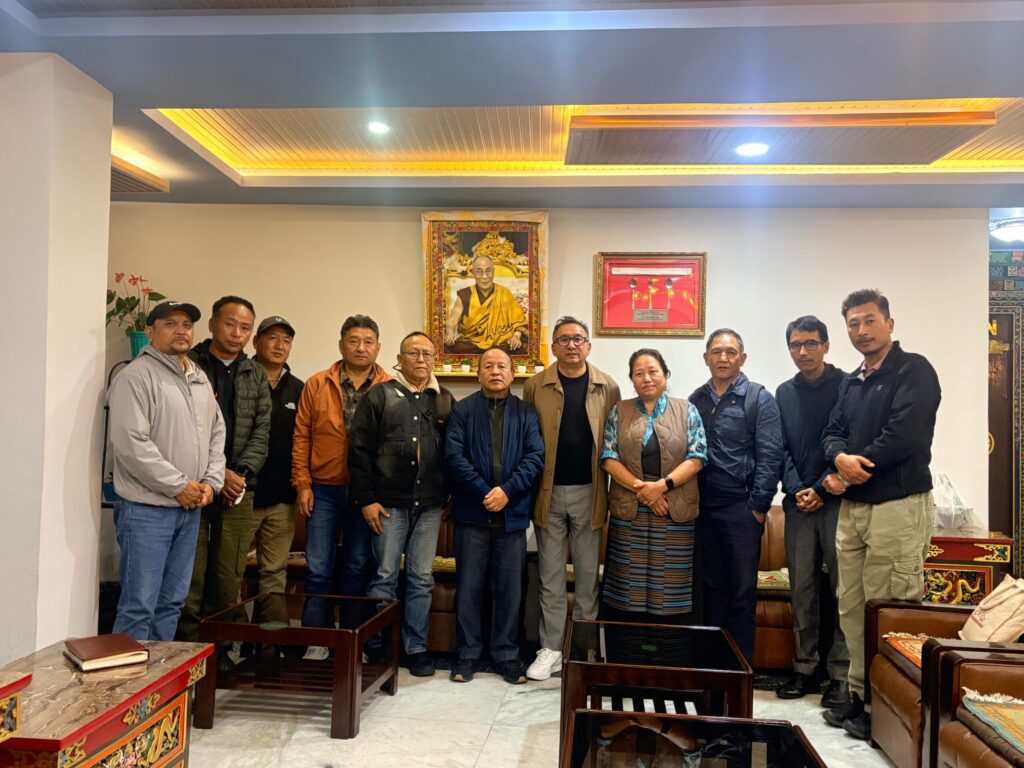
Later, representatives of the Local Tibetan Assembly, Regional Tibetan Freedom Movement, Regional Tibetan Youth Congress, Regional Tibetan Women’s Association, and the associations of three Cholkhas held a dinner gathering in honour of the Kalon’s visit.
During the gathering, the representatives reaffirmed their continued support for the Tibetan Settlement Officer and emphasised the importance of collective responsibility, unity, and cooperation among local Tibetan organisations and the settlement administration.
They encouraged community members to maintain close coordination with the local administration and highlighted the significance of selfless public service, noting that those who dedicate themselves to serving the community not only contribute to its welfare but also gain valuable personal experience and accumulate merit.
The representatives further appealed to all community members to continue working diligently and selflessly for the collective well-being of the Tibetan community.
With the conclusion of these engagements, Kalon Tsegyal Chukya Dranyi successfully completed his official visit to the Gangtok region.