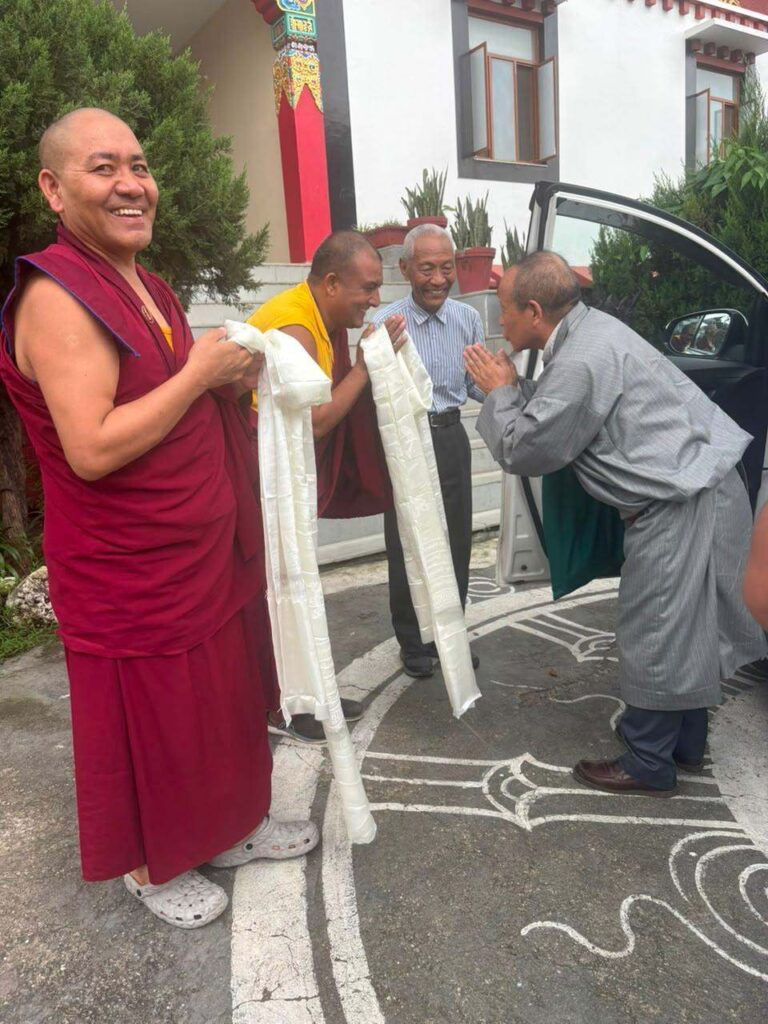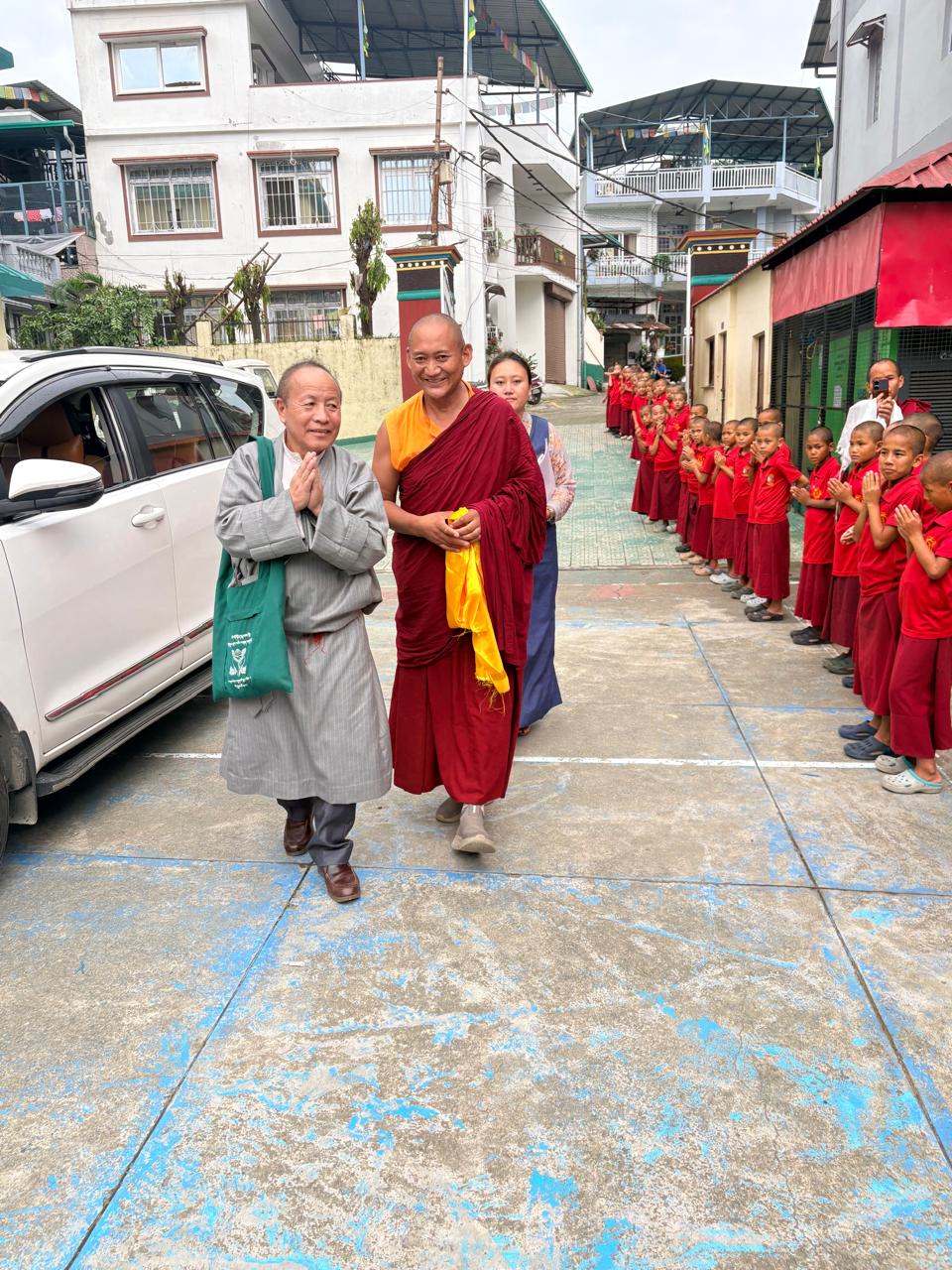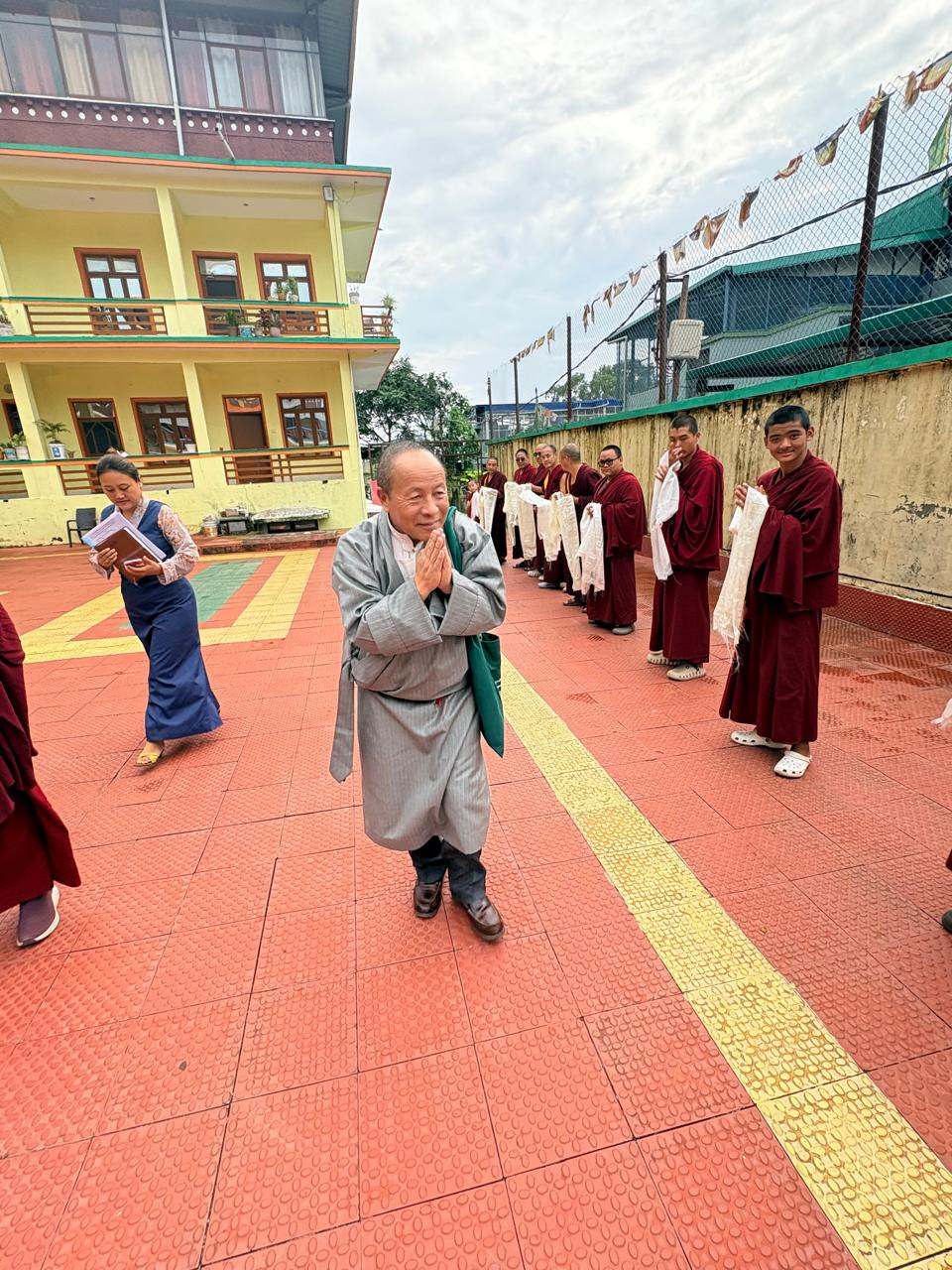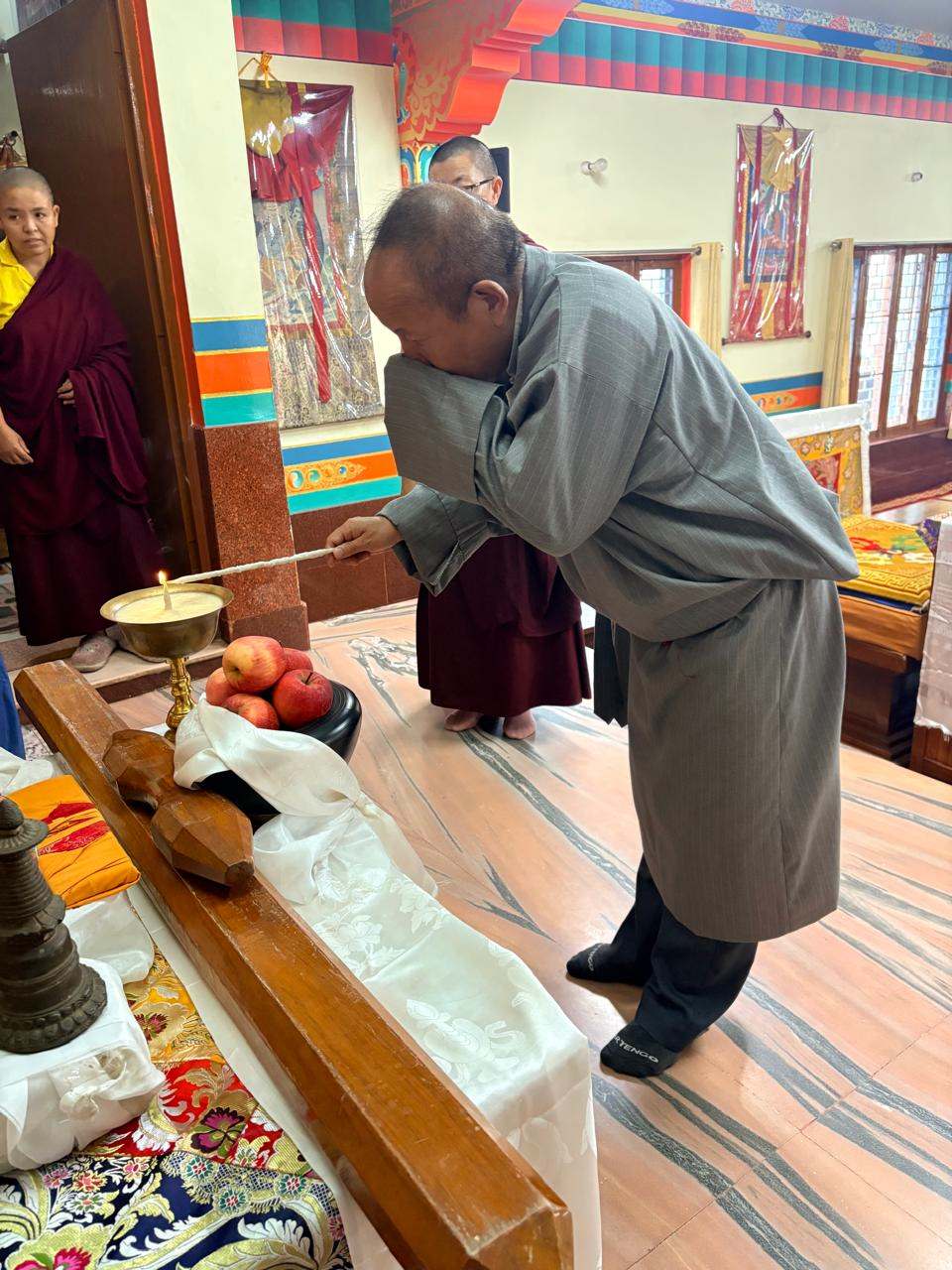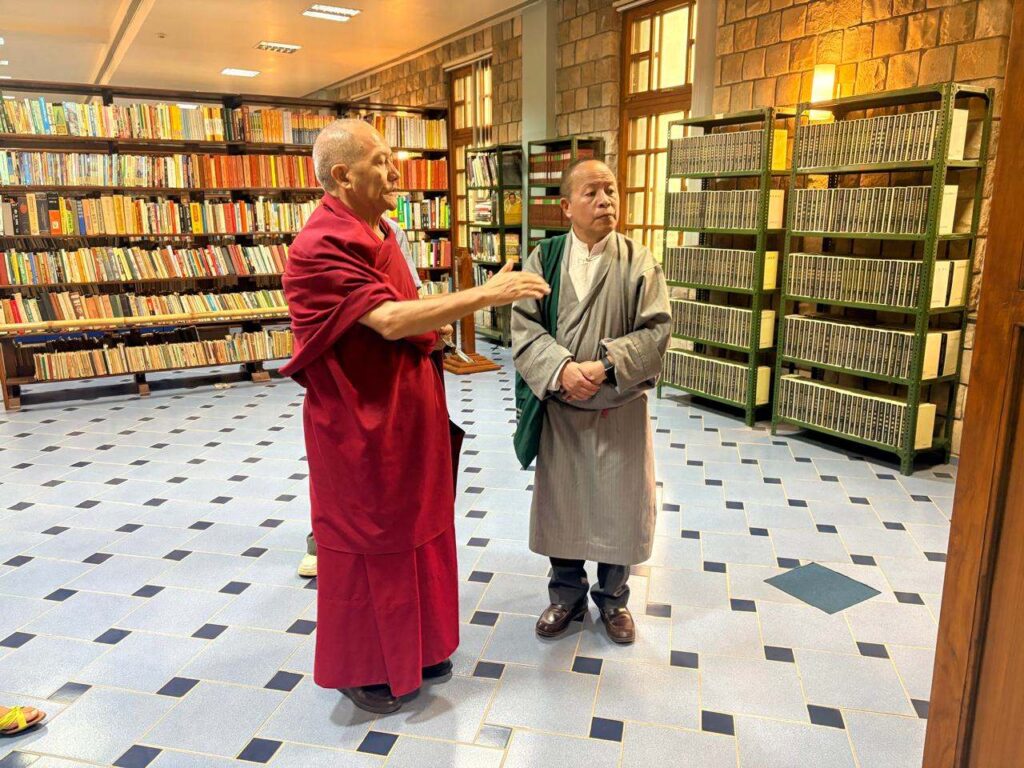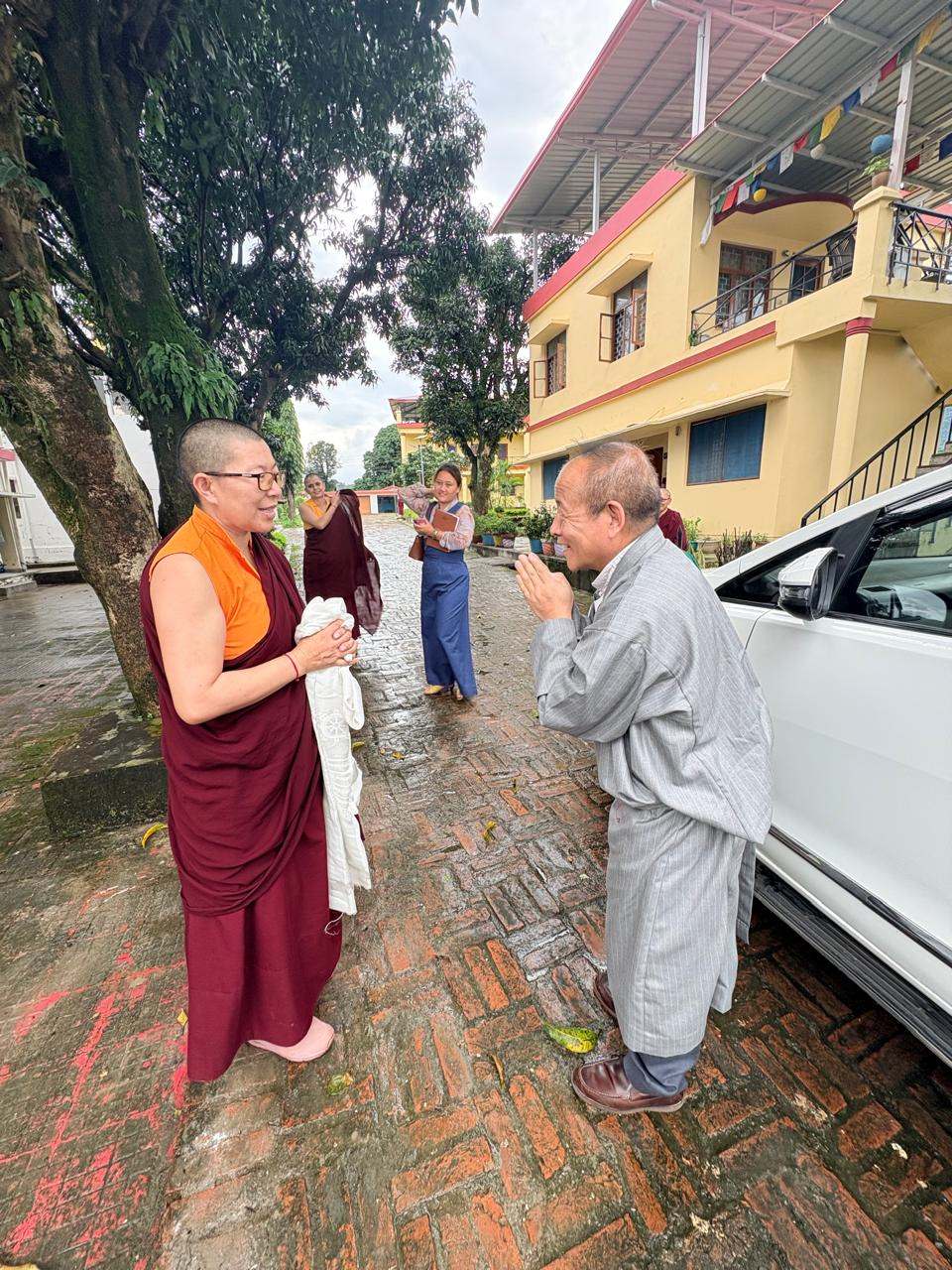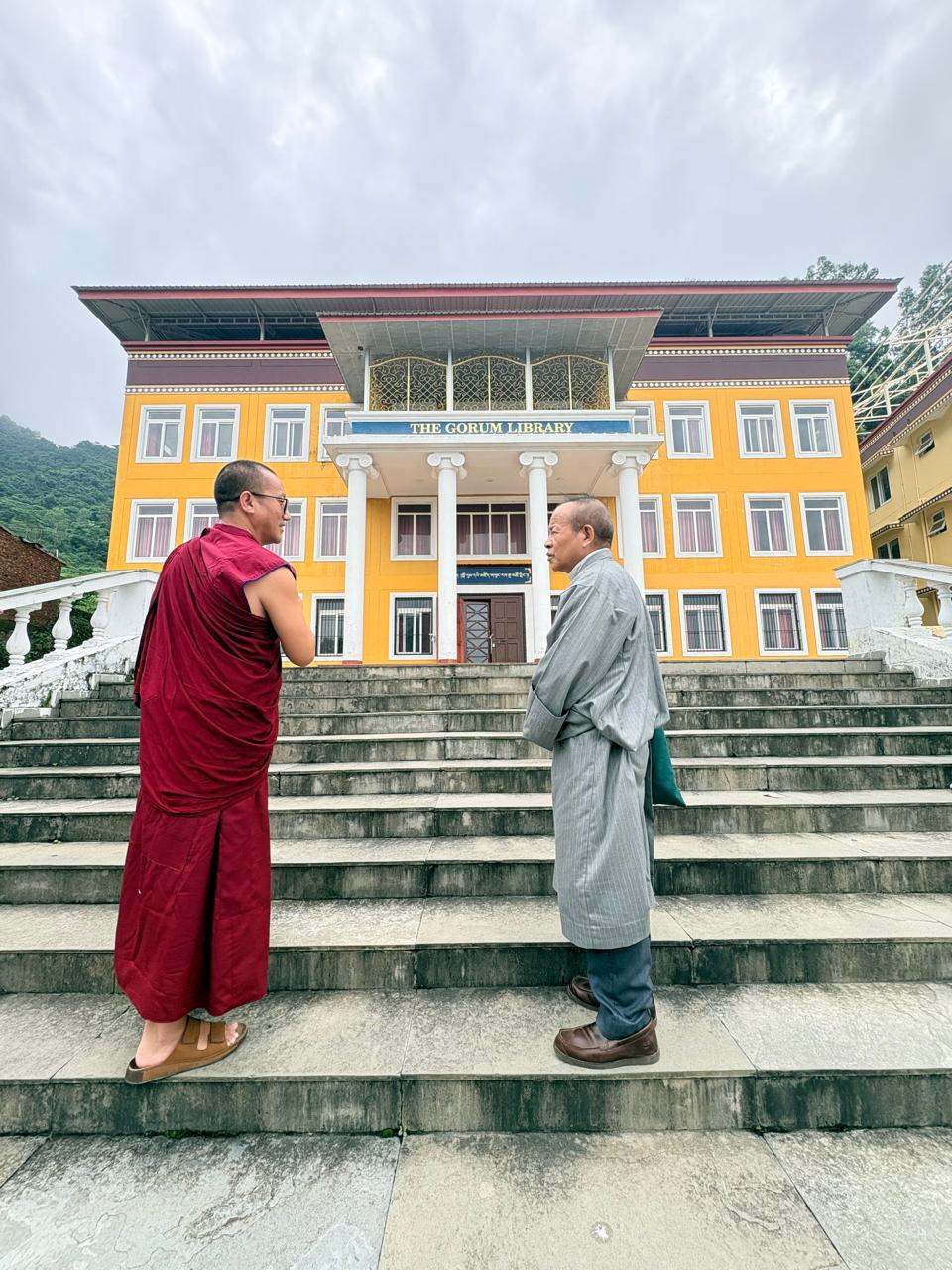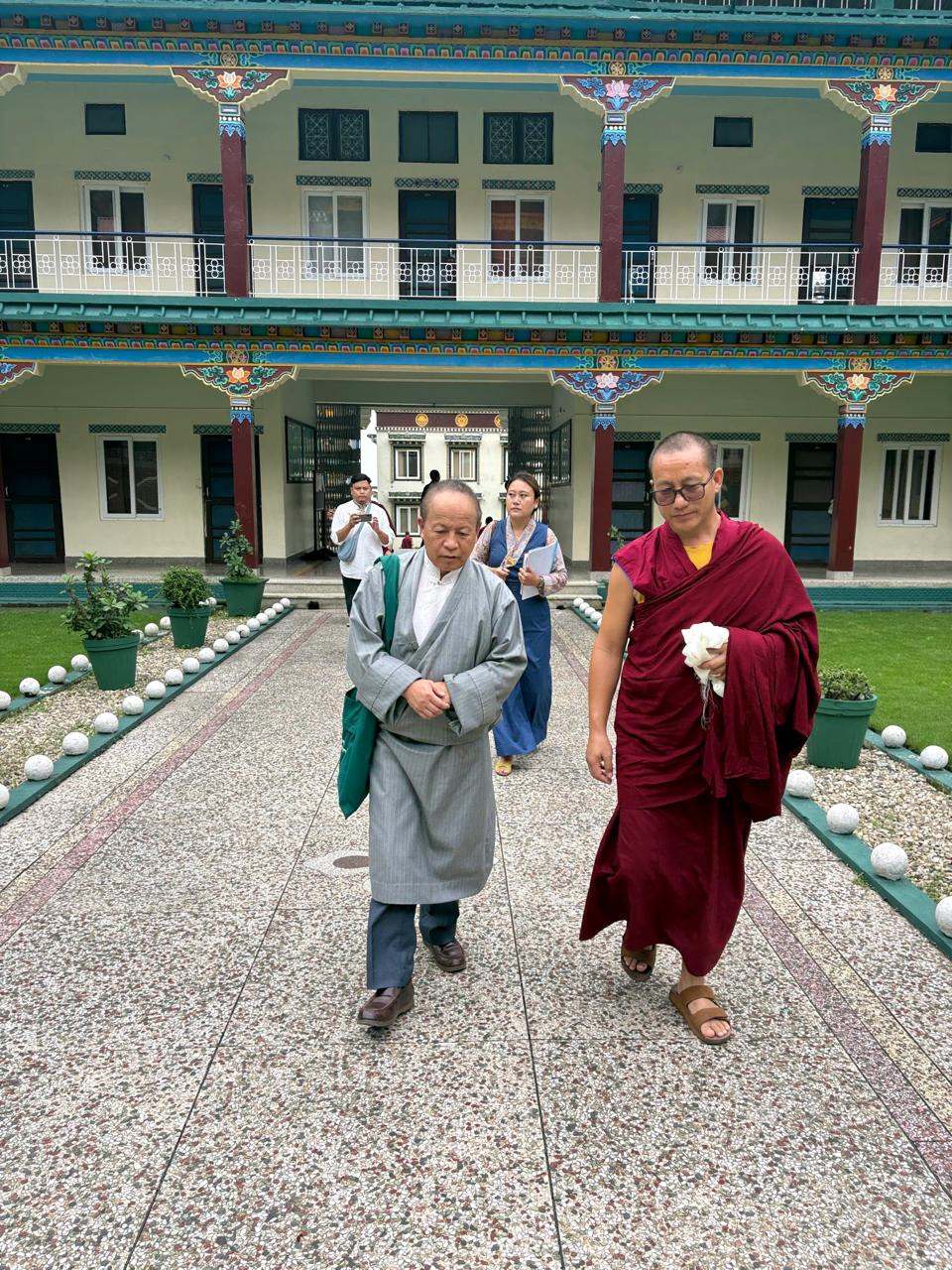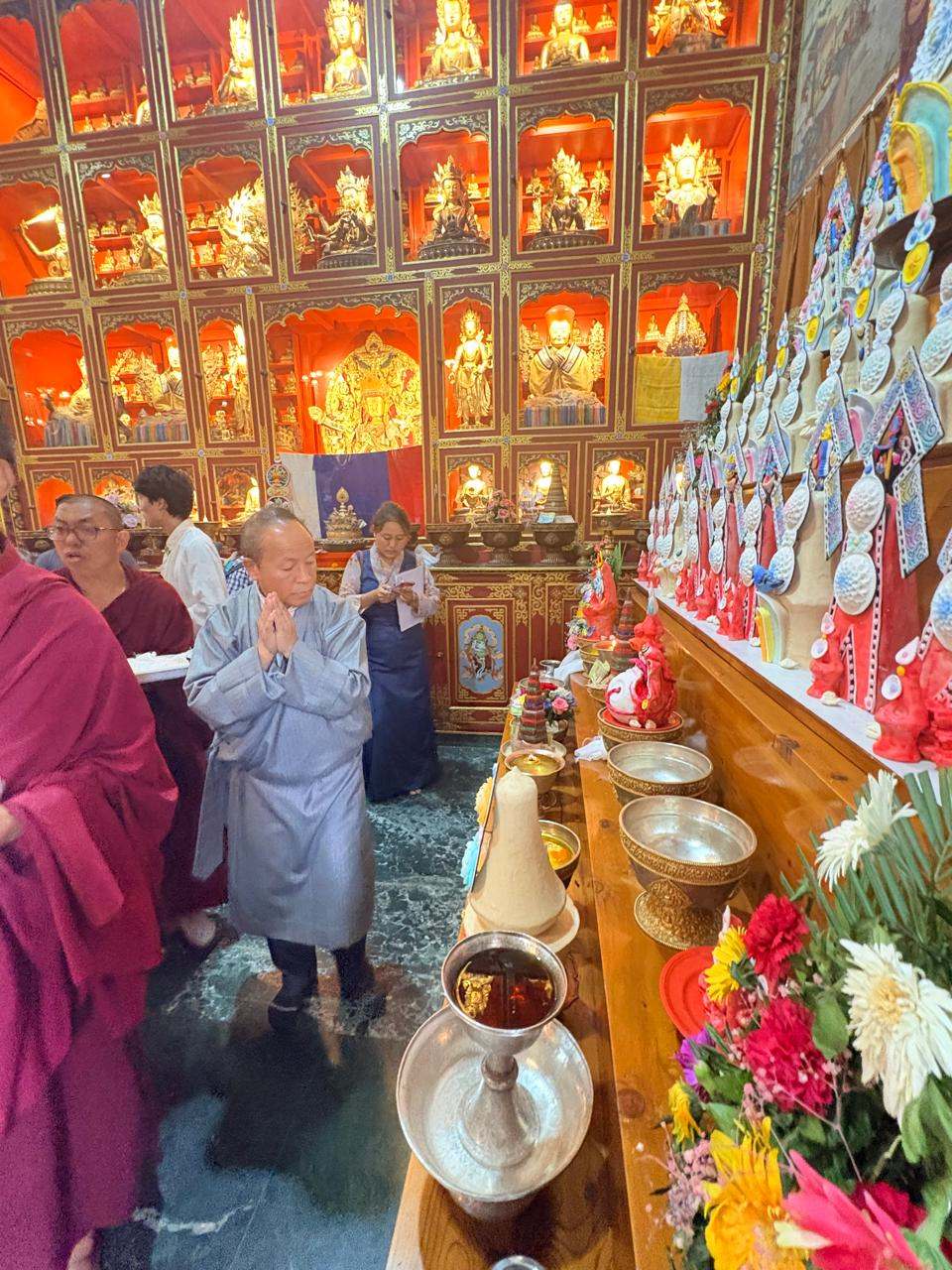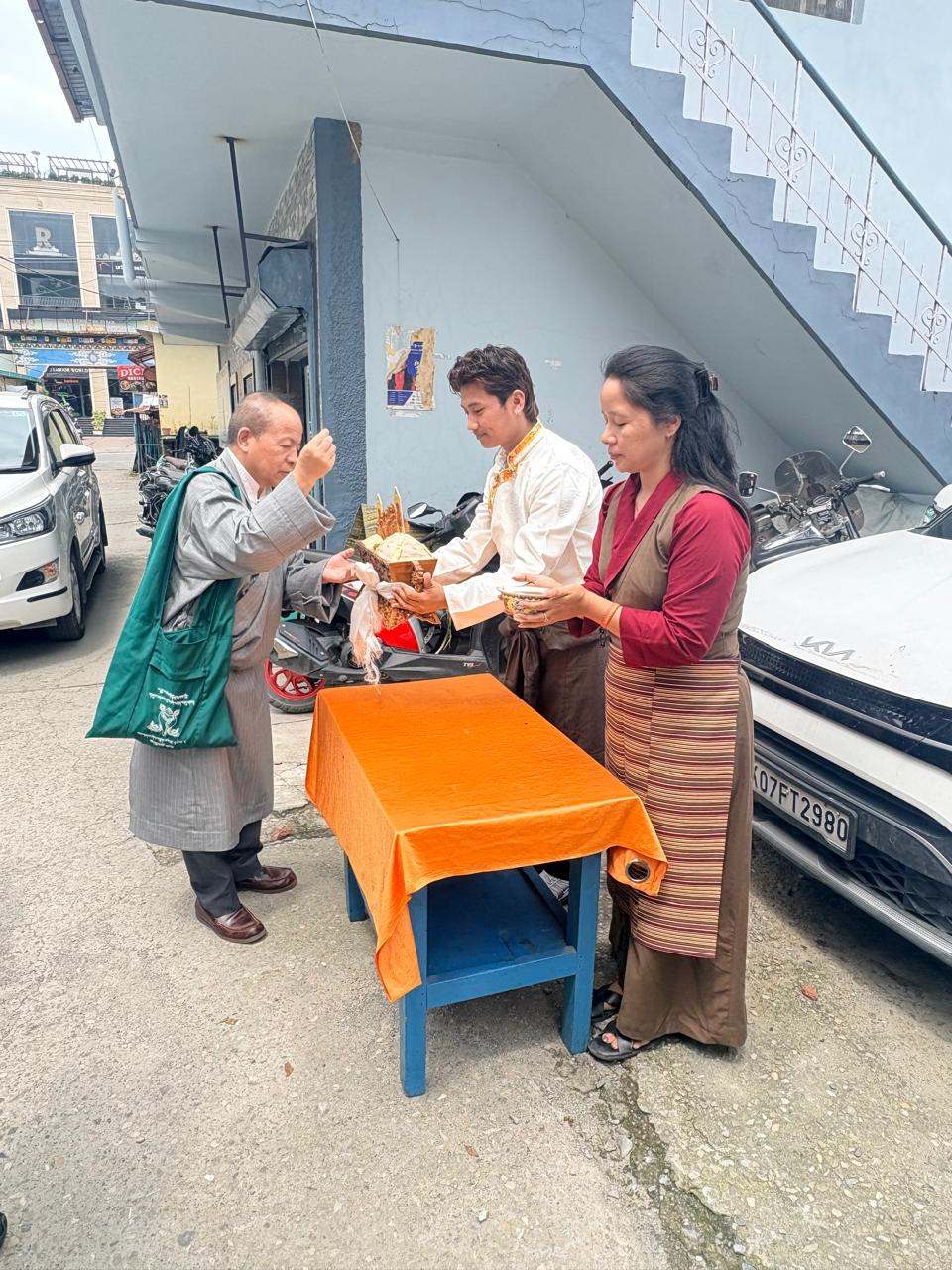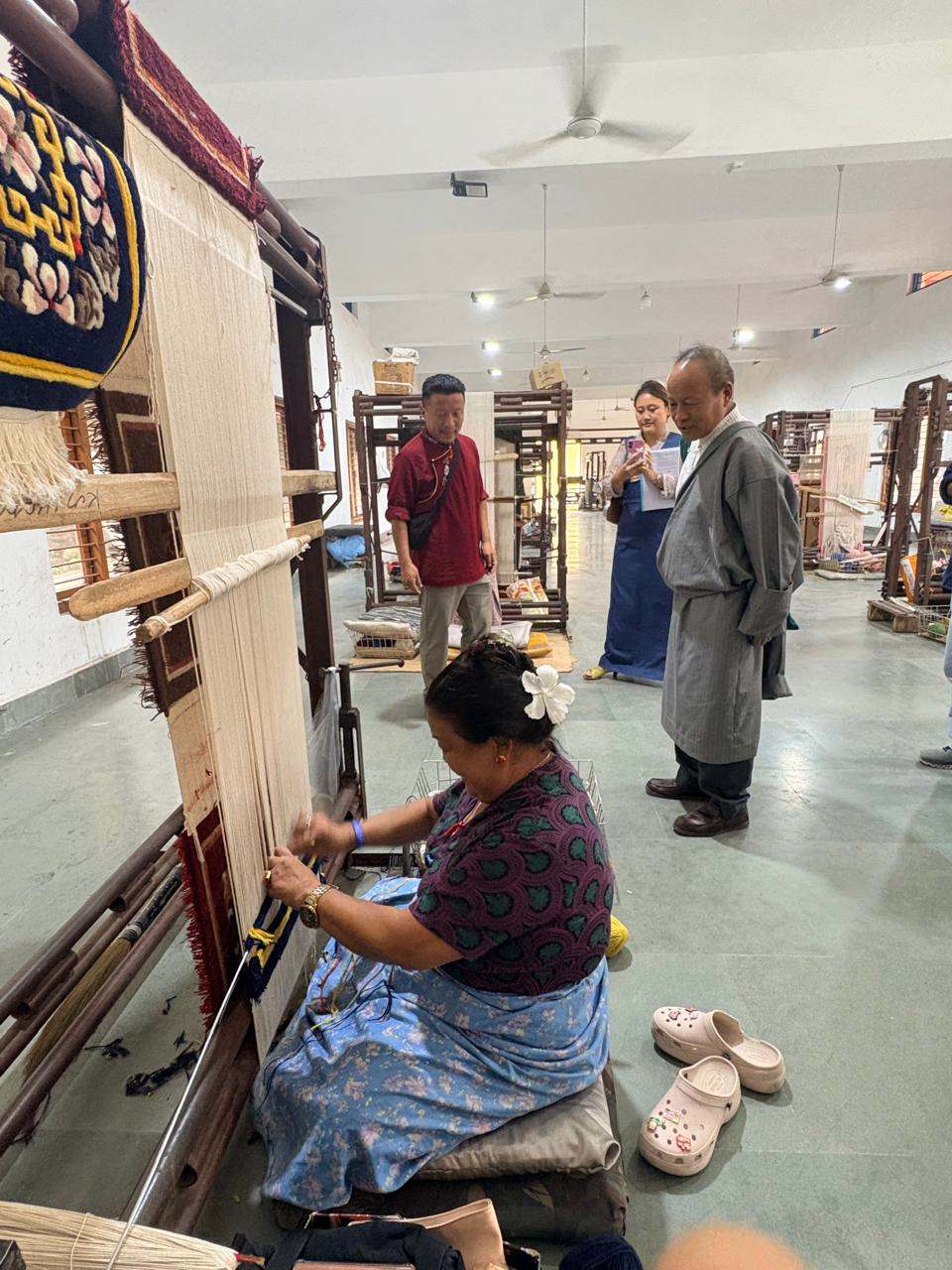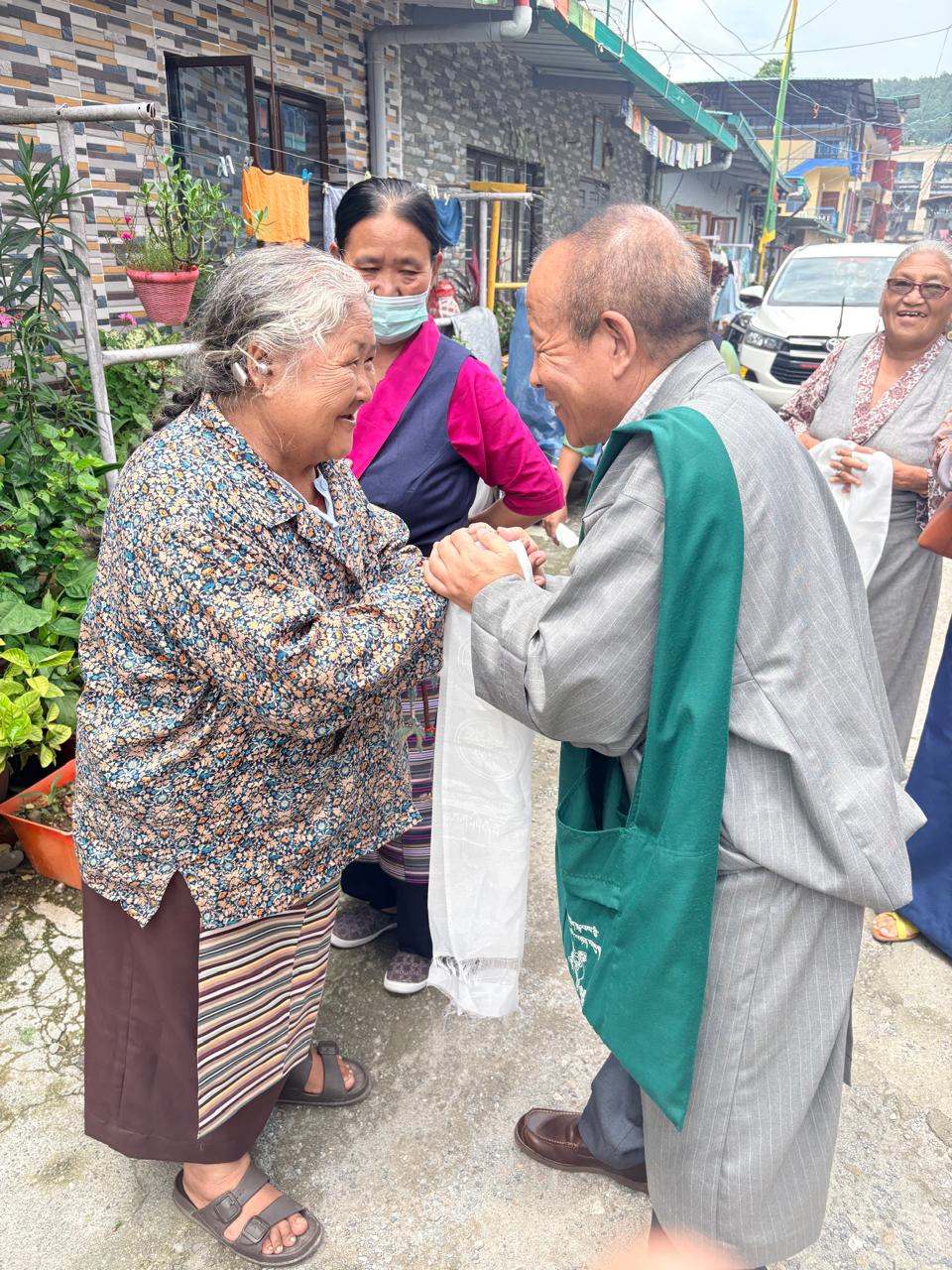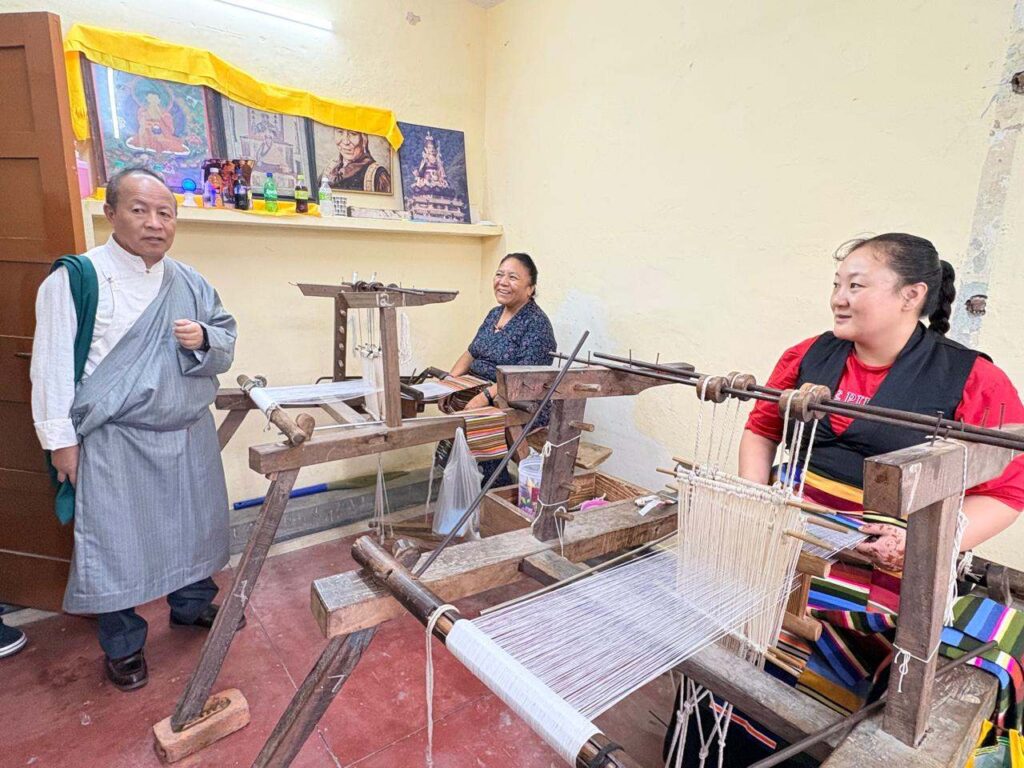
Dharamshala: The Kalon of the Department of Religion and Culture, Tsegyal Chukya Dranyi, commenced his maiden official visit to Dehradun, Uttarakhand, on 4 August 2026 to meet with the reverent lamas, including the Sakya Khon family lineages, in the regions and to visit Tibetan monastic institutions and others.
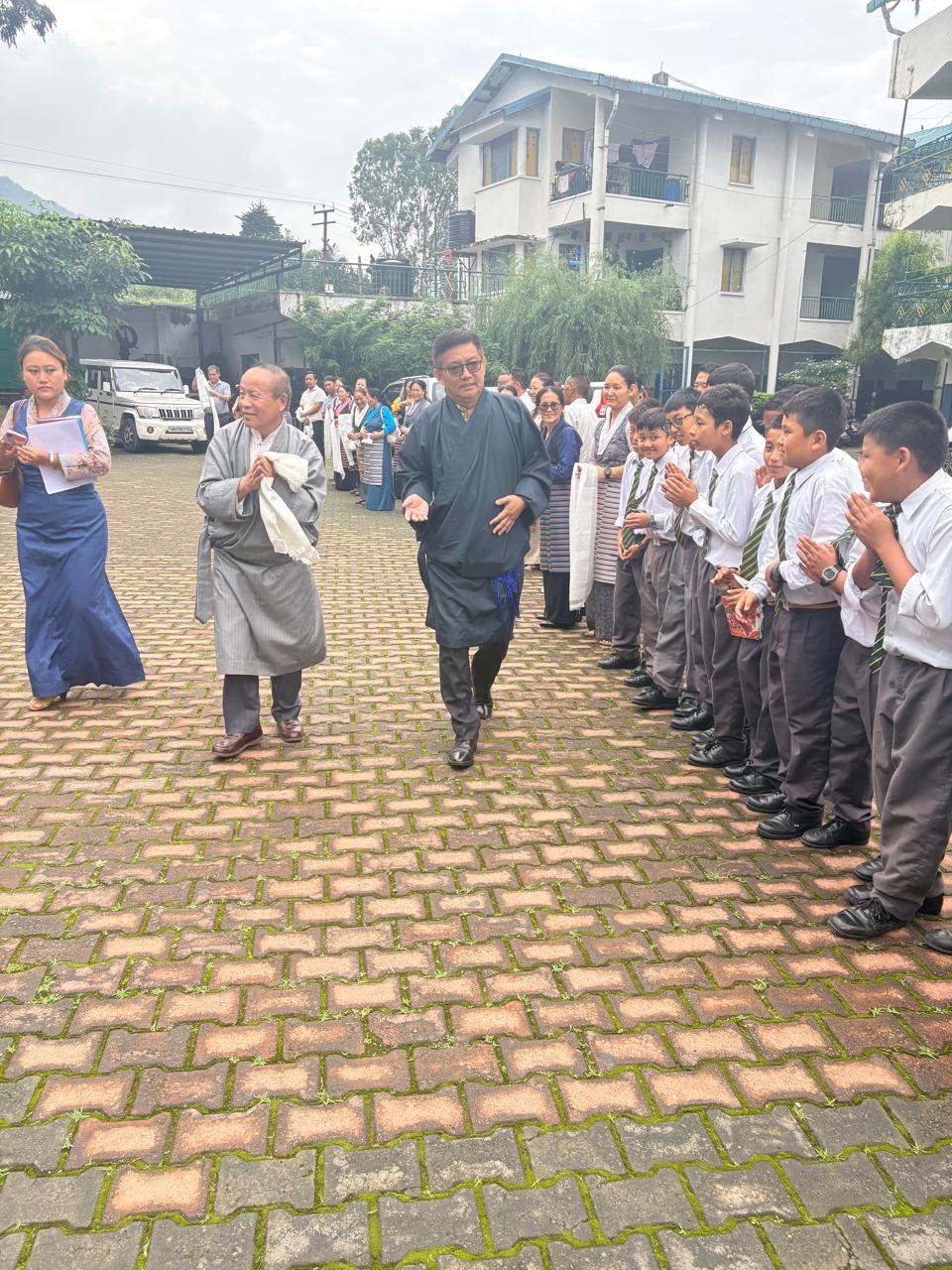
A day earlier, the visiting Kalon was received by the office secretary of the Dehradun Tibetan Settlement, Local Tibetan Justice Commissioner of the Northern Region, Chairman of the Local Tibetan Assembly, President of the Regional Tibetan Freedom Movement, and Director of the Ngoenga School for Tibetan Children with Special Needs at the airport upon his arrival. An another welcome reception was also accorded at the guest house in Dekyiling.
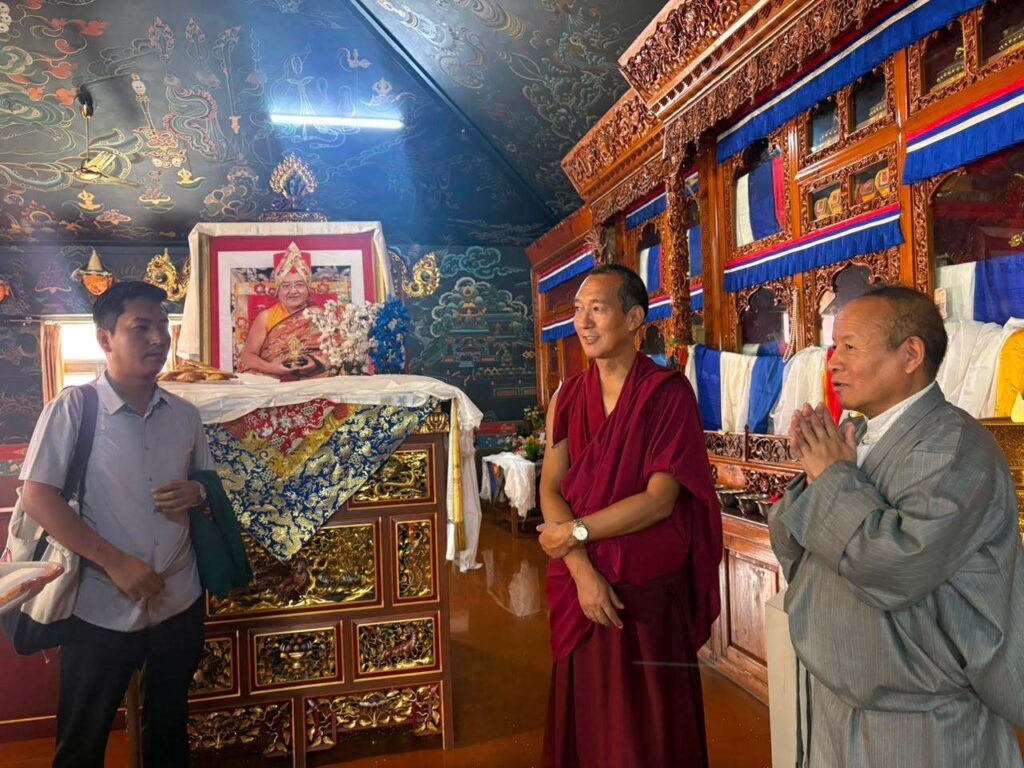
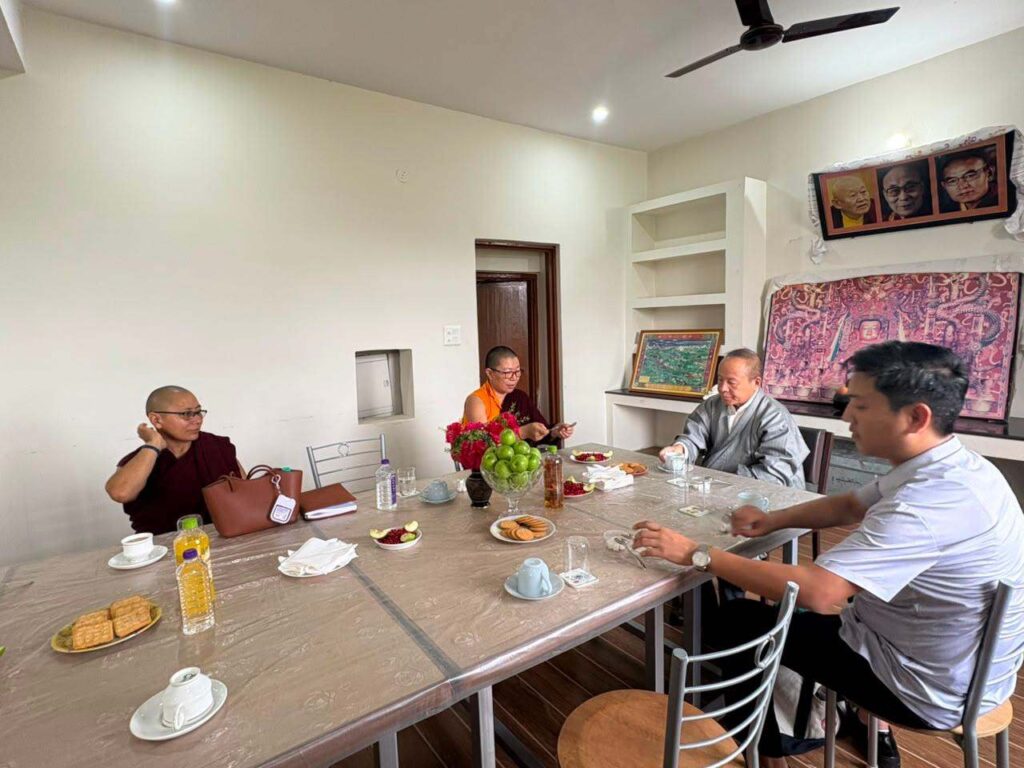
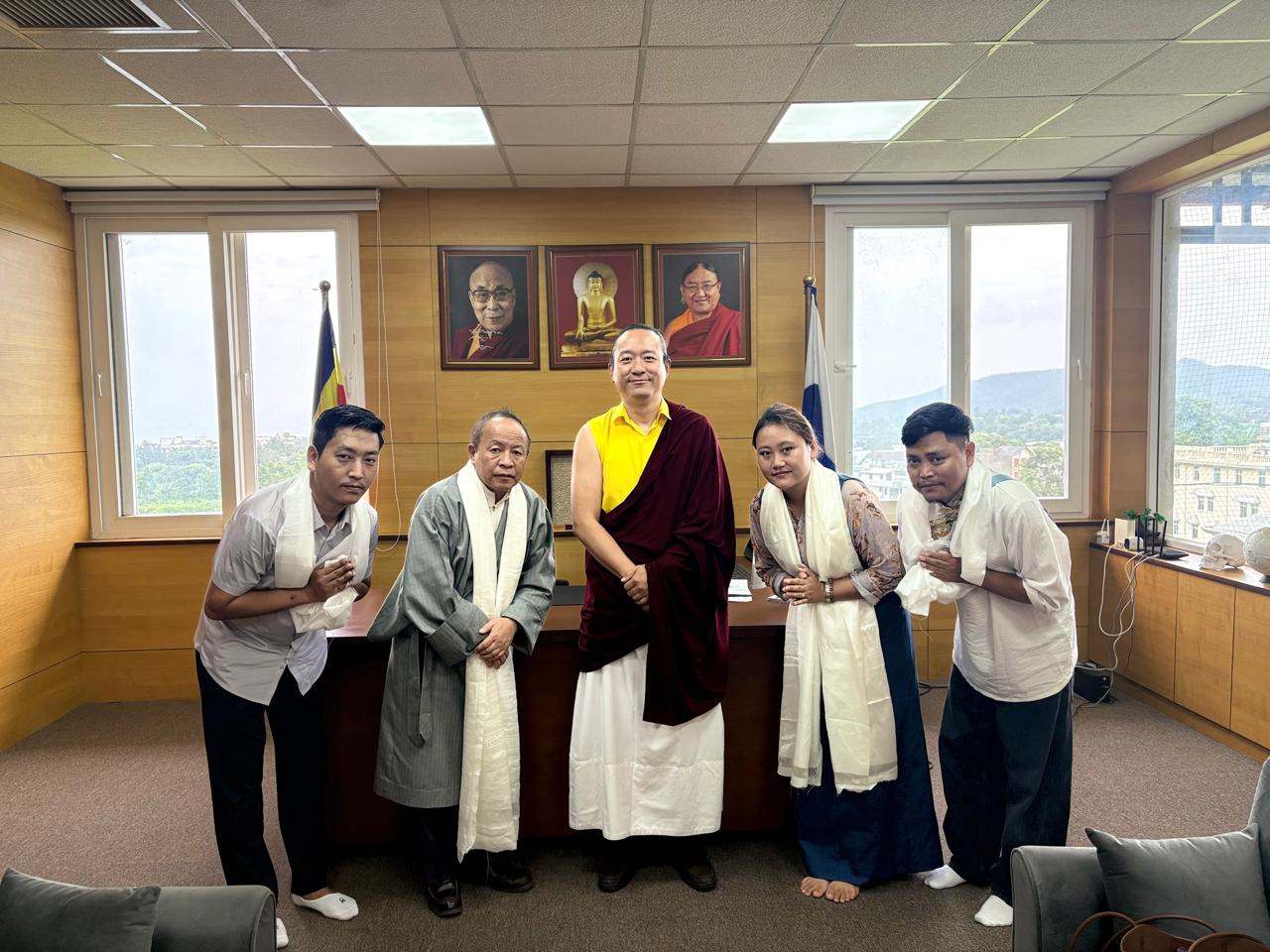
On the morning of 24 August, the Kalon received a special audience with the 43rd Sakya Trizin Kyabgon Gyana Vajra Rinpoche. The Kalon offered greetings and sought blessings from the Sakya Trizin for successful implementation of administrative responsibilities of the Central Tibetan Administration. The Kalon also briefed the Rinpoche on the vision and priorities of the 17th Kashag and introduced key initiatives of the Department of Religion and Culture.
During the meeting, Kyabgon Gyana Vajra Rinpoche offered guidance on the importance of issuing standardised accreditation certificates to monastic schools across all Tibetan Buddhist traditions without sectarian distinction. The Rinpoche emphasised that such certification would provide monks who subsequently leave monastic life with greater opportunities to pursue their livelihoods, contribute to the development of an educated Buddhist community, and support the preservation and continuation of the monastic tradition.
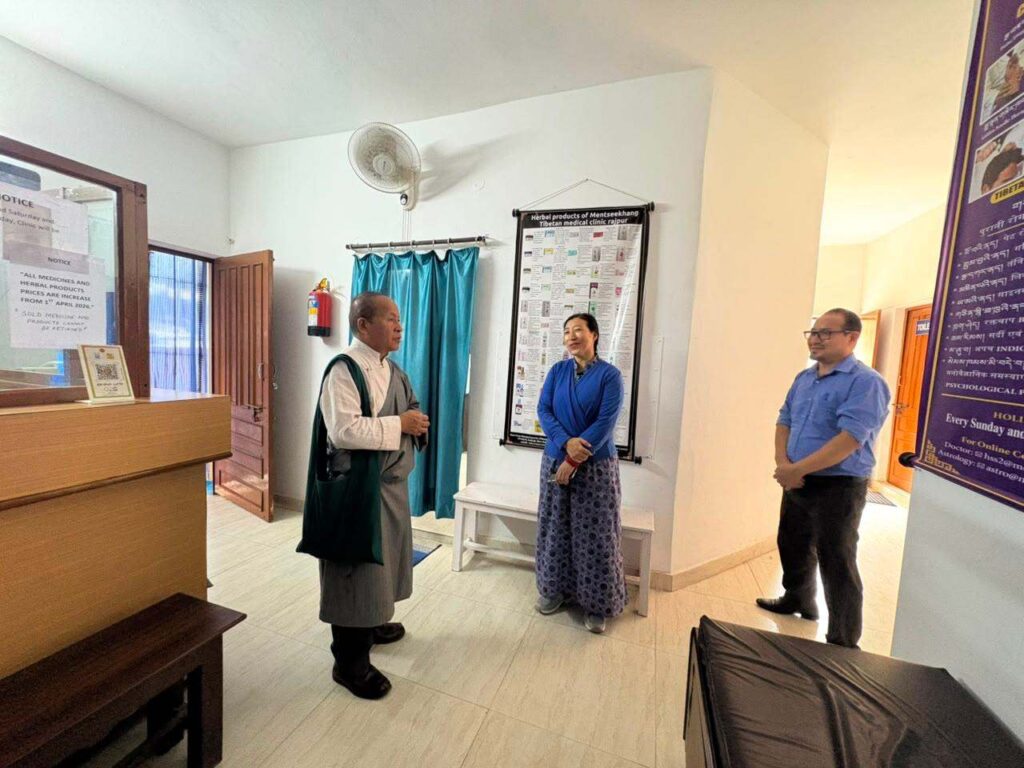
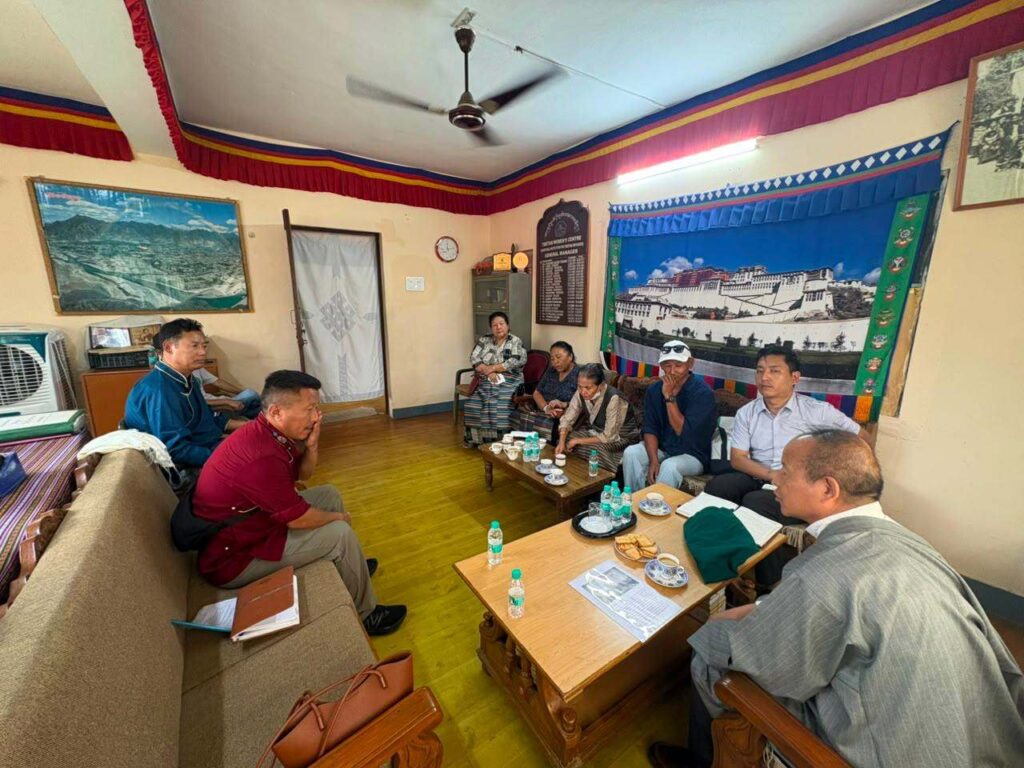
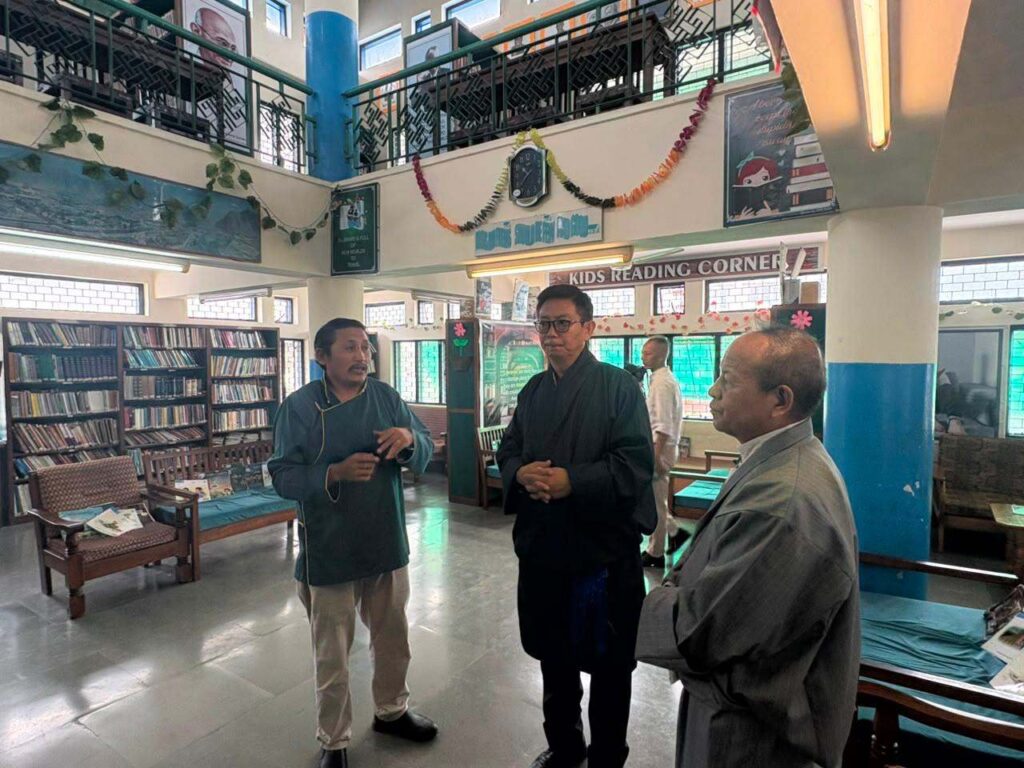
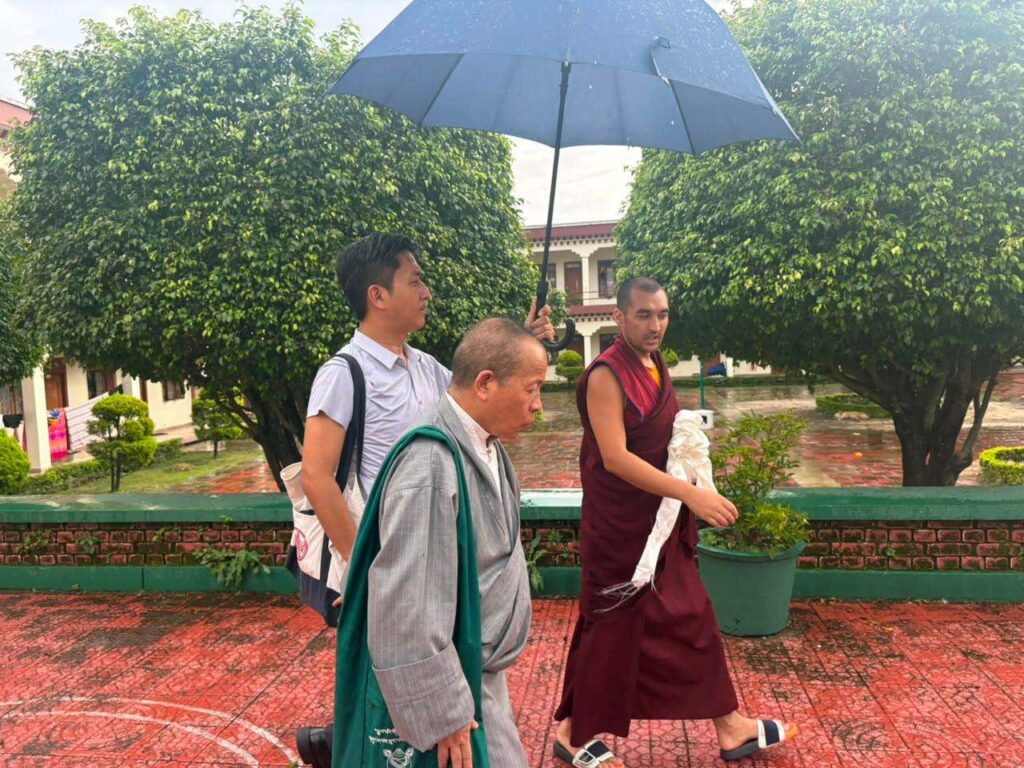
Following the meeting, the Kalon visited Sakya Monastery, Tibetan Homes School in Rajpur, Sakya Dharma Centre, Rajpur Tibetan Women’s Centre, and the Men-tsee-khang branch in Rajpur. During the visits, the Kalon held discussions with the respective heads and staff and introduced the vision and priorities of the 17th Kashag, along with key initiatives of the Department of Religion and Culture, including the launch of Neykor App and Tibetan Digital Library Initiative.
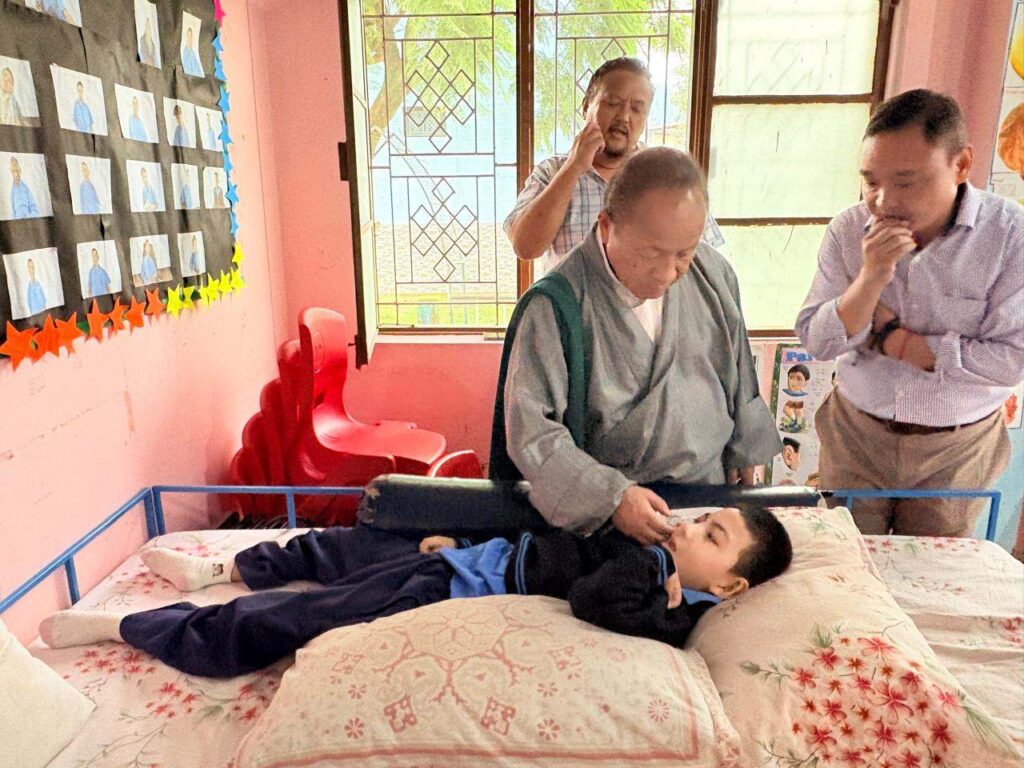
The Kalon also emphasised the importance of obtaining proper parental consent and maintaining appropriate documentation when children newly enter monastic institutions. At the Tibetan Homes School–Rajpur clinic, the Kalon highlighted the importance of maintaining proper conduct when caring for students and encouraged staff to serve as positive role models. He further stressed the importance of nurturing students’ Tibetan language proficiency and written Tibetan skills.
Following lunch, the Kalon visited Drikung Kagyu Monastery and held discussions with the monastery’s abbot and relevant staff. The discussions focused on the importance of complying with India’s FCRA regulations when receiving funds from abroad, as well as ensuring proper legal documentation and parental consent when children from different regions enter monastic institutions.
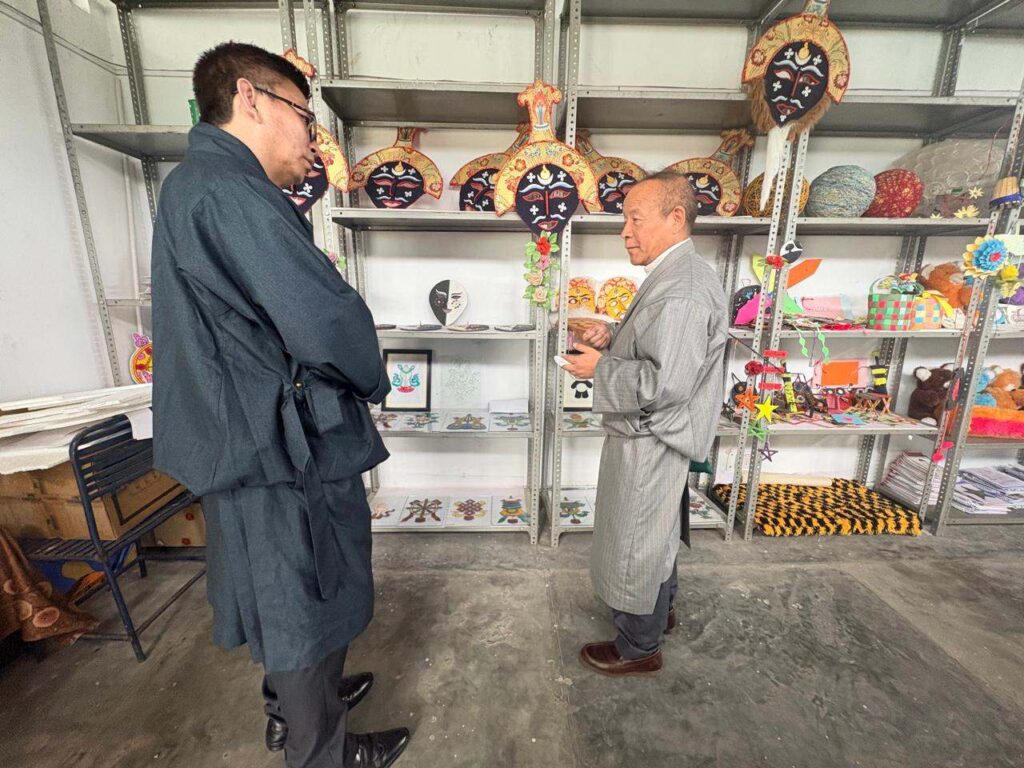
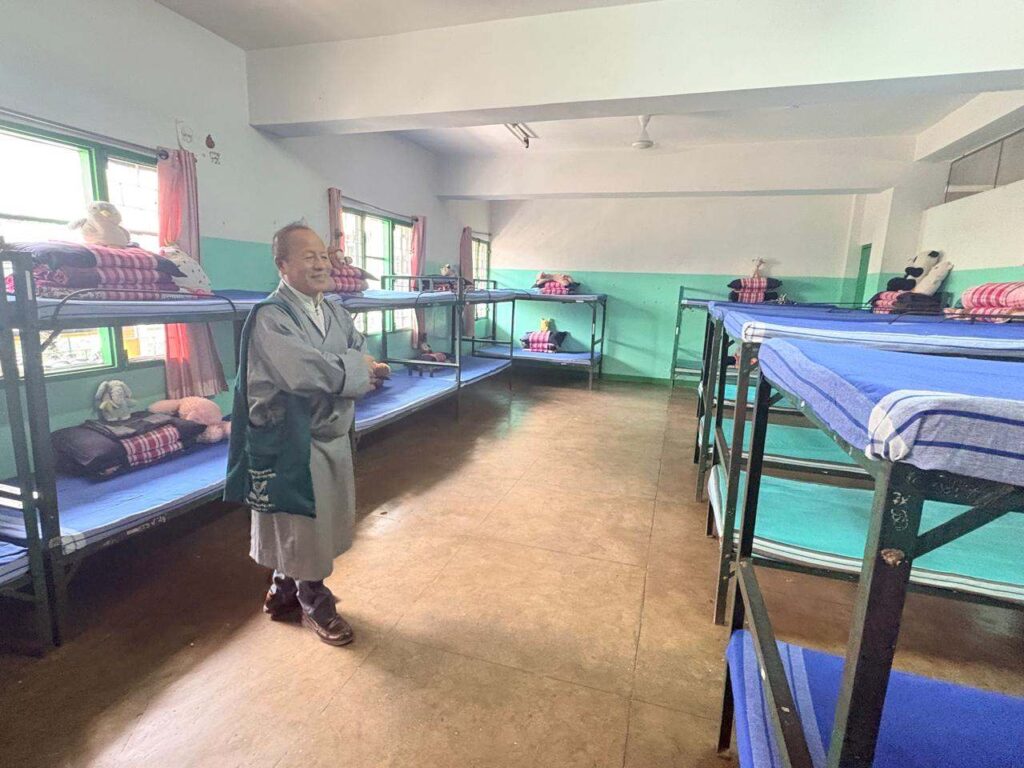
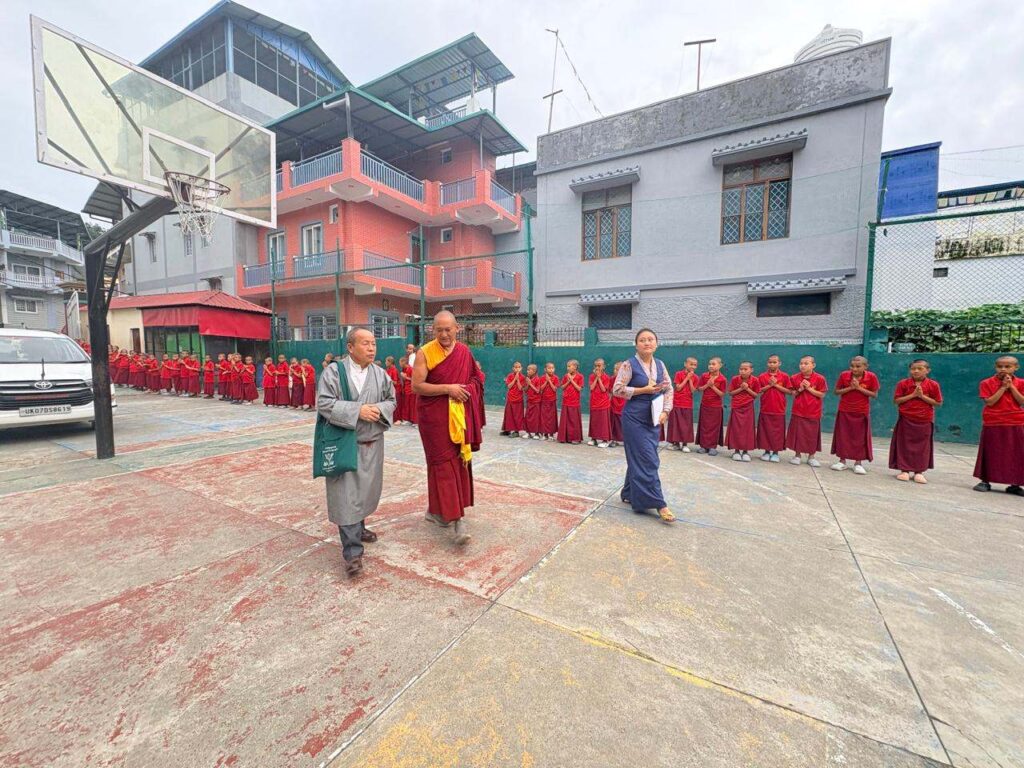
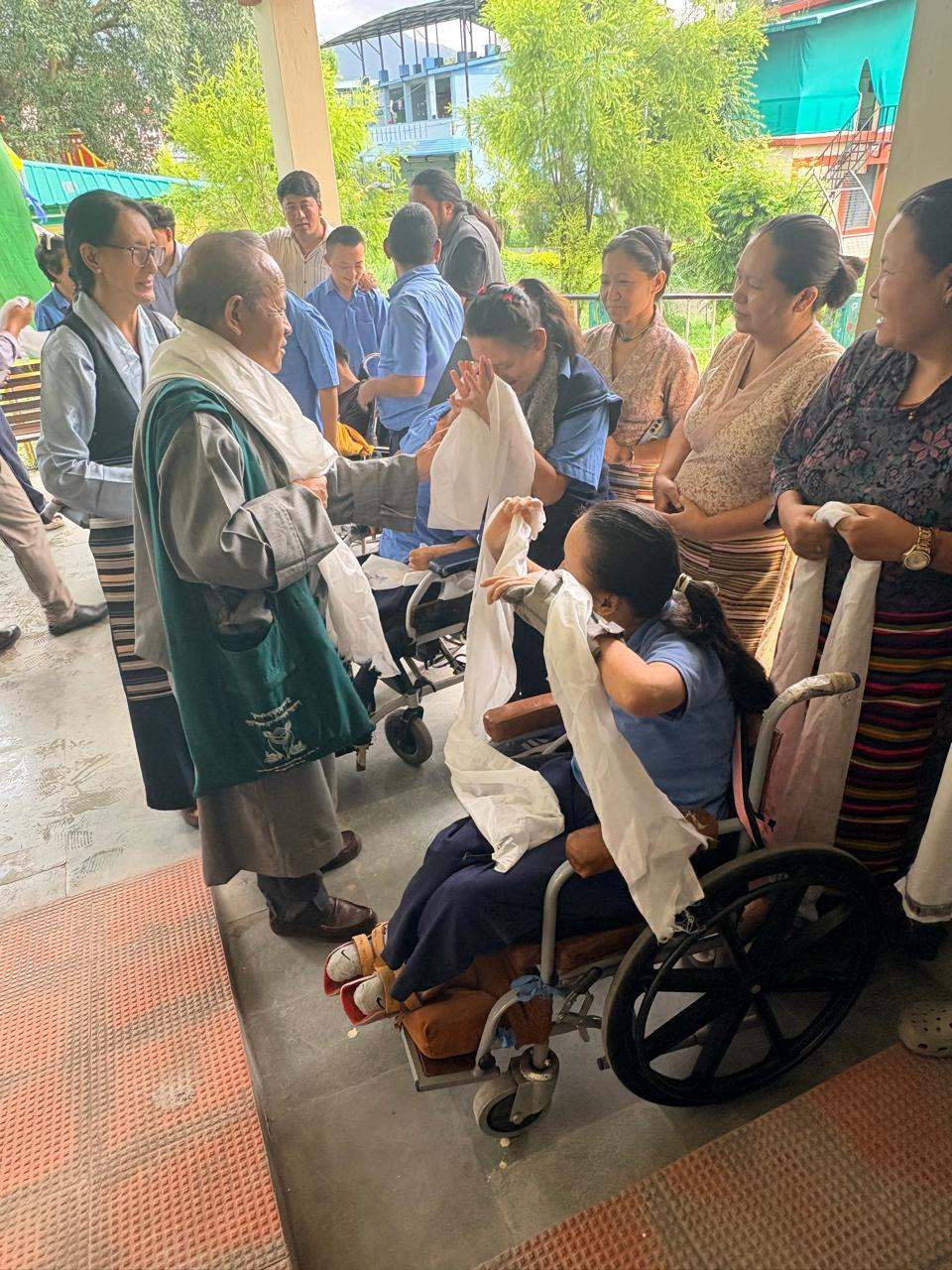
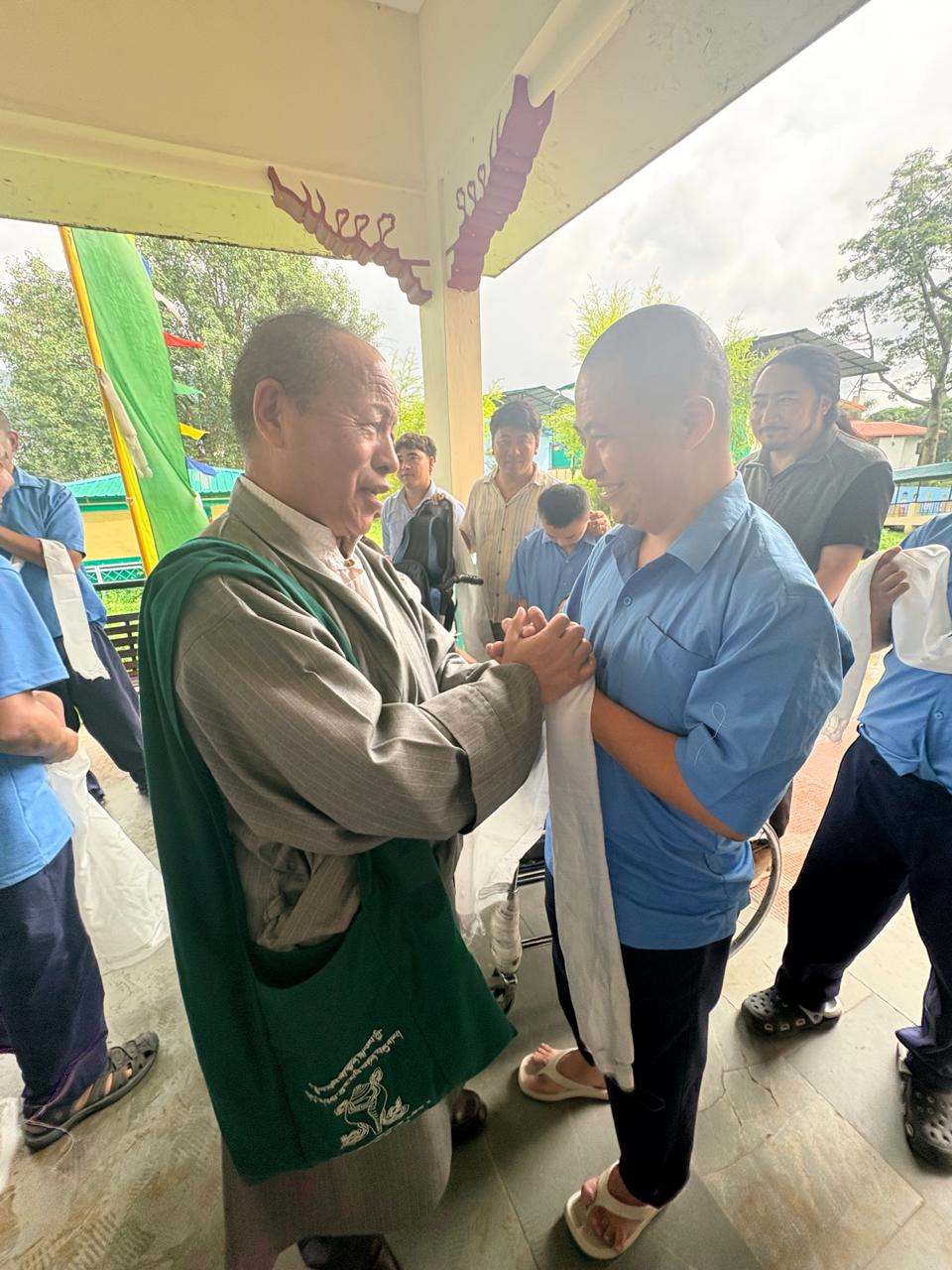
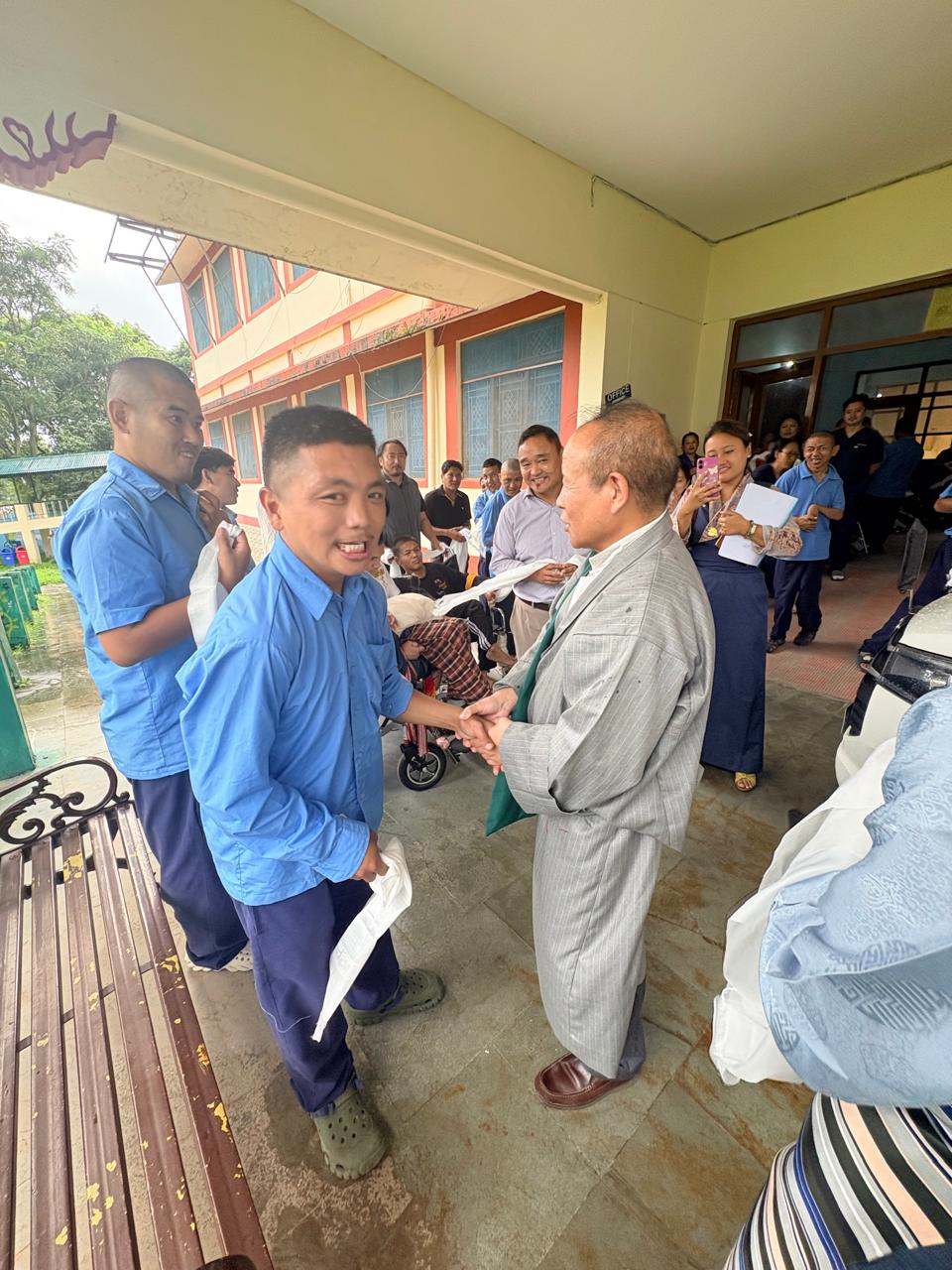
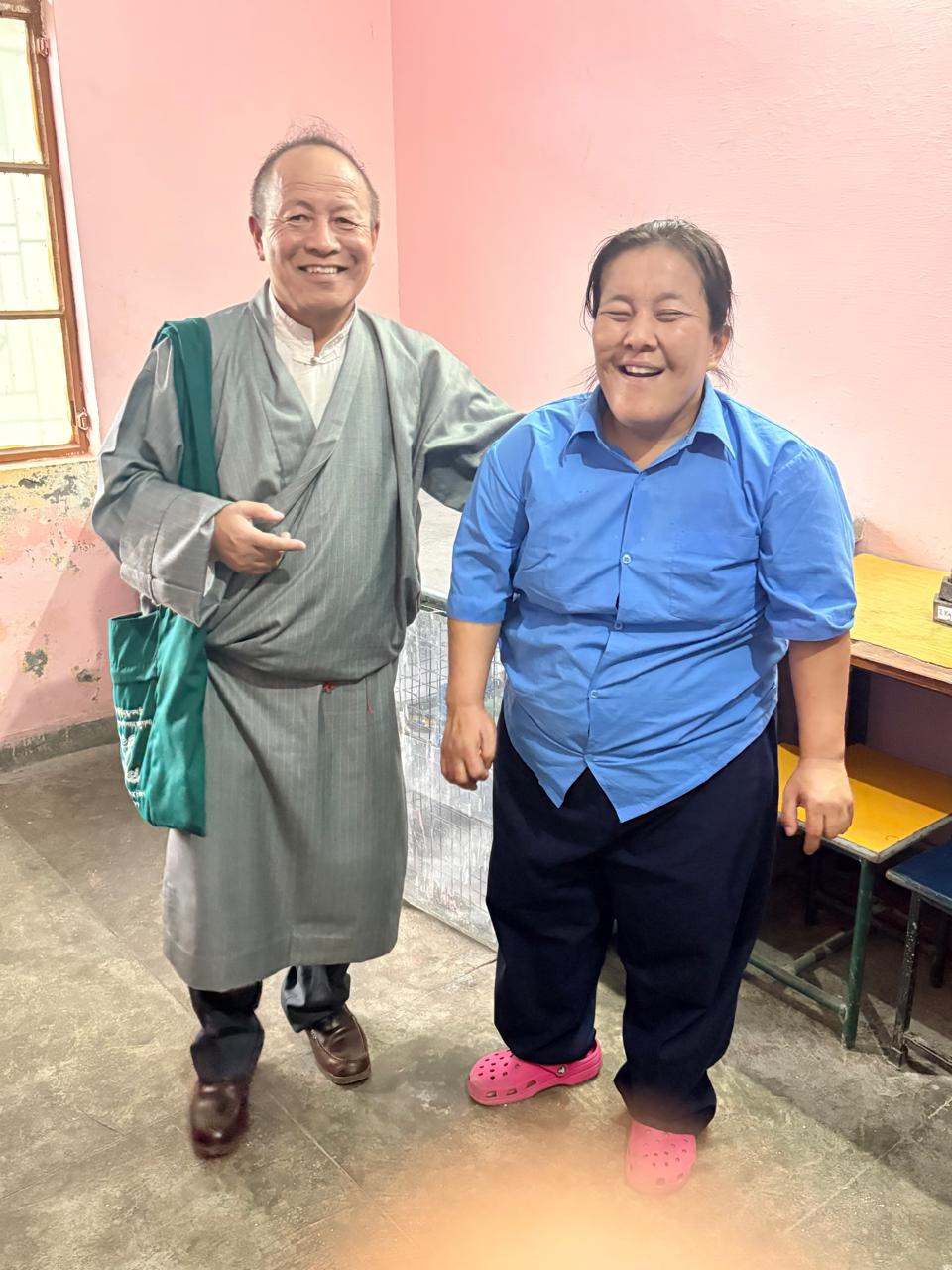
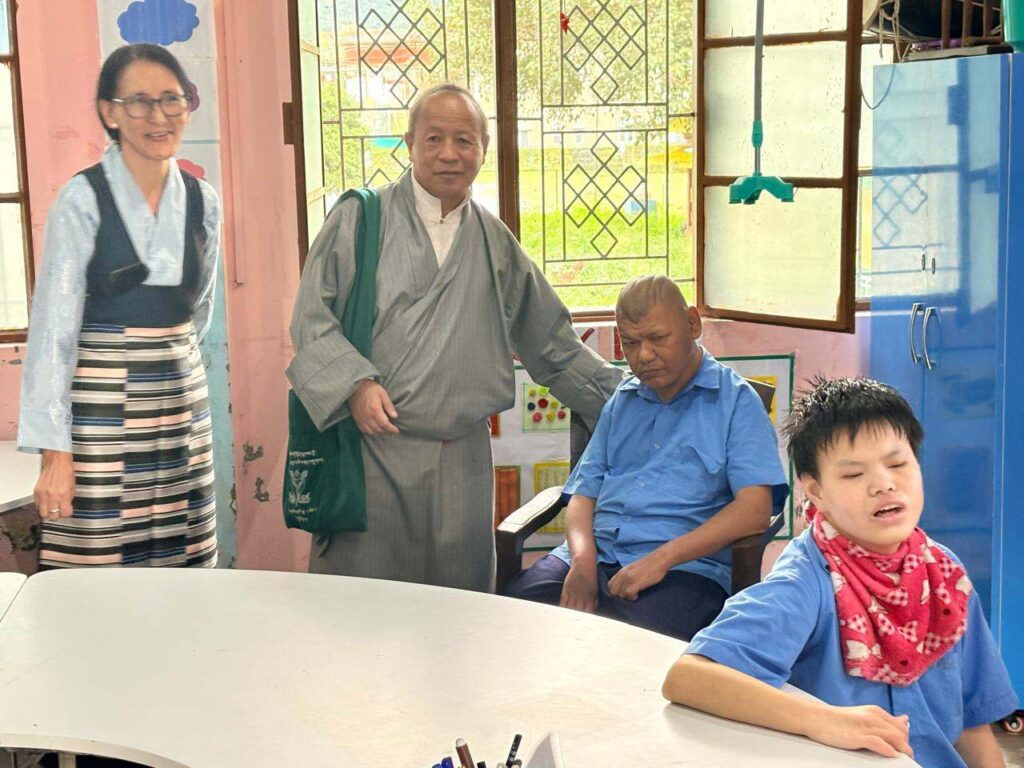
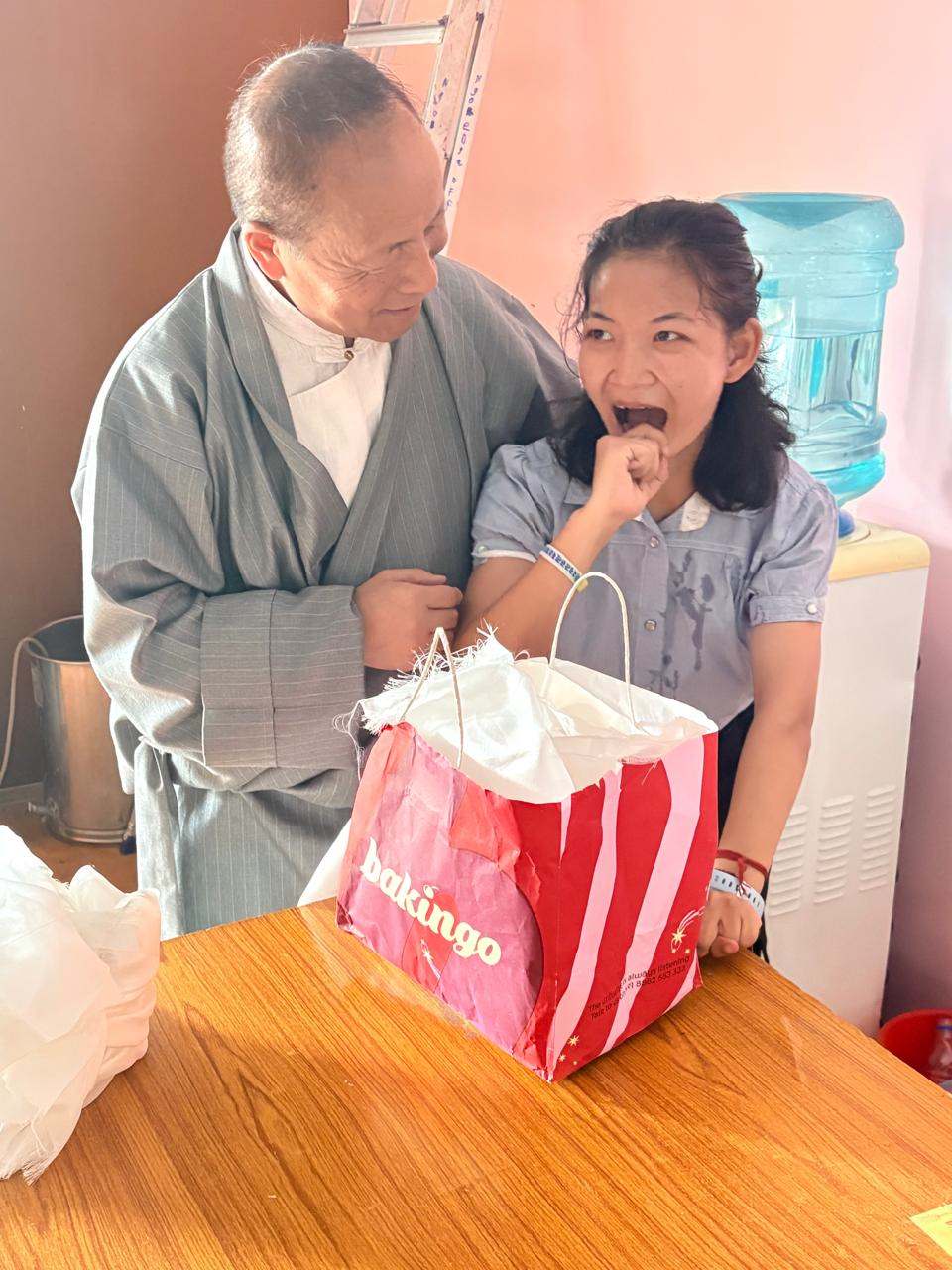
The Kalon subsequently visited the Ngoenga School for Tibetan Children with Special Needs, where discussions were held with the school administrator and staff responsible for various departments. He expressed appreciation for their service and emphasised that working with children with special needs with a pure motivation is a source of great merit according to religious belief. The Kalon further underscored the importance of caring for the students with genuine love, compassion and dedication.
The Kalon then visited the Drikung Kagyu College, Lhodrak Donnyi Ling Monastery, Lhodrak Thikchi Monastery, Sakya Rinchen Choling and Sachen School, where meetings were held with the heads and relevant staff of the respective monastic institutions. During these visits, he informed about the objectives of his ongoing visit to settlements as to learn about their circumstances and concerns of elderly and vulnerable members of the community.
The first day of the official visit concluded successfully with visits to monasteries, educational institutions and community organisations around Dekyiling and Rajpur in Dehradun.