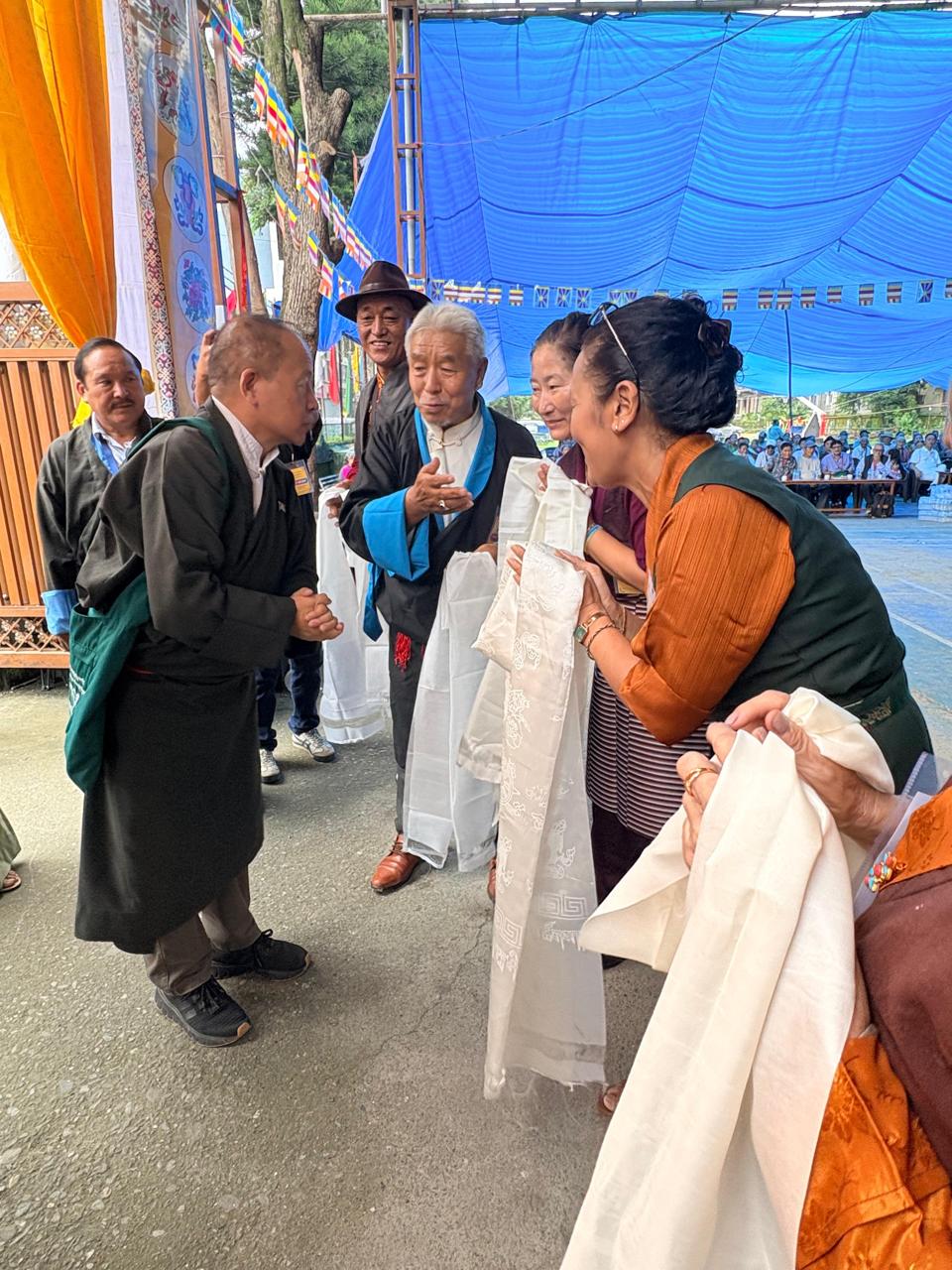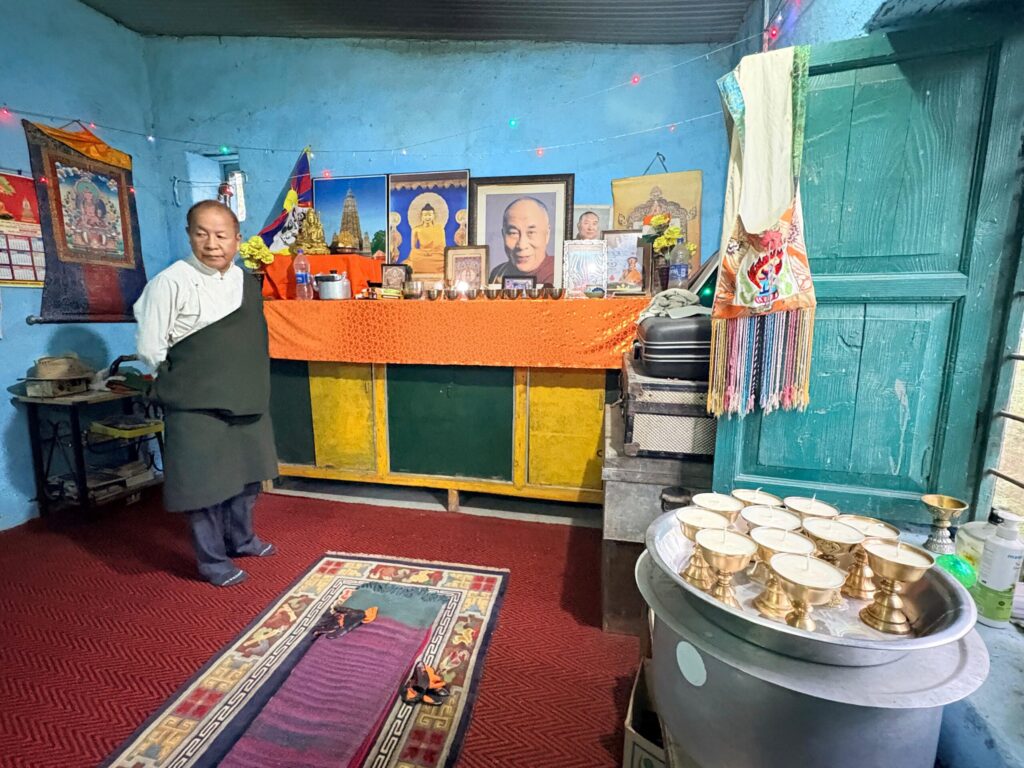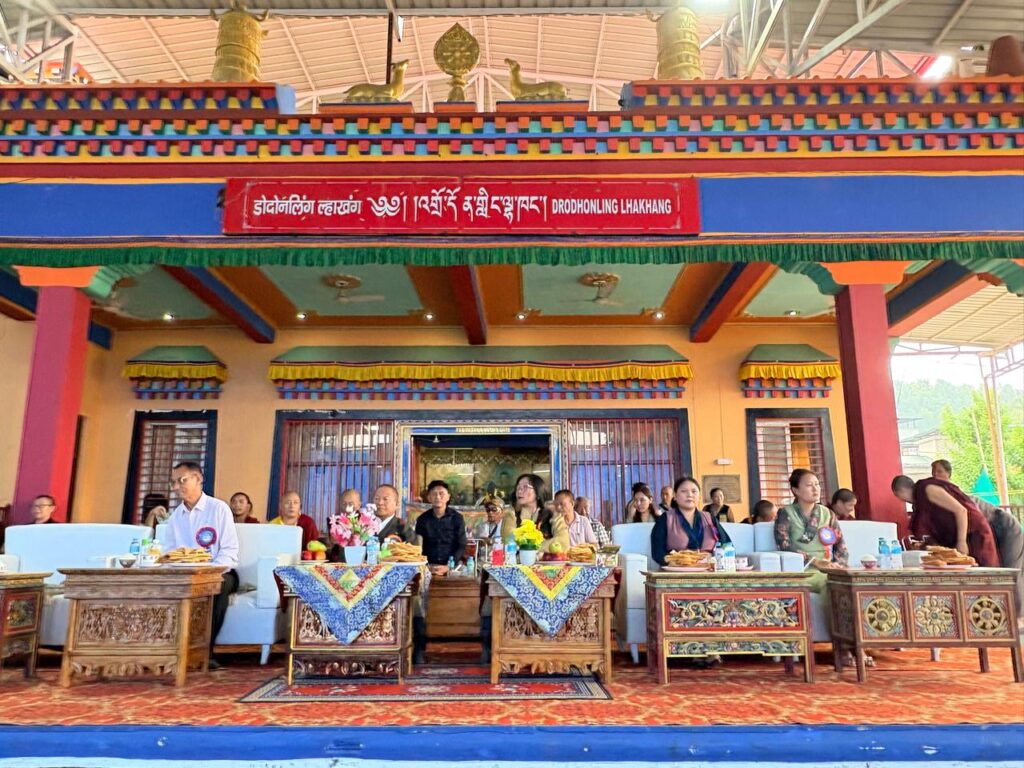
Dharamshala: On 28 August 2026, at 10:00 a.m., Kalon (Minister) Tsegyal Chukya Dranyi of the Department of Religion and Culture (DoRC) attended the 39th anniversary of revival of Mila Se-Cham at Dekyiling Norlingthang.
The occasion commemorated the long-standing tradition of Cham dance performances at Khar Gutok, the nine-storey tower built by Jetsun Milarepa in Se Town (Chinese: Sè xiāng), Lhodrak (Chinese: Lhozhag County). The annual tradition, which was held for several days beginning on the 15th day of the seventh month of the Tibetan lunar calendar, featured Cham performances depicting the life and spiritual journey of the renowned Tibetan Buddhist master and yogi, Jetsun Milarepa.
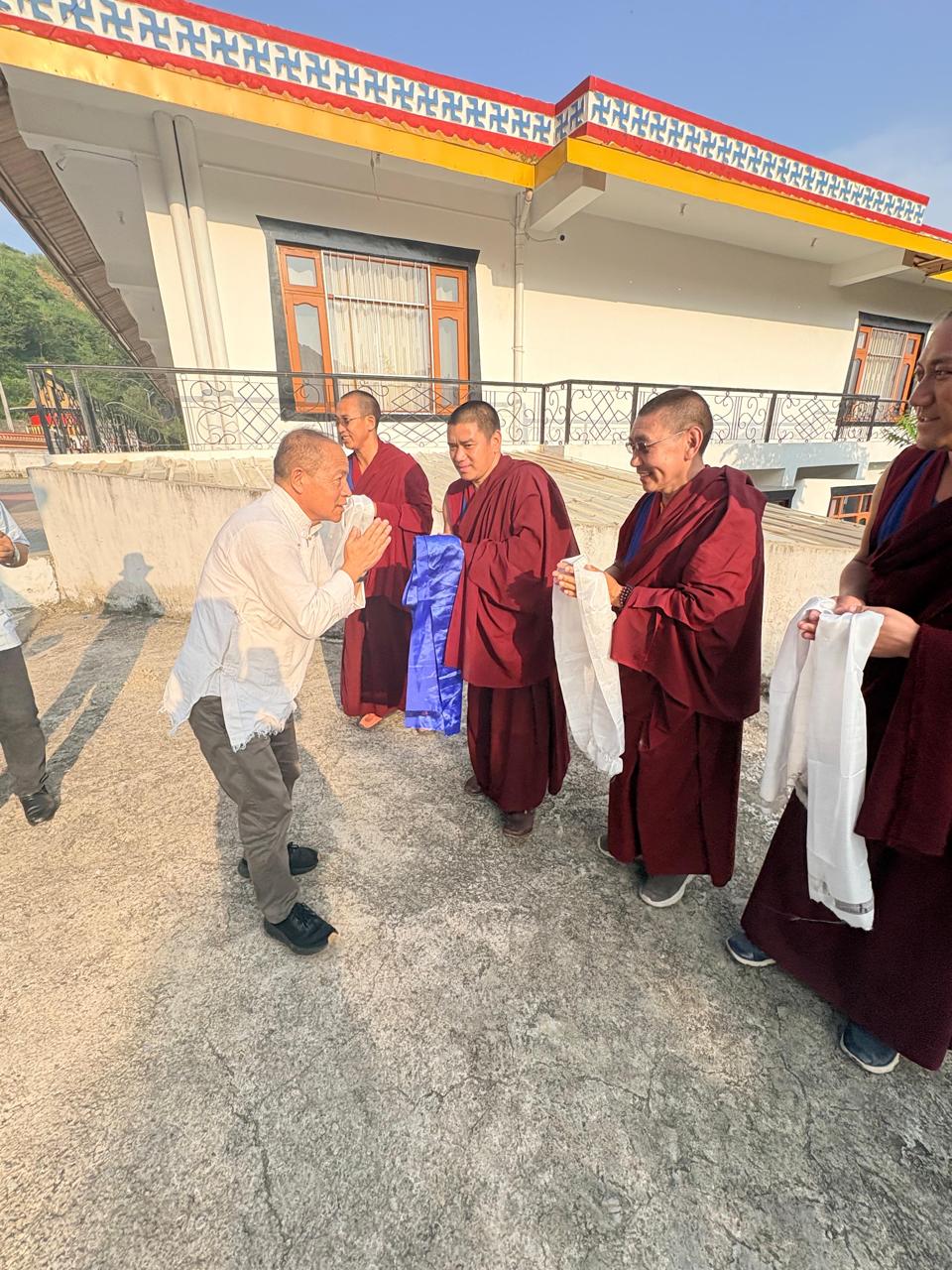
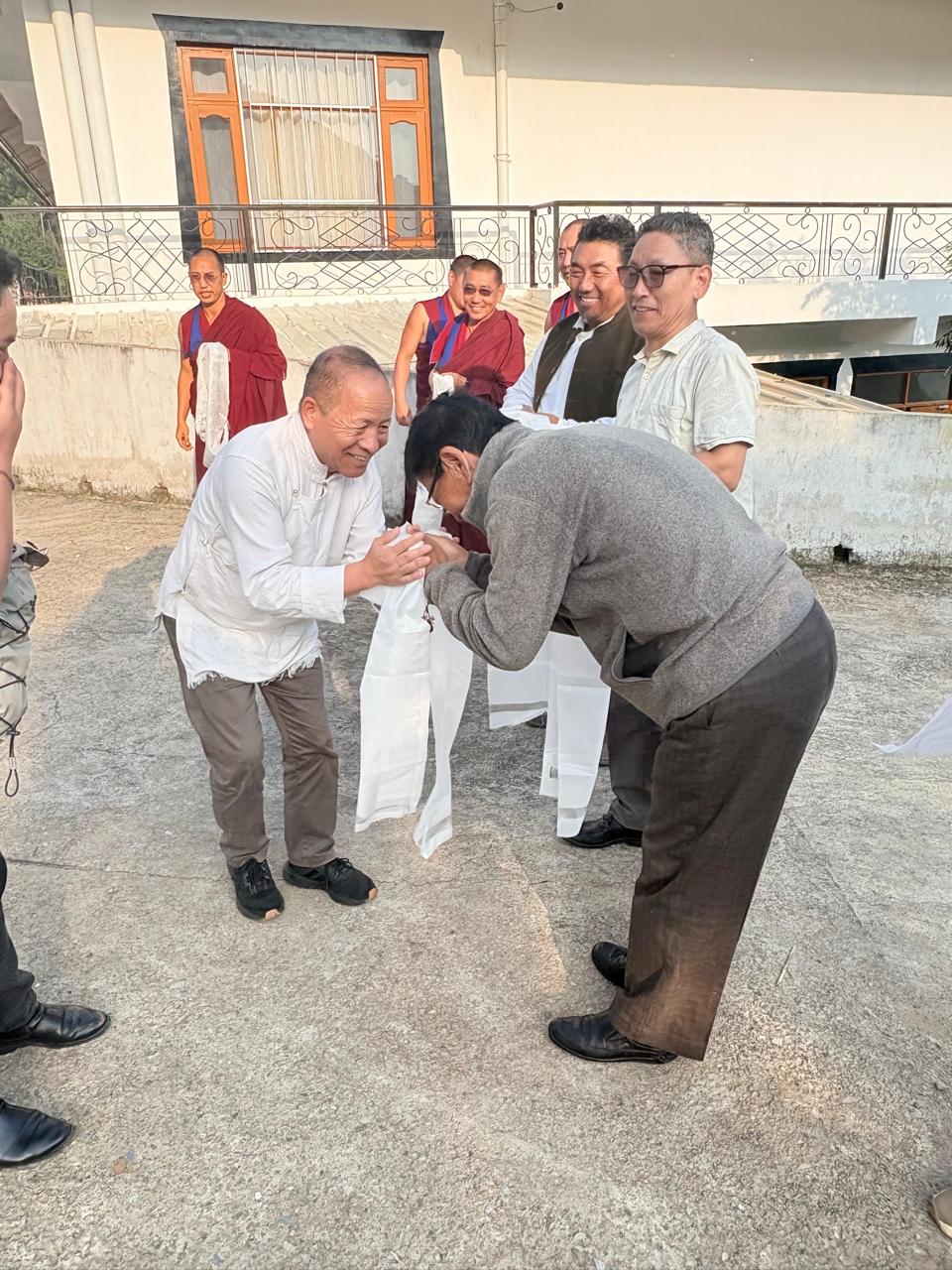
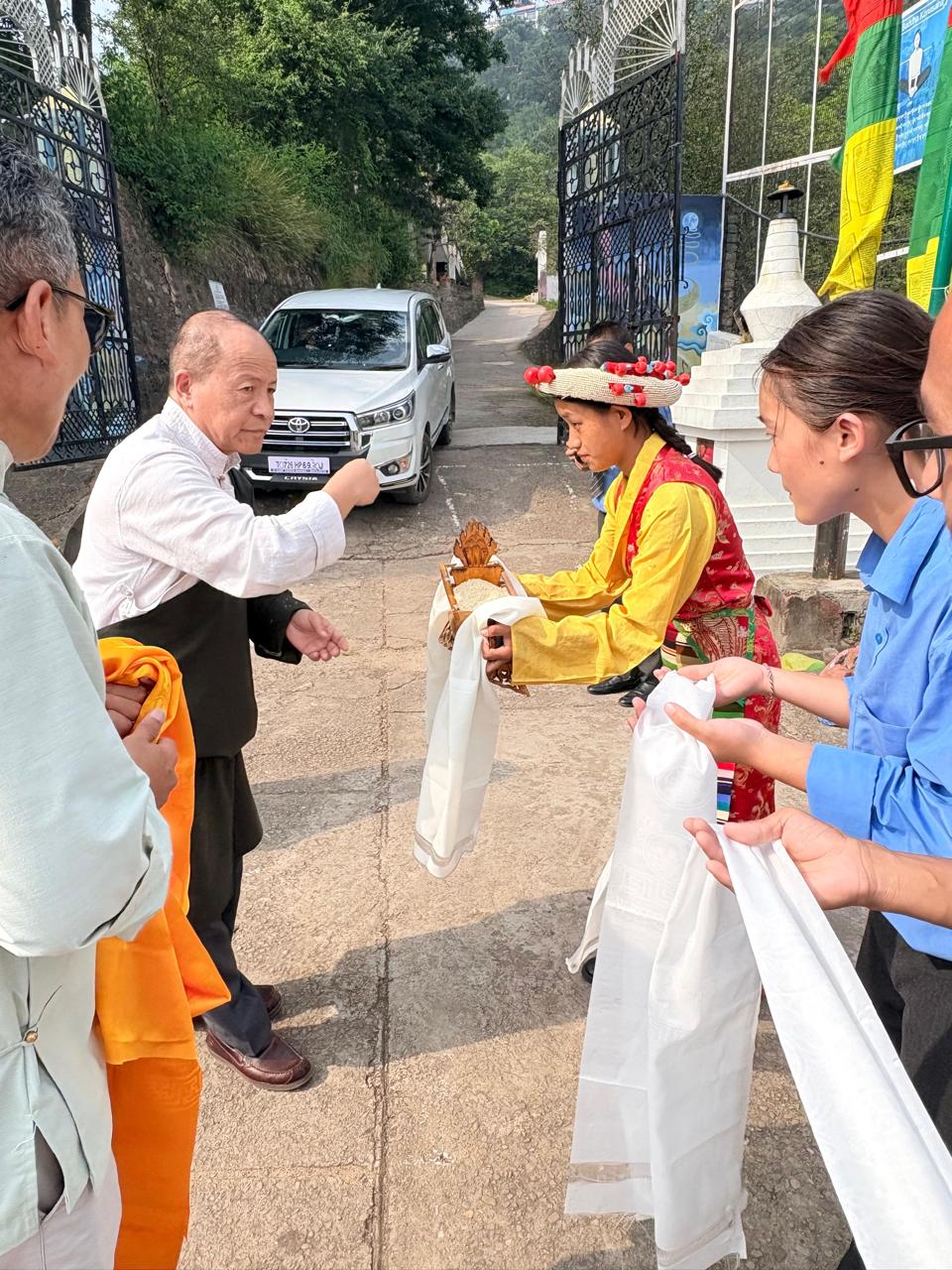
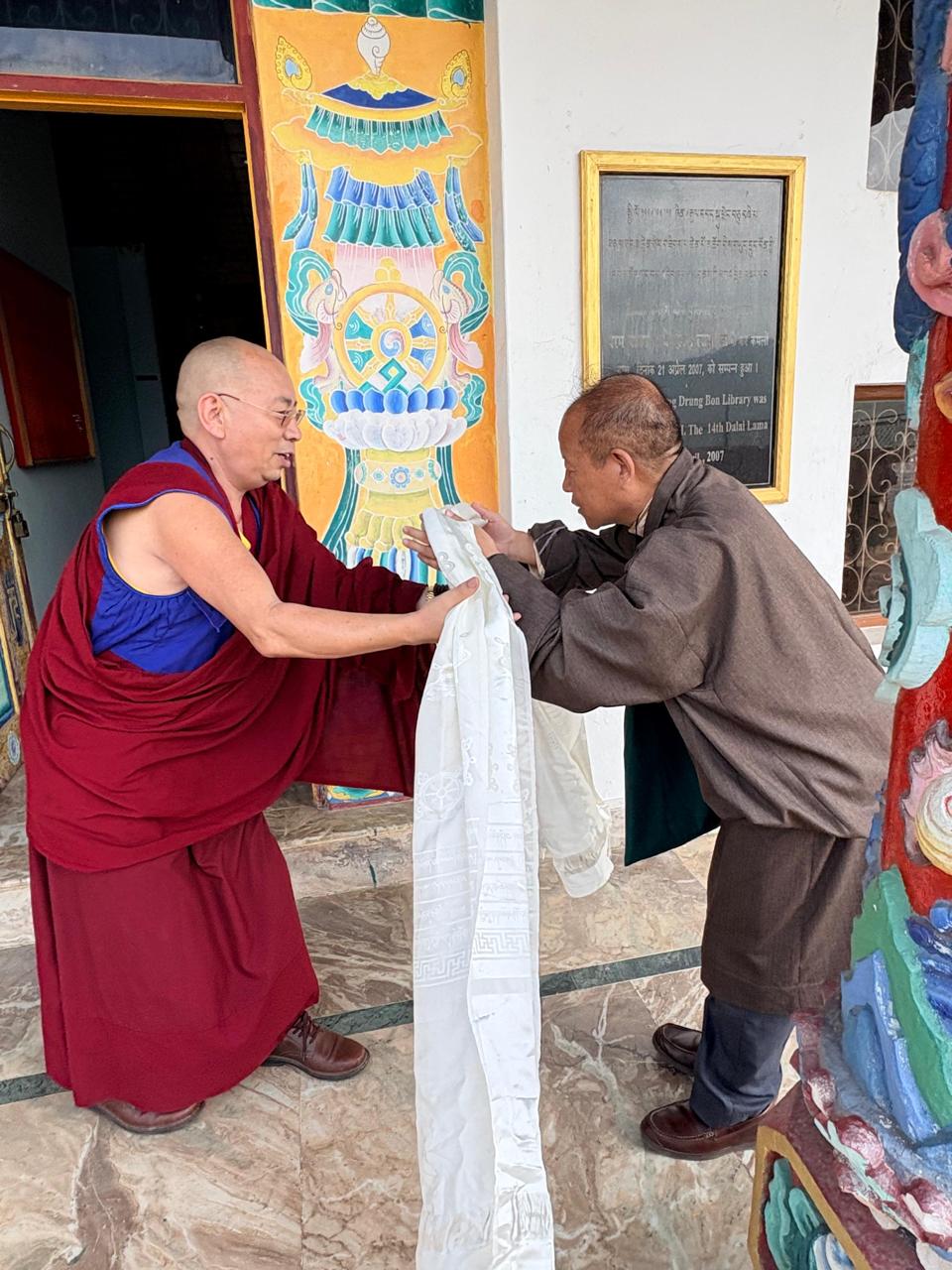
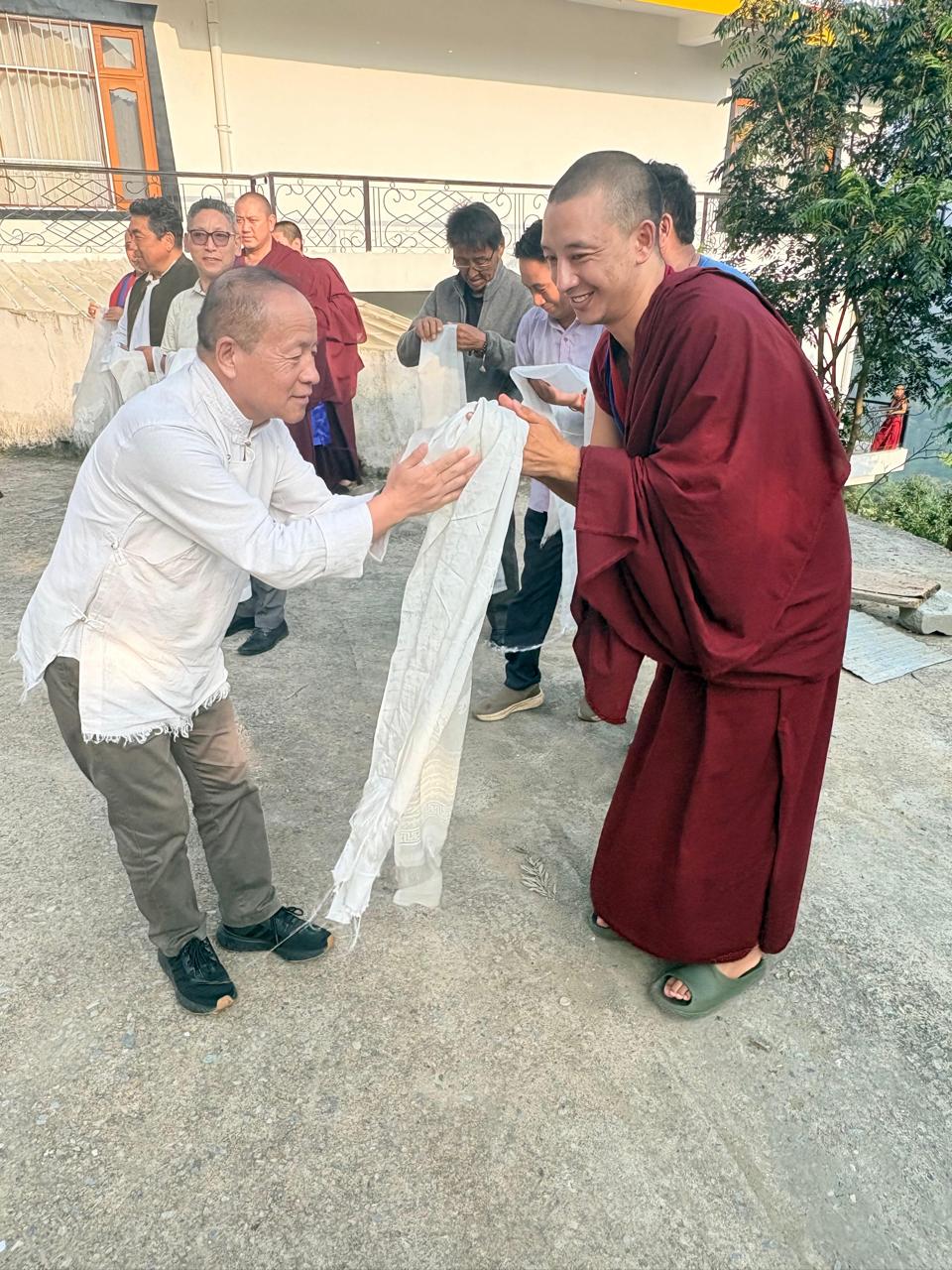
Following Kalon proceeded to Dolanji Tibetan Settlement in Himachal Pradesh. On his arrival, he was received by the Chairman of the Local Tibetan Assembly, the Secretary of the Tibetan Settlement Office, Joint Secretary of the Yungdrung Bon Monastic Centre Society, and representatives from the local Tibetan NGOs.
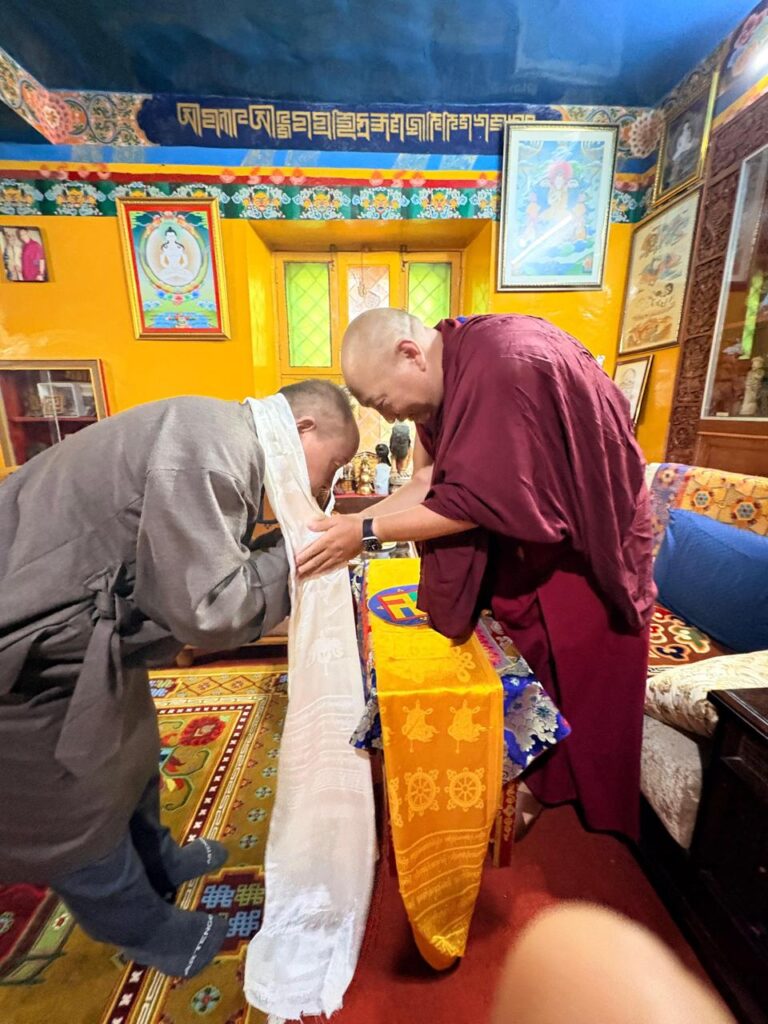
On the following day, Kalon Tsegyal Chukya received a special audience with the 34th Menri Trizin, Kyabje Lungtok Dawa Dargyal Rinpoche, the spiritual head of Yungdrung Bon, to seek his blessings and prayers for the success of the administration’s initiatives. During the audience, the Kalon provided a brief overview of the composition of the 17th Kashag and highlighted two of the Department of Religion and Culture’s (DoRC) major ongoing initiatives: the Neykor App and the Tibetan Digital Library Project. He also shared an account of his professional journey and service within the Central Tibetan Administration.
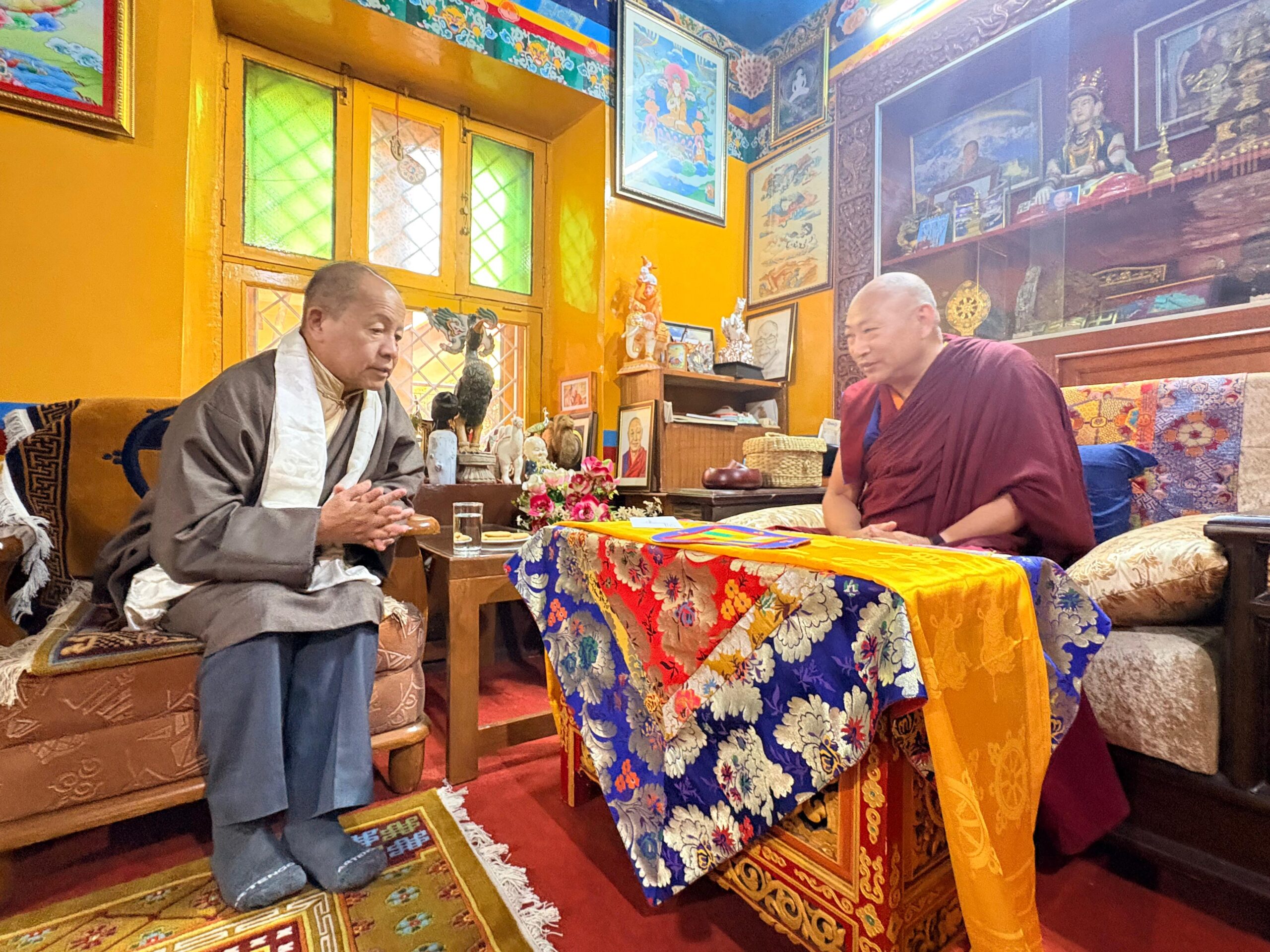
In response, Kyabje Menri Trizin Rinpoche commended the 17th Kashag’s cabinet members—noting the operational experience of the four former civil servants and two former members of the Tibetan Parliament-in-Exile—for their ability to execute administrative responsibilities efficiently. Rinpoche further expressed deep admiration for Kalon Tsegyal Chukya Dranyi’s long-standing dedication to serving the Central Tibetan Administration in alignment with the vision of His Holiness the 14th Dalai Lama.
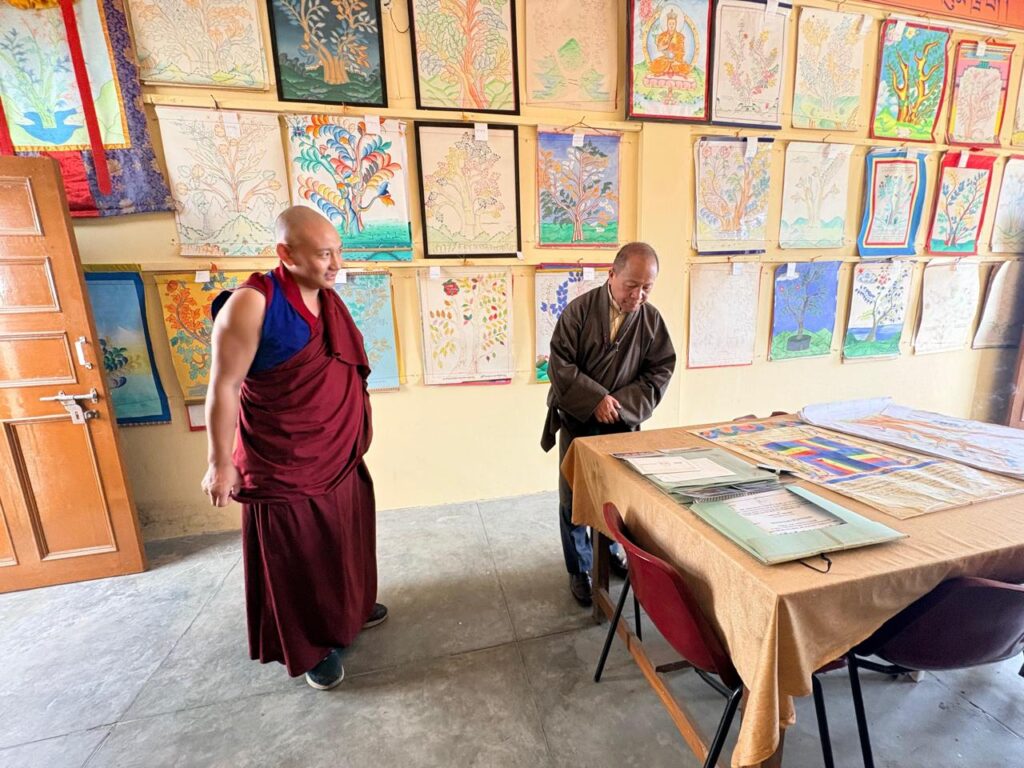
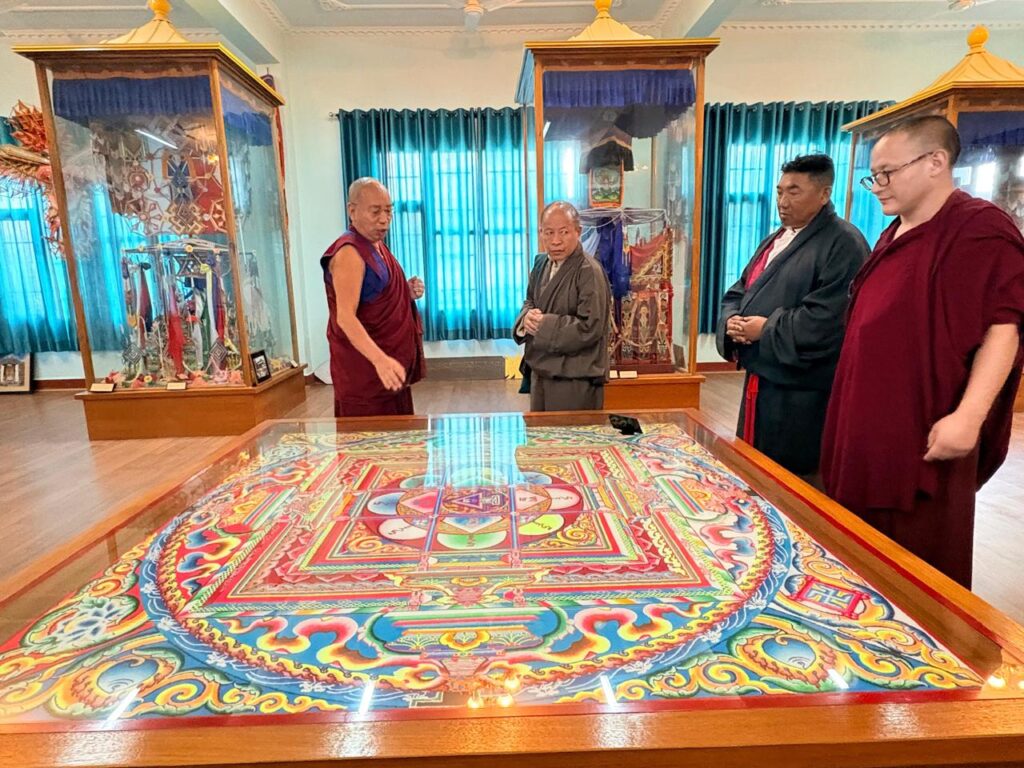
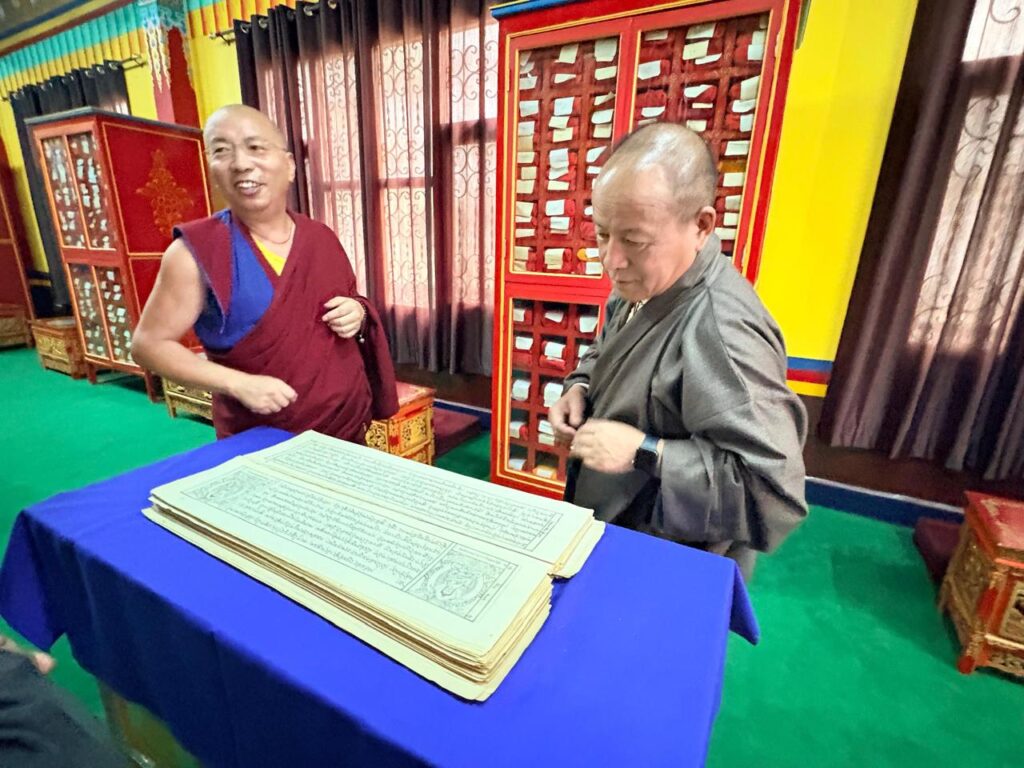
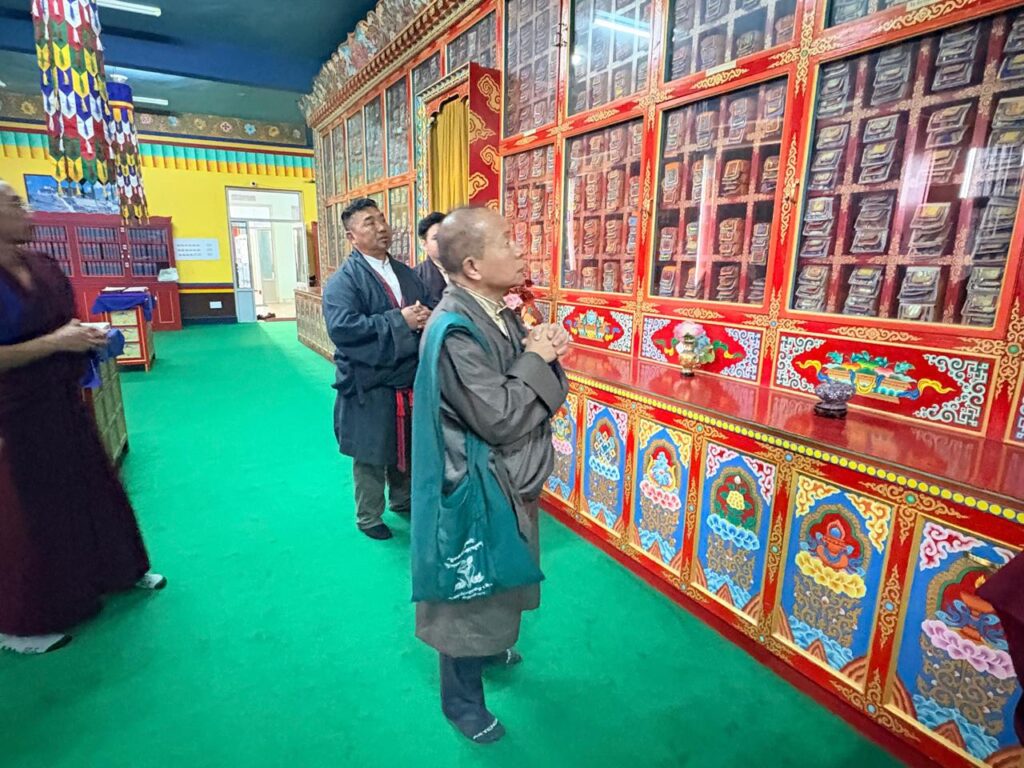
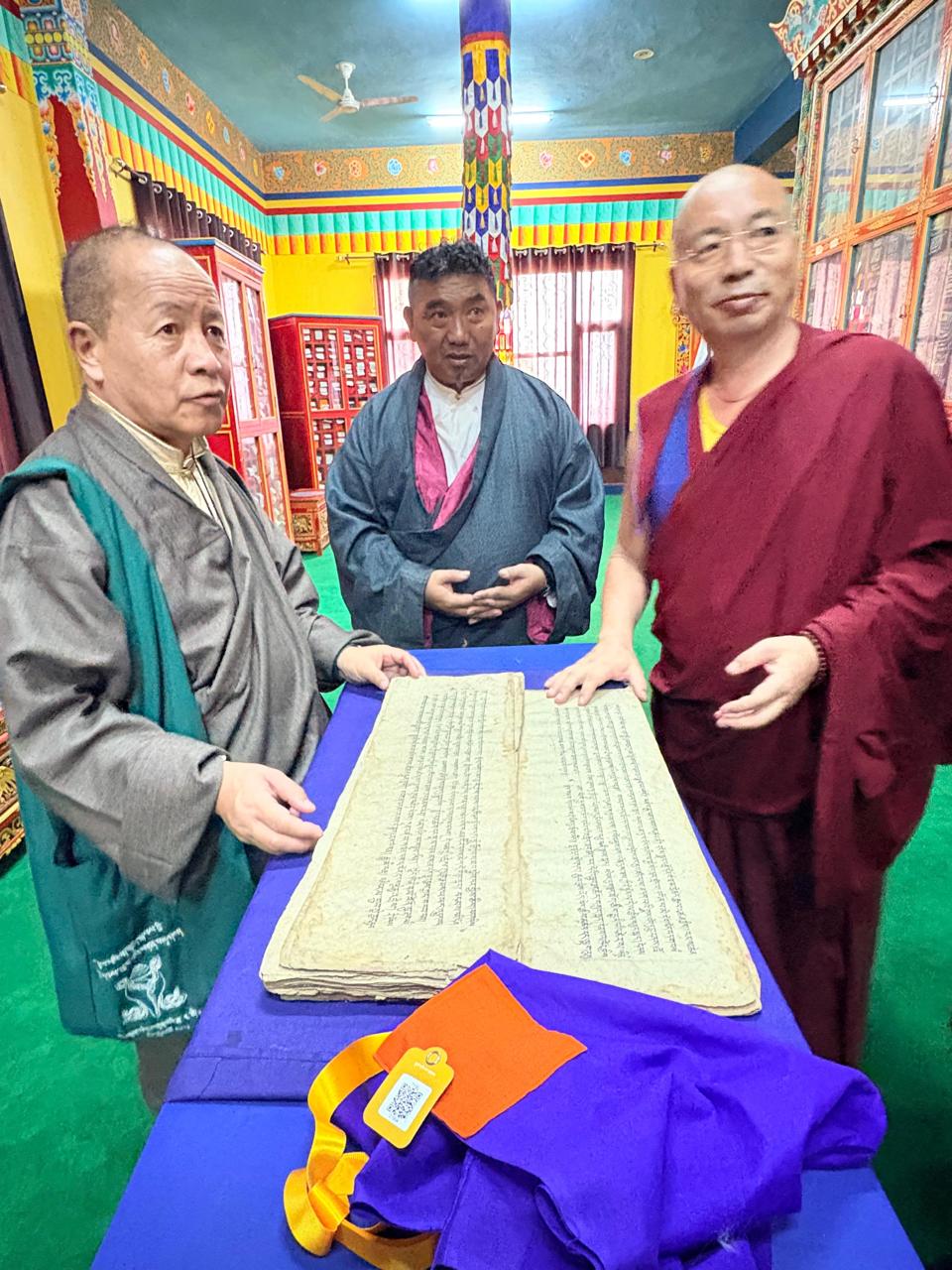
After the meeting, Kalon paid his respects at the monastery’s main hall and at the Memorial Hall—the residence of the late 33rd Menri Trizin Rinpoche. He then inspected various sections of the monastery, followed by address to the monks and members of the public at the Yungdrung Bon Library hall.
In his address, the Kalon explained that in accordance with the tradition of new incoming Kalon of the Department of Religion and Culture paying courtesy calls on senior spiritual heads, he made a special visit to the Dolanji Menri Ling Bon Settlement to seek an audience with the 34th Menri Trizin Rinpoche. This was accompanied by visits to local monasteries and nunneries, various office, and meetings with the local community.
On behalf of the 17th Kashag, he spoke on fulfilling the noble wishes of His Holiness the Dalai Lama; carrying out all of the Kashag’s work with the law as its guiding principle; further strengthening security arrangements for His Holiness in coordination with the Government of India; continuing to seek support on the issue of His Holiness’s reincarnation, in addition to that already received from 38 countries, including the United States; engaging respectfully with the other two pillars and autonomous bodies of the CTA in accordance with the principle of separation of powers; upholding the Middle Way Approach, unanimously adopted by the Tibetan Parliament-in-Exile and endorsed by His Holiness, as the CTA’s political stance; respecting non-governmental organisations and refraining from interfering in their work; advancing digital archives, digital libraries and other modern technological systems to keep pace with the times; and placing greater emphasis on nurturing and directly guiding Tibetan youth leadership in carrying forward political activities.
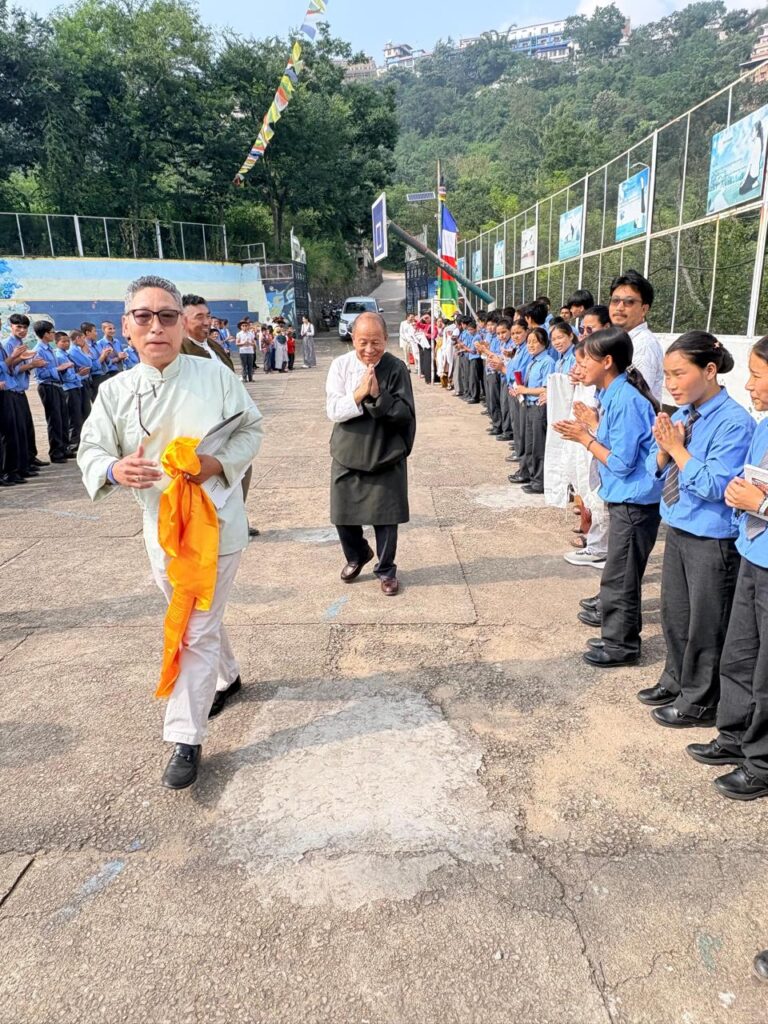
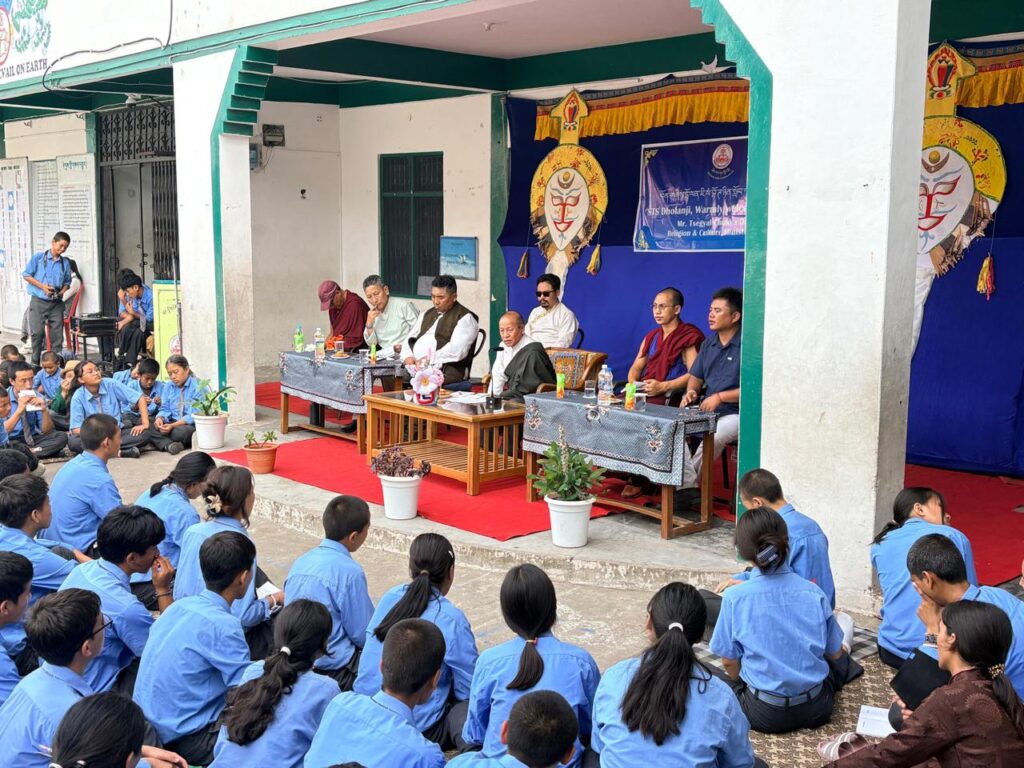
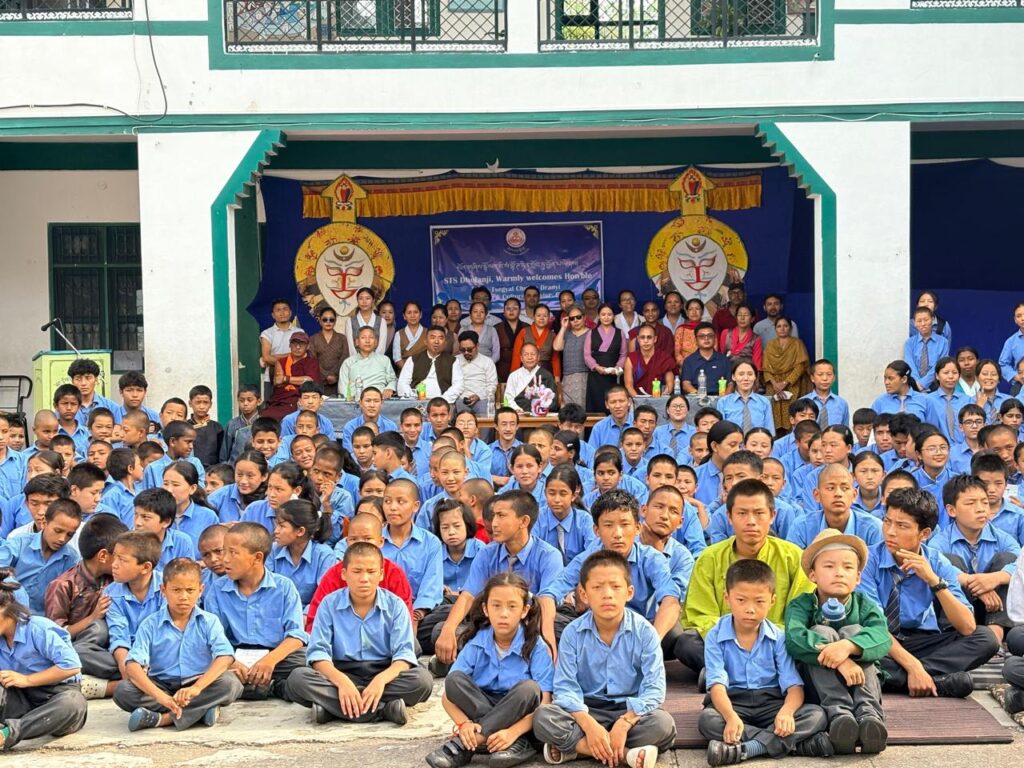
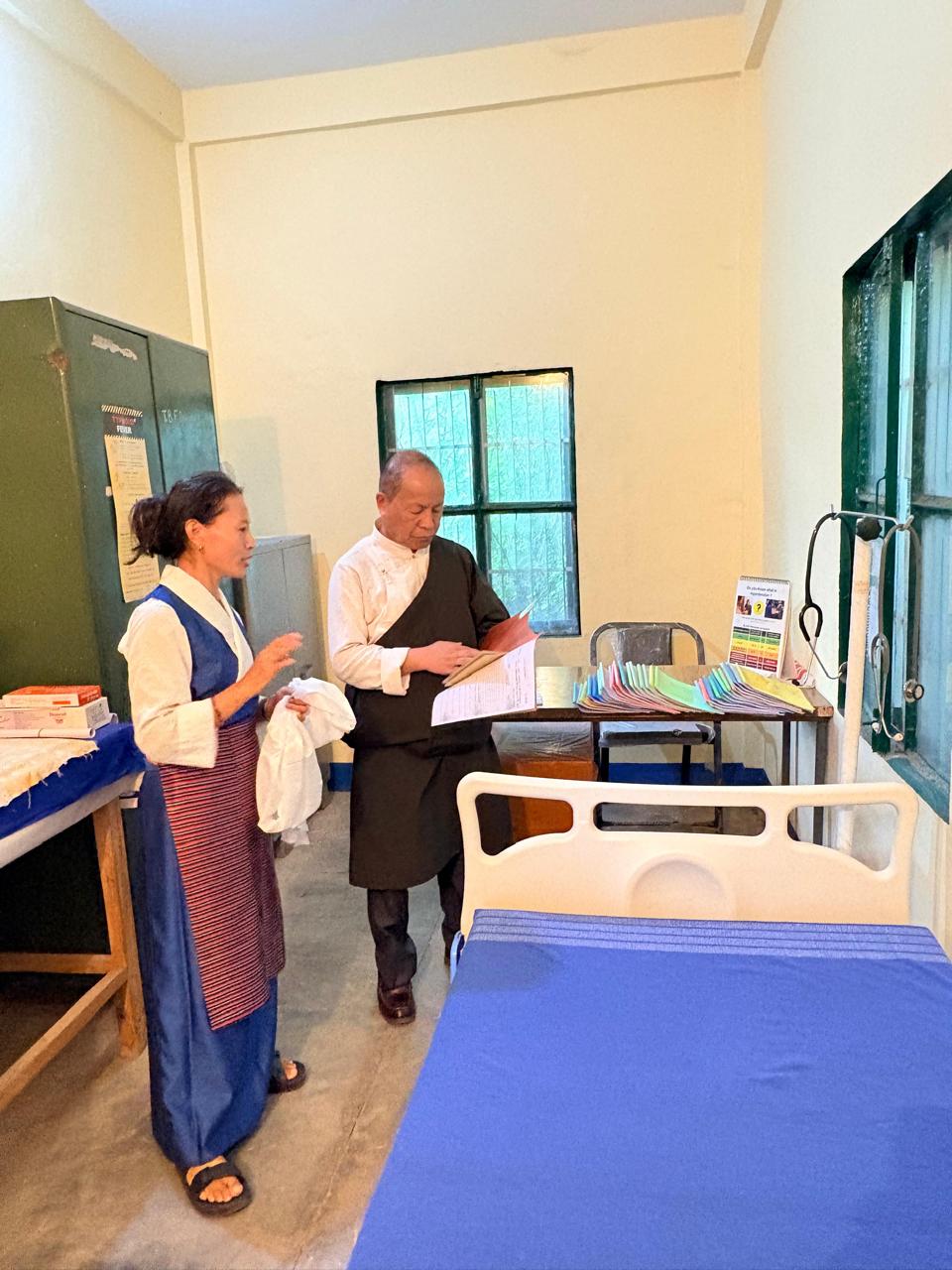
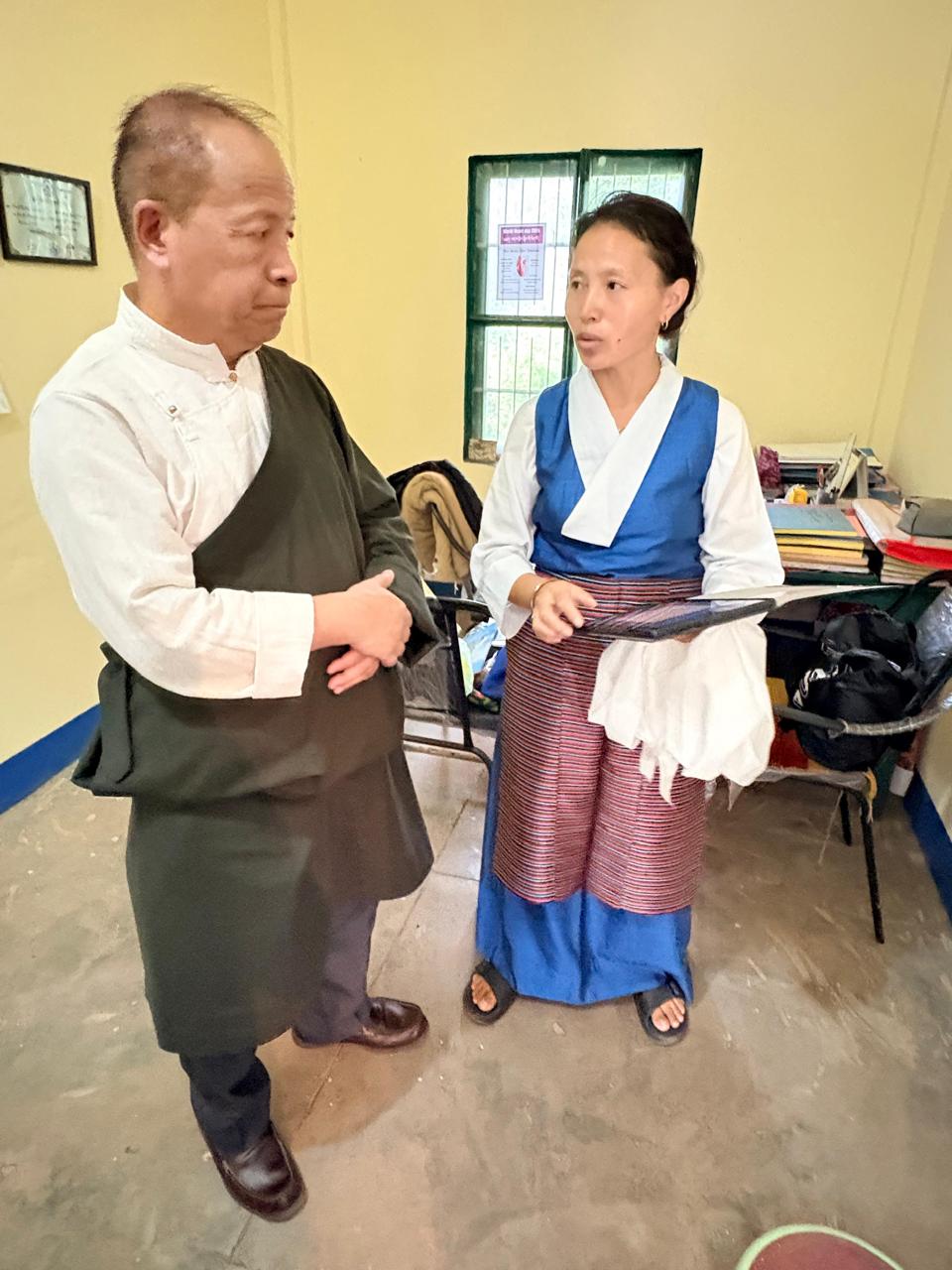
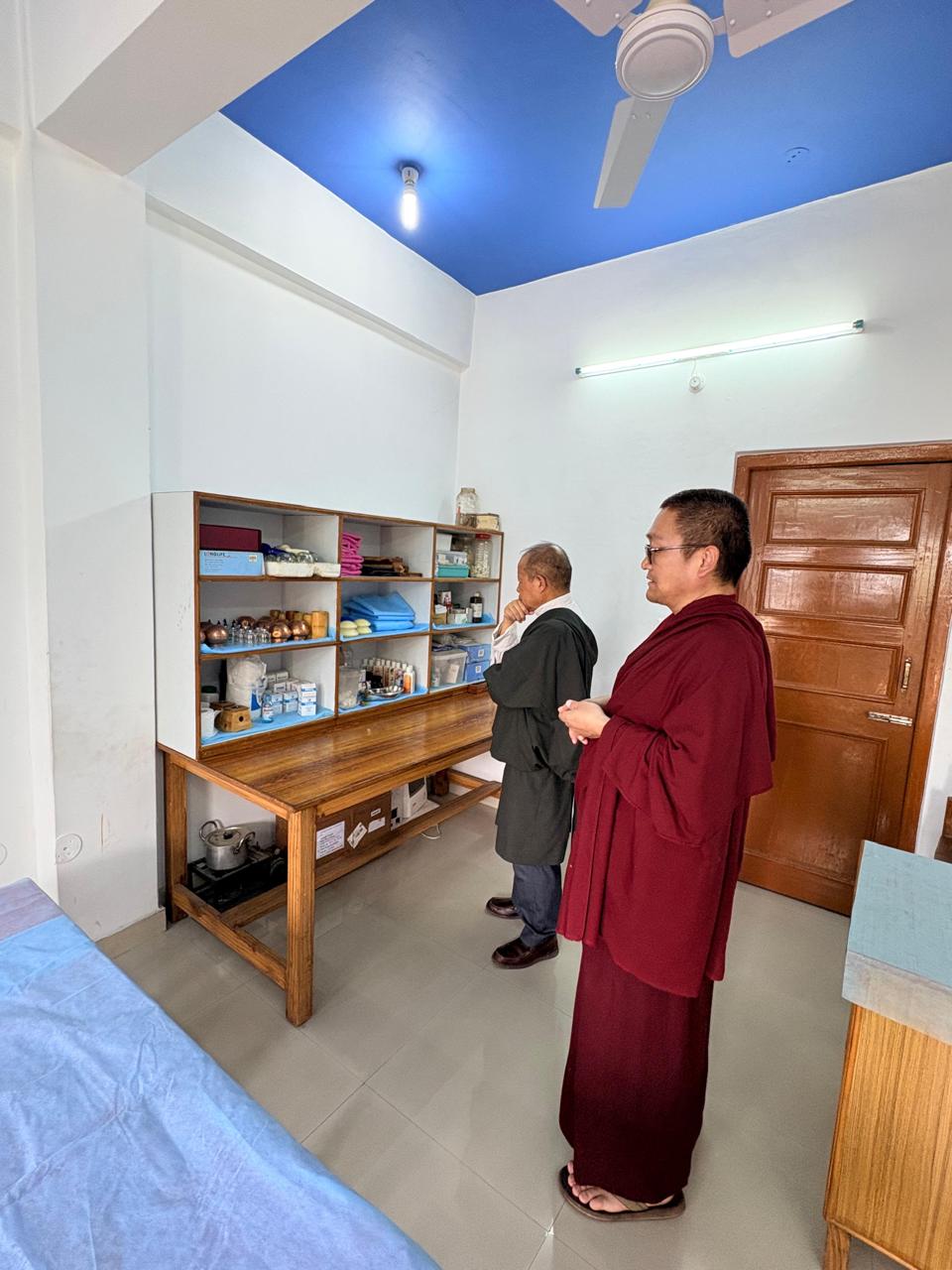
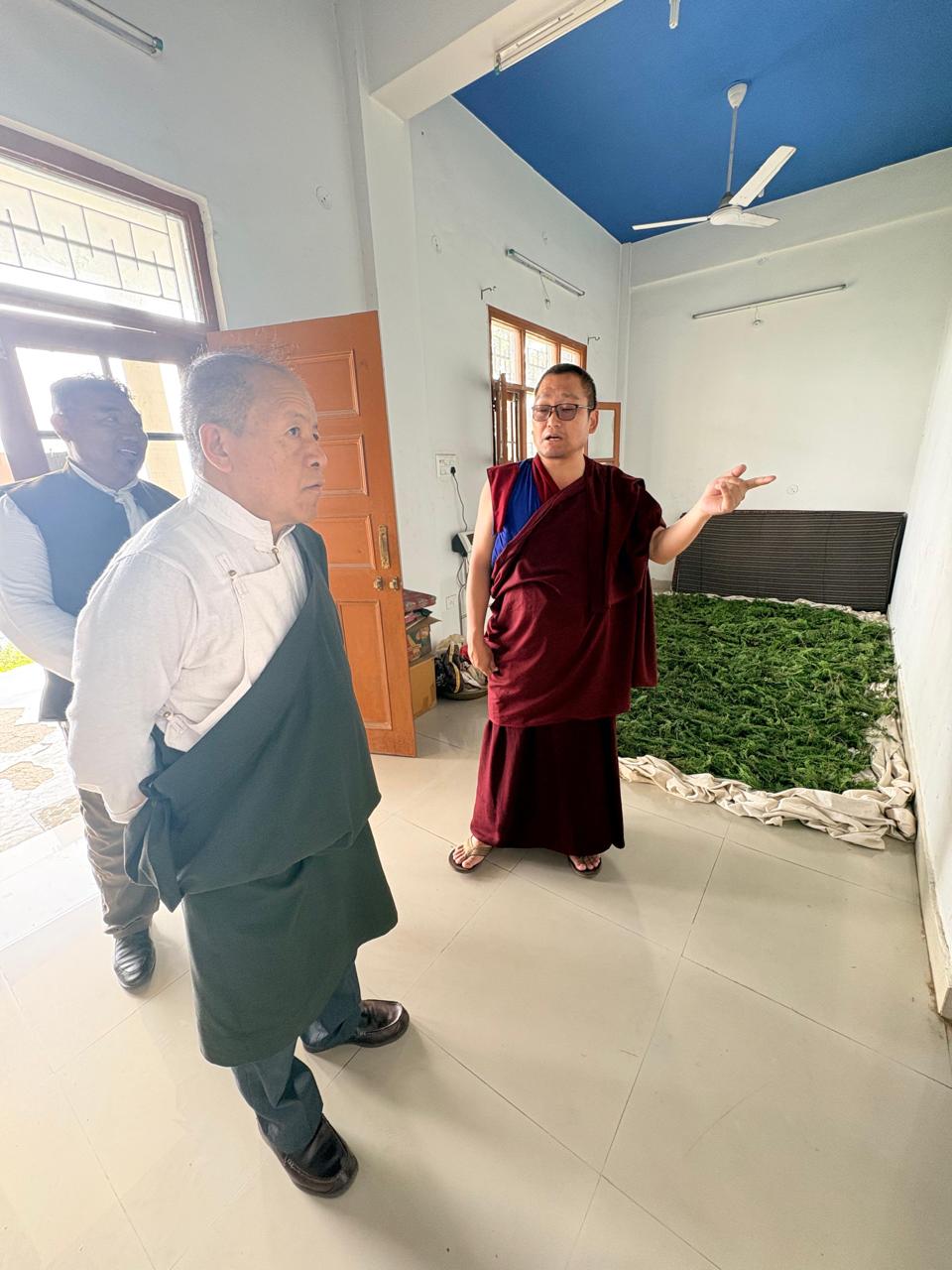
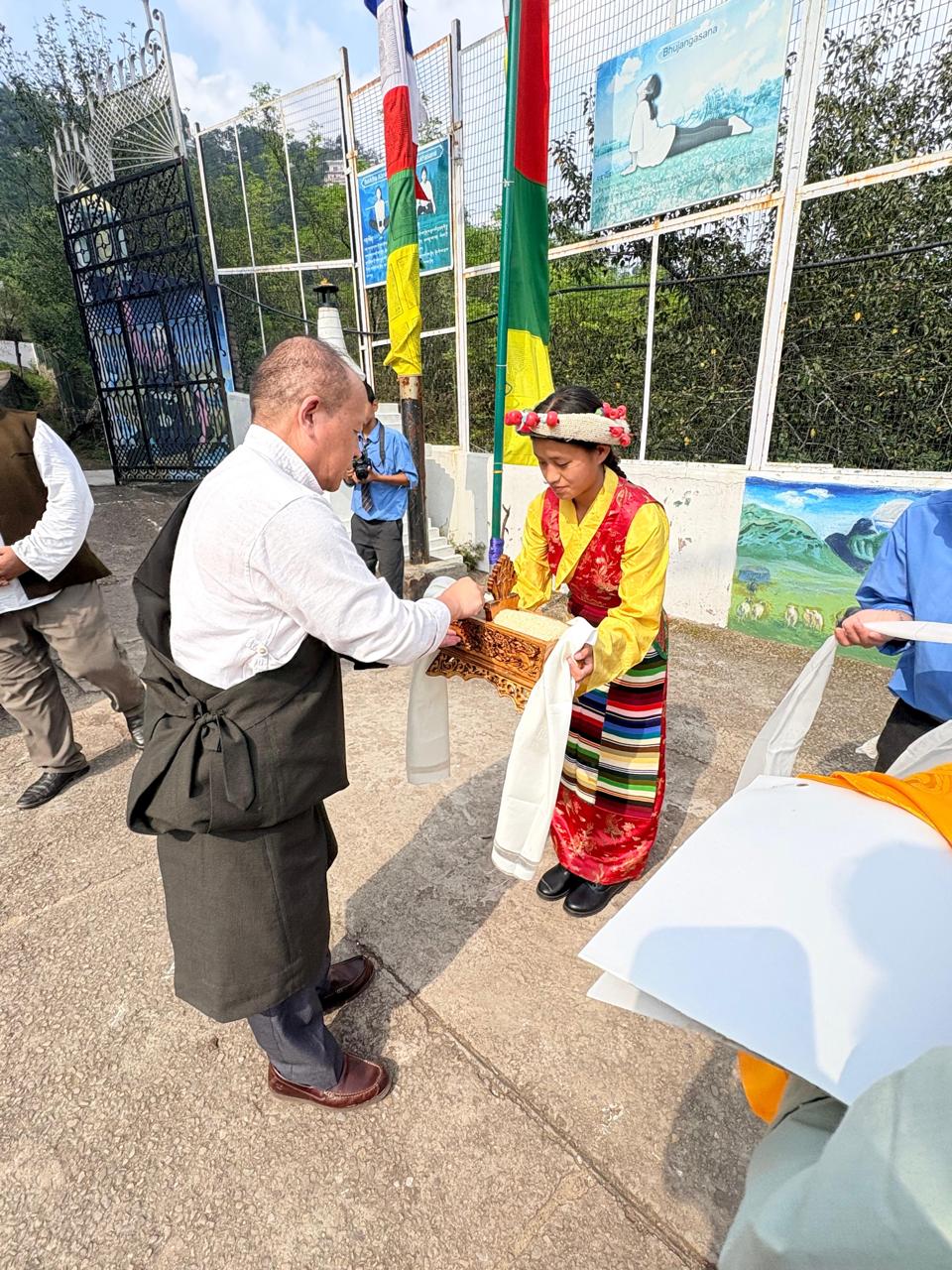
Later that, the Kalon visited Medical College of Sorig Bumzhi Menriling, as well as offices of the Local Tibetan Assembly, Donlanji Tibetan Settlement Officer, and Regional Tibetan Freedom Movement. He then visited the Sambhota Tibetan School, Dolanji, and addressed the students and teachers there.
The Kalon advised the students to build a strong academic foundation from an early age and encouraged them to pursue higher education with dedication in order to secure a better future. He also stressed the importance of adhering to school regulations and respecting the advice of teachers and elders.
The Kalon further emphasised the importance of maintaining good health throughout their educational journey. He urged the students to learn to speak and write Tibetan fluently in order to preserve and uphold Tibet’s distinct cultural heritage.
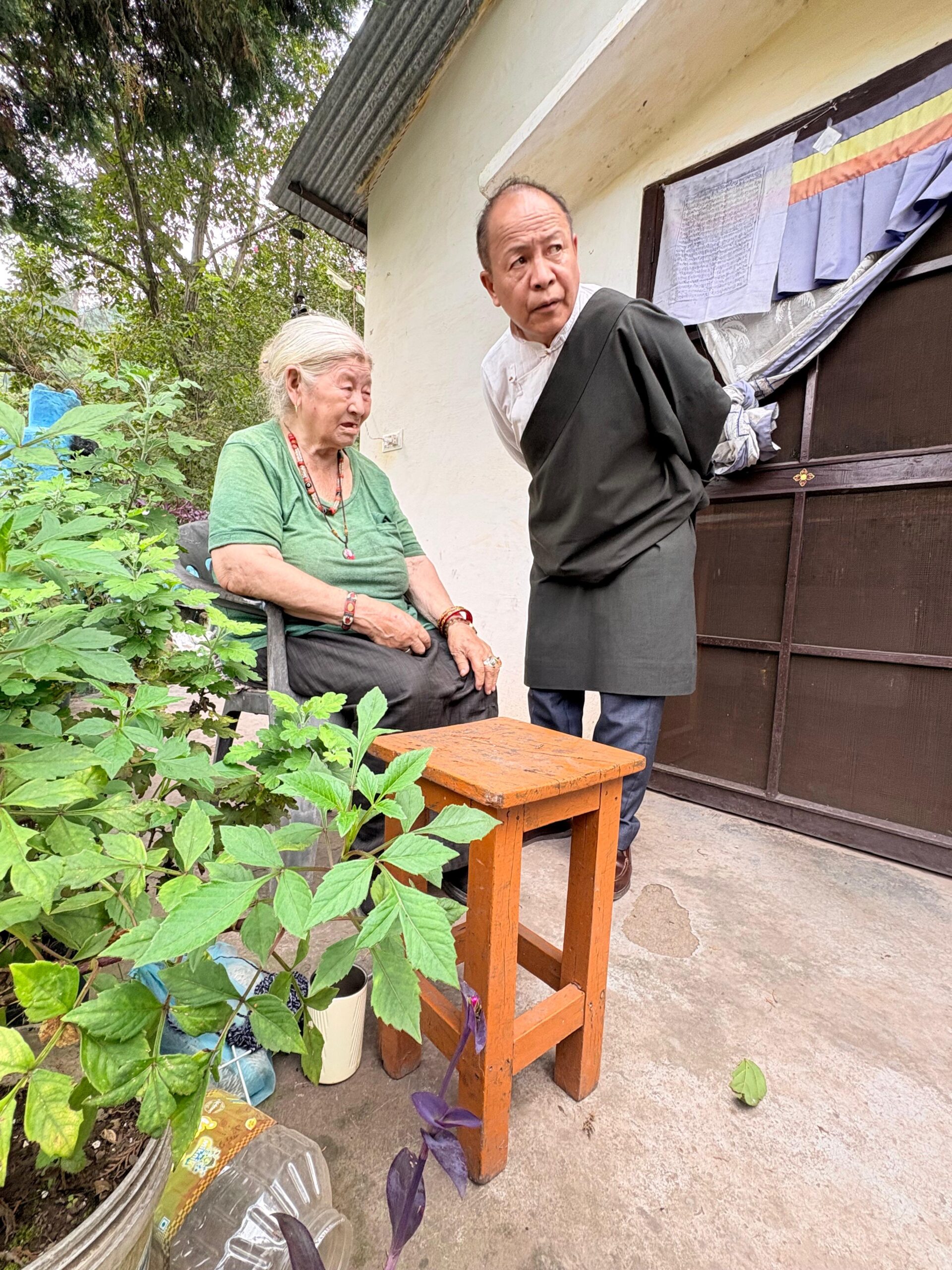
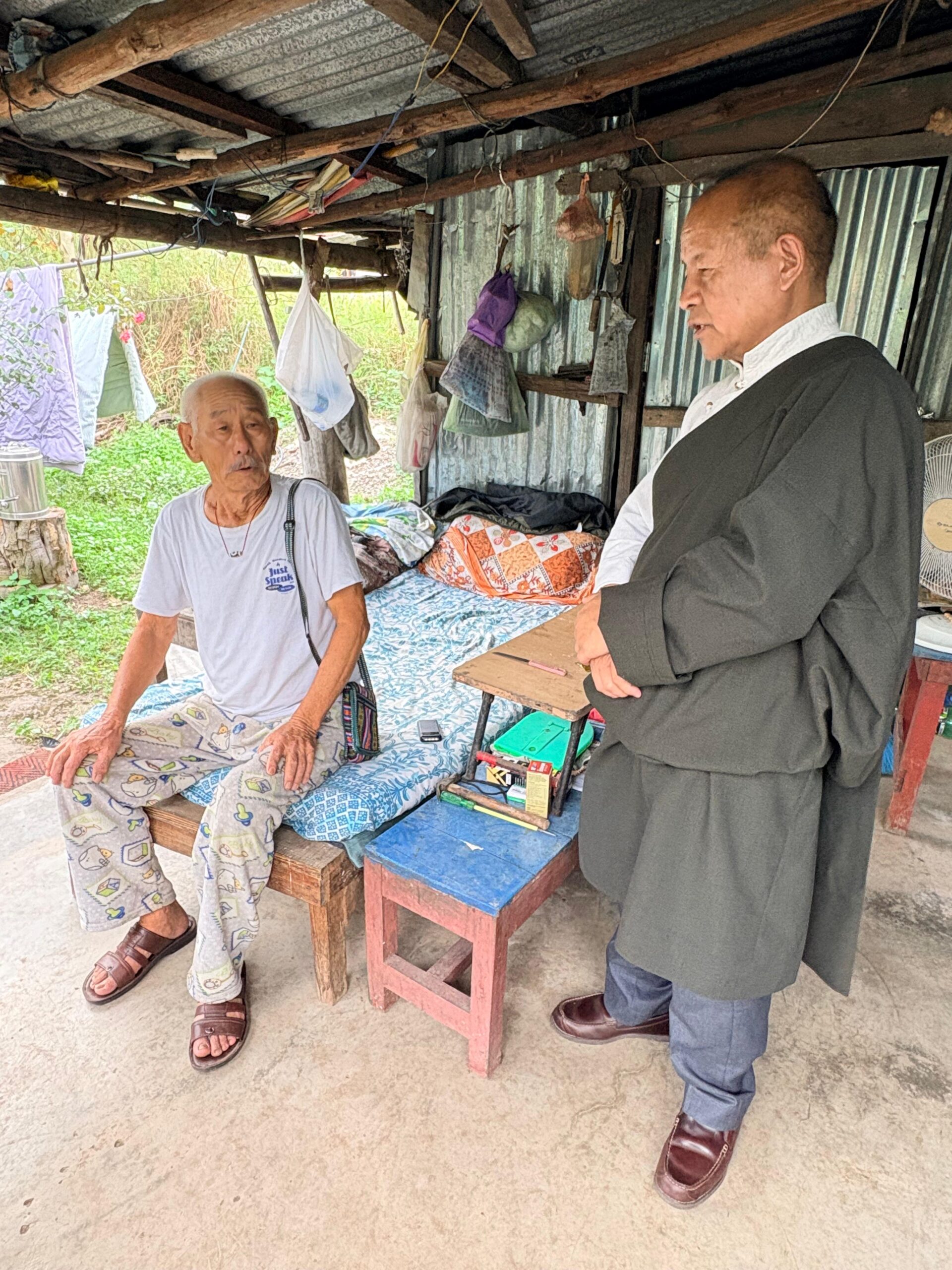
Kalon further visited and interacted with two under-privilege elders in the settlement.
With visits to Ratna Menriling Nunnery and engagements with the nunnery’s administrators, the Kalon officially concluded his visit in the settlement.